
Travelers Can Discover Authentic Filipino Cuisine in Bali Key Takeaways
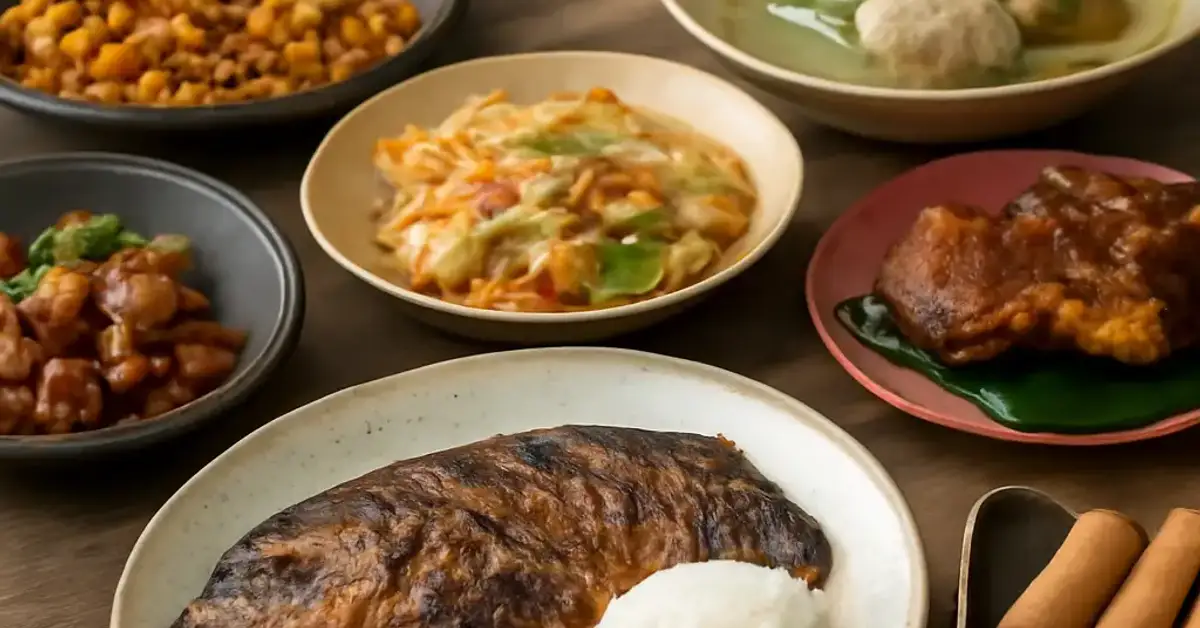
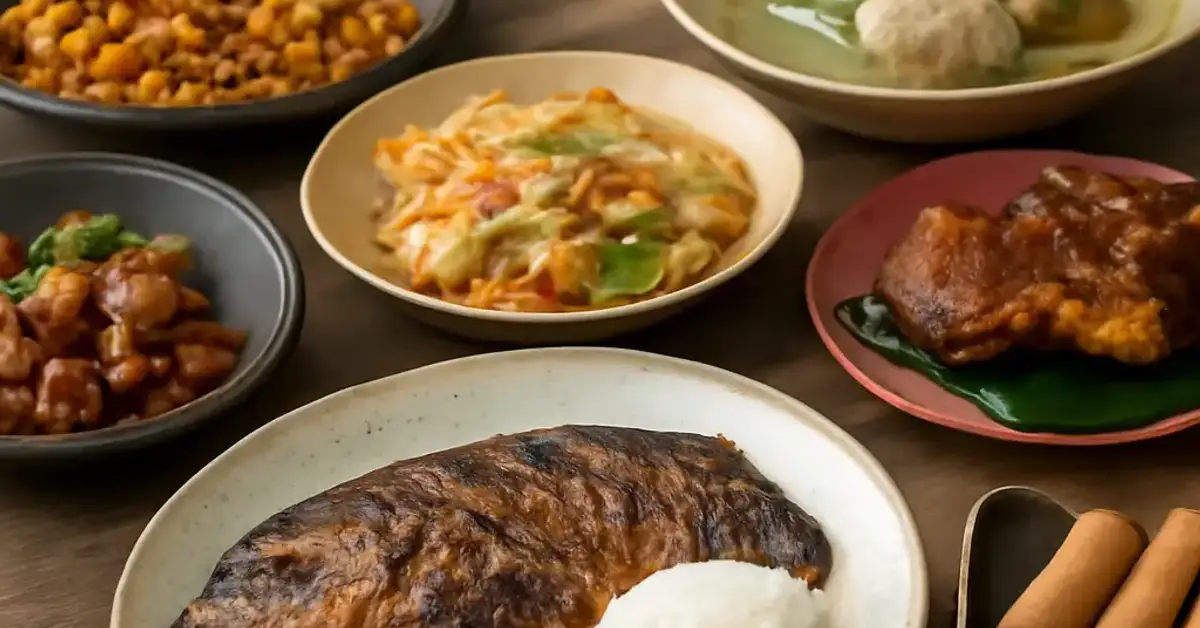
Bali has become an unexpected hub for authentic Filipino food, thanks to a thriving expat community, growing culinary tourism Bali , and passionate chefs like myself who bring Filipino cuisine in Bali to life.
- Travelers Can Discover Authentic Filipino Cuisine in Bali at dedicated warungs, pop-up dinners, and villa experiences across Ubud and Canggu.
- Filipino food in Bali goes beyond adobo and lumpia and #8212; expect regional dishes like Kare-Kare, Sinigang, and Sisig served with modern technique.
- Expat communities and cultural food tourism have created a demand for global Filipino cuisine , making Bali a unique destination for Filipino dishes international .
Why Travelers Can Discover Authentic Filipino Cuisine in Bali Matters for Food Lovers
When I first moved to Ubud to open Kilig Filipino Warung, people would ask me, “Bali has Filipino food?” My answer was always the same: not only does it exist, but it’s thriving. The Filipino culinary diaspora has reached the Island of the Gods, and Filipino cuisine in Bali is now a vital part of the Bali restaurant scene. For travelers who miss the taste of home or simply want to explore ethnic cuisine Bali, the options are more robust than most realize.
Culinary tourism Bali has evolved beyond nasi goreng and satay. Today’s travel food experiences Bali include Filipino food discovery tours, bespoke dinners, and even cooking classes. As an executive chef, I’ve seen how Filipino comfort food abroad resonates with visitors who crave bold, sour, and savory flavors that define our heritage. The global Filipino cuisine movement is real, and Bali is one of its brightest outposts.
The Best Filipino Restaurants Bali for Authentic Dining
When you search for Filipino restaurants Bali, the results can be sparse because many operate as intimate warungs or private dining experiences. But the quality is exceptional. Here are the top spots where Travelers Can Discover Authentic Filipino Cuisine in Bali. For a related guide, see Filipino Food Experiences Worth Exploring Around Ubud.
Kilig Filipino Warung — Ubud
Located in the heart of Ubud, Kilig is my home base. We serve everything from classic Filipino comfort food like Chicken Adobo and Pork Sisig to lesser-known regional specialties. The space is small, which allows for a personal connection with every guest. Many diners tell me this is the best Filipino food abroad they’ve had outside the Philippines.
Bali Bites Filipino Pop-Up — Canggu
This rotating pop-up dinner series happens weekly at a villa in Canggu. Each event features a different theme, from Bicol Express nights to lechon feasts. It’s a favorite among digital nomads and travel culinary experiences seekers who want to meet the chef and learn the stories behind each dish.
Sarap Bali — Seminyak
Sarap means “delicious” in Tagalog, and this casual eatery delivers exactly that. They specialize in Filipino meals overseas with a twist — think adobo tacos and sinigang ramen. It’s a great entry point for those new to international Filipino food and a reliable stop for Bali dining experiences.
BALI EXpat Kitchen — Sanur
Run by a Filipino-Australian couple, this spot focuses on Filipino gastronomy abroad with a focus on grilled meats and seafood. Their crispy pata and grilled bangus are legendary among the expat Filipino food Bali community.
Private Villa Dining by Chef Juan Gadi
For the ultimate experiential dining tourism, I offer private villa dinners in Ubud. These multi-course meals highlight Filipino culinary identity abroad through storytelling and modern techniques. Guests often book these for celebrations or exclusive cultural food exchange Bali experiences.
Must-Try Filipino Dishes International Travelers Love in Bali
When travelers discover Filipino food spots abroad, they often start with the classics. But in Bali, the menu goes deeper. Here are the dishes you should not miss.
- Chicken Adobo — The national dish, slow-cooked in soy sauce, vinegar, and garlic. Every Filipino restaurant Bali has its own version.
- Pork Sisig — A sizzling chopped pork dish with calamansi and chili. Perfect with a cold Bintang beer.
- Kare-Kare — Oxtail stew in peanut sauce, often served with bagoong (fermented shrimp paste). A Filipino comfort dishes favorite.
- Sinigang — Sour tamarind soup with pork or shrimp. Ideal for Bali’s rainy afternoons.
- Lumpia Shanghai — Crispy fried spring rolls. A staple at every Bali expat restaurants gathering.
- Halo-Halo — Shaved ice dessert with ube, leche flan, and macapuno. A sweet end to any Bali food culture journey.
How Expat Filipino Food Bali Communities Shape the Scene
The Filipino diaspora food influence in Bali is stronger than many realize. Thousands of Filipinos work in Bali’s hospitality industry, and many have opened small Bali dining spots that cater to both locals and tourists. These expat culinary communities Bali organize monthly food bazaars, kamayan (hand-eating) feasts, and cultural events that keep Filipino food culture alive.
As a chef, I draw inspiration from these gatherings. When I host a kamayan dinner at a villa, I’m not just serving Filipino dishes international—I’m recreating the warmth of a family reunion. That emotional connection is what cultural food tourism is all about. It’s why Filipino food globalization works so well in a place like Bali, where multicultural dining experiences are the norm.
Comparing Filipino Cuisine Bali vs. Balinese Cuisine
Many travelers ask me how Filipino food compared to Balinese cuisine. Both rely on rice, tropical ingredients, and bold flavors, but the differences are striking. Balinese food leans heavily on spice pastes (basa gede), while Filipino cuisine in Bali uses vinegar, soy sauce, and fermented seafood for acidity and depth. Balinese dishes like babi guling are rich and aromatic; Filipino dishes like lechon are crispy and savory. Together, they represent the diversity of Southeast Asian food culture.
| Aspect | Filipino Cuisine | Balinese Cuisine |
|---|---|---|
| Core flavors | Sour, salty, savory | Spicy, aromatic, sweet |
| Key ingredients | Vinegar, soy sauce, calamansi | Turmeric, galangal, shrimp paste |
| Iconic dish | Adobo | Babi Guling |
| Rice culture | Garlic rice, sinangag | White rice, nasi campur |
Why Travelers Seek Filipino Comfort Food Overseas While in Bali
The travel lifestyle food culture of Bali attracts a specific kind of visitor: those who value authenticity and emotional connection. After days of exploring temples and beaches, many tourists crave Filipino comfort food overseas because it reminds them of home or satisfies a craving for umami-rich dishes. Filipino food tourism is growing because our cuisine offers something different from the usual tourism dining trends Bali.
I’ve hosted guests who flew from Australia specifically for a destination dining experiences featuring Filipino kamayan. Others are food tourists who discovered our food through social media and made a reservation months in advance. This is modern travel dining culture at its best: people are no longer satisfied with generic hotel buffets. They want authentic ethnic cuisine travel that tells a story.
How Travelers Identify Authentic Filipino Restaurants in Bali
Not every place that claims to serve Filipino cuisine in Bali delivers the real thing. Here’s how to spot an authentic Filipino dining spots:
- Look for Filipino staff or owners. The best Filipino restaurant scene establishments are run by people who grew up with the food.
- Check the menu for regional dishes beyond adobo. A place that serves dinuguan or laing is usually legit.
- Read reviews from the Filipino culinary diaspora. Expat Facebook groups often have honest recommendations.
- Ask about ingredients. Real Filipino food discovery requires native ingredients like calamansi, ube, and bagoong.
- Visit during lunch or dinner rush. If locals and expats are eating there, it’s a good sign.
When you search for where travelers can discover authentic Filipino cuisine in Bali, word-of-mouth and online communities are your best tools. Join the “Filipinos in Bali” Facebook group or follow hospitality and tourism food culture bloggers who cover ethnic eats.
The Role of Tourism Dining Bali in Filipino Cuisine Abroad
Bali’s tourism industry has created a unique ecosystem for Filipino food globalization. Because the island attracts millions of visitors from the Philippines, Australia, and North America, there is a built-in audience for Filipino cuisine Bali. At the same time, adventurous eaters are drawn to global restaurant ecosystems that offer variety. This demand has encouraged chefs like me to open Filipino restaurants Bali that cater to both tourists and the expat Filipino food Bali community.
Island food culture Bali is naturally inclusive. The island has always absorbed culinary influences from India, China, the Middle East, and Europe. Now, Filipino gastronomy abroad adds another layer to this rich tapestry. For culinary explorers, Bali is a paradise not just for Balinese food but for international Filipino dishes that are hard to find elsewhere in Southeast Asia.
Useful Resources
For more on where travelers can discover authentic Filipino cuisine in Bali, check out these guides:
- Now Bali — Filipino Food in Bali Guide — A comprehensive directory of Filipino restaurants, pop-ups, and markets across the island.
- Food52 — The Rise of Filipino Food Abroad — Explores the global movement of Filipino cuisine and why travelers seek it in destinations like Bali.
Frequently Asked Questions About Travelers Can Discover Authentic Filipino Cuisine in Bali
Where can travelers find authentic Filipino cuisine in Bali ?
You can find authentic Filipino cuisine in Bali at dedicated warungs like Kilig in Ubud, pop-ups in Canggu, and private villa dinners. Check local expat groups for rotating events. For a related guide, see How Bali Travelers Discover Filipino Comfort Foods.
What are the best Filipino restaurants in Bali for tourists?
The top Filipino restaurants Bali include Kilig Filipino Warung, Sarap Bali in Seminyak, and BALI EXpat Kitchen in Sanur. Each offers a different vibe and menu.
How do travelers discover Filipino food spots abroad?
Travelers use Facebook groups like “Filipinos in Bali,” Instagram geotags, and Google Maps searches for Filipino food abroad to find authentic spots. Word-of-mouth from expat Filipino food Bali communities is also key.
Why is Filipino cuisine popular in Bali travel scenes?
Culinary tourism Bali thrives on diversity. Filipino cuisine in Bali offers bold, sour, and savory flavors that complement the island’s food scene, attracting both homesick travelers and adventurous foodies.
What Filipino dishes are commonly available in Bali?
Common Filipino dishes international in Bali include Chicken Adobo, Pork Sisig, Kare-Kare, Sinigang, Lumpia, and Halo-Halo. Some spots also serve regional specialties like Bicol Express.
How does Filipino food compare to Balinese cuisine?
Filipino cuisine Bali tends to be sour, salty, and savory, while Balinese food is spicier and more aromatic. Both use rice but differ in core flavors and cooking techniques.
What makes Filipino comfort food appealing to travelers?
Filipino comfort food is rich, familiar, and deeply satisfying. For travelers in Bali, dishes like adobo and sinigang offer a warm, nostalgic break from unfamiliar local flavors.
How do expat communities influence Filipino food in Bali?
The expat Filipino food Bali community organizes pop-ups, bazaars, and kamayan feasts that keep Filipino food culture vibrant. Their demand encourages chefs to open dedicated restaurants.
What role does tourism play in Filipino cuisine abroad?
Tourism dining Bali creates demand for global Filipino cuisine as visitors seek authentic, diverse experiences. This has helped establish Filipino cuisine in Bali as a staple of the local food scene.
How do travelers identify authentic Filipino restaurants?
Look for Filipino staff, regional dishes, and reviews from the Filipino culinary diaspora. Authentic Filipino dining spots use native ingredients like calamansi and bagoong.
Why do tourists seek Filipino comfort food while traveling?
Travelers often crave familiar tastes after days of new flavors. Filipino comfort food overseas satisfies that need for warmth and nostalgia, especially during longer trips.
What are must-try Filipino dishes for visitors in Bali?
Must-try Filipino dishes international include Chicken Adobo, Pork Sisig, Kare-Kare, and Halo-Halo. For adventurous eaters, try dinuguan or laing at a dedicated Filipino restaurant Bali.
How does cultural exchange affect Filipino food availability?
Cultural food exchange Bali introduces Filipino cuisine in Bali to a wider audience. As locals and tourists try the food, chefs adapt dishes to incorporate Balinese ingredients, creating unique fusions.
Where do digital nomads find Filipino food in Bali?
Digital nomads frequent Bali expat restaurants in Canggu and Ubud. Kilig Filipino Warung in Ubud and the Bali Bites pop-up in Canggu are popular among remote workers.
What makes Filipino dining experiences unique overseas?
Filipino dining spots abroad emphasize communal eating, storytelling, and warm hospitality. Kamayan dinners, where food is eaten with hands on banana leaves, offer an immersive travel food experiences Bali.
Are there Filipino cooking classes in Bali?
Yes, some Filipino restaurants Bali offer cooking classes. I occasionally host workshops at my villa in Ubud where guests learn to make adobo, lumpia, and ube desserts.
Can I find Filipino ingredients in Bali markets?
Specialty shops in Sanur and Kerobokan carry Filipino food culture essentials like calamansi concentrate, ube halaya, and bagoong. Many Bali expat restaurants also sell ingredients.
What is a kamayan dinner in Bali?
A kamayan dinner is a traditional Filipino feast where food is served on banana leaves and eaten with hands. Several Filipino dining spots in Bali offer this experience by reservation.
How much does Filipino food cost in Bali?
Prices vary from IDR 50,000 for a plate of adobo at a warung to IDR 400,000 for a multi-course private dinner. Bali dining experiences range from budget-friendly to premium.
Is Filipino food in Bali halal-friendly?
Most Filipino restaurants Bali serve pork, which is a staple of Filipino cuisine, but many also offer chicken, beef, and seafood options. Check with the restaurant for halal-certified dishes.

Chef Juan Gadi brings the heart of Filipino hospitality to Ubud, Bali. As an Executive Chef and consultant, he specializes in creating intimate, curated dining experiences that tell a story through every dish. Whether leading the kitchen at Kilig Filipino Warung or hosting a private villa dinner, Chef Juan’s approach is defined by warmth, modern technique, and a commitment to culinary excellence.




