
Why Filipino Cuisine Fits Balis Relaxed Dining Culture Key Takeaways
Bali and the Philippines share an unspoken culinary kinship: both celebrate unhurried meals, generous hospitality, and the joy of eating together.
- The shared philosophy of family style dining and communal eating makes Filipino food a natural fit for Bali’s open-air warungs and social restaurant scene.
- Bold yet comforting flavors—from savory Lechon to tangy Sinigang—complement Bali’s emphasis on fresh, aromatic ingredients and leisurely meal rhythms.
- Chef Juan Gadi’s curated dining experiences at Kilig Filipino Warung and private villa dinners exemplify how Filipino cuisine Bali culture fosters connection, conversation, and a genuine sense of home for travelers.
What Readers Should Know About Why Filipino Cuisine Fits Balis Relaxed Dining Culture
As a chef who has spent years bridging the culinary traditions of the Philippines and the vibrant food scene of Ubud, I have witnessed firsthand how Filipino cuisine Bali culture creates a natural harmony. This article explores the cultural parallels, signature dishes, and dining philosophies that make Filipino comfort food an ideal match for the island’s renowned relaxed dining Bali atmosphere. For a related guide, see Filipino Food Through Regional Flavors: 7 Essential Flavors to Explore.
Whether you are a digital nomad seeking a long, unhurried lunch or a wellness traveler craving nourishing meals, the connection between these two Southeast Asian food cultures runs deeper than geography. Let’s examine five powerful reasons why this culinary fusion works so beautifully.
1. The Shared Philosophy of Slow, Social Eating
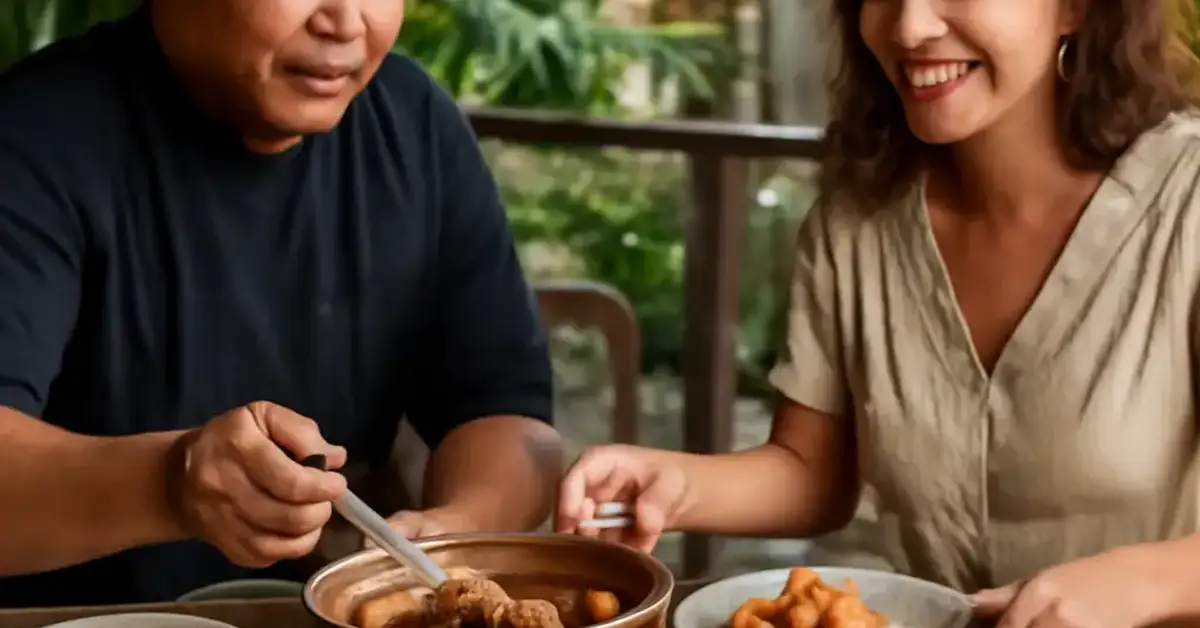
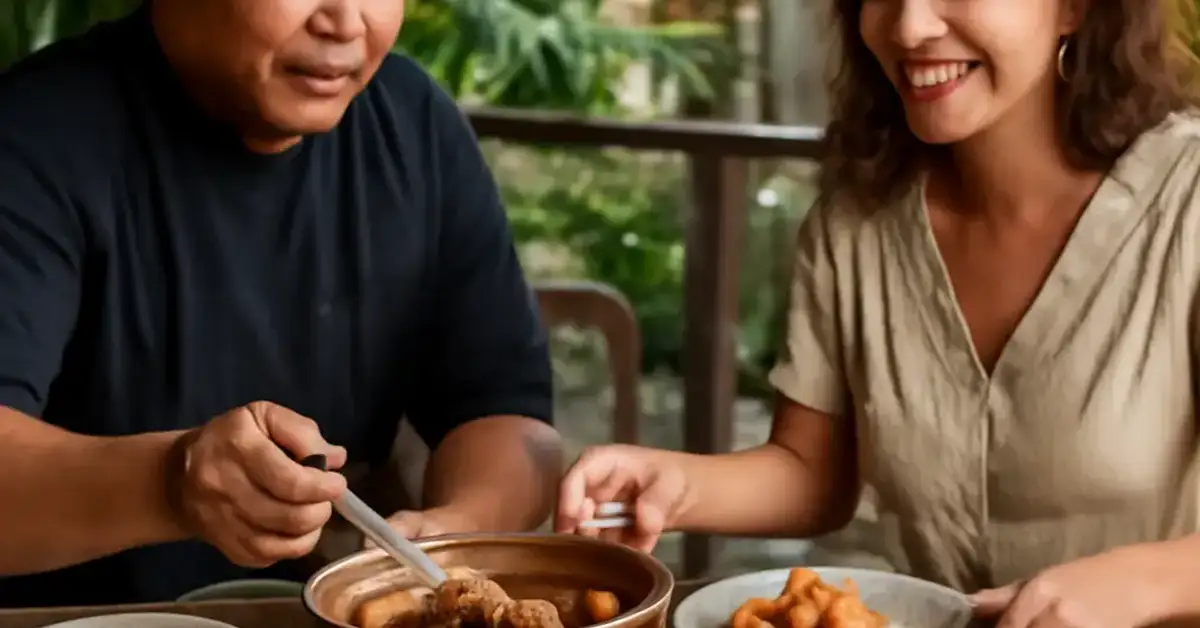
Bali is famous for its relaxed dining Bali culture. Tourists, expats, and locals gather in open-air settings where meals stretch over hours, conversations flow freely, and the pace of life slows down. This ethos mirrors the Filipino tradition of shared meals culture, where every lunch and dinner is an invitation to linger, talk, and reconnect.
Why Atmosphere Matters
In both cultures, food is not merely fuel—it is the centerpiece of community. Social dining Asia traditions emphasize togetherness over speed. In Bali, warungs and villas offer bamboo pavilions and rice terrace views; in the Philippines, kubo-style eateries and seaside kamayan feasts serve the same purpose. The result is a cultural dining experience that values presence over productivity.
Chef Juan Gadi embodies this philosophy at Kilig Filipino Warung, where every plate is designed to be shared and savored. “We don’t rush our guests,” he often says. “We want them to taste the story behind each dish.”
2. Family Style Dining: A Natural Bridge Between Cultures
Family style dining is the backbone of Filipino hospitality. Dishes arrive in communal platters, and everyone reaches for a portion. This tradition aligns perfectly with Bali’s Bali restaurant lifestyle, where group travelers and solo adventurers alike seek meals that encourage interaction. For a related guide, see Filipino Food Traditions: 7 Essential Customs Every Traveler Must Know.
How It Works in Practice
When you order Filipino dishes abroad at a Bali warung, you receive a spread of Adobo, Pancit, Lumpia, and perhaps a whole Lechon belly. These are not single-portion plates but invitations to pass, sample, and discuss. This shared meals culture breaks down barriers: strangers become dining companions, and solo travelers feel part of a larger family.
The same generosity defines Balinese food culture. Think of a traditional megibung ritual, where groups share rice and side dishes from a single tray. The parallels are striking and delicious.
3. Bold Comfort Foods That Match Bali’s Wellness Ethos
Wellness travelers often seek meals that are both nourishing and soulful. Filipino comfort food delivers exactly that. Dishes like Sinigang (sour tamarind soup) and Kare-Kare (oxtail stew in peanut sauce) are rich in vegetables, herbs, and slow-cooked proteins. They satisfy deeply without feeling heavy.
Flavor Profiles That Complement Balinese Cuisine
Both Filipino food traditions and Balinese cooking prioritize aromatics. Lemongrass, ginger, turmeric, and coconut milk appear in both kitchens, though in different combinations. This overlap makes the transition between cuisines feel intuitive for visitors exploring Bali slow travel food.
Meanwhile, hospitality in Filipino cuisine means generous portions and warm service. In Bali’s wellness-oriented environment, where many travelers avoid over-processed food, the emphasis on fresh, from-scratch preparations in Filipino cooking resonates strongly. You can enjoy a bowl of Sinigang after a morning yoga session and feel both grounded and energized.
4. The Multicultural Food Scene: A Home for Filipino Flavors
Bali’s dining landscape is remarkably diverse. From Japanese izakayas to Italian trattorias, the island welcomes global cuisines. Filipino cuisine Bali culture has found a natural niche within this mosaic, especially because Southeast Asian food culture already enjoys a strong presence. Diners familiar with Indonesian, Thai, or Vietnamese fare are primed to appreciate Filipino flavors.
How Tourism Shapes the Menu
Travel food culture in Bali encourages experimentation. Visitors arrive open-minded, often seeking dishes they cannot find at home. For Filipino expats, this means a taste of nostalgia; for international tourists, it is a discovery of new comfort foods. Kilig Filipino Warung, for instance, serves classics like Lechon Kawali and Halo-Halo alongside modern interpretations, drawing both Filipinos and curious food lovers.
This multicultural exchange also influences how dishes are presented. Chef Juan Gadi applies modern technique to traditional recipes, creating plates that fit the aesthetic of Bali’s top restaurants while preserving authentic flavors.
5. Slow Travel Philosophy and the Joy of Unhurried Meals
Bali slow travel food is not a trend but a lifestyle. Visitors come to the island to decompress, and eating plays a central role in that process. Filipino cuisine, with its emphasis on communal feasting and unhurried preparation, aligns with this cultural dining experience perfectly.
A Typical Slow Food Day in Bali
Imagine starting with a breakfast of Champorado (chocolate rice porridge) or Garlic Fried Rice paired with dried fish, then moving into a long, lazy lunch of Pancit and Lumpia shared with new friends at a garden table. Dinner might feature a villa-hosted boodle fight—banana leaves spread across a table, piled with rice, grilled meats, and fresh mangoes, eaten with hands. Every pause between bites invites conversation.
This is not a rushed food court experience. It is social dining Asia at its finest, and it explains why Bali restaurant lifestyle has embraced Filipino food with open arms.
Comparing Filipino and Balinese Hospitality Traditions
Both cultures elevate hospitality to an art form. In the Philippines, the concept of “malasakit” (empathetic service) means anticipating a guest’s needs before they are spoken. In Bali, “manyama” (a spirit of joyful giving) guides how hosts welcome strangers. These values converge at the dining table.
Key Similarities at a Glance
| Aspect | Filipino Tradition | Balinese Tradition |
|---|---|---|
| Serving Style | Family-style, shared platters | Family-style, shared platters |
| Core Ingredient | Rice, vinegar, soy sauce | Rice, coconut, spices |
| Meal Duration | Unhurried, hours-long | Unhurried, hours-long |
| Guest Role | Honored, offered the best portions | Honored, offered the best portions |
| Dining Setting | Open-air, communal tables | Open-air, communal tables |
These parallels explain why Filipino food traditions feel familiar to anyone who has experienced Balinese food culture.
Risks and Considerations When Introducing Filipino Cuisine to Bali
While the fit is strong, there are nuances to consider. Some Indonesian palates find Filipino dishes sweeter or more acidic due to the use of vinegar and sugar. Others may miss the bold chile heat common in Balinese sambals. Savvy chefs like Chef Juan Gadi address this by offering condiments like spicy toyomansi (soy sauce with calamansi and chile) so diners can adjust heat to their preference.
Another consideration is ingredient availability. Fresh calamansi, bagoong (shrimp paste), and young jackfruit can be harder to source in Bali than in Manila. However, local substitutes often create exciting variations that respect the original spirit of the dish.
Useful Resources
To deepen your understanding of Filipino cuisine Bali culture, explore these resources:
- Bali Provincial Tourism Office – Official guide to Bali’s dining scene and culinary events.
- Food and Wine – Articles on Southeast Asian food trends, including Filipino and Balinese cuisine comparisons.
Frequently Asked Questions About Why Filipino Cuisine Fits Balis Relaxed Dining Culture
Why does Filipino cuisine fit Bali’s relaxed dining culture?
Filipino cuisine emphasizes communal sharing, bold yet comforting flavors, and unhurried meals, which align perfectly with Bali’s slow-paced, social dining atmosphere. The family style dining approach encourages conversation and connection, mirroring the island’s emphasis on togetherness.
How does Filipino food match Bali’s lifestyle?
Bali’s wellness-oriented lifestyle values fresh, nourishing ingredients and leisurely eating. Filipino comfort foods like Sinigang and Kare-Kare are rich in vegetables and slow-cooked proteins, offering a satisfying yet balanced meal that fits into a mindful day of yoga, surfing, or exploration.
What makes Filipino meals suitable for casual dining?
Most Filipino dishes are served family-style on shared platters, making them ideal for casual settings. There is no rigid course structure; diners simply help themselves, eat with their hands or utensils, and enjoy extended conversations without a formal timeline.
How is Filipino cuisine similar to Indonesian food culture?
Both cuisines rely heavily on rice, aromatic spices, and communal eating. Filipino adobo and Indonesian rendang both use slow cooking to develop deep flavor. The shared philosophy of hospitality and large-format meals creates strong cultural resonance between the two.
Why do travelers enjoy relaxed food experiences in Bali?
Travelers seek a break from fast-paced urban life. Bali’s warungs and open-air restaurants provide a serene environment where meals become experiences. The island’s relaxed dining Bali culture allows visitors to savor each bite while soaking in tropical views.
What are the dining habits in Bali restaurants?
Dining in Bali is often social and unhurried. Groups share multiple dishes, meals last one to two hours, and the setting is typically open-air. Many restaurants encourage a “come as you are” vibe, with no dress code and flexible seating arrangements.
How does family-style eating connect Filipino and Balinese culture?
Both cultures practice family style dining as a way to strengthen social bonds. In the Philippines, kamayan feasts involve eating with hands from banana leaves; in Bali, megibung involves sharing rice and sides from a communal tray. Both rituals foster intimacy and generosity.
What Filipino dishes are best for sharing meals?
Adobo (chicken or pork braised in vinegar and soy), Pancit (stir-fried noodles), Lumpia (spring rolls), Lechon (roasted pig), and Sinigang (sour soup) are top choices. Their large portions and balanced flavors make them perfect for sharing at group tables.
Why is comfort food popular in Bali’s travel scene?
Comfort food satisfies a deep need for emotional well-being, especially among travelers far from home. Filipino dishes like Arroz Caldo (chicken rice porridge) or Halo-Halo (shaved ice dessert) provide familiar, soothing flavors that enhance the overall travel food culture experience.
How do social dining traditions influence food choices?
When dining socially, people gravitate toward shareable, mild-to-medium flavored dishes that appeal to varied palates. Filipino cuisine’s balance of savory, sour, and salty notes makes it universally enjoyable, encouraging more inclusive group meals.
What makes Southeast Asian cuisine ideal for slow travel?
Southeast Asian food culture emphasizes fresh ingredients, bold flavors, and communal presentation. These elements encourage diners to slow down, appreciate each bite, and engage with the stories behind the food, aligning perfectly with the slow travel philosophy.
How do expats in Bali experience Filipino food culture?
Filipino expats often seek out warungs like Kilig Filipino Warung to enjoy familiar tastes of home. For them, eating Adobo or Sinigang in Bali is both nostalgic and culturally affirming. It also introduces Balinese locals and other expats to Filipino dishes abroad.
What role does food play in Bali’s tourism lifestyle?
Food is central to Bali’s tourism identity. Cooking classes, market tours, and long dinners are key activities. Visitors engage with Balinese culture through its cuisine, and the inclusion of Filipino cuisine Bali culture adds depth to the island’s multicultural food scene.
Why is Bali known for relaxed and social eating?
Bali’s climate—warm year-round—supports outdoor dining. Combined with a cultural value placed on community and mindfulness, the island naturally fosters meals that are slow, social, and sensorially rich. This is the essence of relaxed dining Bali.
How does Filipino cuisine enhance cultural dining experiences?
Filipino cuisine brings a unique story of migration, adaptation, and resilience. Every dish—from Chicken Inasal to Bibingka—carries regional histories. Experiencing these dishes in a Balinese setting deepens a traveler’s understanding of both cultures and the connections between them.
Can I find vegetarian Filipino food in Bali?
Yes. Dishes like Pinakbet (vegetable stew), Gising-Gising (green beans in coconut milk), and Lumpiang Sariwa (fresh spring rolls) are naturally vegetarian or vegan. Many warungs in Bali adapt recipes to meet plant-based dietary preferences without compromising flavor.
Does Filipino food use many spices like Indonesian cuisine?
Filipino cuisine uses fewer spices than Indonesian cooking, relying more on simplicity and sour-salty contrasts. However, both cuisines employ garlic, ginger, and coconut milk. The spicing difference actually complements Bali’s food scene by offering a distinct, lighter alternative.
What is the best way to try Filipino food in Bali for the first time?
Start with a sharing platter that includes Adobo, Pancit, and Lumpia. Order a side of rice and a calamansi juice. Eat slowly, taste each component, and ask your server for stories behind the dishes. Warungs like Kilig Filipino Warung offer curated sets perfect for first-timers.
How do I host a Filipino-style dinner in a Bali villa?
Chef Juan Gadi recommends a boodle fight style: lay banana leaves on a long table, pile on steamed rice, grilled meats, mango salad, and fried fish. Provide no utensils—only hands. This interactive format turns dinner into an event and is one of the most memorable cultural dining experiences you can have in Bali.
Is Filipino food spicy like some Balinese dishes?
Traditional Filipino food is generally mild to medium in heat. However, side condiments like siling labuyo (bird’s eye chile) or spicy vinegar are often available. Many chefs in Bali offer a spiced version of Filipino classics to suit local preferences for heat.
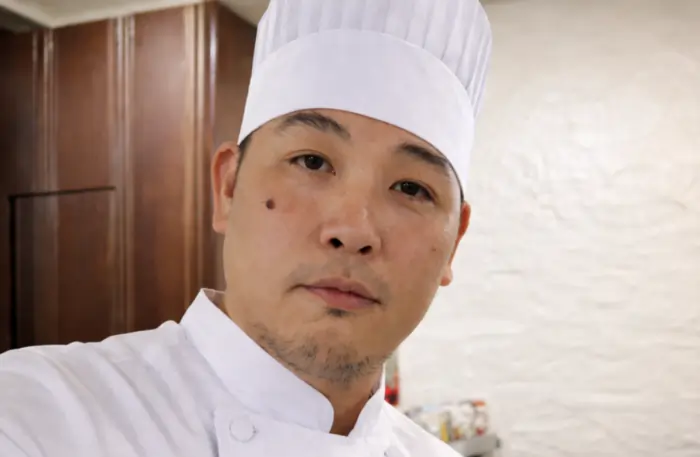
Chef Juan Gadi brings the heart of Filipino hospitality to Ubud, Bali. As an Executive Chef and consultant, he specializes in creating intimate, curated dining experiences that tell a story through every dish. Whether leading the kitchen at Kilig Filipino Warung or hosting a private villa dinner, Chef Juan’s approach is defined by warmth, modern technique, and a commitment to culinary excellence.