
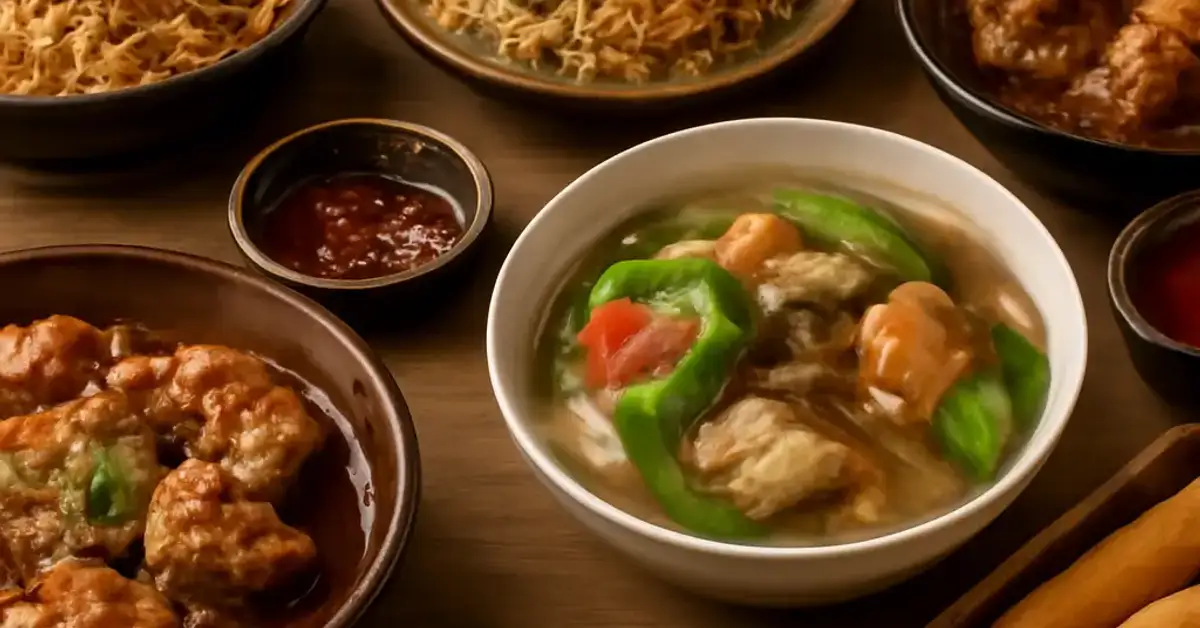
Where Travelers Can Experience Filipino Cuisine in Bali Key Takeaways
Bali offers a surprising yet thriving selection of Filipino dining spots, from dedicated restaurants to community pop-ups and resort collaborations.
- Where Travelers Can Experience Filipino Cuisine in Bali includes dedicated Filipino restaurants Bali like Kusina Manila and Sari-Sari Store by Chef Lia.
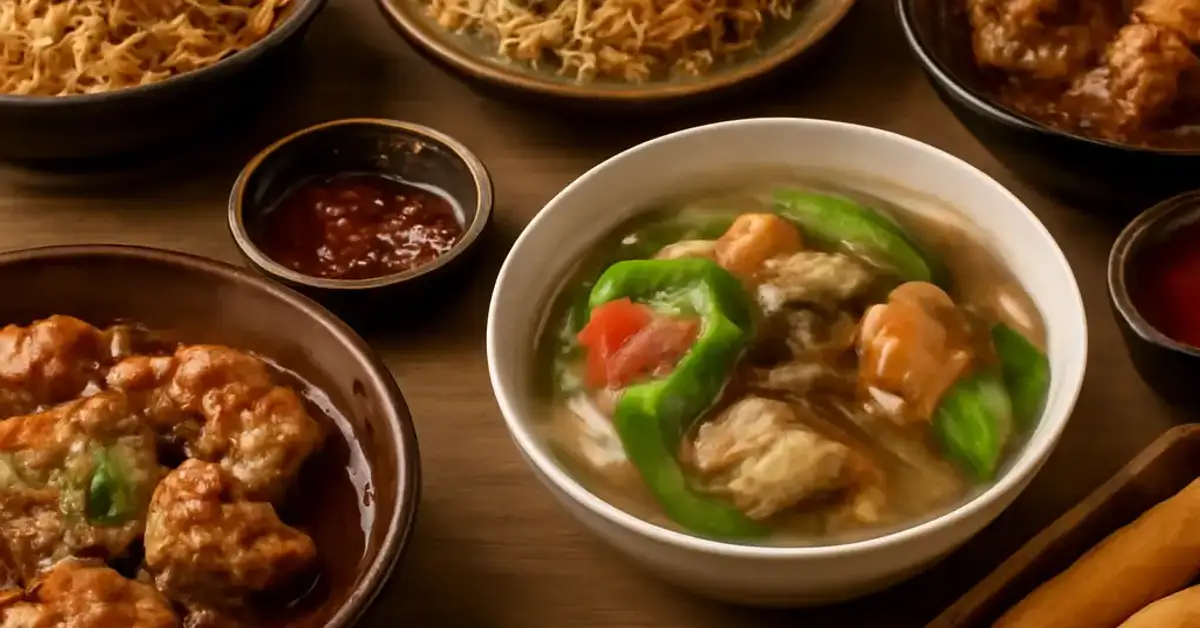
- Popular authentic Filipino dishes served include chicken Adobo, beef Sinigang, Pancit Canton, and crispy Lechon kawali.
- Filipino dining experience in Bali ranges from casual kamayan (hand-eating) feasts to refined tasting menus that pair well with the island’s Bali food guide diversity.
What Travelers Should Know About Where Travelers Can Experience Filipino Cuisine in Bali
The growing interest in Filipino food Bali stems from a confluence of factors: a rising Filipino expatriate community, digital nomads seeking familiar Filipino comfort food, and curious international tourists eager to explore Southeast Asian cuisine beyond the usual Thai and Indonesian offerings. Bali’s food scene is famously eclectic, and Philippine culinary culture—with its bold umami flavors, vinegar-based braises, and family-style sharing—fits right in alongside Balinese and Western restaurants. For a related guide, see Filipino Food Through Regional Flavors: 7 Essential Flavors to Explore.
Most dining options are concentrated in three areas: South Bali (Canggu, Seminyak, and Kuta), Ubud’s cultural heartland, and occasional pop-ups in Sanur and Jimbaran. The Filipino community in Bali is small but tightly networked, often organizing weekend salu-salo (gatherings) where travelers are welcome. Whether you are a food tourism Bali enthusiast or a Filipino craving traditional Filipino meals, this guide helps you find the best spots. For a related guide, see Filipino Food Traditions: 7 Essential Customs Every Traveler Must Know.
Top Filipino Restaurants in Bali: Where to Find Authentic Filipino Dishes
Dedicated Filipino restaurants Bali remain relatively few, but those that exist deliver remarkable authenticity. Below are the most reliable venues as of 2025.
Kusina Manila – Canggu
Tucked along a quiet lane near Echo Beach, Kusina Manila has earned a reputation for serving some of the best Filipino restaurants entries on the island. The menu changes weekly to reflect family recipes from Bulacan and Pampanga. Must-try items include beef Kaldereta, crispy Pata, and fresh Lumpiang Sariwa. Reservations are recommended for Friday and Saturday evenings.
Sari-Sari Store by Chef Lia – Seminyak
Chef Lia Ruiz, a Tagalog-born culinary artist, runs this hybrid deli-diner that stocks hard-to-find Philippine ingredients (bagoong, patis, ube halaya) alongside a hot-food counter. Her sinigang na baboy uses tamarind fruit imported from Mindanao, delivering an authenticity rarely found outside Manila. The space doubles as a community hub for the Filipino community in Bali, hosting monthly kamayan nights.
Barkada Kitchen – Ubud
Located near the Ubud Monkey Forest, Barkada Kitchen offers a cozy garden setting. The owners—a Filipino-Indonesian couple—focus on Filipino comfort food like chicken Adobo, tortang talong, and ginataang gulay. Vegan options are clearly marked, making it accessible to health-conscious travelers. Their halo-halo dessert, served with fresh coconut gelato, is a refreshing end to any meal.
Lechon Republic – Kuta
As the name implies, Lechon Republic specializes in whole-roasted pig, Cebu-style. The skin is impossibly crisp, the meat tender and larded with lemongrass and garlic. They also serve lechon sisig (chopped crispy pork belly with chili and egg), a modern classic that has become a crowd favorite among food tourism Bali influencers.
Filipino Dishes Commonly Served in Bali
Understanding what to order enhances your Filipino dining experience. The following table summarizes the most common authentic Filipino dishes available in Bali and their key characteristics.
| Dish | Description | Typical Price (IDR) | Available At |
|---|---|---|---|
| Chicken Adobo | Chicken braised in soy sauce, vinegar, garlic, bay leaf, and peppercorns | 55,000 – 80,000 | Kusina Manila, Barkada Kitchen |
| Beef Sinigang | Sour tamarind-based soup with beef shank, kangkong, and radish | 70,000 – 100,000 | Sari-Sari Store by Chef Lia |
| Pancit Canton | Stir-fried egg noodles with vegetables, chicken, and shrimp | 45,000 – 65,000 | Barkada Kitchen |
| Lechon Kawali | Deep-fried pork belly served with liver sauce or vinegar dip | 60,000 – 90,000 | Lechon Republic |
| Sisig | Sizzling chopped pork with onions, chili, and calamansi; topped with egg | 75,000 – 110,000 | Kusina Manila, Lechon Republic |
| Halo-Halo | Shaved ice dessert with sweet beans, leche flan, ube, and ice cream | 35,000 – 50,000 | Barkada Kitchen, Sari-Sari Store |
How Authentic Is Filipino Food in Bali Compared to the Philippines?
Authenticity depends on ingredient sourcing and cooking technique. Most Filipino restaurants Bali import key items such as banana ketchup, bagoong alamang, and Filipino-brand soy sauce directly from Manila or Cebu. Local substitutes—for example, using Indonesian kangkung instead of Chinese water spinach—are common but rarely compromise flavor.
The Filipino dining experience in Bali often mirrors the communal spirit of the Philippines: dishes are served family-style, sharing is encouraged, and the kamayan (eating with one’s hands) tradition is honored at special events. Chef Lia at Sari-Sari Store even teaches a half-day workshop on cooking sinigang and adobo, ensuring techniques remain accurate.
Filipino Cuisine Bali vs. Balinese Food: Key Differences
International travelers sometimes ask how Filipino cuisine in Bali compares with local Balinese fare. Both use coconut, rice, and tropical vegetables, but the flavor profiles diverge significantly. Balinese food relies on base spices (basa genep) and burns bright with chili and turmeric. Filipino cuisine favors sourness (vinegar, tamarind, calamansi) and saltiness (patis, bagoong).
Meal structure also differs. Balinese dishes are plated individually, while Filipino meals are shared. For travelers seeking Filipino comfort food, the warming nature of sinigang or the fatty crunch of lechon offers a comforting contrast to the spicier Balinese curries.
Dining Tips for First-Time Visitors to Filipino Restaurants in Bali
If you are new to Filipino food Bali, here are practical tips to maximize your experience.
What to Order First
Start with something familiar. Chicken Adobo is the safest entry point: savory, tangy, and universally appealing. Pair it with steamed jasmine rice (kanin) and a side of achara (pickled papaya). For a soup course, order Sinigang—its sourness cleanses the palate between rich dishes.
Embrace the Kamayan Tradition
Many Filipino restaurants Bali host kamayan feasts on weekends. Food is spread on banana leaves, and diners eat using only their right hand. It is messy, joyful, and deeply social. Remember to wash your hands before and after—the restaurant will provide a basin of warm water with calamansi.
Reserve Ahead for Popular Spots
Because venues like Kusina Manila and Sari-Sari Store are small (seating 20–30 guests), weekend dinners fill up quickly. Call or DM via Instagram at least two days in advance. Weekday lunches are usually walk-in friendly.
Why Filipino Cuisine Is Gaining Popularity Among Travelers in Bali
Filipino cuisine in Bali appeals to a diverse audience. For the Filipino community in Bali—estimated at around 8,000 residents—it offers nostalgia and cultural connection. For digital nomads and Bali travel food guide readers, it represents an under-explored branch of Southeast Asian cuisine that rewards curiosity. The dishes are photogenic, affordable, and built for sharing, which aligns perfectly with Bali’s social dining culture.
Additionally, Philippine culinary culture has been gaining global recognition through chef collaborations, pop-up events, and food festival appearances in Bali. In 2024, the Ubud Food Festival featured a Filipino night that sold out within hours. This momentum suggests that food tourism Bali will continue to embrace Filipino specialties as part of its rich gastronomic landscape.
Useful Resources
For the latest schedule of kamayan feasts and pop-up dinners, check Bali Dining Guide for weekly event listings. To learn more about traditional Filipino dishes and home cooking techniques, visit Bring Me Food Manila’s Filipino Cuisine Guide.
Frequently Asked Questions About Where Travelers Can Experience Filipino Cuisine in Bali
Where can travelers experience Filipino cuisine in Bali ?
Travelers can visit dedicated Filipino restaurants Bali such as Kusina Manila in Canggu, Sari-Sari Store by Chef Lia in Seminyak, Barkada Kitchen in Ubud, and Lechon Republic in Kuta. Occasional pop-ups and resort collaborations also serve Filipino food Bali.
Are there Filipino restaurants in Bali?
Yes, there are several Filipino restaurants Bali featuring authentic Filipino dishes. The most well-known include Kusina Manila, Sari-Sari Store by Chef Lia, and Barkada Kitchen.
What are the best places to try Filipino food in Bali?
The best Filipino restaurants include Kusina Manila (Canggu) for Kaldereta, Sari-Sari Store (Seminyak) for Sinigang, and Lechon Republic (Kuta) for Lechon kawali and sisig.
Why do travelers look for Filipino cuisine while visiting Bali?
Many travelers seek Filipino comfort food for its sour-savory profiles, family-style servings, and nostalgic value. Food tourism Bali enthusiasts value it as an authentic Southeast Asian cuisine.
Which Filipino dishes are commonly served in Bali?
Common traditional Filipino meals include Chicken Adobo, Beef Sinigang, Pancit Canton, Lechon Kawali, Sisig, and Halo-Halo. Many Filipino restaurants Bali also offer rotating specials.
How authentic is Filipino food in Bali restaurants?
Authenticity is high. Chefs import key ingredients from the Philippines and follow traditional methods. Some substitutions (e.g., local kangkong) occur but do not detract from the Filipino dining experience.
What areas in Bali have Filipino dining options?
Filipino cuisine in Bali is mainly found in Canggu, Seminyak, Ubud, and Kuta. Sanur and Jimbaran occasionally host pop-up events organized by the Filipino community in Bali.
Can tourists find traditional Filipino meals in Bali?
Yes. Dedicated Filipino restaurants Bali serve traditional Filipino meals such as Bulalo, Kare-Kare, and Bicol Express, especially during weekend specials or pre-ordered feasts.
What makes Filipino cuisine appealing to international travelers?
Its bold, comforting flavors—sour, salty, and savory—provide a unique alternative in Southeast Asian cuisine. The shared Filipino dining experience also appeals to groups.
Are there Filipino food communities in Bali?
Yes. The Filipino community in Bali hosts regular salu-salo gatherings, kamayan nights, and cooking workshops. Facebook groups like “Pinoy in Bali” post updates about events.
What should first-time visitors order at a Filipino restaurant?
First-timers should order Chicken Adobo and a bowl of rice. For a second dish, try Pancit Canton or the soup-based Beef Sinigang. End with Halo-Halo for dessert.
How does Filipino cuisine compare with Balinese food?
Filipino cuisine uses vinegar, tamarind, and calamansi for sour notes, while Balinese food emphasizes chili and spice blends. Both use coconut and rice but differ in serving style.
What Filipino comfort foods are available in Bali?
Top Filipino comfort food choices include Arroz Caldo, Lugaw, Chicken Sopas, and Tapsilog. These are often available at Barkada Kitchen and Sari-Sari Store.
Why is Filipino food gaining popularity among travelers?
Increased awareness through Bali travel food guide articles, chef collaborations, and social media has spotlighted Philippine culinary culture. Its affordability and shareability also appeal to travelers.
What dining experiences can tourists expect from Filipino restaurants in Bali?
Expect Filipino dining experience features such as kamayan, family-style service, and warm hospitality. Some venues host live acoustic music, cooking demos, and themed nights.
Do Filipino restaurants in Bali offer vegetarian or vegan options?
Yes. Dishes like Ginataang Gulay, Tortang Talong, and Lumpiang Sariwa are naturally vegetarian. Many Filipino restaurants Bali mark vegan choices on menus.
How expensive is Filipino food in Bali compared to other cuisines?
Average prices range from 45,000 to 100,000 IDR per dish. This is comparable to mid-range Indonesian restaurants and slightly more affordable than Western options.
Can I order Filipino food for delivery in Bali?
Several Filipino restaurants Bali partner with GoFood and GrabFood. Kusina Manila and Sari-Sari Store offer delivery within Canggu and Seminyak zones.
Are there Filipino grocery stores in Bali?
Sari-Sari Store by Chef Lia functions as a mini-mart selling bagoong, calamansi concentrate, ube powder, and Filipino sausages. Some items are also found in specialty shops in Kuta.
What is the best time to visit Filipino restaurants in Bali?
Weekday lunches are quieter and often cheaper. Weekend dinners—especially kamayan feasts—require reservations but offer the full Filipino dining experience with the Filipino community in Bali.
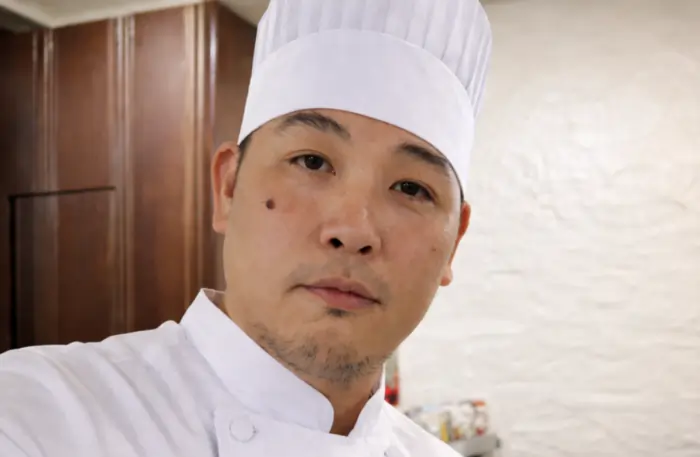
Chef Juan Gadi brings the heart of Filipino hospitality to Ubud, Bali. As an Executive Chef and consultant, he specializes in creating intimate, curated dining experiences that tell a story through every dish. Whether leading the kitchen at Kilig Filipino Warung or hosting a private villa dinner, Chef Juan’s approach is defined by warmth, modern technique, and a commitment to culinary excellence.