Filipino Food Reflects Family and Celebration Key Takeaways
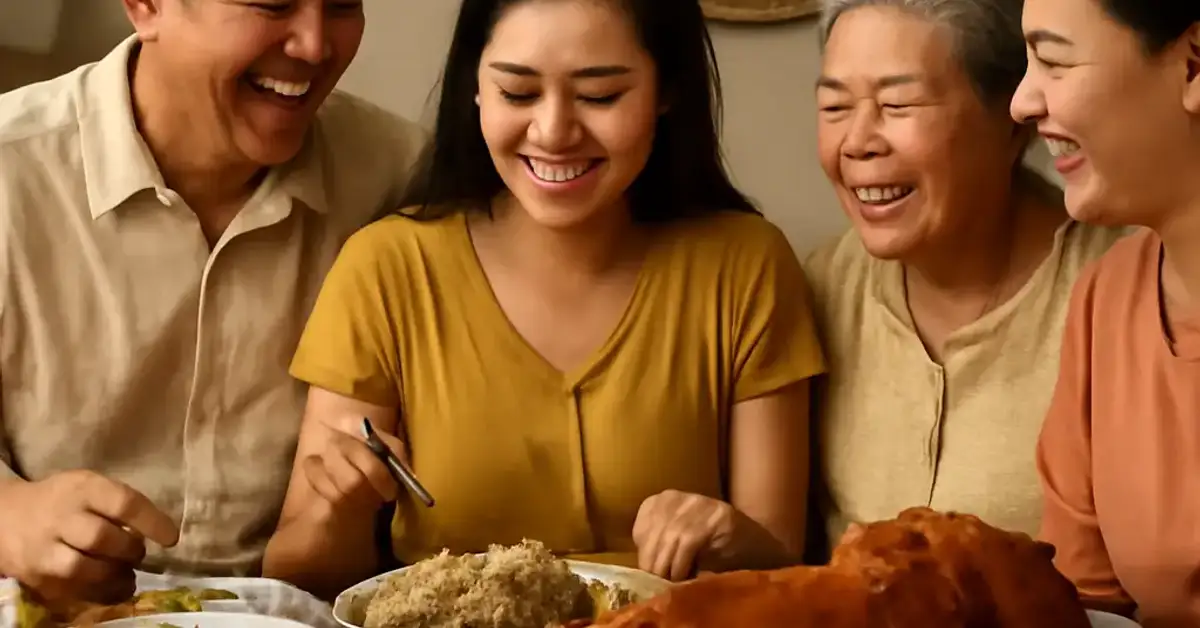
The heart of every Filipino gathering beats around a table spread with dishes that tell stories of love, sacrifice, and joy.
- Filipino food reflects family and celebration by transforming everyday meals into expressions of hospitality and gratitude .
- Shared meals build family bonds and create lasting memories , preserving traditions across generations.
- Regional customs and local specialties deepen the meaning of celebrations, reinforcing identity and community spirit.
How Does Filipino Food Reflect Family and Celebration?
I still remember the first time I truly understood what food meant to my family. It was during a stormy night in my grandmother’s nipa hut in Pampanga. We had no electricity, but she lit candles and placed a massive tray of pancit in the center of the table. My cousins, aunts, and uncles huddled together, sharing stories and laughter as the rain poured. That moment taught me that Filipino food reflects family and celebration because it is never just about the ingredients. It is about the hands that prepared them, the stories exchanged, and the joy of simply being together.
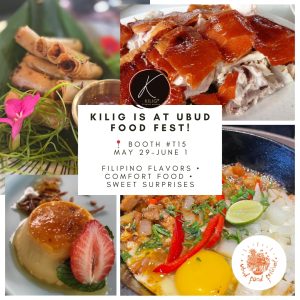
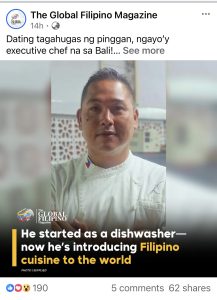
As an Executive Chef and consultant in Ubud, Bali, I carry that spirit into every curated dining experience I create. Whether leading the kitchen at Kilig Filipino Warung or hosting a private villa dinner, I see how the same warmth that filled my grandmother’s table translates to modern tables around the world. The overview of how Filipino food reflects family and celebration by exploring the deep connection between shared meals, cultural traditions, and social gatherings throughout the Philippines reveals a culture where food is the ultimate expression of love. For a related guide, see 6 Filipino Meals Perfect for Private Villa Gatherings.
What Role Does Food Play in Filipino Culture?
Food in the Philippines is the centerpiece of every important occasion. It is a symbol of unity, hospitality, and gratitude during birthdays, fiestas, holidays, reunions, and other important occasions. When a Filipino family celebrates, they do not just set the table. They create a feast. This tradition is rooted in the concept of pakikisama — the value of getting along and sharing with others. Food becomes the medium through which relationships are nurtured and communities are built.
Filipino family traditions revolve around cooking and eating together. Grandmothers teach grandchildren secret recipes for adobo or sinigang. Fathers grill meat for parties while mothers prepare the dipping sauces. These moments strengthen food and togetherness in ways that no store-bought meal can replicate. It is why Filipino dining culture emphasizes sharing: food is passed around, laughter is shared, and everyone is welcome.
Why Is Food Important in Filipino Family Gatherings?
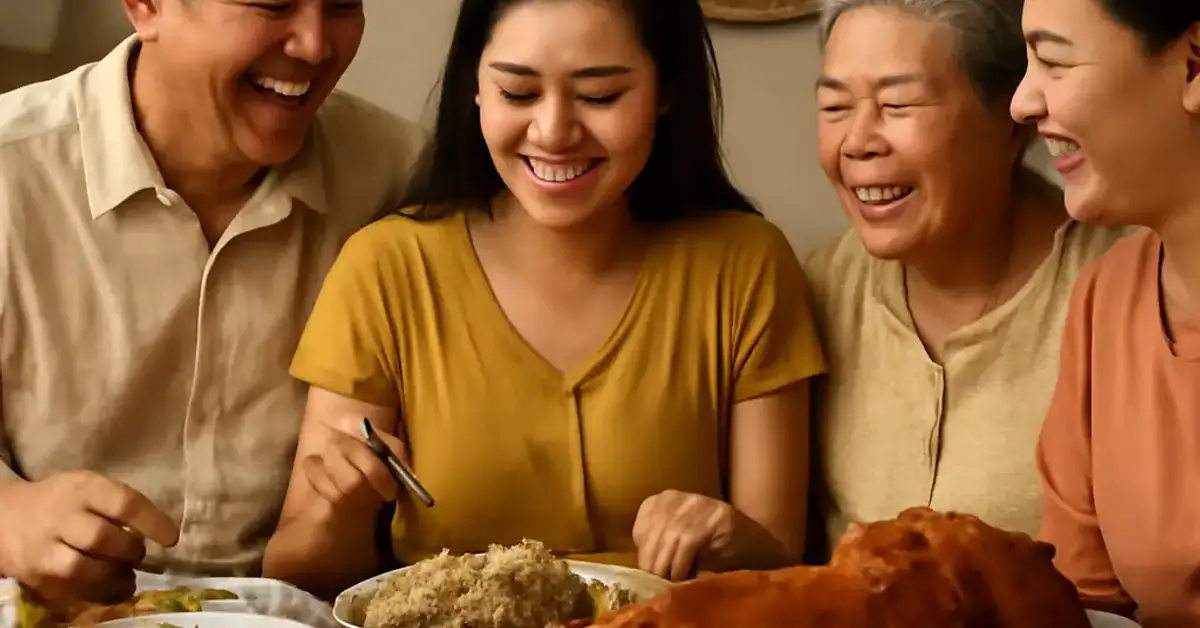
At every family gatherings Philippines event, food serves as the magnetic force that pulls everyone together. The deep connection between shared meals and emotional bonding is undeniable. When you sit down to a meal of lechon, pancit, adobo, and lumpia, you are not just eating. You are participating in a ritual that reaffirms your place in the family. Filipino hospitality dictates that no guest leaves hungry, and abundance on the table is a sign of respect and generosity.
Traditional Filipino Dishes That Define Celebrations
When discussing how Filipino celebrations revolve around shared meals, certain dishes immediately come to mind. These traditional Filipino dishes are more than just recipes — they are cultural artifacts that hold deep meaning.
Lechon: The King of Fiesta Tables
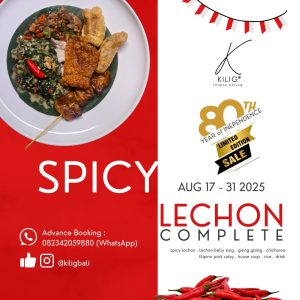
No fiesta food Philippines spread is complete without lechon. This whole roasted pig, with its crispy golden skin and tender meat, symbolizes abundance and festivity. The lechon celebration is a sensory experience: the crackling sound as the skin is broken, the smoky aroma, and the collective “ooohs” from the crowd. Families often pool resources to purchase lechon for a fiesta, making it a true communal effort. It exemplifies how Filipino food reflects family and celebration through shared sacrifice and shared joy.
Pancit: Noodles for Long Life
Pancit traditions are deeply ingrained in Filipino culture. Pancit, especially pancit bihon or pancit canton, is served at birthdays to symbolize long life. The long noodles must be eaten without being cut — a superstition that children love and adults respect. This dish embodies the way Filipino celebration food carries hopes and blessings for the celebrant. Every strand of pancit is a wish for health and longevity.
Adobo and Lumpia: Everyday Staples, Celebrated Always
Adobo, the unofficial national dish, is a staple at every family gathering. Its savory, tangy, and garlicky profile comforts the soul. Lumpia, the crispy spring rolls, are the ultimate finger food, disappearing from platters within minutes. Both dishes represent how communal dining works in Filipino culture — dishes that are easy to share, easy to love, and always present when families unite. For a related guide, see 10 Filipino and Balinese Food Similarities Explained.
How Do Filipino Celebrations Revolve Around Shared Meals?
Filipino celebrations — whether it’s a baptism, a birthday, a town fiesta, or Christmas — all revolve around the table. The social gatherings aspect is critical. When families and friends gather, the food spread is lavish and intentional. Filipino holiday meals like Noche Buena (Christmas Eve dinner) or Media Noche (New Year’s Eve) are particularly iconic. These meals feature numerous dishes: hamon, queso de bola, fruit salad, and an assortment of native sweets. The abundance reflects the belief that a full table attracts good fortune.
Why do Filipinos value communal dining? The answer lies in the concept of bayanihan — the spirit of communal unity and cooperation. Eating together is an act of solidarity. When you share a meal, you share your resources, your time, and your heart. This is why large food spreads at Filipino events are common: they signal that no one is excluded, and everyone matters.
How Does Food Strengthen Family Relationships in the Philippines?
Food strengthens family relationships by creating shared experiences. When a family gathers to cook and then eat together, they create a space for conversation, storytelling, and connection. These moments build family bonds that withstand time and distance. Even when families are separated by migration or geography, food becomes a powerful reminder of home. A bowl of sinigang or a plate of adobo can instantly transport a Filipino abroad back to their mother’s kitchen.
Filipino family values such as respect for elders, gratitude, and generosity are all expressed through food. The youngest family member is taught to serve the elders first. Leftovers are given to neighbors. These small acts reinforce the collective nature of Filipino food culture.
How Does Filipino Cuisine Express Hospitality and Generosity?
When a guest arrives at a Filipino home, the first question is often, “Have you eaten?” This simple inquiry is a profound expression of Filipino hospitality. The host will immediately prepare a meal or offer whatever is available. The generosity in Filipino cuisine is visible in the amount of food served — it is always more than enough. This reflection of Filipino cultural heritage shows that caring for others begins at the table.
What Makes Filipino Family Meals Unique?
Filipino family meals are unique because they are inherently communal. Dishes are served family-style, often at the center of the table, and everyone eats together using spoons and forks or sometimes their hands (known as kamayan). The communal dining experience breaks down barriers and invites intimacy. There are no formal courses; instead, all dishes are brought out simultaneously, encouraging everyone to try a bit of everything. This style of eating promotes conversation and connection.
How Do Regional Traditions Shape Celebration Foods?
The Philippines is an archipelago with over 7,000 islands, and each region has its own regional customs and local specialties that add meaning and identity to celebrations. In the Ilocos region, bagnet and pinakbet are staples. In the Visayas, lechon is revered differently, often stuffed with lemongrass and spices. In Mindanao, dishes like piaparan and tiyula itum reflect the influence of Muslim and indigenous cultures.
These regional customs ensure that Filipino celebration food is never monotonous. A fiesta in Batangas features lomi and bulalo, while a fiesta in Pampanga highlights sisig and bringhe. This diversity enriches the overall Filipino food culture and provides endless opportunities for culinary discovery.
Holidays That Influence Filipino Dining Traditions
Major holidays shape Filipino holiday meals and dining traditions. Christmas is celebrated with a grand Noche Buena feast. Holy Week brings about indulgence in suman and cua pao. All Saints’ Day families pack meals to share at cemeteries. New Year’s Eve features 12 round fruits and pancit for prosperity. Each holiday reinforces how holidays influence Filipino dining traditions by connecting faith, family, and food.
Why Do Filipinos Associate Food with Togetherness?
The association between food and togetherness is deeply rooted in the Filipino psyche. From childhood, Filipinos learn that food is a source of comfort and connection. Family dinners are sacred; eating together is a way to check in on each other. Food and togetherness are intertwined because every celebration, no matter how big or small, is accompanied by something delicious. The joy of bringing people together through food is a defining trait of the Filipino identity.
How Does Sharing Food Preserve Filipino Cultural Heritage?
Sharing food is one of the most powerful ways to preserve Filipino cultural heritage. Recipes are passed down orally, often unwritten, from grandmother to mother to daughter (and increasingly, to sons and grandchildren). When a family shares a meal, they are sharing history. The flavors and techniques that define traditional Filipino dishes are kept alive through this communal act. How sharing food preserves Filipino cultural heritage is evident in the way diaspora families continue to cook these dishes abroad, maintaining their connection to the homeland.
Creating Lasting Memories Through Food
Every bite of a family dish carries a memory. The crunch of lumpia at your grandmother’s 80th birthday, the rich soup of bulalo during a rainy weekend reunion, the sweetness of leche flan at a wedding — these moments become part of a family’s story. Filipino food reflects family and celebration because it creates lasting memories that are shared across generations.
Practical Tips: How to Bring Filipino Celebration Food to Your Table
Whether you are a home cook or a hospitality professional, you can incorporate the spirit of Filipino food into your own gatherings.
Start with a Kamayan Feast
A kamayan (eating with hands) feast is the ultimate communal dining experience. Spread banana leaves on a table, pile grilled seafood, fried chicken, rice, and fresh vegetables in the center, and invite everyone to dig in. This breaks the ice and makes the meal feel like a celebration.
Learn Three Signature Dishes
Mastering adobo, pancit, and lechon (or a lechon-inspired roasted pork belly) will give you a solid foundation. These dishes are versatile and can be adapted to local ingredients. They represent the heart of Filipino celebration food.
Embrace Abundance
Do not be afraid to offer more food than necessary. A generous spread is a sign of Filipino hospitality and makes guests feel welcomed and cared for.
Useful Resources
For further exploration of Filipino food culture and its deep connection to family, these resources offer excellent insights:
- Why Filipino Food is Central to Family and Festivals – Pepper.ph – A detailed look at the cultural traditions behind Filipino food.
- Understanding Filipino Food Culture through the Lens of Family – Smithsonian Asian Pacific American Center – Scholarly perspectives on how food shapes identity and community.
Frequently Asked Questions About Filipino Food Reflects Family and Celebration
How does Filipino food reflect family and celebration ?
Filipino food reflects family and celebration through its central role in gatherings. Shared meals like lechon and pancit symbolize unity, hospitality, and gratitude, making every occasion meaningful.
Why is food important in Filipino family gatherings ?
Food acts as the centerpiece of family gatherings Philippines, bringing people together to bond, share stories, and create lasting memories. It expresses love and generosity.
What role does food play in Filipino culture ?
Food is central to Filipino culture, serving as a symbol of unity, hospitality, and gratitude. It is present in every milestone, fiesta, and holiday, reflecting the community-oriented values of the people.
How do Filipino celebrations revolve around shared meals ?
Filipino celebrations always feature abundant communal dining. From birthdays to fiestas, meals are designed to be shared, encouraging conversation and togetherness among guests.
What dishes are commonly served during Filipino festivities ?
Common Filipino celebration food includes lechon, pancit, adobo, lumpia, kare-kare, sinigang, and various desserts like leche flan and ube halaya. These dishes are family favorites.
Why do Filipinos value communal dining ?
Filipinos value communal dining because it reinforces the spirit of bayanihan (community unity). Eating together promotes equality, strengthens bonds, and ensures no one is left out.
How does food strengthen family relationships in the Philippines ?
Food strengthens family relationships in the Philippines by creating shared experiences. Cooking and eating together build trust, communication, and a sense of belonging, reinforcing Filipino family values.
What traditional foods are associated with Filipino celebrations ?
Traditional Filipino dishes like lechon, pancit, adobo, lumpia, puto, and bibingka are associated with celebrations. Each dish holds symbolic meaning, such as long life for pancit and abundance for lechon.
How do holidays influence Filipino dining traditions?
Holidays shape Filipino holiday meals by dictating specific foods. Christmas features ham and queso de bola; New Year’s highlights circular fruits for prosperity; Holy Week centers on fish and vegetables.
Why are large food spreads common at Filipino events ?
Large food spreads at Filipino events symbolize generosity and Filipino hospitality. They ensure guests feel welcomed and valued, reflecting the cultural value of offering more than enough.
How does Filipino cuisine express hospitality and generosity ?
Filipino cuisine expresses hospitality through abundant servings and welcoming attitudes. Guests are always encouraged to eat and take food home, demonstrating Filipino hospitality and care.
What makes Filipino family meals unique ?
Filipino family meals are unique because they emphasize communal dining. Dishes are served family-style, encouraging everyone to share and sample from the same platters, fostering closeness and conversation.
How do regional traditions shape celebration foods ?
Regional customs bring variety to Filipino celebration food. Ilocano fiestas feature bagnet; Pampanga offers sisig; Cebu is famous for lechon. These local specialties add pride and identity to festivities.
Why do Filipinos associate food with togetherness ?
Food is associated with togetherness because it is the center of family gatherings. The act of sharing a meal symbolizes unity and love, making food and togetherness inseparable in Filipino culture.
How does sharing food preserve Filipino cultural heritage ?
Sharing food preserves Filipino cultural heritage by passing down recipes, cooking techniques, and traditions orally. Each shared meal becomes a lesson in history and identity.
What is the significance of lechon in Filipino celebrations?
Lechon celebration signifies abundance and festivity. It is the centerpiece of many fiestas, and its preparation involves the entire community, showcasing unity and generosity.
Why is pancit always served at Filipino birthdays ?
Pancit traditions at birthdays symbolize long life. The long noodles, eaten without cutting, represent a wish for a lengthy, healthy life for the celebrant.
How do Filipino families show gratitude through food?
Filipino families show gratitude by preparing elaborate meals for gatherings and offering the best portions to elders and guests. This practice reflects Filipino family values of respect and gratitude.
Can tourists experience Filipino food traditions in Bali?
Absolutely. At Kilig Filipino Warung in Ubud, Chef Juan Gadi offers authentic Filipino celebration food in a warm, communal setting. Private villa dinners also recreate the family-style dining experience for travelers. For a related guide, see Best Filipino Dishes to Try at Kilig Bali.
What is the best way to learn about Filipino food culture ?
The best way is to dine with a Filipino family or attend a fiesta. If that is not possible, visit restaurants like Kilig Filipino Warung or follow culinary experts like Chef Juan Gadi who specialize in Filipino food culture.
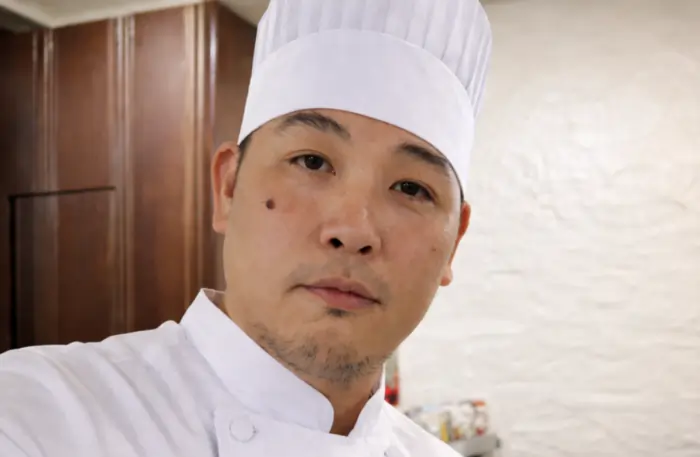
Chef Juan Gadi brings the heart of Filipino hospitality to Ubud, Bali. As an Executive Chef and consultant, he specializes in creating intimate, curated dining experiences that tell a story through every dish. Whether leading the kitchen at Kilig Filipino Warung or hosting a private villa dinner, Chef Juan’s approach is defined by warmth, modern technique, and a commitment to culinary excellence.