
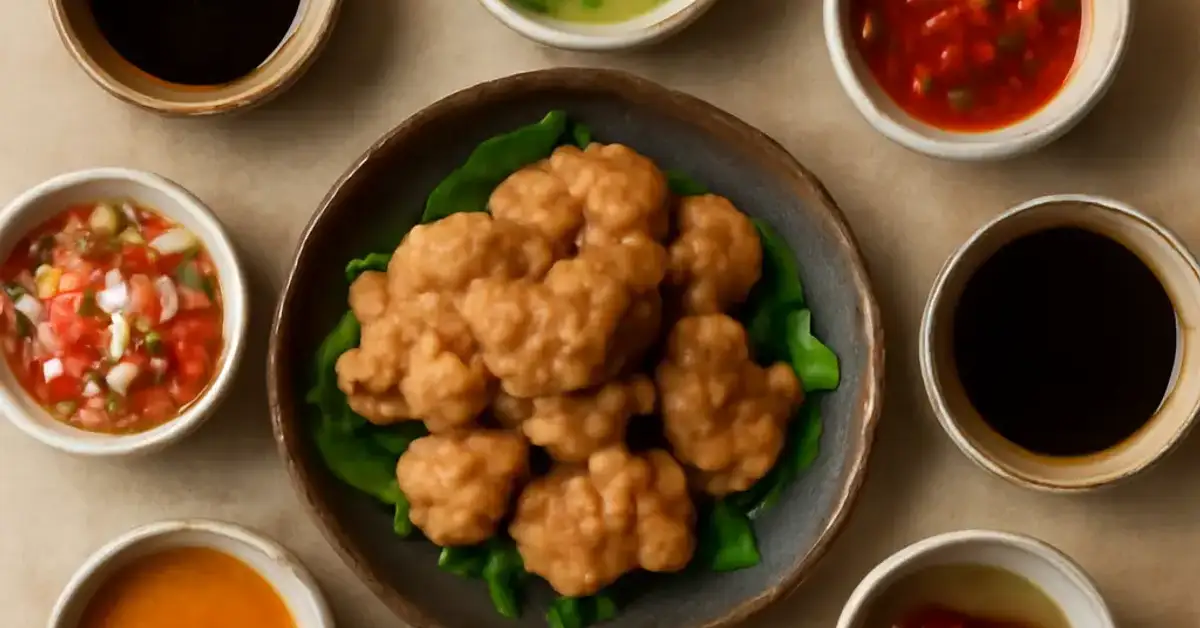
Simple Guide to Filipino Sauces and Condiments Key Takeaways
As an Executive Chef who brings the warmth of Filipino hospitality to Ubud, Bali, I have seen how a perfectly balanced dipping sauce can elevate a simple meal into a celebration.
- Understand the essential components of Filipino sauces like soy sauce, vinegar, calamansi, and chili.
- Discover how Filipino condiments such as toyomansi and spiced vinegar add depth and balance to grilled meats, seafood, noodles, and rice.
- Learn the role of sawsawan Philippines traditions in allowing diners to customize each bite according to personal taste.
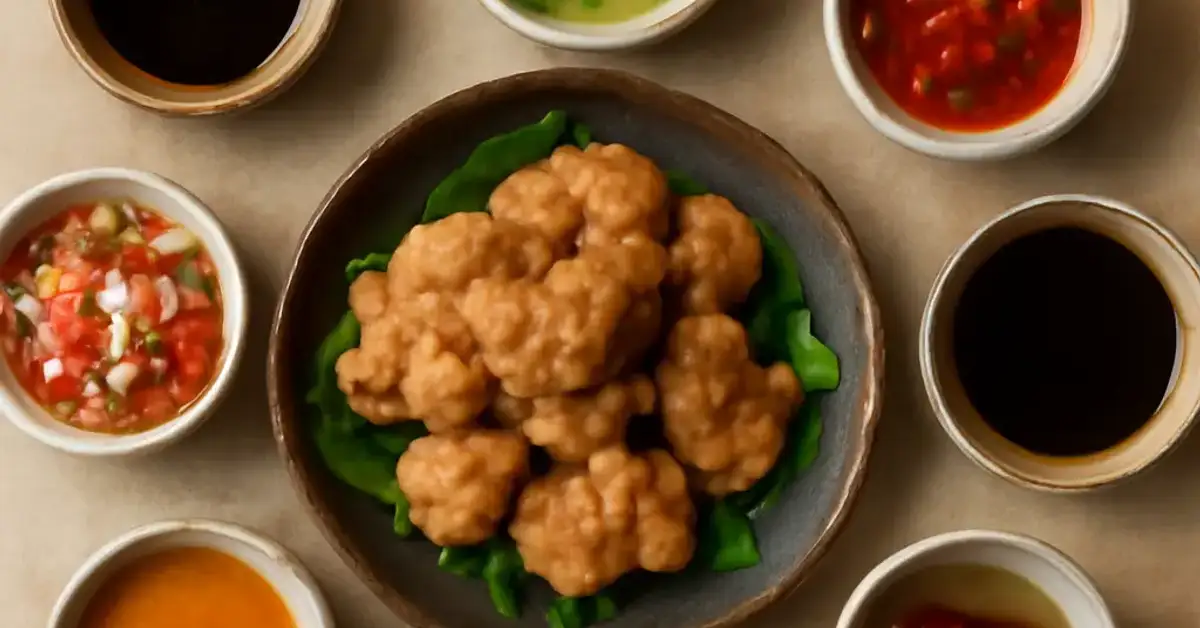
What Readers Should Know About This Simple Guide to Filipino Sauces and Condiments
As an Executive Chef who brings the warmth of Filipino hospitality to Ubud, Bali, I have seen how a perfectly balanced dipping sauce can elevate a simple meal into a celebration. Filipino sauces are not afterthoughts—they are integral to the experience of eating. Whether you are a traveler exploring the streets of Manila or a home cook recreating family recipes abroad, understanding these condiments opens the door to authentic Filipino flavors. For a related guide, see 10 Filipino Family Food Traditions Seen in Bali.
This simple guide to Filipino sauces and condiments walks you through the foundational ingredients, the most popular dipping sauces, and the cultural traditions that make Filipino food so distinctive. By the end, you will know exactly what to reach for and why.
What Are the Most Common Filipino Sauces and Condiments?
At the heart of every Filipino kitchen is a collection of bottles and bowls that make up the sawsawan Philippines repertoire. The most common Filipino sauces include soy sauce, cane vinegar, fish sauce, calamansi juice, and chili. These basic ingredients are combined to create endless variations of Filipino dipping sauces.
Filipino seasonings rely on a balance of salty, sour, sweet, and spicy elements. The beauty of traditional Filipino cuisine is that these condiments are rarely fixed—they are mixed at the table according to individual preference.
Staple Ingredients in Filipino Sauces
Every Filipino condiment starts with a few key components:
- Soy sauce Filipino cooking uses is typically a local brand like Silver Swan or Datu Puti, which has a slightly saltier and less sweet profile than Japanese soy sauce.
- Fish sauce Philippines kitchens rely on, called patis, adds a deep umami note.
- Calamansi sauce is made from the small, sour citrus fruit that is indispensable in Filipino cooking.
- Vinegar condiments such as cane vinegar and coconut vinegar provide acidity without being harsh.
- Spicy vinegar Philippines enthusiasts reach for, known as sinamak, is infused with chili, garlic, and ginger.
How Do Sauces Enhance Filipino Dishes?
Filipino food culture is built around the concept of kontra—contrasting flavors that enhance each other. A crispy lechon kawali becomes transcendent when dipped in a spicy vinegar that cuts through the fat. Grilled pork skewers called inihaw na baboy come alive with a side of toyomansi sauce.
Condiments also allow diners to control the intensity of flavors. Some prefer a milder dip, while others load their saucer with chili. This personalization is a hallmark of Filipino dining traditions.
What Is Fish Sauce and How Is It Used in Filipino Cooking?
Fish sauce Philippines producers make, known locally as patis, is a golden-brown liquid extracted from fermented anchovies or other small fish. It has a pungent aroma but adds a salty, savory depth that cannot be replicated.
Patis is used in three main ways:
- As a cooking ingredient—added to sinigang, adobo, and pancit to enhance umami.
- As a dipping sauce base, often mixed with calamansi and chili for grilled fish or fried chicken.
- As a seasoning sprinkled directly over rice and viands at the table.
Why Is Vinegar Important in Filipino Cuisine?
Vinegar condiments play a critical role in Filipino cooking because they not only preserve food in the tropical climate but also brighten rich, oily dishes. Adobo, the unofficial national dish, relies on vinegar as a key ingredient. The acidity balances the soy sauce and tenderizes the meat.
At the table, spicy vinegar Philippines style—often called sinamak or suka maanghang—is a staple. It is made by steeping chili peppers, garlic, and peppercorns in vinegar for at least a day. The result is a pungent, fiery condiment that wakes up the palate.
What Condiments Are Served with Traditional Filipino Foods?
Traditional Filipino meals are rarely served without a small saucer of dip. Common pairings include:
- Toyomansi sauce for grilled meats and spring rolls.
- Calamansi sauce with fish sauce and chili for fried seafood.
- Plain or spiced vinegar for lechon and fried pork.
- Sweet-style banana ketchup for fried chicken and hot dogs.
- Shrimp paste (bagoong) for green mangoes and kare-kare.
How Do Filipinos Use Soy Sauce in Everyday Meals?
Soy sauce Filipino cooking uses is a workhorse ingredient. It is the backbone of adobo and the base of many stir-fries. But beyond cooking, soy sauce Filipino cooking is mixed with calamansi and set on the table as an all-purpose dip for everything from fried rice to omelets.
Families often have their own soy sauce ratio: some prefer more calamansi for acidity, others add sugar for sweetness. This customizability is what makes Filipino sauces so beloved.
What Are the Most Popular Dipping Sauces in the Philippines?
The most iconic Filipino dipping sauces include:
- Toyomansi sauce—a simple blend of soy sauce and calamansi, often with garlic and chili.
- Spicy vinegar Philippines—vinegar infused with chili, garlic, and ginger.
- Calamansi sauce with patis—a tangy, salty companion for fried fish.
- Suka at bawang—vinegar with crushed garlic, perfect for lumpia (spring rolls).
- Sweet chili sauce—a thicker, sweeter option for fried snacks.
How Do Regional Condiments Differ Across the Country?
Filipino condiments vary significantly from one province to another. In the Ilocos region, bagoong (fermented fish paste) is a cornerstone. In the Bicol region, coconut milk and chili dominate their sauces. The Visayas are known for using tuba vinegar made from coconut sap, which has a distinct fruity tang.
Mindanao offers unique Filipino seasonings such as palapa, a spicy condiment made from scallions, ginger, and chili used in Maranao cuisine. These regional specialties reflect local agricultural products and cultural influences.
What Ingredients Are Found in Filipino Sauces?
Most Filipino sauces share a common ingredient pantry: calamansi, soy sauce, vinegar, fish sauce, garlic, ginger, chili, and sugar. Some variations include coconut milk, annatto oil, or roasted peanuts. The simplicity of ingredients is what makes these condiments easy to prepare at home.
Authentic Filipino flavors come from the precise balance of these elements. A good toyomansi should be neither too salty nor too sour. A proper spiced vinegar should have heat that builds slowly, not a sudden burn.
Why Are Condiments Important in Filipino Dining Culture?
In Filipino dining traditions, the communal table is central. A spread of dishes is shared, but each person customizes their plate using sawsawan Philippines style condiments. This practice encourages interaction and personal expression. It also shows hospitality—the host provides a range of dips so everyone can eat according to their preference.
Condiments are also a practical adaptation to the tropical climate. Vinegar-based dips help preserve leftover proteins and add freshness to reheated meals.
How Do Filipino Sauces Balance Sweet, Savory, and Sour Flavors?
The hallmark of traditional Filipino cuisine is its ability to simultaneously hit all flavor notes. A single dipping sauce can contain the saltiness of patis, the acidity of calamansi, the sweetness of sugar, and the heat of chili. This complexity is what makes Filipino food culture so addictive.
Chefs often adjust the ratio of these elements depending on the dish. For fried foods, a more acidic dip is preferred. For grilled meats, a balance of soy sauce and calamansi.
What Sauces Should First-Time Visitors Try?
If you are new to Filipino sauces, start with these three:
- Toyomansi sauce—the gateway condiment that works with nearly everything.
- Spicy vinegar Philippines—for those who enjoy heat and acidity.
- Calamansi sauce with patis—a bright, savory dip that reveals the core of Filipino seasonings.
How Do Homemade Condiments Compare to Store-Bought Versions?
Filipino condiments made at home have a freshness that commercial brands often lack. Homemade toyomansi uses freshly squeezed calamansi and good-quality soy sauce. Store-bought versions may contain preservatives and artificial flavors.
That said, reputable brands like Datu Puti, Marca Piña, and Silver Swan offer consistent quality. For quick meals, they are time-savers. But if you want authentic Filipino flavors, making your own sawsawan brings a depth that no bottle can replicate.
What Role Do Sauces Play in Filipino Food Traditions?
Beyond flavor, Filipino sauces are part of rituals. During fiestas, tables are lined with small bowls of different dips, and guests are encouraged to mix their own. This tradition reflects the Filipino value of communal sharing and individual choice.
In many homes, the recipe for sinamak or toyomansi is passed down through generations. The act of preparing and serving these condiments reinforces family bonds and preserves culinary heritage.
Which Filipino Condiments Best Represent Local Cuisine?
If you had to choose just three to represent the breadth of Filipino food culture, they would be:
- Toyomansi sauce—the quintessential everyday dip.
- Spicy vinegar Philippines—the fiery, acidic companion for rich dishes.
- Fish sauce Philippines (patis)—the umami backbone of so many recipes.
Together, these three embody the salty, sour, and savory heart of traditional Filipino cuisine.
How to Build Your Own Sawsawan Station at Home
Recreating the Filipino dining traditions experience at home is simple. Set out small bowls with the following:
- Soy sauce Filipino cooking uses
- Calamansi halves or bottled calamansi juice
- Fish sauce Philippines style patis
- Chopped garlic, fresh chilies, and sliced onions
- Spicy vinegar Philippines or plain cane vinegar
- Sugar or honey for sweetness
Then let everyone mix their own dip. This interactive approach is at the core of Filipino food culture.
Useful Resources
For more on the science of Filipino cooking, visit Pepper.ph—a trusted source for Filipino recipes and ingredient explanations.
To explore regional Filipino seasonings in depth, check out Market Manila, which offers detailed insights into Philippine food markets and artisanal products.
Chef Juan Gadi brings the heart of Filipino hospitality to Ubud, Bali. As an Executive Chef and consultant, he specializes in creating intimate, curated dining experiences that tell a story through every dish. Whether leading the kitchen at Kilig Filipino Warung or hosting a private villa dinner, Chef Juan’s approach is defined by warmth, modern technique, and a commitment to culinary excellence. For a related guide, see 9 Filipino Flavors That Blend Beautifully With Bali.
Frequently Asked Questions About Simple Guide to Filipino Sauces and Condiments
What are the most common Filipino sauces and condiments?
The most common include toyomansi, spiced vinegar, patis (fish sauce), calamansi, soy sauce, and banana ketchup. These form the base of most Filipino dipping sauces.
How do sauces enhance Filipino dishes?
Sauces add contrast and balance—acidity cuts through fat, saltiness boosts umami, and spice adds excitement. They allow each diner to adjust the flavor profile to their liking.
What is fish sauce and how is it used in Filipino cooking?
Fish sauce, or patis, is a fermented liquid from anchovies. It is used as a cooking seasoning and as a table condiment, often mixed with calamansi for a sour-salty dip.
Why is vinegar important in Filipino cuisine?
Vinegar preserves food in the tropical heat, tenderizes proteins, and provides acidity that balances rich, oily dishes. It is essential in adobo and as a table dip.
What condiments are served with traditional Filipino foods?
Common condiments include toyomansi for grilled meats, spiced vinegar for fried pork, patis with calamansi for fish, and banana ketchup for fried chicken.
How do Filipinos use soy sauce in everyday meals?
Filipinos use soy sauce as a cooking base for adobo and stir-fries, and as a table dip mixed with calamansi and garlic. It is a versatile daily seasoning.
What are the most popular dipping sauces in the Philippines?
The most popular are toyomansi, spiced vinegar, sweet chili sauce, and patis-calamansi dip. Each region has its own variation of these classics.
How do regional condiments differ across the country?
Ilocos uses bagoong, Bicol uses coconut milk and chili, Visayas prefers tuba vinegar, and Mindanao offers palapa. Local ingredients shape each region’s condiments.
What ingredients are found in Filipino sauces ?
Core ingredients include calamansi, soy sauce, vinegar, fish sauce, garlic, ginger, chili, and sugar. Some sauces also use coconut milk, annatto, or peanuts.
Why are condiments important in Filipino dining culture?
Condiments empower diners to personalize their meal, encourage communal sharing, and reflect the Filipino value of hospitality by offering variety at the table.
How do Filipino sauces balance sweet savory and sour flavors?
By combining salty patis or soy sauce with sour calamansi, sweet sugar, and spicy chili. The ratios are adjusted based on the dish being served.
What sauces should first time visitors try?
First-timers should try toyomansi, spiced vinegar, and patis-calamansi dip. These three introduce the core flavor profile of Filipino cuisine.
How do homemade condiments compare to store bought versions?
Homemade condiments are fresher and can be customized. Store-bought versions are convenient but often contain preservatives. Both have their place in a Filipino kitchen.
What role do sauces play in Filipino food traditions?
Sauces are central to the sawsawan tradition—they enable individual flavor adjustments, preserve food, and are often passed down as family recipes during festive meals.
Which Filipino condiments best represent local cuisine?
Toyomansi, spiced vinegar, and patis best represent Filipino cuisine. Together, they capture the salty, sour, and savory essence of traditional cooking.
Is banana ketchup considered a Filipino sauce?
Yes, banana ketchup is a uniquely Filipino sweet condiment made from bananas, sugar, vinegar, and spices. It is commonly used as a dip for fried foods.
Can I make Filipino sauces with ingredients from outside the Philippines?
Yes. Substitute calamansi with lime or lemon, use any good-quality soy sauce, and look for cane vinegar or coconut vinegar at Asian grocery stores.
What is the difference between patis and bagoong?
Patis is the liquid from fermented fish, used as a sauce and seasoning. Bagoong is the fermented fish or shrimp paste itself, often used as a topping or cooking ingredient.
How long does homemade spicy vinegar last?
Stored in a sealed jar in a cool, dark place, homemade spicy vinegar can last up to six months. Refrigeration prolongs its shelf life even further.
Where can I buy authentic Filipino condiments online?
Websites like Pepper.ph and Amazon carry a range of Filipino condiments. Local Asian grocery stores often stock Datu Puti, Marca Piña, and Silver Swan brands.

Chef Juan Gadi brings the heart of Filipino hospitality to Ubud, Bali. As an Executive Chef and consultant, he specializes in creating intimate, curated dining experiences that tell a story through every dish. Whether leading the kitchen at Kilig Filipino Warung or hosting a private villa dinner, Chef Juan’s approach is defined by warmth, modern technique, and a commitment to culinary excellence.