Filipino Food Through Regional Flavors Key Takeaways
Understanding Filipino Food Through Regional Flavors reveals how geography, culture, and local ingredients create distinct culinary identities across Luzon, Visayas, and Mindanao.
- Filipino Food Through Regional Flavors is shaped by three major island groups: Luzon (savory, vinegar-based), Visayas (sweet and sour seafood), and Mindanao (spicy, coconut-rich cuisine).
- Key ingredients like coconut milk, fermented fish (bagoong), and souring agents (tamarind, calamansi) define regional profiles.
- Exploring regional dishes—from Ilocos to Sulu—provides a deeper appreciation of the nation’s culinary diversity and history.
What Readers Should Know About Filipino Food Through Regional Flavors
Filipino cuisine is far more than adobo and lumpia. To truly understand Filipino Food Through Regional Flavors, you must travel through the archipelago’s three major island groups: Luzon, Visayas, and Mindanao. Each region boasts a distinct palate, shaped by centuries of trade, colonization, and indigenous traditions. Whether you are a traveler planning a food tour, a culinary student studying Southeast Asian cuisine, or a home cook seeking authentic recipes, mapping the regional flavors of Filipino cuisine opens a window into the soul of the Philippines. For a related guide, see 7 Filipino Dishes That Match Bali’s Tropical Vibes.
This guide takes you on a journey through seven essential flavor profiles—from the fermented tang of the Ilocos region to the fiery coconut curries of Mindanao. You will discover how geography, local resources, and cultural exchanges create the rich tapestry of understanding Filipino food by region. Let’s begin with the northern highlands and work our way south, tasting the Luzon Visayas Mindanao food differences along the way.
The Northern Highlands: Ilocos and the Cordilleras
In the rugged mountains of Luzon’s Ilocos Region and Cordillera Administrative Region, the climate is cooler and the soil is volcanic. These conditions favor root vegetables, leafy greens, and legumes. Fermentation is a key preservation technique, giving birth to iconic dishes like pinakbet (a vegetable stew) and bagnet (crispy fried pork). The hallmark of Ilocano cuisine is its bold, salty flavor, achieved through heavy use of bagoong (fermented fish or shrimp paste).
Signature Dishes of Ilocos
Pinakbet is a hearty medley of bitter melon, eggplant, okra, and squash, all simmered in bagoong. It is a perfect example of how Filipino Food Through Regional Flavors celebrates resourcefulness—using whatever vegetables are in season. Another standout is dinengdeng, a lighter soup version of pinakbet, often served with grilled fish. For meat lovers, longganisa (Ilocano-style garlic sausage) is a must-try, known for its intense garlic punch and vinegary finish.
Fermentation and Preservation
The Cordilleras, home to the Igorot people, rely on etag (cured pork) and tapuy (rice wine). These techniques reflect the need to store food through long, harsh winters—and they add deep umami layers to the local diet.
Central Luzon: The Rice Granary and Kapampangan Flamboyance
Central Luzon is the country’s agricultural heart, producing vast quantities of rice, sugarcane, and poultry. Pampanga province is widely celebrated as the culinary capital of the Philippines. Here, regional flavors of Filipino cuisine are flamboyant, often blending sweet, sour, and salty in a single dish. Kapampangan cooking is known for using more ingredients than necessary—a style that reflects the region’s historical wealth and trade connections.
Must-Try Central Luzon Dishes
Sisig is the ultimate Kapampangan invention: a sizzling plate of chopped pig’s face, onions, and chili, seasoned with calamansi and mayonnaise. It is crispy, tangy, and addictive. Another classic is kare-kare, a peanut-based oxtail stew served with bagoong. The contrast between the creamy peanut sauce and the salty shrimp paste is a masterclass in balancing flavors.
Influence of Spanish and Chinese Traders
Chinese influences appear in pansit (noodles) and lumpia (spring rolls), while Spanish colonization introduced techniques like braising and adobo. The result is a cuisine that feels both familiar and distinctly Filipino.
Southern Luzon: Bicol’s Coconut-Fueled Spice
Travel south to the Bicol Region, where coconuts grow in abundance and chili peppers are used liberally. The region’s cuisine is characterized by the heavy use of gata (coconut milk) and sili (chili). This creates rich, creamy, and spicy dishes that stand apart from the rest of Luzon.
Bicol’s Iconic Flavors
Bicol Express is arguably the most famous dish: pork simmered in coconut milk, shrimp paste, and a generous amount of long green chili. It is both comforting and fiery. Laing is another must-try—dried taro leaves slow-cooked in coconut milk until they become silky and flavorful. The use of gata not only adds richness but also tempers the heat of the chilies, making every bite a balanced explosion of flavor.
Why Bicolano Food Stands Out
The region’s volcanic soil (from Mayon Volcano) produces exceptionally flavorful coconuts and chilies. For travelers, visiting Bicol offers a chance to taste the most coconut-forward dishes in the Philippines.
Visayas: The Sugary and Sour Core of the Philippines
The Visayan islands—Cebu, Bohol, Iloilo, Negros, and Leyte—are known for their love of sweet and sour profiles. Sugar production is a major industry in Negros Occidental, which explains why many Visayan dishes lean toward sweetness. But there is also a strong sour tradition, using native fruits like batuan and libas.
Cebu: The Lechon Capital
Lechon (suckling pig) is the crown jewel of Cebuano cuisine. It is roasted over charcoal for hours, resulting in incredibly crispy skin and tender, flavorful meat. The local version is seasoned with lemongrass, garlic, and sometimes—a hint of anise. No trip to Cebu is complete without a taste of this legendary dish, often served with puso (rice cooked in woven coconut leaves).
Iloilo: The Foodie Capital of the Visayas
Iloilo City is a culinary destination in its own right. Batchoy is a rich noodle soup made with pork organs, crushed chicharrón, and a savory broth. Meanwhile, Pancit Molo is a delicate wonton soup that showcases Chinese-Filipino fusion at its best. Both dishes highlight the region’s love for savory, comforting flavors.
Seafood Abundance in the Visayas
Coastal areas like Bohol and Leyte feature kinilaw (Filipino ceviche)—raw fish cured in vinegar, calamansi, and ginger. This dish is a pure expression of Filipino Food Through Regional Flavors, relying on the freshest catch and the acidic tang of local citrus. For a related guide, see 10 Filipino Flavors That Blend Well With Bali Culture.
Mindanao: The Spice Islands of the Philippines
Mindanao is where Filipino cuisine meets the broader culinary world of Malaysia and Indonesia. The region is predominantly Muslim, which means pork is rarely used; instead, beef, chicken, and lamb take center stage. Coconut milk, turmeric, ginger, and lemongrass are staple ingredients, creating dishes that are aromatic, spicy, and deeply complex.
Key Mindanao Regions and Their Flavors
Zamboanga and the Autonomous Region of Muslim Mindanao (ARMM) are known for their curries and grilled meats. Tiula itum is a Maranao black soup made from burned coconut and spices, offering an earthy, smoky flavor. Pastil is a popular street food—shredded chicken or beef cooked in a savory sauce, wrapped in banana leaves.
The Spice Route Influence
Mindanao was part of the ancient spice trade, and that is reflected in dishes like Kulma (a mild curry) and Piyanggang Manok (grilled chicken in burned coconut cream). The use of cumin, coriander, and turmeric shows Indian and Arab influences.
The Role of Foreign Cultures in Shaping Filipino Food Through Regional Flavors
Understanding Filipino food by region requires acknowledging the waves of foreign influence that have washed over the archipelago. Chinese traders introduced noodles, soy sauce, and stir-frying techniques. Spanish colonizers brought tomatoes, potatoes, and the concept of stewing (adobo). The Americans introduced canned goods, processed meats, and fast-food culture. Each region adapted these foreign elements to its own resources, creating dishes like pansit (Chinese-Filipino noodles) and caldereta (Spanish-inspired Filipino stew).
In Visayas, for instance, the Spanish influence is visible in dulce (sweet desserts like leche flan) and the use of vinegar in chicken adobo. In Mindanao, the Islamic prohibition on pork and the historical ties to Malay kingdoms resulted in a cuisine centered on beef, lamb, and coconut-based curries. The regional flavors of Filipino cuisine are thus a mosaic of adaptation and creativity.
Useful Resources
For further exploration of Philippine regional cuisines, consider these credible sources:
- Pepper.ph Regional Food Guide: A comprehensive breakdown of dishes by province.
- Wow Philippines Official Travel Guide: Culinary tourism tips and regional food maps.
Frequently Asked Questions About Filipino Food Through Regional Flavors
What is the main difference between Luzon, Visayas, and Mindanao cuisine?
The main difference lies in primary ingredients and flavor profiles. Luzon features savory, vinegar-based dishes (Ilocos) and flamboyant Kapampangan cooking. Visayas emphasizes sweet, sour, and grilled seafood. Mindanao uses aromatic spices, coconut milk, and halal meats.
Why is coconut milk so prominent in Filipino food?
Coconuts grow abundantly across tropical regions, especially in Bicol and Mindanao. Coconut milk (gata) adds richness, sweetness, and a creamy texture that balances spicy or sour flavors.
What does adobo taste like in different regions?
Adobo varies significantly. In Luzon, it is typically soy sauce-heavy with vinegar and black pepper. In the Visayas, it may be lighter and more sour. In Mindanao, coconut milk and turmeric sometimes replace soy sauce.
Is all Filipino food spicy?
No, but Mindanao and Bicol dishes tend to be spicier due to the abundant use of sili (chili peppers). Other regions like Ilocos use fermented paste for saltiness rather than heat.
What is the most iconic dish from the Visayas?
Cebu lechon is widely considered the most iconic Visayan dish. Its crispy skin and flavorful meat make it a must-try for visitors.
What ingredients define Ilocano cuisine?
Bagoong (fermented fish or shrimp paste), garlic, and seasonal vegetables like bitter melon and eggplant are staples. The flavor is bold and salty.
What is the difference between pinakbet and dinengdeng?
Pinakbet is a stew where vegetables are cooked in bagoong with little water, creating a concentrated flavor. Dinengdeng is a soupier version with more broth and often grilled fish.
What dessert is unique to the Visayas?
Buko pie (young coconut pie) from Laguna is famous, but in the Visayas, desserts like sans rival (layered meringue cake) and binignit (coconut milk dessert) are popular.
How does Mindanao cuisine differ from the rest of the Philippines?
Mindanao cuisine is spicier, uses more coconut milk, and is generally halal. Dishes often incorporate curry-like spices from Malay and Indonesian traditions.
What is the best way to try regional Filipino food?
Travel to each region is ideal, but food tours in Manila and Cebu also showcase regional specialties. Look for restaurants that exclusively feature provincial dishes.
What is kinilaw?
Kinilaw is a raw fish salad cured in vinegar, calamansi, and ginger. It is the Filipino version of ceviche and is popular in coastal areas like the Visayas.
What is the role of vinegar in Filipino cooking?
Vinegar is used both as a souring agent and a preservative. It is essential in adobo, sinigang (though tamarind is more common), and various dipping sauces.
Is there a Filipino dish similar to curry?
Yes, dishes from Mindanao like kulma and piyanggang manok are comparable to curries, using coconut milk and a blend of turmeric, cumin, and coriander.
What is bagoong?
Bagoong is fermented fish or shrimp paste. It is a staple condiment and ingredient in many Ilocano and Filipino dishes, providing a salty, umami-rich flavor.
What dessert is commonly eaten in Luzon?
Luzon is famous for desserts like leche flan (from Spanish influence), halo-halo (shaved ice treat), and rice cakes such as puto and kutsinta.
What is the most popular street food in the Philippines?
Isaw (grilled chicken intestines) and fish balls are common nationwide, but balut (fertilized duck egg) is uniquely Filipino and varies by region in preparation.
Can Filipino food be considered healthy?
Some dishes like pinakbet (vegetable stew) are healthy, while others like lechon are indulgent. The use of fresh seafood and vegetables in coastal regions can be quite nutritious.
What is the influence of China on Filipino cuisine?
China introduced cooking techniques like stir-frying and ingredients such as noodles (pansit), soy sauce, and tofu. Many Filipino Chinese dishes are found in all regions, especially in urban areas.
How important is rice in Filipino meals?
Rice is the centerpiece of almost every meal in the Philippines. It is often steamed white rice, but some regions use glutinous rice for desserts or fried rice.
Where can I find authentic regional Filipino food outside the Philippines?
Major cities with large Filipino diaspora like Los Angeles, New York, London, and Dubai have restaurants specializing in regional cuisines, especially Kapampangan and Ilocano dishes.
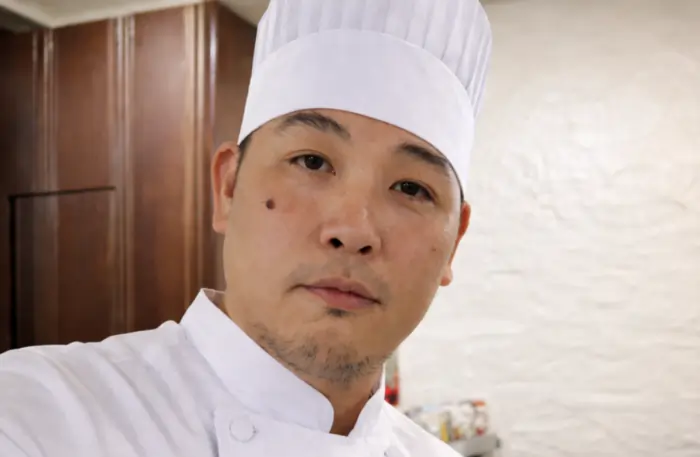
Chef Juan Gadi brings the heart of Filipino hospitality to Ubud, Bali. As an Executive Chef and consultant, he specializes in creating intimate, curated dining experiences that tell a story through every dish. Whether leading the kitchen at Kilig Filipino Warung or hosting a private villa dinner, Chef Juan’s approach is defined by warmth, modern technique, and a commitment to culinary excellence.