Why Rice Plays a Central Role in Filipino Cuisine Key Takeaways
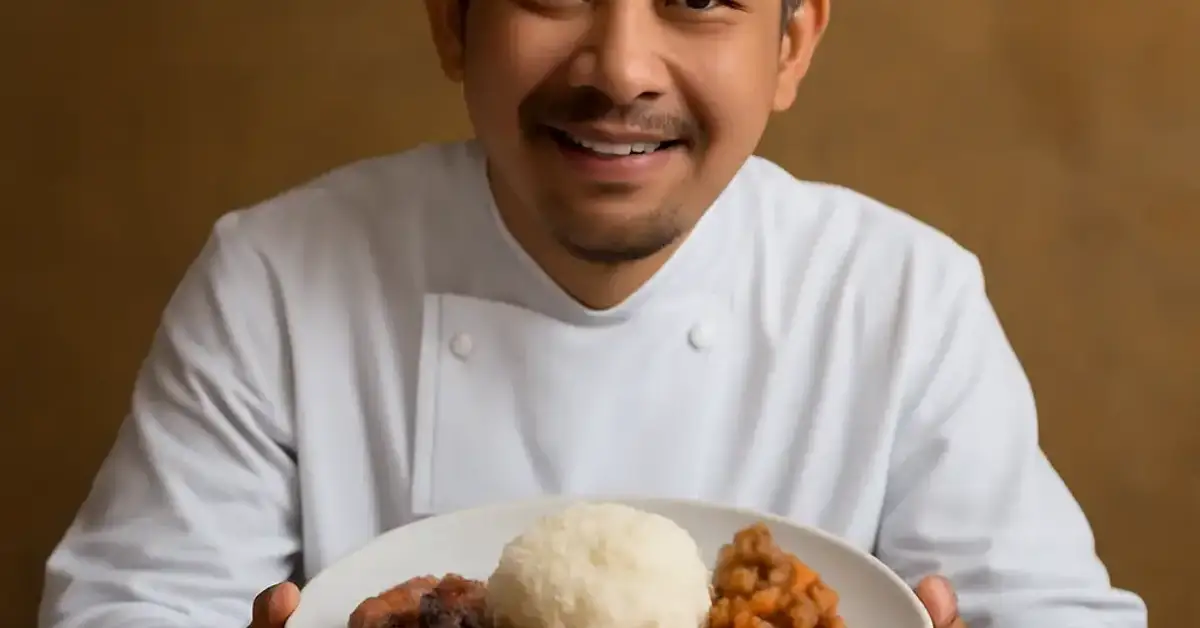
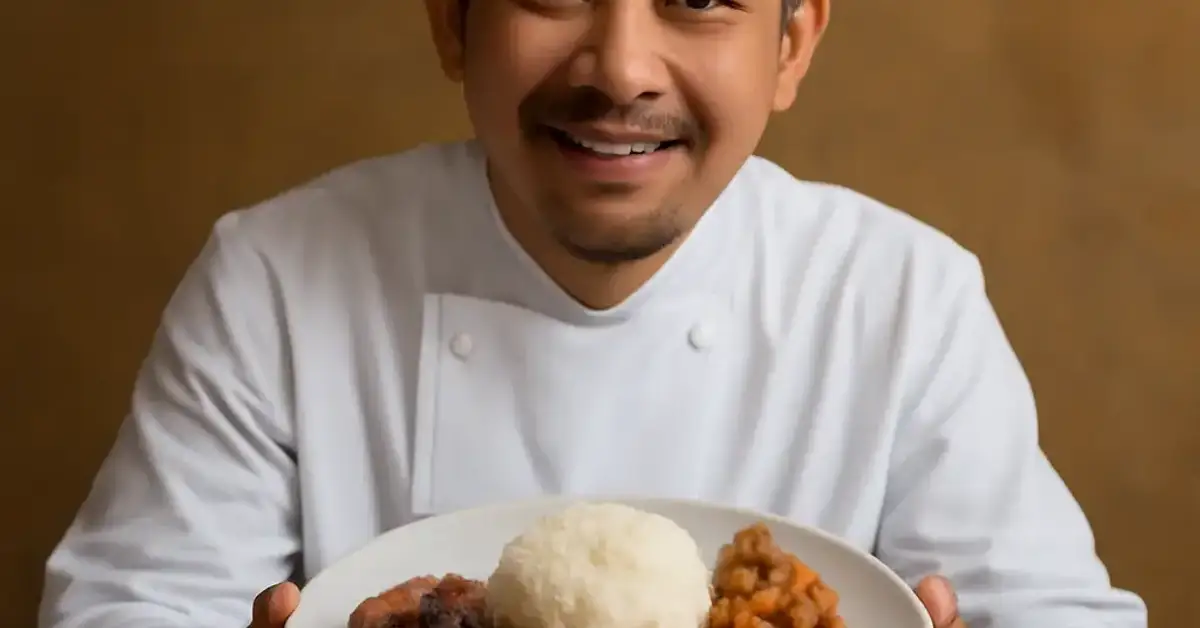
In over a decade of cooking across the Philippines and now in Bali, I have seen firsthand how rice in Filipino cuisine is far more than a side dish—it is the heartbeat of every meal.
- Why Rice Plays a Central Role in Filipino Cuisine stems from centuries of Philippine agriculture , a favorable tropical climate, and a tradition of communal eating that values rice as a symbol of nourishment and togetherness.
- Everyday meals like adobo, sinigang, and kare-kare are designed to be paired with steamed rice, making rice and Filipino meals inseparable.
- Regional varieties and farming practices across the archipelago enrich Filipino culinary heritage , while rice remains central to celebrations, identity, and daily life.
What Makes Why Rice Plays a Central Role in Filipino Cuisine a Story of Agriculture and Culture
To understand why rice plays a central role in Filipino cuisine, we must look back thousands of years. Archaeological evidence in northern Luzon’s Ifugao province reveals ancient rice terraces carved by hand over 2,000 years ago. These terraces, a UNESCO World Heritage site, are a testament to the deep relationship between the land and Filipino rice culture. The arrival of Austronesian settlers introduced wet-rice cultivation, and the country’s abundant rainfall, warm temperatures, and fertile volcanic soils made it an ideal place for rice to thrive. Over centuries, rice staple food Philippines status was cemented not just by availability, but by necessity: rice provided calories, energy, and a neutral canvas for bold, salty, sour, and savory flavors that define Philippine food history.
Unlike other Asian rice culture nations where noodles may share the spotlight, the Philippines developed a unique attachment to plain steamed rice. Even in regions where root crops like camote or cassava were grown, rice became the preferred grain. The Spanish colonial period (1565–1898) further entrenched rice as an economic crop, with friars overseeing large-scale production. Today, the Philippines ranks among the world’s top rice consumers, and rice consumption Philippines figures exceed 120 kilograms per person per year—one of the highest in Asia.
How Filipino Food Traditions Revolve Around Rice at Every Meal
In my kitchen at Kilig Filipino Warung in Ubud, I often explain to guests that a Filipino meal without rice feels incomplete. This is not exaggeration; it is a reflection of Filipino dining culture. Breakfast might be sinangag (garlic fried rice) served with sunny-side eggs and dried fish. Lunch and dinner feature steamed rice alongside everything from pig blood stew (dinuguan) to coconut-rich laing. Even snacks—like bibingka (rice cake) or puto (steamed rice muffins)—rely on rice flour. The phrase “Kain tayo!” (Let’s eat!) is an invitation to share rice, not just food. For a related guide, see 10 Pinoy Customs Reflected in Every Single Famous Dish.
Why Rice Is the Perfect Partner for Bold Filipino Flavors
Rice and Filipino meals form a perfect yin-and-yang dynamic. The neutral, slightly sweet taste of steamed rice balances intensely flavored dishes. Consider traditional Filipino rice dishes pairings:
- Adobo—braised meat in vinegar, soy sauce, and garlic—needs rice to absorb the rich, tangy sauce.
- Sinigang, a sour tamarind soup, is mellowed by a spoonful of rice in every bite.
- Kare-kare, with its thick peanut sauce and oxtail, is a comfort food that demands rice to cut richness.
- Grilled meats like inihaw na liempo (grilled pork belly) are served with rice and a dipping sauce, creating a balanced plate.
This pairing is so ingrained that many Filipinos refuse to eat viand (ulam) without rice, a habit that travelers to the country quickly notice. It is a defining trait of Filipino food identity.
Rice Farming Philippines: Regional Diversity and Local Varieties
Philippine agriculture is incredibly diverse when it comes to rice. The country grows hundreds of traditional and hybrid varieties, each adapted to local climates. In the Cordillera mountain region, farmers cultivate heirloom red and black rice strains—such as Tinawon and Unoy—that are prized for their nutty flavor and nutritional value. In the lowlands of Central Luzon (the “Rice Granary of the Philippines”), white jasmine-like varieties like Dinorado are preferred for their fragrance and fluffiness. In the southern island of Mindanao, glutinous or sticky rice (malagkit) is used for desserts like biko and suman.
These regional differences enrich Filipino culinary heritage. When I cook for private villa dinners in Bali, I often source heirloom red rice from the Mountain Province to introduce guests to flavors they cannot find elsewhere. The rice farming Philippines narrative is one of resilience—small-scale farmers still use traditional methods alongside modern irrigation, sustaining both culture and food supply. For a related guide, see The Art of Sawsawan: A Guide to Filipino Dipping Sauces at Kilig Bali.
Why Rice Is Central to Celebrations and Everyday Life
In Filipino gatherings—birthdays, fiestas, Christmas, and weddings—rice is always present, often in multiple forms. Steamed rice accompanies the main dishes, while rice-based desserts and snacks line the tables. The kakanin (rice cake) family includes puto bumbong (purple sticky rice cooked in bamboo tubes), sapin-sapin (layered glutinous rice cake), and palitaw (soft rice cakes coated in coconut and sesame). These sweets are not afterthoughts; they are symbolic of Filipino comfort food and shared joy.
Beyond celebrations, rice symbolizes abundance and hospitality. Offering a guest a meal means offering them rice. In many rural homes, the rice pot is always filled, and leftovers are repurposed into breakfast fried rice. This ingrained habit comes from a history where a full rice bowl meant security. It is a quiet but powerful part of Filipino food identity that visitors sense the moment they sit down to eat.
How Why Rice Plays a Central Role in Filipino Cuisine Shapes Modern Dining
Today, chefs like me are reinterpreting traditional Filipino rice dishes for a global audience. At Kilig, I serve sinangag with smoked fish and pickled papaya, and I pair heirloom red rice with slow-cooked beef kaldereta. The goal is to honor Filipino rice culture while introducing it to travelers who may only know Pad Thai or sushi. The response is always the same: surprise at the depth of flavor and the central role rice plays in balancing every element on the plate.
For home cooks and restaurant owners interested in Philippine food history, understanding rice is non-negotiable. It influences menu development, plating, and even beverage pairing (I often recommend light beers or calamansi juice to complement rice-heavy meals). And for travelers, paying attention to how rice is served—freshly steamed, slightly warm, and never clumpy—offers insight into the care and pride behind Filipino home cooking.
Useful Resources
For a deeper dive into rice staple food Philippines history and agricultural research, I recommend the International Rice Research Institute (IRRI), based in Los Baños, Laguna. Their studies on Philippine rice varieties and farming practices are invaluable. Visit: IRRI Official Website
To explore authentic traditional Filipino rice dishes and home cooking techniques, the Filipino Food Movement offers recipes and cultural context. Check their community resources: Filipino Food Movement
Frequently Asked Questions About Why Rice Plays a Central Role in Filipino Cuisine
Why does rice play a central role in Filipino cuisine?
Rice in Filipino cuisine is central because of its deep agricultural roots, suitability to the climate, and its ability to balance and complement the bold flavors of Filipino dishes. It is also a symbol of family, abundance, and daily sustenance, ingrained in Filipino food traditions for centuries.
Why do Filipinos eat rice with most meals?
Filipinos eat rice with most meals because it is affordable, filling, and perfectly neutralizes the salty, sour, and savory notes of typical viands. This habit is part of Filipino dining culture and is passed down through generations.
How did rice become a staple food in the Philippines?
Rice became a rice staple food Philippines through Austronesian settlers who introduced cultivation methods. The country’s tropical climate and fertile soils allowed rice to flourish, and over time it replaced root crops as the primary source of calories.
What cultural significance does rice have in Filipino society?
Rice symbolizes life, hospitality, and community. Offering rice is offering nourishment. In Filipino rice culture, rice is present at all celebrations and is a key element of Filipino comfort food that ties families together.
How much rice do Filipinos typically consume?
The average rice consumption Philippines is around 120–130 kilograms per person per year, one of the highest rates in Asia. Filipinos eat rice at breakfast, lunch, dinner, and even as snacks.
What dishes are commonly served with rice in the Philippines?
Nearly all Filipino dishes are served with rice, including adobo, sinigang, kare-kare, lechon, grilled meats, and vegetable stews like pinakbet. Rice and Filipino meals are virtually synonymous.
How does rice influence Filipino food traditions ?
Rice influences Filipino food traditions by dictating meal composition—most dishes are designed to be eaten with rice. It also shapes cooking methods, such as using leftover rice for fried rice breakfasts or rice flour for sweets.
What types of rice are popular in Filipino cooking?
Popular types include Dinorado (fragrant white rice), Sinandomeng (soft and sticky when cooked), heirloom red and black rice, and malagkit (glutinous rice) for desserts. These reflect the diversity of rice farming Philippines.
Why is rice important in Filipino celebrations and gatherings?
Rice is a symbol of abundance and sharing. In fiestas, families serve large pots of rice, complemented by rice cakes like puto bumbong and sapin-sapin, reinforcing Filipino food identity and community spirit.
How does rice production affect Filipino culture and economy?
Philippine agriculture employs millions of rice farmers, especially in Luzon and Mindanao. Rice self-sufficiency is a national priority, and the crop shapes land use, trade policies, and rural livelihoods.
What are traditional Filipino rice dishes ?
Traditional Filipino rice dishes include sinangag (garlic fried rice), arroz caldo (rice porridge with chicken and ginger), bibingka, puto, biko, and suman. Both savory and sweet versions are common.
How does Filipino rice consumption compare with other Asian countries?
Filipinos consume more rice per capita than Thailand or Vietnam but less than Myanmar or Bangladesh. However, the centrality of rice in daily eating—across all meals—makes rice consumption Philippines culturally distinct even among Asian rice culture nations.
What role does rice play in everyday Filipino life?
Rice is the backbone of every meal, from silog breakfasts to dinner spreads. It also appears in snacks, desserts, and even wine (tapuy). For most Filipinos, a day without rice feels incomplete—a reflection of Filipino food identity.
Why do travelers notice the importance of rice in Filipino meals?
Travelers notice it because rice is present at every meal and often served in generous portions. The way locals insist on rice with every viand, and the variety of rice-based snacks, signals how integral rice in Filipino cuisine is to daily life.
How has rice shaped the identity of Filipino cuisine?
Rice has shaped Filipino cuisine by establishing a flavor framework where bold, saucy dishes are balanced by plain rice. It also defines portioning, cooking techniques, and even social rituals—making Filipino culinary heritage uniquely centered on the grain.
Is rice always served plain in the Philippines?
No. While steamed white rice is most common, sinangag (garlic fried rice) is a breakfast staple, and java rice (yellow rice cooked with turmeric) is served with grilled dishes. Traditional Filipino rice dishes also include rice cooked in coconut milk or broth.
Can you find gluten-free rice options in the Philippines?
Yes. All pure rice is naturally gluten-free. Heirloom varieties like black and red rice are especially popular among health-conscious Filipinos and visitors, and they are widely available in markets and specialty stores.
How do Filipino rice cakes differ from other Asian rice desserts?
Filipino rice cakes (kakanin) often use glutinous rice and are steamed or baked, with toppings like coconut cream, sesame seeds, or salted egg. They are less sweet than many Thai or Japanese desserts, reflecting Filipino food traditions that balance flavors.
What is the best way to cook Filipino rice at home?
For fluffy steamed rice, rinse the grains until water runs clear, then use a 1:1.2 ratio of rice to water in a rice cooker. Let it rest for 10 minutes after cooking. For sinangag, use day-old refrigerated rice fried with garlic and a pinch of salt.
Where can I learn more about Filipino rice farming?
The International Rice Research Institute (IRRI) in the Philippines is a global leader in rice science. Local organizations like the Philippine Rice Research Institute (PhilRice) also offer resources on rice farming Philippines and sustainable practices.
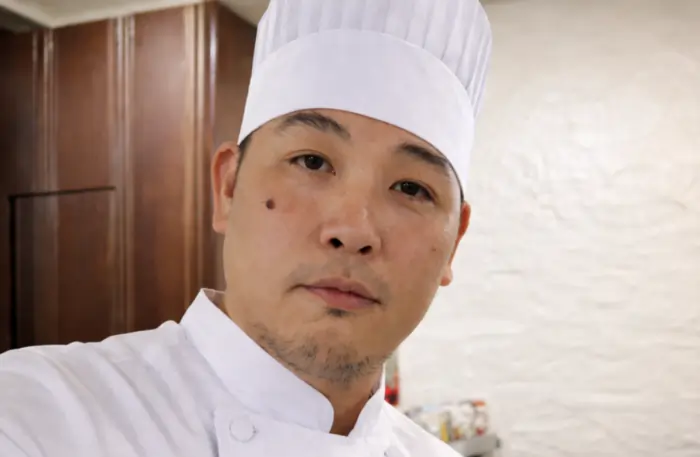
Chef Juan Gadi brings the heart of Filipino hospitality to Ubud, Bali. As an Executive Chef and consultant, he specializes in creating intimate, curated dining experiences that tell a story through every dish. Whether leading the kitchen at Kilig Filipino Warung or hosting a private villa dinner, Chef Juan’s approach is defined by warmth, modern technique, and a commitment to culinary excellence.