Best Filipino Meals to Enjoy After Bali Adventures Key Takeaways
After a day of surfing Uluwatu, trekking Mount Batur, or exploring rice terraces in Ubud, your body craves more than just a snack.
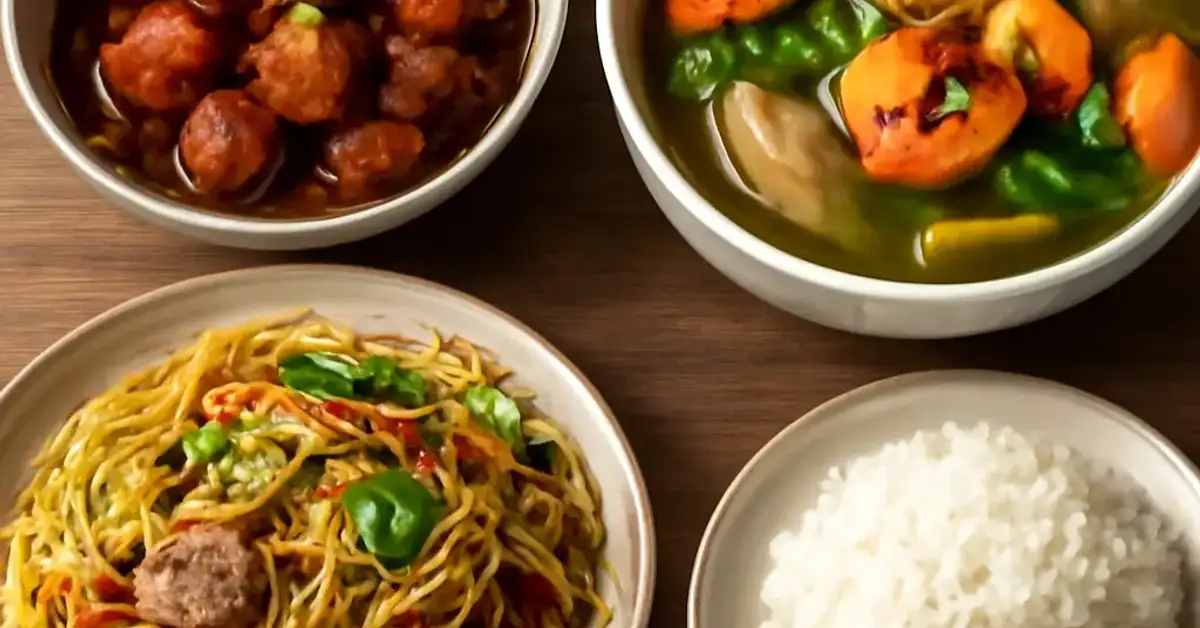
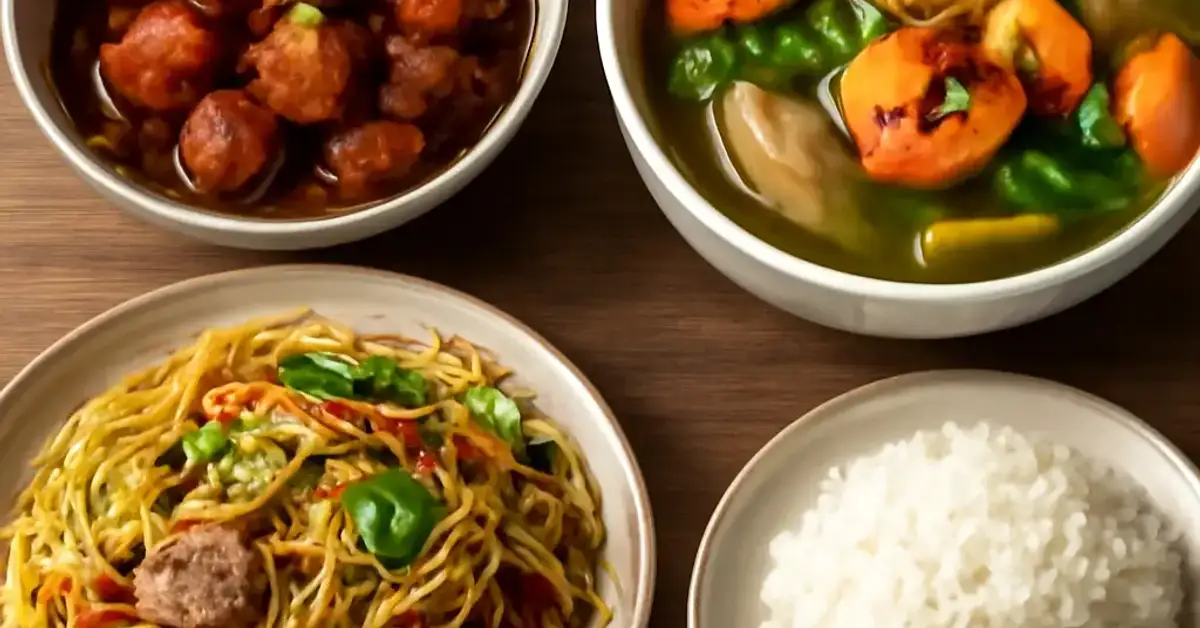
- Best Filipino Meals to Enjoy After Bali Adventures include Adobo for protein recovery, Sinigang for hydration and warmth, Pancit for quick energy, and Kare-Kare for hearty satisfaction.
- Filipino comfort food is ideal for travelers because it is served family-style, allowing groups to share and bond after a long day of exploration.
- Traditional dishes like Lumpia and Lechon Kawali provide light yet satisfying options that won’t weigh you down before the next day’s adventure.
Why Filipino Cuisine Is the Perfect Post-Adventure Recovery Food in Bali
Bali attracts millions of travelers each year who come for the waves, volcanoes, waterfalls, and vibrant culture. After hours of physical activity, the body needs replenishment that goes beyond simple calories. Filipino hearty dishes are crafted with a deep understanding of nourishment—using ingredients like vinegar, tamarind, fish sauce, and coconut milk to deliver both flavor and functional recovery benefits.
Chef Juan Gadi, who leads the kitchen at Kilig Filipino Warung in Ubud, explains that Filipino food was built for restoration. “When you’ve been hiking all day or surfing since sunrise, your muscles ache and your energy is low. A bowl of Sinigang or a plate of Adobo with rice brings you back to life. It’s food that hugs you from the inside.” This philosophy makes Filipino meals Bali travel enthusiasts rave about a natural fit for the island’s active lifestyle.
Unlike some cuisines that rely on heavy creams or excessive oil, Filipino cooking uses souring agents, fermented condiments, and slow braising to create depth without dulling your palate or your digestion. The result is a cuisine that feels both familiar and exciting—ideal for international tourists who want comfort without compromise.
Understanding the Science of Post-Adventure Food Choices
After intense physical activity, the body prioritizes glycogen replenishment, muscle repair, and rehydration. Post adventure food needs to deliver carbohydrates, lean protein, electrolytes, and anti-inflammatory compounds. Filipino cuisine checks all these boxes naturally.
Tamarind, the key ingredient in Sinigang, is rich in antioxidants and has been used in traditional medicine to reduce inflammation and aid digestion. Vinegar, the base of Adobo, helps lower blood sugar spikes and promotes satiety. Pancit, which is made from rice noodles and vegetables, provides easily digestible carbohydrates that restore energy within minutes. These are not accidental benefits—they are the result of centuries of culinary wisdom passed down through Filipino households.
For travelers coming from Bali, where the climate is tropical and the activities are physically demanding, these dishes offer a perfect bridge between indulgence and wellness.
Adobo: The Savory Protein Punch Your Muscles Crave
No list of Filipino comfort food is complete without Adobo. This national dish—typically made with chicken or pork braised in soy sauce, vinegar, garlic, bay leaves, and black peppercorns—is a powerhouse of recovery-friendly nutrients. The slow-cooking process breaks down collagen in the meat, making it easier to digest while providing amino acids essential for muscle repair.
What makes Adobo especially suitable for Bali food recovery meals is its balance of salt and acid. After sweating under the Bali sun, your body loses sodium and electrolytes. Adobo’s soy sauce base restores sodium levels naturally, while the vinegar aids in rebalancing your gut microbiome. Serve it with a mountain of steamed jasmine rice, and you have a complete post-adventure plate.
Chef Juan Gadi recommends pairing Adobo with a side of atchara (pickled papaya) for added probiotics and brightness. “The acidity cuts through the richness and refreshes your palate,” he says. For group travelers, Adobo is easy to scale up and share, making it one of the best Filipino shared meals for post-hike dinners.
Why Adobo Works for Every Type of Traveler
Whether you are a vegan, a paleo enthusiast, or someone who eats everything, Adobo adapts. Many warungs in Bali now offer mushroom Adobo or tofu Adobo for plant-based diners, while traditionalists stick with chicken thigh cuts for extra juiciness. The umami-forward profile appeals to Southeast Asian cuisine lovers who appreciate depth without heat.
Sinigang: The Restorative Broth That Rehydrates and Recharges
If there is one dish that defines restorative meals travel, it is Sinigang. This sour soup, traditionally made with tamarind, tomatoes, and a protein of your choice (pork belly, shrimp, or fish), is beloved across the Philippines for its ability to warm you from the inside out. In Bali, where air-conditioned restaurants and ocean breezes can leave you feeling chilled, Sinigang offers comfort that lingers.
The broth is the star. Tamarind pulp provides vitamin C and antioxidants, while the vegetables—radish, okra, eggplant, and kang kong (water spinach)—deliver fiber and micronutrients that support recovery. The protein adds staying power, making Sinigang a complete meal in a bowl.
For Filipino dinner ideas after a day of diving in Amed or trekking in Munduk, Sinigang is unmatched. It hydrates, soothes sore muscles, and satisfies the craving for something warm and savory. Chef Juan Gadi often serves Sinigang as a starter during private villa dinners in Ubud, noting that guests frequently ask for seconds.
How Sinigang Compares to Balinese Soups
Balinese cuisine has its own restorative soups, such as soto ayam and bubur injin, but Sinigang stands apart because of its pronounced sourness. While soto ayam relies on turmeric and coconut milk for richness, Sinigang uses tamarind to create a clean, bright flavor that cleanses the palate. This makes it an ideal restorative meals travel choice for travelers who feel heavy after rich food.
Pancit: Energizing Noodles for Instant Carbohydrate Replenishment
Energy boosting meals often start with noodles, and Pancit is the Filipino masterclass in noodle cookery. Pancit Canton (stir-fried egg noodles) and Pancit Bihon (thin rice vermicelli) are the most popular versions, loaded with vegetables, sliced meat or shrimp, and a light soy-calamansi sauce that keeps the dish bright and not greasy.
After hours of surfing or hiking, your glycogen stores are depleted. Pancit delivers carbohydrates in a format that the body absorbs quickly, providing a rapid energy lift without the crash that comes from sugary snacks. The vegetables—carrots, cabbage, bell peppers, and green beans—add fiber and vitamins that aid recovery at the cellular level.
For Bali travel food guide content, Pancit is often highlighted as the go-to meal for midday refueling. It’s light enough to eat before an afternoon activity yet substantial enough to count as a full dinner. Chef Juan Gadi likes to garnish Pancit with fried garlic and a wedge of calamansi for an extra layer of aroma and acidity.
Pancit as a Shared Meal for Group Travelers
Because Pancit is typically served in large platters, it embodies Filipino shared meals culture. Groups of backpackers staying at hostels in Canggu or families vacationing in Sanur can order one Pancit platter and several side dishes, creating a communal dining experience that strengthens bonds after a day of exploration.
Kare-Kare: The Hearty Oxtail Stew That Fills You Up Without Weighing You Down
Kare-Kare is the ultimate Filipino hearty dishes entry on this list. This rich stew features oxtail, tripe, or sometimes pork hocks, simmered for hours in a thick peanut-based sauce, and served with a side of bagoong (fermented shrimp paste). The texture is velvety, the flavor nutty and deep, and the protein content substantial enough to repair muscles after intense physical exertion.
What makes Kare-Kare an excellent post adventure food choice is its combination of healthy fats from peanuts and collagen from the oxtail. The vegetables—eggplant, long beans, and banana blossom—add bulk and fiber, ensuring that you feel full and satisfied for hours. This is not a dish you eat on the run; it demands a slow, deliberate appreciation, which aligns perfectly with the unhurried pace of a Bali vacation.
Chef Juan Gadi notes that Kare-Kare is particularly popular among Filipino food tourism enthusiasts visiting Bali. “Many travelers tell me they’ve heard about Kare-Kare but never had an authentic version. When they taste the real thing—with the peanut sauce made from scratch and the bagoong that’s perfectly fermented—they understand why Filipinos love it so much.”
Pairing Kare-Kare with Rice: A Recovery Power Duo
Like most Filipino dishes, Kare-Kare is served with steamed rice. The neutral flavor of the rice balances the richness of the peanut sauce, while the carbohydrates replenish energy stores. For maximum recovery benefits, opt for brown rice if available, which provides additional fiber and a slower release of energy.
Lumpia: The Light Yet Satisfying Snack for On-the-Go Refueling
Not every post-adventure meal needs to be a sit-down affair. Sometimes you need something portable, light, and satisfying—and Lumpia delivers exactly that. These crispy spring rolls, filled with ground pork, shrimp, vegetables, and sometimes sweet potato, are the perfect travel comfort food for busy days.
Lumpia is fried to golden perfection, creating a crunchy exterior that gives way to a savory, juicy filling. It’s served with a sweet and sour dipping sauce that adds tanginess and helps balance the richness. For travelers who want to keep moving—whether to catch a sunset at Tanah Lot or attend a yoga session in Ubud—Lumpia offers a quick energy hit without the heaviness of a full plated meal.
Chef Juan Gadi often prepares Lumpiang Shanghai (the smaller, cocktail-size version) for private events and warung diners. “They’re addictive,” he laughs. “Guests start with one, then ask for another platter. It’s the perfect finger food that brings people together.”
Fresh Lumpia: A No-Fry Alternative for Health-Conscious Travelers
For those watching their oil intake, Fresh Lumpia (Lumpiang Sariwa) is a wonderful alternative. This unfried version uses a soft crepe-like wrapper and is filled with bean sprouts, tofu, shrimp, and a sweet peanut sauce. It’s lighter than the fried version but equally satisfying, making it popular among wellness travelers and post adventure food seekers.
Family-Style Dining: Why Filipino Meals Are Perfect for Groups of Travelers
One of the most distinctive aspects of traditional Filipino cuisine is the tradition of eating together from shared platters. This concept, known as “salu-salo,” is central to Filipino hospitality. When applied to Filipino shared meals in a travel context, it transforms dinner from a simple refueling stop into a communal experience.
Groups of adventure travelers—whether they are friends on a surf trip, families exploring Bali, or solo travelers who met at a hostel—benefit enormously from this style of dining. Instead of ordering individual plates, everyone at the table shares several dishes, passing bowls of Adobo, spoons of Sinigang, and platters of Pancit around the table. This fosters conversation, creates a sense of belonging, and allows everyone to taste a variety of flavors.
Chef Juan Gadi designs his menus at Kilig Filipino Warung specifically for sharing. “I want people to experience the warmth of a Filipino home,” he says. “When you share food, you share stories. That’s the essence of travel.”
How Family-Style Dining Supports Recovery
Sharing meals also encourages portion control and variety. Instead of committing to one heavy dish, diners can sample lighter options like Lumpia alongside heartier choices like Kare-Kare, creating a balanced meal that meets individual recovery needs. This flexibility is especially valuable for groups with diverse dietary preferences.
The Psychology of Comfort Food After Travel Fatigue
Travel fatigue is real. The constant decision-making, navigating unfamiliar environments, and physical exertion can drain your mental energy as much as your physical reserves. Travel comfort food serves a dual purpose: it nourishes the body and soothes the mind. Filipino cuisine excels in this domain because of its emotional resonance.
For Filipinos living abroad or traveling away from home, dishes like Adobo and Sinigang evoke memories of family gatherings, childhood meals, and a sense of belonging. For international travelers trying these dishes for the first time, the depth of flavor and the care put into preparation create a feeling of being cared for. This emotional comfort accelerates recovery by reducing cortisol levels and promoting a relaxed state of mind. For a related guide, see The Most Loved Filipino Dishes First Time Visitors Try.
Research in nutritional psychology shows that familiar comfort foods trigger the release of dopamine and serotonin, neurotransmitters associated with pleasure and well-being. After a challenging day of adventure activities, a plate of Filipino comfort food provides a reliable path to feeling grounded and satisfied.
Comparing Filipino and Balinese Post-Travel Meals
When asked about how Filipino cuisine compares to Balinese options for recovery, Chef Juan Gadi offers a thoughtful perspective. “Balinese food, like babi guling and bebek betutu, is incredible—but it’s often designed for special occasions rather than everyday recovery. Filipino food is everyday food that happens to be restorative. It’s simpler, more accessible, and easier to digest after a long day.”
Balinese cuisine features bold spice pastes, coconut milk, and deep-fried preparations that can be heavy on the stomach after physical exertion. Filipino cuisine, while equally flavorful, tends to use lighter cooking methods—braising, steaming, and stir-frying—that are easier on the digestive system. This makes Filipino meals Bali travel enthusiasts search for a smart choice for multi-day adventures.
That said, both cuisines share a love for rice, fresh vegetables, and fermented condiments, which means travelers moving from Bali to the Philippines (or vice versa) will find familiar comfort in both traditions.
Filipino Soups That Aid Recovery After Physical Activity
Beyond Sinigang, several Filipino soups for recovery deserve attention. Tinola, a ginger-based chicken soup with papaya and malunggay leaves, is remarkably effective for soothing sore throats and settling upset stomachs. Its light, aromatic broth is ideal for days when you feel overheated or dehydrated.
Another restorative soup is Bulalo, a beef marrow stew from the southern Luzon region. The broth is simmered for hours with corn, cabbage, and potatoes, creating a collagen-rich liquid that supports joint health and skin repair. For travelers who have spent days diving or surfing—activities that put strain on shoulders and knees—Bulalo provides targeted nourishment.
Garlic Rice Soup (Arroz Caldo) is a savory Filipino congee often eaten when feeling under the weather. Its blend of ginger, garlic, and chicken creates a warming effect that improves circulation and helps flush out toxins. Many warungs in Bali now offer Arroz Caldo as a breakfast option for travelers who want a gentle start to their day.
What to Order for Dinner After a Long Day of Exploring Bali
If you are looking for the perfect Filipino dinner ideas after a full day of adventure, Chef Juan Gadi recommends a combination strategy. Start with a bowl of Sinigang to rehydrate and warm your body. Follow with a plate of Adobo for protein and satiety. Add a side of Pancit for carbohydrates, and finish with a few pieces of Lumpia for crunch and variety.
For groups, order a large platter of Kare-Kare to share along with a serving of Java rice (rice colored and flavored with annatto). This combination covers every recovery need: protein, carbohydrates, healthy fats, vegetables, and electrolytes. Pair it with a cold glass of calamansi juice for vitamin C, or a warm cup of salabat (ginger tea) if you feel the onset of a cold.
Dining Recommendations in Bali
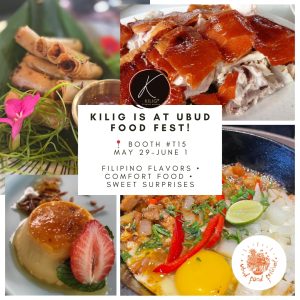
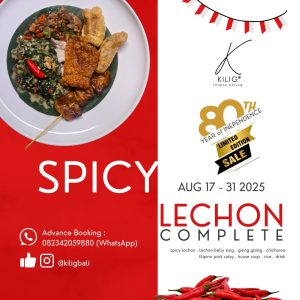
While the best place to experience authentic Filipino food in Bali is at Kilig Filipino Warung in Ubud, several other restaurants on the island now feature Filipino-inspired dishes. Warung Filipina in Canggu offers a casual take on Pancit and Lumpia, while Chef Juan Gadi’s private villa dinners in Ubud provide a more curated, multi-course experience. For those traveling to the Gili Islands, some guesthouses have started offering Adobo by request, so it’s worth asking your host.
Why Travelers Crave Comfort Food After Vacation Activities
The craving for comfort food after vacation activities is rooted in biology and psychology. Physical exertion depletes glucose, which triggers hunger signals that prioritize high-calorie, familiar foods. At the same time, the brain seeks rewards after a day of challenges, and food that tastes good and feels familiar provides that dopamine hit.
This is why Filipino comfort food resonates so strongly with travelers in Bali. It combines the biological necessity of calories and nutrients with the psychological comfort of a home-cooked meal. Even if you have never been to the Philippines, the flavors feel approachable and satisfying, thanks to their balanced use of savory, sour, and salty elements. For a related guide, see Why Bali Feels Perfect for Meaningful Dining Moments.
Chef Juan Gadi believes that the best meals are the ones that tell a story. “When a traveler sits down to eat Adobo that I’ve made with my grandmother’s recipe, they aren’t just eating food — they’re experiencing a piece of Filipino culture. That connection is what makes the meal memorable and restorative.”
Easy Filipino Meals Popular with Tourists in Bali
For tourists who want to try cooking Filipino food themselves while staying in a Bali villa or Airbnb, several dishes are surprisingly simple to prepare. Adobo requires only soy sauce, vinegar, garlic, bay leaves, and peppercorns — all available at any supermarket in Bali. Pancit can be made with rice noodles, soy sauce, and whatever vegetables you have on hand.
Lumpia filling can be prepared ahead of time and frozen, making it convenient for groups who want to cook together. Sinigang mix (instant tamarind soup base) is sold at most Asian grocery stores in Bali, allowing you to recreate the dish even if fresh tamarind is unavailable.
Chef Juan Gadi often shares his recipes with guests who ask. “I love it when people leave my table inspired to cook Filipino food at home. That’s how the cuisine spreads,” he says.
Useful Resources
For authentic Filipino recipes and cooking tips, visit Kawaling Pinoy, one of the most trusted sources for traditional Filipino dishes. To learn more about Filipino food culture and its health benefits, the Philippine Department of Tourism offers a comprehensive guide to culinary travel in the Philippines.
Frequently Asked Questions About Best Filipino Meals to Enjoy After Bali Adventures
What are the best Filipino meals to eat after traveling in Bali?
The best Filipino meals to eat after traveling in Bali include Adobo for protein, Sinigang for hydration, Pancit for energy, Kare-Kare for hearty satisfaction, and Lumpia for a light snack. These dishes cover all recovery needs and are widely available at Filipino warungs in Ubud and Canggu.
Why are Filipino comfort foods good after long trips?
Filipino comfort foods are good after long trips because they balance savory, sour, and salty flavors that replenish electrolytes. The use of vinegar, tamarind, and fermented condiments aids digestion and reduces inflammation, while the carbohydrate-rich rice and noodles restore energy quickly.
What Filipino dishes are filling and energizing?
Filipino dishes that are filling and energizing include Pancit Canton, Arroz Caldo, Kare-Kare, and Pork Adobo. These dishes provide a mix of complex carbohydrates, lean protein, and healthy fats that sustain energy levels for hours after physical activity.
Which Filipino meals help recovery after adventure activities?
Filipino meals that help recovery after adventure activities include Sinigang for rehydration, Tinola for soothing upset stomachs, Bulalo for joint health, and Adobo for muscle repair. These dishes are rich in collagen, antioxidants, and electrolytes.
What are popular Filipino foods for travelers?
Popular Filipino foods for travelers include Chicken Adobo, Lumpiang Shanghai, Pancit Bihon, Lechon Kawali, and Halo-Halo for dessert. These dishes are easy to find in Bali and offer a taste of authentic Filipino home cooking.
How does Filipino cuisine compare to Balinese post-travel meals?
Filipino cuisine tends to be lighter and more digestible than Balinese post-travel meals, which often feature heavy coconut milk and spice pastes. Filipino dishes rely on braising and steaming, making them easier on the stomach after physical exertion while still providing bold flavor.
What dishes represent Filipino comfort food culture?
Dishes that represent Filipino comfort food culture include Adobo, Sinigang, Kare-Kare, Pancit, and Lumpia. These dishes are served at family gatherings, celebrations, and everyday meals, embodying the warmth and generosity of Filipino hospitality.
Which Filipino soups are good for recovery meals?
Filipino soups good for recovery meals include Sinigang (tamarind-based), Tinola (ginger and chicken), Bulalo (beef marrow), and Arroz Caldo (garlic congee). Each soup offers unique benefits for hydration, anti-inflammation, and warmth.
What Filipino food is best for dinner after a long day of exploring Bali?
The best Filipino food for dinner after a long day of exploring Bali is a combination of Sinigang as a starter, Adobo or Kare-Kare as a main, and a side of Pancit or Lumpia. This combination covers hydration, protein, carbohydrates, and vegetables.
Why do travelers crave comfort food after vacation activities?
Travelers crave comfort food after vacation activities because physical exertion depletes glucose and the brain seeks dopamine-releasing rewards. Familiar, savory, and satisfying foods like Filipino comfort dishes restore both energy and mood.
What easy Filipino meals are popular with tourists?
Easy Filipino meals popular with tourists include Adobo (minimal ingredients, one pot), Pancit (quick stir-fry), and Lumpia (can be prepared ahead and fried). These dishes require basic cooking skills and ingredients found in Bali supermarkets.
How does food affect recovery after physical travel activities?
Food affects recovery after physical travel activities by replenishing glycogen, repairing muscle tissue, restoring electrolyte balance, and reducing inflammation. Filipino cuisine’s combination of lean protein, vegetables, and fermented ingredients supports all these processes naturally.
What Filipino dishes are best for sharing after group travel?
The best Filipino dishes for sharing after group travel include Kare-Kare, Pancit Canton, Lechon Kawali, and whole fried fish. These dishes are served in large platters and encourage communal dining, strengthening group bonds after a day of adventure.
What makes Filipino cuisine suitable for hearty meals?
Filipino cuisine is suitable for hearty meals because it uses slow braising, rich sauces, and generous portions of meat and vegetables. The balance of savory and sour flavors prevents the food from feeling greasy, while the rice base provides staying power.
What are the most satisfying Filipino dishes for hungry travelers?
The most satisfying Filipino dishes for hungry travelers include Kare-Kare with bagoong, Sisig (sizzling chopped pork), Bicol Express (pork in coconut chili sauce), and Crispy Pata (deep-fried pork knuckle). These dishes are bold, filling, and unforgettably flavorful.
Can I find Filipino food easily in Bali?
Yes, you can find Filipino food easily in Bali at Kilig Filipino Warung in Ubud and a few other restaurants in Canggu. Some warungs offer Filipino-inspired dishes, and private chefs like Chef Juan Gadi can arrange villa dining experiences with authentic menus.
Is Filipino food spicy like Balinese food?
No, Filipino food is generally not spicy. It relies on sour (tamarind, calamansi), salty (soy sauce, fish sauce), and savory (garlic, annatto) flavors rather than chili heat. This makes it more approachable for travelers with sensitive palates.
What dessert should I try after a Filipino recovery meal?
After a Filipino recovery meal, try Halo-Halo (shaved ice with fruits, jellies, and leche flan), Leche Flan (caramel custard), or Buko Pandan (coconut and pandan jelly dessert). These desserts are refreshing and light, perfect for the tropical Bali climate.
Are Filipino meals suitable for vegetarians or vegans?
Yes, many Filipino meals can be adapted for vegetarians or vegans. Adobo can be made with mushrooms and tofu, Sinigang works with eggplant and okra, and Lumpiang Sariwa is naturally plant-based. Most warungs in Bali are happy to accommodate dietary requests.
How can I cook Filipino food in my Bali villa?
To cook Filipino food in your Bali villa, start with Adobo: simmer chicken or tofu in soy sauce, vinegar, garlic, and bay leaves. Pancit requires only rice noodles and stir-fried vegetables. Most ingredients are available at local markets or Asian grocery stores in Bali.
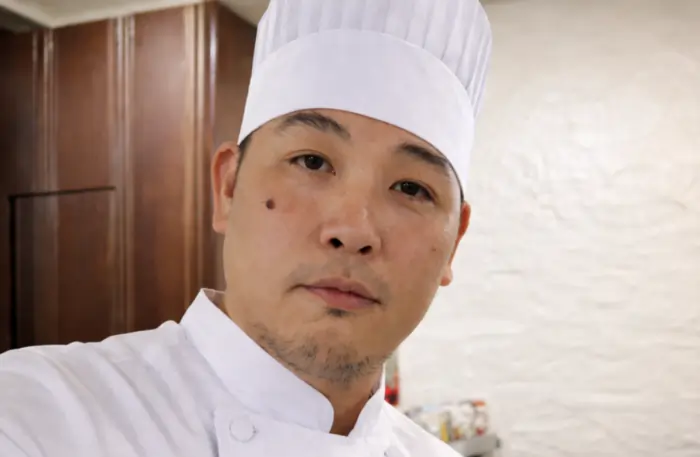
Chef Juan Gadi brings the heart of Filipino hospitality to Ubud, Bali. As an Executive Chef and consultant, he specializes in creating intimate, curated dining experiences that tell a story through every dish. Whether leading the kitchen at Kilig Filipino Warung or hosting a private villa dinner, Chef Juan’s approach is defined by warmth, modern technique, and a commitment to culinary excellence.