
History Shaped the Evolution of Filipino Cuisine Key Takeaways
The Philippines sits at the crossroads of Pacific and Southeast Asian trade routes—a geographic reality that made it a natural port for merchants, colonizers, and immigrants.
- History Shaped the Evolution of Filipino Cuisine through at least four major cultural layers: indigenous Austronesian roots, Chinese trade networks, Spanish colonial rule, and American influence.
- Regional geography, ingredient availability, and centuries of migration created distinct culinary identities across Luzon, Visayas, and Mindanao.
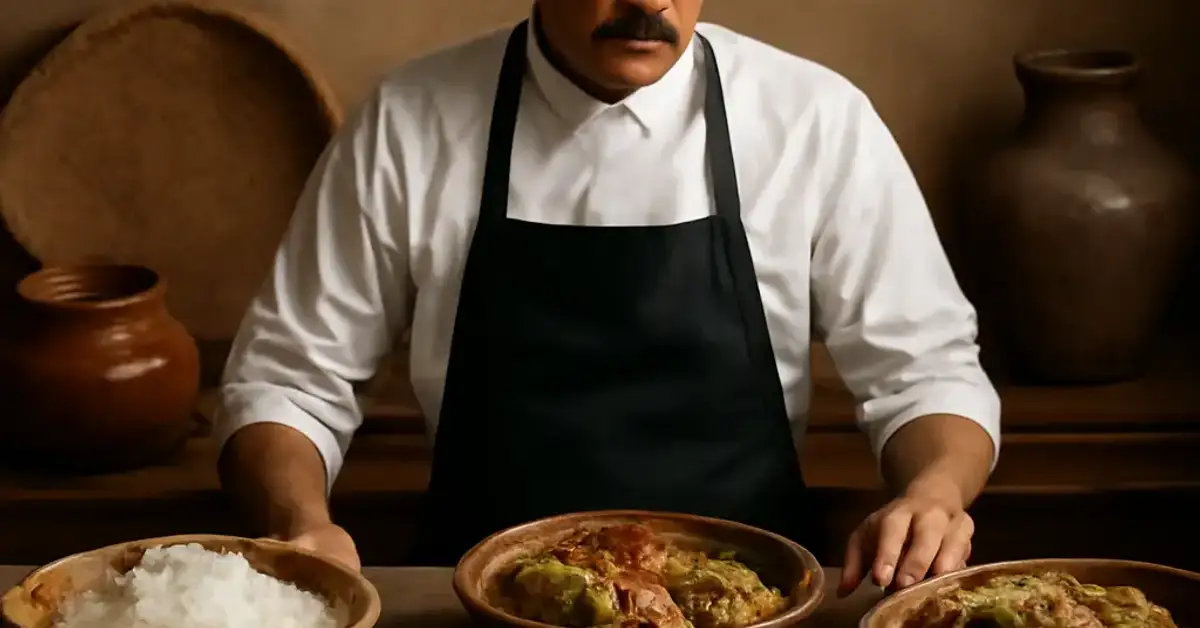
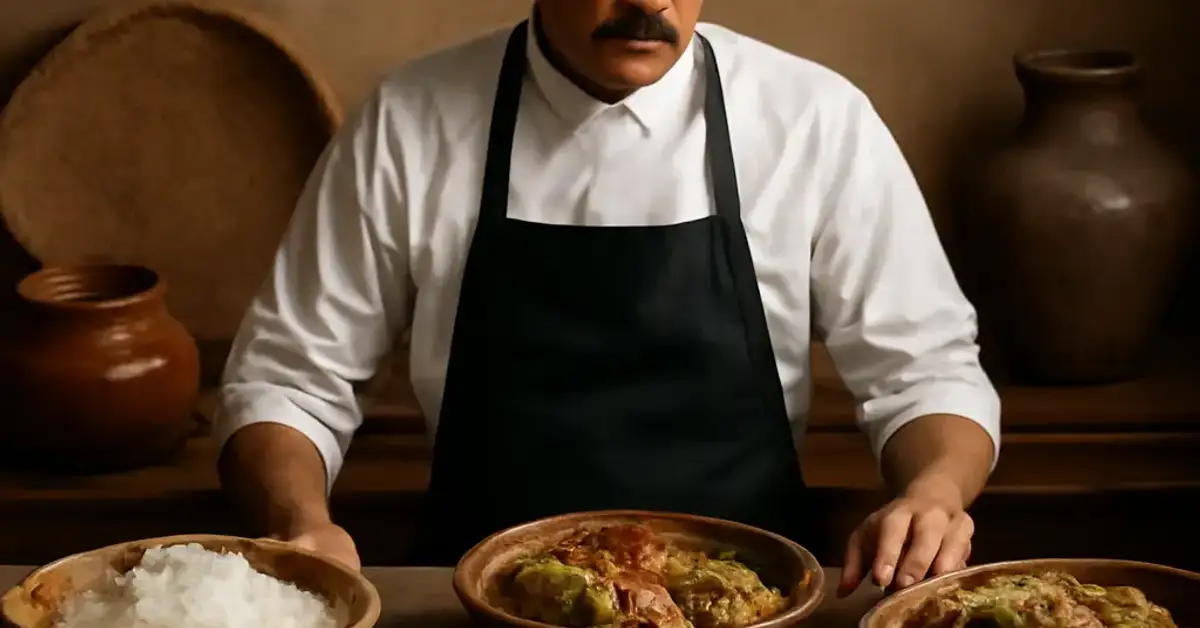
- Modern Filipino gastronomy—championed by chefs like Chef Juan Gadi in Ubud, Bali—reimagines heritage flavors through contemporary technique while honoring the stories behind each ingredient.
What Readers Should Know About How History Shaped the Evolution of Filipino Cuisine
The Philippines sits at the crossroads of Pacific and Southeast Asian trade routes—a geographic reality that made it a natural port for merchants, colonizers, and immigrants. Filipino cuisine history is therefore not a single story but a mosaic of encounters. To trace the evolution of Filipino food is to follow the movement of ships, the spread of religions, and the quiet persistence of indigenous knowledge passed through generations.
As Chef Juan Gadi, an Executive Chef in Ubud, Bali, who specializes in intimate, story-driven dining experiences, I have spent years studying these layers. My kitchen at Kilig Filipino Warung and private villa dinners in Ubud allow me to connect guests with the Philippine gastronomy history that every spoonful of kare-kare or sip of tsokolate carries. This article walks you through that timeline, from the first Austronesian settlers to the globally inspired Filipino food of today.
The Indigenous Foundation: Austronesian Roots and Early Filipino Cooking
Long before any foreign ship docked, the archipelago was home to Austronesian-speaking peoples who brought with them a deep knowledge of foraging, fishing, and fermentation. Indigenous Filipino food traditions relied on the bounty of the land and sea: root crops like taro and ube, freshwater and ocean fish, wild greens, and native fruits such as banana, coconut, and pili nut.
Traditional Cooking Methods That Survive Today
- Baling – cooking food directly on embers or hot stones, still seen in modern Filipino traditional cuisine like inihaw na isda.
- Pabalot – wrapping food in banana leaves or palm fronds before steaming or grilling, which imparts a subtle sweetness and moisture.
- Fermentation and preservation – techniques such as making Filipino ingredient history staples like bagoong (fermented fish or shrimp paste), burong isda (fermented rice and fish), and the tart calamansi used for acidity.
These methods were not just recipes—they were survival strategies. The tropical climate demanded preservation, and the abundant flora provided natural wrappers and natural antioxidants. Early Filipino cooking history shows a people who understood their environment intimately, using every part of an ingredient out of necessity and respect.
The Role of the Rice Terraces and the Heirloom Grains
The Ifugao people of the Cordillera region built the Banaue Rice Terraces over 2,000 years ago—a UNESCO World Heritage site that demonstrates how traditional Filipino cooking origins revolved around rice as the centerpiece of every meal. Red rice, glutinous rice, and heirloom varieties were cultivated for different purposes: everyday meals, ritual offerings, and festive dishes like suman and bibingka. This reverence for rice continues today in nearly every Filipino home.
Trade Winds and the Spice Route: How Chinese and Southeast Asian Traders Reshaped the Kitchen
By the 10th century, Chinese junks regularly sailed to the Philippines carrying porcelain, silk, and—most importantly—new ingredients and cooking methods. Chinese influence Filipino dishes transformed the local palate in ways that still define it today.
Noodles, Soy Sauce, and the Wok
Chinese traders introduced wheat noodles, soy sauce, tofu, and the technique of stir-frying in a wok. These became the foundation for Filipino comfort food origins like pancit (the generic term for noodles), lumpia (spring rolls, both fresh and fried), and siopao (steamed buns filled with savory meat). The word “pancit” itself is derived from the Hokkien phrase “pian i sit,” meaning “something cooked conveniently” — a perfect metaphor for the adaptability of cultural fusion Filipino cuisine.
In my own kitchen in Ubud, I often reinterpret pancit using local Balinese vegetables and a splash of kecap manis, but the soul remains the same: a quick, satisfying noodle dish that honors the busy, communal life of early Filipino families.
Beyond Food: The Social Impact of Chinese Settlement
Chinese merchants did not just trade—they settled, intermarried, and became part of the fabric of Filipino society. This intermingling led to a cultural fusion Filipino food that was neither purely Chinese nor purely indigenous. By the 16th century, many Filipino recipe origins reflected the use of toyo (soy sauce), taho (soft tofu served with syrup and tapioca pearls), and the now-iconic sweet-style longganisa, which Chinese workers adapted from their own sausages using local ingredients.
The Spanish Colonial Kitchen: 333 Years of Transformation
When the Spanish arrived in 1565, they brought not only Catholicism but a culinary system built on European ingredients, techniques, and social hierarchies. Spanish influence Filipino dishes became the foundation for what many consider the canon of Filipino food today.
New Ingredients, New Flavors
Spaniards introduced tomatoes, potatoes, corn, bell peppers, olive oil, garlic, onions, and a range of livestock such as cattle, pigs, and goats raised for meat and dairy. They also brought wheat, which enabled the baking of bread such as pan de sal and ensaymada. These items revolutionized colonial food influence Philippines and created entirely new categories of dishes.
Consider the Filipino historical dishes that dominate festive tables:
- Adobo – While Filipinos had long cooked meat in vinegar and salt, the Spanish addition of garlic, bay leaves, and soy sauce (a later Chinese contribution) solidified adobo as the unofficial national dish.
- Leche flan and natilla – Custard-based desserts that required egg yolks and milk, both products of the introduced livestock industry.
- Empanadas and morcon – Stuffed pastries and rolled meat dishes that mirrored Spanish tapas and main courses, adapted with local fillings like ground pork, raisins, and potatoes.
Religion and the Kitchen: How Catholicism Shaped What Filipinos Eat
Colonial gastronomy Philippines was deeply influenced by the liturgical calendar. The Spanish missionaries enforced fasting days (no meat on Fridays or during Lent), which prompted the creation of dishes made with fish, vegetables, and Filipino ingredient history items like salted eggs and dried fish. The practice of preparing Filipino food culture history staples like morcon and paella (Spanish-style rice) for fiestas and religious processions persists across the Philippines today.
I grew up seeing my grandmother prepare a version of paella for the town fiesta—using local shrimp and mussels instead of the expensive saffron and rabbit that would have been used in Spain. That pragmatic substitution is the signature of Filipino culinary heritage: taking a foreign influence and making it one’s own with what is available.
American Colonization: The Rise of Fast Food, Canned Goods, and Institutional Kitchens
The American colonial period (1898–1946) brought another radical shift. American influence Filipino cuisine introduced convenience, efficiency, and a taste for the sweet and the deep-fried.
Canned Goods, Refrigeration, and the School Lunch
American soldiers and administrators imported canned corned beef, spam, and evaporated milk. They established public schools where food culture evolution Philippines took a new turn: children learned to eat meals prepared in institutional kitchens that served familiar American staples like sandwiches, hamburgers, and fried chicken—alongside rice.
The effect on Filipino food identity history was immediate. Dishes like corned beef sinigang (a sour soup made with canned corned beef instead of fresh fish) and spaghetti with sweet banana ketchup emerged from this period. The historical food transformation Philippines experienced was as much about mindset as about ingredients: food became faster, more processed, and less tied to the daily rhythm of the market.
The Birth of the “Carinderia” and Street Food
American occupation also spurred urbanization. As Filipinos moved to cities for work, the Filipino street food origins scene exploded: grilled skewers (isaw), deep-fried quail eggs (kwek-kwek), and the beloved Filipino comfort food origins of fish balls and squid balls with a sweet-sour sauce became daily fare for students and office workers. The carinderia—a small eatery selling pre-cooked dishes displayed in pots—became the urban Filipino’s answer to fast food, long before global chains arrived.
Regional Variations: The Geography of Flavor in the Philippines
The Philippines is an archipelago of over 7,000 islands, each with its own microclimate, resources, and history. Regional food development Philippines is not a footnote—it is the engine of the cuisine’s diversity.
| Region | Signature Dishes | Key Historical Influence |
|---|---|---|
| Luzon (North) | Longganisa (Ilocos), pinakbet, igado, bagnet, and the famous Ilocos empanada | Chinese trade routes and Spanish settler agriculture; dry, mountainous terrain favors pork preservation |
| Visayas (Central) | Lechon (Cebu), kinilaw, batchoy, and the sweet-style pancit Molo | Pre-colonial trade with Chinese and Malay merchants; strong fiesta culture from Spanish Catholicism |
| Mindanao (South) | Pianguan (turtle soup), kulma, and the coconut-rich cuisine of the indigenous Lumad and Moro Muslim communities | Indonesian and Malay trade, Islamic dietary laws (halal), and a later absence of Spanish cultural dominance |
Each region’s Filipino regional food history tells a story of adaptation. In the Ilocos region, the love for bitter saluyot and the heavy use of fermented fish bagoong reflect a landscape that demands preservation. In Mindanao, the use of coconut milk, turmeric, and grilled meats reveals a closer connection to the Southeast Asian food history of Indonesia and Malaysia. For a related guide, see 7 Best Filipino Food Through Regional Flavors: Luzon, Visayas and Mindanao.
Globalization and the Modern Filipino Kitchen: From Diaspora to Fine Dining
In the late 20th and early 21st centuries, Filipino migrants carried their food traditions to every continent. Globalization Filipino cuisine has created new expressions of Filipino cuisine development that are both traditional and experimental.
The OFW Effect: Migration Made Food a Global Brand
Overseas Filipino Workers (OFWs) opened restaurants in Hong Kong, Dubai, London, New York, and beyond. These establishments introduced non-Filipinos to Filipino food origins such as adobo, lumpia, and halo-halo. In turn, the diaspora inspired a new generation of chefs to refine Filipino gastronomy evolution into a fine-dining conversation.
Chef Juan Gadi’s Approach: Honoring Roots Through Modern Technique
As Executive Chef and consultant in Ubud, Bali, my work is built on the conviction that Filipino culinary traditions are not static—they are alive and evolving. When I create a tasting menu at Kilig Filipino Warung or a private villa dinner, I start with a historical question: Where did this ingredient come from? Who first prepared it, and why?
For example, a dish like kinilaw (the Filipino version of ceviche, using vinegar and coconut milk instead of citrus) speaks directly to historical cooking traditions Philippines that predate refrigeration. I present it in a modern plating style, but the acid balance and the use of dayap (native lime) remain true to the original technique. This balance of authenticity and innovation is what Philippine culinary history demands of a chef who respects the craft.
Useful Resources for Deeper Study of Filipino Culinary Evolution
For those who want to go beyond this article, I recommend two resources that have shaped my own understanding:
- GMA News Online – Food section – Regular features on traditional Filipino ingredients, regional dishes, and the stories behind heirloom recipes.
- The New York Times – Filipino Chefs Redefine the National Cuisine – A feature highlighting how chefs in Manila and abroad are reimagining Filipino heritage food for a global audience.
Frequently Asked Questions About History Shaped the Evolution of Filipino Cuisine
How did history shape the evolution of Filipino cuisine?
History shaped the evolution of Filipino cuisine through waves of indigenous Austronesian practices, Chinese trade (noodles, soy sauce, stir-frying), Spanish colonization (new meats, dairy, baking, religion-based fasting), American influence (canned goods, fast food, institutional cooking), and global migration, each layer adding its own ingredients and techniques while adapting to local tastes.
What cultural influences impacted Filipino food?
The major cultural influences on Filipino food come from Austronesian indigenous traditions, Chinese merchants and settlers, Spanish colonial rule, American occupation, and the cuisines of neighboring Southeast Asian countries such as Indonesia, Malaysia, and Thailand. Each brought new ingredients, cooking methods, and eating habits.
How did Spanish colonization affect Filipino dishes?
Spanish colonization introduced livestock (pork, beef, chicken), dairy (milk, cheese), wheat (bread, pastries), olive oil, garlic, onions, tomatoes, and the concept of formal feasting and fiestas tied to the Catholic calendar. Dishes like adobo, leche flan, paella, and morcon directly descend from Spanish influence Filipino dishes.
What Chinese influences exist in Filipino cooking?
Chinese influence Filipino dishes include noodle-based dishes (pancit), spring rolls (lumpia), steamed buns (siopao), soy sauce (toyo), tofu, and the use of the wok for quick stir-frying. The Chinese also introduced the concept of small savory snacks sold by street vendors, which evolved into Filipino street food origins.
How did American colonization change Filipino cuisine?
American influence Filipino cuisine brought canned goods (corned beef, spam, evaporated milk), the habit of eating sandwiches and hamburgers, sweet-tasting bread like pan de sal, and institutional cooking in schools and military bases. It also gave rise to the carinderia and the widespread love for fried chicken and spaghetti with sweet banana ketchup.
Why is Filipino food a mix of different cultures?
Filipino food is a mix of different cultures because the Philippines has been a trading hub and a colony for centuries. Successive waves of Chinese, Malay, Spanish, and American influence—combined with indigenous traditions—created a cuisine that synthesizes flavors, ingredients, and techniques from East and West. This cultural fusion Filipino cuisine is its defining feature. For a related guide, see Why Filipino Food Appeals to International Travelers.
How did trade routes influence Filipino ingredients?
Trade influence Philippine cuisine is evident in the arrival of spices, noodles, soy sauce, and the use of woks from China; in the introduction of pork and new varieties of rice from Southeast Asian trading partners; and in the later arrival of tomatoes, potatoes, and corn from the Americas via Spanish galleons. These ingredients became staples in Filipino cooking history.
What indigenous traditions shaped early Filipino food?
Indigenous Filipino food traditions included foraging, fishing, fermentation (bagoong, burong isda), cooking in banana leaves (pabalot), and using fire and hot stones for roasting and steaming. The production of heirloom rice varieties in the Cordillera terraces and the use of native tubers and tropical fruits formed the backbone of early Filipino eating habits.
How did migration affect Filipino culinary evolution ?
Migration and food culture Philippines expanded both domestically (rural-to-urban movement during the American period) and internationally (Overseas Filipino Workers from the 1970s onward). Migrants carried their recipes abroad, adapted to new ingredients, and introduced foreigners to Filipino dishes, spurring a global interest in Filipinio gastronomy evolution.
What historical events influenced Filipino gastronomy?
Key events include the arrival of Chinese traders (10th century), Spanish colonization (1565–1898), the Philippine Revolution, American occupation (1898–1946), World War II (which caused food shortages and led to inventive substitution), and the post-war diaspora. Each event caused a shift in ingredient availability, cooking techniques, and eating habits.
How did globalization change Filipino cuisine?
Globalization Filipino cuisine has led to the proliferation of Filipino restaurants worldwide, the availability of once-rare ingredients abroad, and the rise of modern interpretations by chefs who fuse traditional flavors with international techniques. It has also prompted a revival of interest in heirloom recipes and regional specialties.
What are the roots of traditional Filipino dishes?
Filipino traditional cuisine dishes often have roots in indigenous needs (preserving food with vinegar or fermentation) and foreign adaptations. For example, adobo came from the Spanish adoption of pre-colonial vinegar cooking; pancit came from Chinese noodle traditions; and leche flan came from Spanish custard desserts but with local adaptations such as using coconut milk instead of dairy.
How did religion influence Filipino food culture?
Religion influenced Filipino food culture primarily through Catholicism, which enforced meatless Fridays, Lenten fasting, and festive feasts for saints’ days. This created a culinary calendar that produced specific dishes for specific occasions, such as morcon during fiestas and the use of fish and vegetables on abstinence days.
How did regional history shape Filipino specialties?
Regional food development Philippines was shaped by geography (mountainous vs. coastal), trade contacts, and colonial history. Ilocos, with its dry climate, focused on preservation (bagoong, bagnet). Cebu, a port city, absorbed Chinese and Spanish influences into its lechon and kinilaw. Mindanao’s Muslim-majority areas developed halal dishes using coconut and spices, less affected by Spanish rule.
How has Filipino cuisine evolved over time?
Filipino cuisine evolution timeline shows a progression from indigenous forager-gatherer cooking to sophisticated multicultural fare. It has moved from pre-colonial simplicity to Spanish-influenced complexity, American-style convenience, and finally to a globalized identity where chefs like Chef Juan Gadi reinterpret tradition for modern palates. The evolution continues today through farm-to-table movements and diaspora innovation.
What is the role of rice in Filipino culinary identity?
Rice is central to Filipino food identity history. It is the staple that anchors every meal—whether plain steamed rice, glutinous rice desserts (suman, bibingka, biko), or as an ingredient in fermentation (burong isda). The Ifugao rice terraces stand as a symbol of the deep cultural and spiritual connection Filipinos have to rice cultivation and consumption.
What is the significance of vinegar in Filipino cooking?
Vinegar is a defining ingredient in Filipino cooking history. Indigenous tribes used it not only for flavor but for preservation in the tropical heat. It is the base of the national dish adobo, the souring agent in sinigang (along with tamarind), and a key component in dipping sauces. The diversity of vinegars—cane, coconut, palm—reflects regional agricultural abundance.
How do Filipino cooking techniques differ from other Southeast Asian cuisines?
Southeast Asian food history shows commonalities such as fermentation, use of coconut milk, and grilling, but Filipino cooking techniques differ in the heavy reliance on vinegar-based souring and the less frequent use of fresh herbs like lemongrass and galangal compared to Thai or Vietnamese cuisines. Filipino cooking also integrates Spanish-origin stews and baking methods that are less common in neighboring countries.
What is the future of Filipino cuisine in a globalized world?
The future of Filipino cuisine development lies in the hands of chefs, home cooks, and diaspora communities who continue to experiment. Expect more farm-to-table movements that revive indigenous ingredients, more fine-dining Filipino tasting menus, and increased cross-cultural collaborations. As Chef Juan Gadi demonstrates in Ubud, the story of Filipino food is far from over—it is being written on menus across the world.
Why is Filipino food less known globally compared to other Asian cuisines?
Historical factors include the lack of a strong restaurant infrastructure abroad until recently, the absence of a single “signature dish” that can represent the whole cuisine, and the fact that Filipino migration was initially labor-focused rather than culinary-exploratory. However, the rise of food anthropology Philippines and global food media has corrected this, and Filipino food is now increasingly recognized for its depth and complexity.

Chef Juan Gadi brings the heart of Filipino hospitality to Ubud, Bali. As an Executive Chef and consultant, he specializes in creating intimate, curated dining experiences that tell a story through every dish. Whether leading the kitchen at Kilig Filipino Warung or hosting a private villa dinner, Chef Juan’s approach is defined by warmth, modern technique, and a commitment to culinary excellence.




