Filipino Recipes That Feel Right at Home in Bali Key Takeaways
Bali’s lush rice terraces and tropical energy make it a surprising yet perfect backdrop for Filipino comfort food.
- Filipino Recipes That Feel Right at Home in Bali center on adobo, sinigang, and other classics that use easily sourced tropical produce.
- Popular dishes like sisig and tapsilog are staples at Filipino gatherings in Bali, blending nostalgia with communal dining.
- Simple swaps—like using local palm sugar or lemongrass—help recreate authentic flavors without imported ingredients.
Why Filipino Recipes Feel Right at Home in Bali
Bali has a magnetic pull for Filipinos. The warm weather, the scent of jasmine and coconut, the relaxed pace—it all feels familiar. But nothing bridges the distance like Filipino Recipes That Feel Right at Home in Bali. Whether you’re a traveler renting a villa in Ubud or an expat working remotely in Canggu, these dishes offer a taste of home. Filipino food is built on savory, sour, and sweet layers, often mirroring Indonesian flavors like kecap manis and tamarind, making Bali an easy place to recreate them. For a related guide, see Missing Home? Kilig Bali in Ubud Serves the Filipino Flavors You Love.
Many overseas Filipinos find that cooking traditional meals becomes a ritual—a way to reconnect with family memories. A pot of adobo simmering on a Bali stove can transport you back to Sunday lunches in Manila. This article explores 12 recipes that are not only easy to cook in Bali but also carry deep cultural meaning.
What Readers Should Know About Filipino Recipes That Feel Right at Home in Bali
These 12 recipes are chosen for their popularity, simplicity, and emotional resonance. They represent the heart of Filipino comfort food abroad, using ingredients like soy sauce, vinegar, ginger, and coconut milk—all readily available in Bali’s traditional markets (pasar) or modern supermarkets.
Understanding the Cultural Significance
Filipino cooking is never just about sustenance. Every dish tells a story: adobo reflects resourcefulness (using vinegar as a preservative), while sinigang celebrates sourness from tamarind or calamansi. When you cook these abroad, you’re preserving a piece of heritage. For travelers, sharing these meals with Balinese friends creates a cultural exchange that enriches both sides.
Ingredients You Can Find in Bali
Bali’s markets are treasure troves for Filipino cooks. Local calamansi (known as jeruk sambal), fresh lemongrass, galangal, and coconut milk are staples. You can also find longanisa-style sausages made by Bali-based Filipino entrepreneurs. For harder-to-find items like bagoong (shrimp paste), try specialty stores in Seminyak or order online.
The 12 Filipino Recipes: A Culinary Tour for Bali Life
Below, each recipe includes a personal story, key ingredients, simple instructions, cultural significance, and tips for cooking in Bali.
1. Chicken Adobo – The National Dish
Adobo is the ultimate Filipino home cooking Bali staple. My first time cooking it in Bali was in a shared villa near Sanur. The smell of garlic and soy sauce drifting into the courtyard drew my housemates—all strangers from different countries—to the kitchen. Within an hour, we were passing bowls around a wooden table, talking about our grandmothers’ versions.
Ingredients: Chicken thighs, soy sauce, vinegar, garlic, peppercorns, bay leaves, and a touch of sugar. Swap Filipino vinegar with local cuka aren (palm vinegar) for a slightly sweeter profile.
How to Cook: Marinate chicken in soy sauce and garlic for 30 minutes. Simmer in the marinade with vinegar, bay leaves, and peppercorns until tender. Do not stir after adding vinegar to preserve the sour kick. Serve over steamed nasi putih (Indonesian white rice).
Cultural Significance: Adobo represents adaptability—every family has its own ratio of soy to vinegar. Overseas, it becomes a symbol of resilience and resourcefulness.
Bali Tip: Use bumbu adobo (pre-mixed spice packets from Filipino stores) if you’re short on time. Pair with Indonesian sambal terasi for extra heat.
2. Sinigang na Baboy (Pork Sinigang) – The Sour Hug
Sinigang is widely considered a Filipino comfort food for its tart, warming broth. I remember craving it after a rainy day in Ubud. The tamarind-based soup cleared my sinuses and soothed my homesickness.
Ingredients: Pork belly or ribs, tamarind paste (or fresh tamarind), radish, eggplant, long beans, okra, and spinach. Bali’s daun kemangi (Thai basil) works as a garnish.
How to Cook: Boil pork in water with onion and ginger until tender. Add tamarind paste, then vegetables in order of cooking time (radish first, spinach last). Simmer until sour and savory. Season with fish sauce.
Cultural Significance: Sinigang is associated with family gatherings—the big pot always means a full table of loved ones.
Bali Tip: Many Balinese warungs sell fresh tamarind. Substitute with asam jawa (tamarind concentrate) found in any grocery store.
3. Pancit Canton – The Birthday Noodle
In Filipino culture, pancit symbolizes long life and prosperity. When my host family in Bali celebrated a child’s birthday, I cooked pancit canton. The kids loved the chewy noodles, and the adults appreciated the colorful vegetables.
Ingredients: Egg noodles, chicken or shrimp, cabbage, carrots, celery, soy sauce, and calamansi. Bali’s mie telor (egg noodles) are a perfect match.
How to Cook: Sauté garlic and onion, add protein and vegetables. Toss in cooked noodles, soy sauce, and a splash of broth. Finish with calamansi juice.
Cultural Significance: Served at birthdays and reunions, pancit is a symbol of hope for a long, healthy life.
Bali Tip: Look for longanisa-style sausage from local Filipino sellers in Canggu to add a savory kick.
4. Lumpiang Shanghai – The Party Roll
Lumpia are crisp spring rolls filled with seasoned ground pork and vegetables. They are impossible to resist at any gathering. In Bali, I’ve brought them to beach picnics at Uluwatu—they stay crispy even in humid weather.
Ingredients: Lumpia wrappers (spring roll skins), ground pork, carrots, onion, garlic, soy sauce, and egg for sealing. Bali’s lumpia kulit wrappers are identical.
How to Cook: Mix filling, roll tightly, seal with egg wash, and deep-fry until golden. Serve with sweet chili sauce.
Cultural Significance: Lumpia is a staple at fiestas and celebrations. Each roll is a miniature masterpiece of flavor.
Bali Tip: Use local sambal manis as a dipping sauce for a sweet-spicy twist.
5. Sisig – The Sizzling Favorite
Sisig is a sizzling pork dish from Pampanga, made from chopped pig ears, cheeks, and belly, seasoned with calamansi and chili. In Bali, it’s a hit at expat parties. I once served it on a banana leaf at a villa in Seminyak—guests fought over the last bite.
Ingredients: Pork belly and ears, onion, chili, calamansi, mayonnaise, and egg. Bali’s cabe rawit (bird’s eye chili) adds perfect heat.
How to Cook: Boil pork, grill or fry until crispy, chop finely. Mix with onions, chilies, calamansi, and a bit of mayo. Serve on a sizzling plate with a raw egg on top.
Cultural Significance: Sisig is a dish of resourcefulness—using every part of the animal—and a social food meant for sharing.
Bali Tip: Many warungs sell pre-boiled pork ears. Ask for them at the local pasar.
6. Tinolang Manok – The Ginger-Healed Soup
Tinola is a ginger-based chicken soup associated with nursing illnesses. In Bali, I’ve made it on rainy afternoons, using fresh ginger from the market. The broth is light, aromatic, and incredibly restorative.
Ingredients: Chicken, ginger, green papaya (or chayote), chili leaves (or spinach), fish sauce. Bali’s pepaya muda is widely available.
How to Cook: Sauté ginger, garlic, and onion. Add chicken and brown lightly. Pour water, simmer until chicken is tender. Add green papaya and cook until soft. Stir in chili leaves before serving.
Cultural Significance: Tinola is comfort in a bowl—traditionally served to the sick or anyone needing warmth.
Bali Tip: Use Indonesian daun kemangi or daun singkong (cassava leaves) instead of chili leaves for a local touch.
7. Kare-Kare – The Oxtail Stew
Kare-kare is a thick peanut stew served with bagoong (fermented shrimp paste). It’s a special-occasion dish that impresses any crowd. In Bali, I’ve made it for a potluck with friends from six different countries—they were blown away by the peanut sauce.
Ingredients: Oxtail or tripe, peanut butter, annatto (achiote) powder, onions, garlic, eggplant, string beans, and bok choy. Bali’s kacang tanah (peanut) paste works perfectly.
How to Cook: Boil oxtail until tender. Sauté annatto in oil, add onions and garlic, then peanut butter dissolved in broth. Add oxtail and vegetables. Simmer until thick. Serve with bagoong on the side.
Cultural Significance: Kare-kare symbolizes generosity—it takes time to prepare and is best shared at feasts.
Bali Tip: Find bagoong at Filipino specialty stores in Seminyak or substitute with Indonesian terasi (smaller amount) for a similar funk.
8. Tapsilog – The All-Day Breakfast
Tapsilog (tapa + sinangag + itlog) is the perfect meal any time. Marinated beef, garlic fried rice, and a sunny-side-up egg. In Bali, I’ve eaten it at sunrise surf sessions near Padang Padang and at midnight snack breaks in Ubud cafes that serve a fusion version.
Ingredients: Beef sirloin (thinly sliced), soy sauce, calamansi, garlic, sugar, day-old rice, eggs. Bali’s beef from the local pasar is lean and flavorful.
How to Cook: Marinate beef in soy sauce, calamansi, garlic, and sugar overnight. Pan-fry until caramelized. For sinangag, fry day-old rice with lots of garlic. Fry an egg sunny-side up. Serve together.
Cultural Significance: Tapsilog is a comfort food that transcends time—it’s breakfast, lunch, or dinner. It reflects the Filipino love for rice with everything.
Bali Tip: Pair with sambal matah (Balinese raw sambal with lemongrass) for a local breakfast fusion.
9. Bistek Tagalog – The Family Steak
Bistek Tagalog is Filipino beef steak marinated in soy sauce and calamansi, topped with caramelized onions. It’s a dish my mother cooked every week. In Bali, I’ve made it for a dinner party, and the onions caramelized beautifully with local palm sugar.
Ingredients: Beef sirloin or round steak, soy sauce, calamansi, onion rings, garlic, and black pepper. Bali’s gula aren (palm sugar) adds depth.
How to Cook: Marinate beef in soy-cal amansi-garlic mixture for at least 1 hour. Fry beef in batches until browned. In the same pan, caramelize onions with a bit of palm sugar. Pour in remaining marinade and simmer until slightly thickened. Top with onion rings.
Cultural Significance: Bistek is a family pleaser—simple yet full of depth. It’s often served on weekdays but feels special enough for guests.
Bali Tip: Substitute calamansi with jeruk sambal (local sour lime) available everywhere. The acidity is almost identical.
10. Chicken Inasal – The Fiery Roast Chicken
Chicken inasal from Bacolod is marinated in lemongrass, ginger, and annatto, then grilled over charcoal. In Bali, I’ve replicated it on a small grill in Canggu. The smoky, citrusy flavor pairs perfectly with a view of rice paddies.
Ingredients: Chicken thighs, lemongrass, ginger, garlic, calamansi, annatto oil, and coconut vinegar. Bali’s sereh (lemongrass) is exceptionally fragrant.
How to Cook: Blend lemongrass, ginger, garlic, and calamansi. Marinate chicken for 2-4 hours. Baste with annatto oil while grilling over medium heat until charred and juicy. Serve with rice and sinamak (spiced vinegar).
Cultural Significance: Inasal is a celebration of local Visayan flavors and is always cooked outdoors—fitting for Bali’s tropical climate.
Bali Tip: Use charcoal from coconut shells (available at local markets) for authentic smoky flavor.
11. Arroz Caldo – The Filipino Congee
Arroz caldo is a warm rice porridge with chicken, ginger, and safflower (kasubha). It’s famous for being a rainy-day or sick-day food. In Bali, where mornings can be cool in highlands like Kintamani, this dish is a lifesaver.
Ingredients: Sticky rice or jasmine rice, chicken legs, ginger, garlic, fish sauce, kasubha (or turmeric for color), and green onions. Bali’s beras ketan (sticky rice) is perfect.
How to Cook: Sauté ginger and garlic. Add chicken and rice, then water or broth. Simmer, stirring occasionally, until thick and creamy. Add kasubha for color. Serve with crispy garlic, green onions, and calamansi.
Cultural Significance: Arroz caldo is a lapang ng loob—a heart warmer—often served to the sick or during the rainy season.
Bali Tip: Top with crispy Indonesian bawang goreng (fried shallots) for extra texture.
12. Halo-Halo – The Ultimate Dessert
Halo-halo (mix-mix) is a shaved ice dessert with sweet beans, coconut strips, leche flan, ube (purple yam), and evaporated milk. In Bali’s heat, it’s a godsend. I’ve made it at a beach club in Seminyak, and tourists lined up for a taste.
Ingredients: Shaved ice, sweetened red beans, macapuno (coconut strings), nata de coco, ube halaya (purple yam jam), leche flan, evaporated milk, and ice cream (ube or vanilla). Bali’s ubi ungu (purple yam) is excellent for ube halaya.
How to Cook: No heat required! Layer sweet ingredients in a tall glass. Add shaved ice (use a manual shaver or blender). Top with leche flan, ice cream, and a drizzle of evaporated milk.
Cultural Significance: Halo-halo is a celebration of Filipino creativity—crunchy, creamy, sweet, and cold all at once.
Bali Tip: Find ube ice cream at local Indonesian supermarket chains like Pepito or Bintang. Skip the shaved ice machine—use a blender with ice cubes on low speed.
How These Dishes Build Community Abroad
Food has a unique way of dissolving loneliness. In Bali, Filipino cuisine for travelers is more than a meal—it’s a bridge. I’ve seen adobo connect a Filipino OFW with a Balinese ibu (mother) who offered her own spices. Cooking sinigang with local vegetables sparked a conversation about sour soups across Southeast Asia. These Filipino traditional cooking traditions create bonds.
Many expat groups in Bali organize potluck dinners where each person brings a dish from the list above. The 12 Filipino recipes Bali become the center of stories, laughter, and nostalgia. For travelers, finding a Filipino-run eatery or attending a pop-up dinner is like discovering a secret garden of home flavors.
Where to Cook and Share Filipino Food in Bali
Rent a villa with a shared kitchen in Canggu or Ubud. Check out community centers like Bali Island Cook for cooking classes. Use WhatsApp groups like “Filipino in Bali” to find ingredient swaps or invite neighbors. The Balinese are incredibly hospitable—offer them a taste of your adobo, and they’ll likely share their nasi goreng recipe.
Common Challenges When Cooking Filipino Food in Bali
One challenge is finding specific Filipino brands for items like bagoong or longanisa. But with a willingness to experiment, you can substitute brilliantly. For example:
- Bagoong → Indonesian terasi (use half the amount to avoid overpowering).
- Calama nsi → Jeruk sambal (available at any market).
- Kalamansi sinigang mix → Tamarind paste from Bali’s pasar.
Another challenge is replicating the exact texture of Filipino rice. Look for beras pulen (sticky white rice) at Indonesian supermarkets—it’s close to what we use at home.
Why Filipino Food Is Gaining Popularity in Bali
Bali is a melting pot of global cuisines. Over the past five years, Filipino pop-ups, restaurants like Kubo in Seminyak, and food festivals have introduced local palates to Filipino Recipes That Feel Right at Home in Bali. Travelers from Manila, OFWs, and Australian tourists seek these dishes because they offer comfort in a foreign land. The rise of Filipino food nostalgia has turned humble recipes into culinary ambassadors. For a related guide, see Why You Should Try Kilig Bali: A Filipino Warung Gem in Ubud, Bali.
Food bloggers often feature these dishes because they are visually vibrant and story-rich. A bowl of kare-kare with its golden peanut sauce is as Instagrammable as a Balinese sunset. This international exposure helps Filipino cuisine step out of the shadows and into the spotlight.
Useful Resources
Learn more about traditional Filipino cooking and adapting recipes abroad from these trusted sources:
- Kawaling Pinoy – A comprehensive Filipino recipe blog with step-by-step instructions and ingredient guides.
- Good Food: How Filipino Food Is Taking Over the World – An article exploring the global rise of Filipino cuisine, including its presence in Bali.
Frequently Asked Questions About Filipino Recipes That Feel Right at Home in Bali
What are 12 Filipino recipes that feel right at home in Bali ?
The 12 recipes are adobo, sinigang, pancit canton, lumpiang Shanghai, sisig, tinola, kare-kare, tapsilog, bistek Tagalog, chicken inasal, arroz caldo, and halo-halo. These dishes are popular among Filipinos in Bali for their familiar flavors.
What Filipino dishes are popular among travelers in Bali?
Adobo, sisig, and lumpia are the most popular. Travelers love them because they are easy to find at pop-up kitchens and Filipino restaurants in Bali like Kubo in Seminyak.
Why do Filipinos crave traditional food abroad?
Traditional food triggers nostalgia and a sense of identity. The familiar aromas of adobo or sinigang remind Filipinos of family, home, and celebrations—especially when they are far away.
What makes Filipino recipes comforting and nostalgic?
Filipino dishes often use warm, savory-sour flavors that evoke childhood memories. The communal nature of sharing a big pot of sinigang or pancit reinforces emotional bonds.
How does adobo represent Filipino home cooking?
Adobo is simple, adaptable, and uses basic ingredients like vinegar and soy sauce. Every family has its own variation, making it a personal reflection of home and resourcefulness.
Why is sinigang considered a Filipino comfort food?
Sinigang’s sour tamarind broth is both refreshing and soothing. It is often eaten on cold or rainy days, and its warmth provides emotional and physical comfort.
What are easy Filipino recipes to cook in Bali?
Adobo, arroz caldo, and pancit are very easy since they require minimal equipment and use local ingredients like soy sauce, ginger, and rice noodles available in Bali’s markets.
How does Filipino cuisine reflect family traditions?
Many dishes are cooked in large batches for gatherings, passed down through generations, and involve cooking together—like lumpia rolling or sinigang preparation—strengthening family ties.
What ingredients make Filipino dishes unique?
Key ingredients include vinegar (for acidity), fish sauce (patis), calamansi, tamarind, annatto, coconut milk, and fermented shrimp paste (bagoong). These create bold, layered flavors.
What Filipino meals are best for gatherings and celebrations?
Kare-kare, lechon kawali, pancit, lumpia, and halo-halo are traditional party foods. They feed a crowd and are often served at fiestas, birthdays, and holiday family reunions.
How do overseas Filipinos preserve food culture through cooking?
They recreate dishes using local substitutes, organize communal potlucks, teach younger generations, and share recipes online. This keeps traditions alive away from the Philippines.
What are classic Filipino recipes every foodie should try?
Every foodie should try adobo, sinigang, sisig, kare-kare, leche flan, and halo-halo. These dishes showcase the range of Filipino cuisine from savory to sweet.
How does food help Filipinos feel connected to home?
Cooking and eating familiar dishes triggers sensory memories—taste, smell, and texture—that are deeply tied to family, place, and identity. It creates a feeling of belonging.
What desserts are popular in Filipino cuisine?
Leche flan, ube halaya, halo-halo, bibingka (rice cake), and puto are classic desserts. They often feature coconut milk, purple yam, and sweetened condensed milk.
Why is Filipino food gaining popularity internationally?
Increased global travel, diaspora communities, and food media exposure have brought Filipino dishes to the forefront. In Bali, this is visible through pop-up restaurants and fusion menus.
Can I cook Filipino food in Bali without a Filipino grocery store?
Yes. Most ingredients can be sourced from Bali’s local markets and supermarkets. Substitutes like palm vinegar for coconut vinegar or jeruk sambal for calamansi work very well.
What is the best Filipino food to cook for Balinese friends?
Adobo and lumpia are usually well-received because their flavors (soy and vinegar, crispy rolls) are familiar to Indonesian palates. Kare-kare’s peanut sauce also appeals.
Is there a Filipino restaurant in Bali I should visit?
Kubo in Seminyak is a popular spot, along with Sarap and occasional pop-ups in Canggu. Check local Filipino Facebook groups for the latest food events.
What are the health benefits of Filipino comfort foods?
Many dishes like sinigang and tinola use ginger and herbs that have anti-inflammatory properties. Arroz caldo is easy to digest, and adobo provides protein with balanced acidity.
Where can I find Filipino ingredient substitutes in Bali?
Visit the local pasar (market) for fresh produce. For specialty items like bagoong or ube powder, try Bintang supermarket in Denpasar or the Filipino Mart in Seminyak.
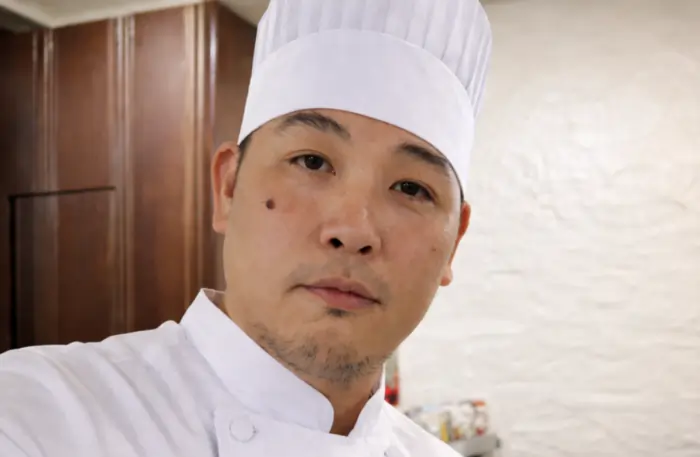
Chef Juan Gadi brings the heart of Filipino hospitality to Ubud, Bali. As an Executive Chef and consultant, he specializes in creating intimate, curated dining experiences that tell a story through every dish. Whether leading the kitchen at Kilig Filipino Warung or hosting a private villa dinner, Chef Juan’s approach is defined by warmth, modern technique, and a commitment to culinary excellence.