Authentic Foods That Preserve Filipino Ancient Roots Key Takeaways
To understand which foods carry the deepest roots, we have to look at what existed before Spanish colonization.
- Learn which authentic foods that preserve Filipino ancient roots are still cooked in homes today, and how they connect to pre-colonial life.
- Discover the indigenous ingredients—like ube , pandan , and kalabasa —that have anchored Filipino kitchens for thousands of years.
- Understand why preserving these foods matters for cultural identity, food sovereignty, and the future of Filipino gastronomy.
What Makes a Filipino Dish Truly Ancient?
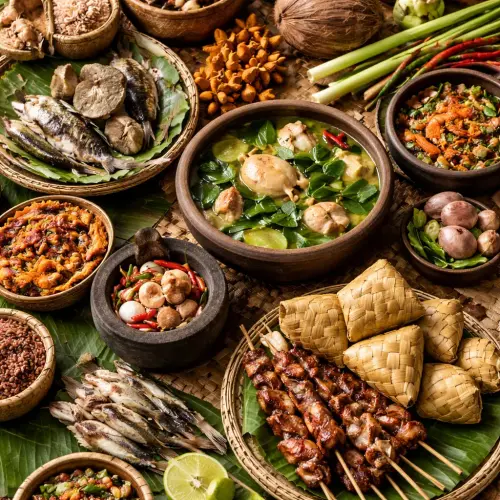
To understand which foods carry the deepest roots, we have to look at what existed before Spanish colonization. Pre colonial Filipino dishes relied on local resources: root crops, seafood, native vegetables, and fermentation. Tools like clay pots (palayok), bamboo steamers, and stone grinders shaped cooking techniques that are still used today. These dishes were not just food—they were vessels for community, ritual, and survival. When we ask what authentic Filipino foods come from ancient roots, the answer lies in those unbroken traditions. For a related guide, see 12 Filipino Dishes That Connect Two Great Island Cultures.
12 Authentic Foods That Preserve Filipino Ancient Roots: Essential Heritage Dishes to Know
1. Sinigang: The Sour Broth of Ancestral Rivers
Ancient origin/proof: Sinigang’s souring agent—typically sampalok (tamarind), but also kamias or batuan—is native to the Philippines. Pre-colonial communities used these fruits to preserve meat and fish without refrigeration. The dish appears in early Spanish accounts as a common Tagalog stew.
Indigenous ingredients: Tamarind, kangkong (water spinach), sitaw (long beans), labanos (radish), and native pork or fish. No dairy, no wheat—purely local.
Traditional preparation/preservation: Women would pound tamarind pulp, boil it with water, then strain it to extract the sour juice. The broth was simmered with fish or meat and vegetables foraged from the fields.
Cultural meaning/ritual: Sinigang was often served during harvest celebrations and family gatherings. Its sourness was believed to cool the body in the tropical heat.
Connection to modern Filipinos: Sinigang remains a comfort food staple. Modern variants use instant tamarind mixes, but many home cooks still insist on fresh sampalok, proving how ancient food practices influence modern Filipino dishes. For a related guide, see 8 Filipino Flavors That Make Bali More Special.
2. Kinilaw: The Raw Fish Wisdom of the Visayans
Ancient origin/proof: Kinilaw predates Spanish contact by centuries. The word comes from the Visayan kilaw meaning “eaten fresh.” Early Filipinos used vinegar from coconut sap or sugarcane to “cook” raw fish chemically, a technique shared with Southeast Asian neighbors like the ceviche of Latin America.
Indigenous ingredients: Fresh fish (tanigue, tulingan), native vinegar (sukang iloko, sukang paombong), ginger, sili (native chili), and calamansi.
Traditional preparation/preservation: Fishermen would clean the catch immediately at sea, marinate it in vinegar and salt, then let it sit in a clay pot for 20–30 minutes. No fire needed.
Cultural meaning/ritual: Kinilaw was a communal dish—everyone dipped their hands into the same bowl. It symbolized trust and shared resources.
Connection to modern Filipinos: Kinilaw is now a prized appetizer in restaurants and home celebrations. It answers how ancient food practices influence modern Filipino dishes by demonstrating how fermentation and acidity replaced refrigeration.
3. Adobo (Pre-Colonial Version): Vinegar Braising Before Soy Sauce
Ancient origin/proof: The original adobo had no soy sauce—only vinegar, salt, garlic, and native peppercorns. The name was given by Spanish colonizers who saw a similarity to their own adobo, but the technique of braising meat in vinegar to preserve it is indigenous.
Indigenous ingredients: Native vinegar (sukang tuba), salt, garlic, black peppercorns (native to Southeast Asia), and bay leaves (native to the Philippines).
Traditional preparation/preservation: Meat was browned in animal fat (often pork lard), then simmered in vinegar until tender. The high acid environment prevented spoilage in the tropical climate.
Cultural meaning/ritual: Adobo was a practical solution for storing meat without ice. Families would make large batches during fiesta preparations.
Connection to modern Filipinos: Today’s adobo with soy sauce is a colonial hybrid, but the traditional vinegar-only version is still cooked in rural areas. This dish shows what foods reflect early Filipino culture in its resourcefulness.
4. Tinola: The Ginger-Hearted Comfort Soup
Ancient origin/proof: Tinola appears in early Philippine epics like Biag ni Lam-ang (14th–16th century), where the hero’s mother prepares it with native chicken and papaya. It is one of the oldest documented Filipino dishes.
Indigenous ingredients: Native chicken (manok), unripe papaya (a local fruit), ginger (luya), malunggay (moringa) leaves, and sili.
Traditional preparation/preservation: Ginger was pounded to release flavor, then sautéed in lard. Chicken was simmered in water with papaya and moringa leaves until tender. No cream or butter needed.
Cultural meaning/ritual: Tinola was given to new mothers to warm their bodies and aid lactation. It was also served during cold nights and rainy days.
Connection to modern Filipinos: Tinola remains a household favorite. When people ask which Filipino dishes are pre colonial in origin, tinola is always near the top of the list.
5. Binalay (Pangasinan’s Sticky Rice Treat)
Ancient origin/proof: Binalay (also called suman in other regions) has been made for over a thousand years. Rice cultivation in the Cordilleras dates back to 3000 BCE. Binalay is simply cooked glutinous rice wrapped in banana leaves.
Indigenous ingredients: Glutinous rice (malagkit), coconut milk, salt, and banana leaves for wrapping.
Traditional preparation/preservation: Rice was soaked overnight, then mixed with coconut milk and salt. The mixture was spooned onto banana leaves, folded into cylinders, and steamed in an earthen pot.
Cultural meaning/ritual: Binalay was offered to spirits during harvest rituals and carried by travelers as a durable snack. It was also part of wedding ceremonies.
Connection to modern Filipinos: This snack is still sold by vendors in Pangasinan and Ilocos. It represents how does Filipino cuisine preserve ancient traditions through humble, portable foods.
6. Burong Isda: Fermented Fish from the Pre-Colonial Pantry
Ancient origin/proof: Burong isda is a form of fermented fish that predates refrigeration. Early Filipinos relied on lacto-fermentation to preserve seasonal catches. Archaeological evidence of fish fermentation in Southeast Asia dates back to 4000 BCE.
Indigenous ingredients: Freshwater fish (like dalag or tilapia), rice, salt, and ang
Frequently Asked Questions About Authentic Foods That Preserve Filipino Ancient Roots
What is Authentic Foods That Preserve Filipino Ancient Roots?
Authentic Foods That Preserve Filipino Ancient Roots is covered in the guide above with practical context, useful examples, and details readers can use to make a better decision.
Why is Authentic Foods That Preserve Filipino Ancient Roots important?
Authentic Foods That Preserve Filipino Ancient Roots is covered in the guide above with practical context, useful examples, and details readers can use to make a better decision.
How does Authentic Foods That Preserve Filipino Ancient Roots work?
Authentic Foods That Preserve Filipino Ancient Roots is covered in the guide above with practical context, useful examples, and details readers can use to make a better decision.
Who should care about Authentic Foods That Preserve Filipino Ancient Roots?
Authentic Foods That Preserve Filipino Ancient Roots is covered in the guide above with practical context, useful examples, and details readers can use to make a better decision.
What are the main benefits of Authentic Foods That Preserve Filipino Ancient Roots?
Authentic Foods That Preserve Filipino Ancient Roots is covered in the guide above with practical context, useful examples, and details readers can use to make a better decision.
What are the common mistakes with Authentic Foods That Preserve Filipino Ancient Roots?
Authentic Foods That Preserve Filipino Ancient Roots is covered in the guide above with practical context, useful examples, and details readers can use to make a better decision.
How do beginners start with Authentic Foods That Preserve Filipino Ancient Roots?
Authentic Foods That Preserve Filipino Ancient Roots is covered in the guide above with practical context, useful examples, and details readers can use to make a better decision.
What should readers know before choosing Authentic Foods That Preserve Filipino Ancient Roots?
Authentic Foods That Preserve Filipino Ancient Roots is covered in the guide above with practical context, useful examples, and details readers can use to make a better decision.
How can Authentic Foods That Preserve Filipino Ancient Roots be compared with other options?
Authentic Foods That Preserve Filipino Ancient Roots is covered in the guide above with practical context, useful examples, and details readers can use to make a better decision.
What makes Authentic Foods That Preserve Filipino Ancient Roots different?
Authentic Foods That Preserve Filipino Ancient Roots is covered in the guide above with practical context, useful examples, and details readers can use to make a better decision.
Is Authentic Foods That Preserve Filipino Ancient Roots worth it?
Authentic Foods That Preserve Filipino Ancient Roots is covered in the guide above with practical context, useful examples, and details readers can use to make a better decision.
How much time does Authentic Foods That Preserve Filipino Ancient Roots usually take?
Authentic Foods That Preserve Filipino Ancient Roots is covered in the guide above with practical context, useful examples, and details readers can use to make a better decision.
What are the risks of Authentic Foods That Preserve Filipino Ancient Roots?
Authentic Foods That Preserve Filipino Ancient Roots is covered in the guide above with practical context, useful examples, and details readers can use to make a better decision.
How can readers get better results from Authentic Foods That Preserve Filipino Ancient Roots?
Authentic Foods That Preserve Filipino Ancient Roots is covered in the guide above with practical context, useful examples, and details readers can use to make a better decision.
What tools or resources help with Authentic Foods That Preserve Filipino Ancient Roots?
Authentic Foods That Preserve Filipino Ancient Roots is covered in the guide above with practical context, useful examples, and details readers can use to make a better decision.
What are the best practices for Authentic Foods That Preserve Filipino Ancient Roots?
Authentic Foods That Preserve Filipino Ancient Roots is covered in the guide above with practical context, useful examples, and details readers can use to make a better decision.
Can Authentic Foods That Preserve Filipino Ancient Roots help long term?
Authentic Foods That Preserve Filipino Ancient Roots is covered in the guide above with practical context, useful examples, and details readers can use to make a better decision.
What should be avoided with Authentic Foods That Preserve Filipino Ancient Roots?
Authentic Foods That Preserve Filipino Ancient Roots is covered in the guide above with practical context, useful examples, and details readers can use to make a better decision.
How often should readers review Authentic Foods That Preserve Filipino Ancient Roots?
Authentic Foods That Preserve Filipino Ancient Roots is covered in the guide above with practical context, useful examples, and details readers can use to make a better decision.
What is the next step after learning about Authentic Foods That Preserve Filipino Ancient Roots?
Authentic Foods That Preserve Filipino Ancient Roots is covered in the guide above with practical context, useful examples, and details readers can use to make a better decision.
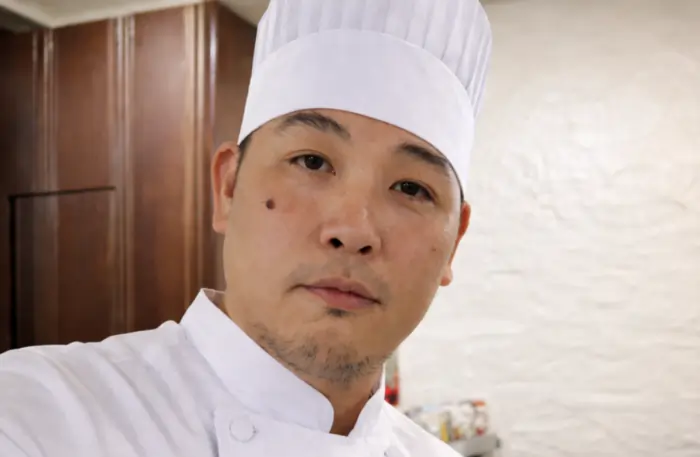
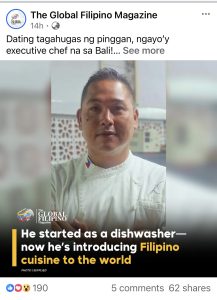
Chef Juan Gadi brings the heart of Filipino hospitality to Ubud, Bali. As an Executive Chef and consultant, he specializes in creating intimate, curated dining experiences that tell a story through every dish. Whether leading the kitchen at Kilig Filipino Warung or hosting a private villa dinner, Chef Juan’s approach is defined by warmth, modern technique, and a commitment to culinary excellence.