Pinoy Meals That Celebrate Family and Local Culture Key Takeaways
Filipino cuisine is a vibrant tapestry of flavors that tells the story of family, community, and heritage.
- These dishes, from humble adobo to festive lechon , serve as the centerpiece of Filipino dishes for family gatherings , reinforcing how Filipino food reflects family values of sharing and respect.
- Regional diversity means every province offers unique foods that represent local Filipino culture , from Ilocos bagnet to Pampanga’s sisig.
- Understanding the importance of meals in Filipino culture reveals how food acts as a language of love, hospitality, and togetherness.
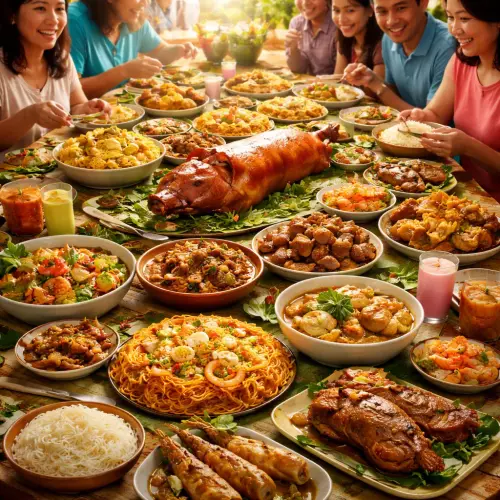
The Heart of the Filipino Table: Why Pinoy Meals Celebrate Family and Culture
In every Filipino home, the kitchen is the soul of the house. The simmering pot of adobo, the sizzling of pork sinigang, and the sweet aroma of leche flan are not just sensory pleasures—they are the soundtrack of family life. When we talk about Pinoy Meals That Celebrate Family and Local Culture, we are talking about the very fabric of Filipino society. These meals are the bridges that connect grandparents to grandchildren, Manila to Mindanao, and the diaspora back to their roots.
Sharing a meal in the Philippines is an act of love. It says, “You are family.” This is the core of how Pinoy meals strengthen family bonds. The importance of meals in Filipino culture cannot be overstated; it is through these shared dishes that values of Filipino hospitality and community are taught and cherished. For a related guide, see 12 Filipino Dishes That Connect Two Great Island Cultures.
What Makes a Filipino Meal a Family Affair?
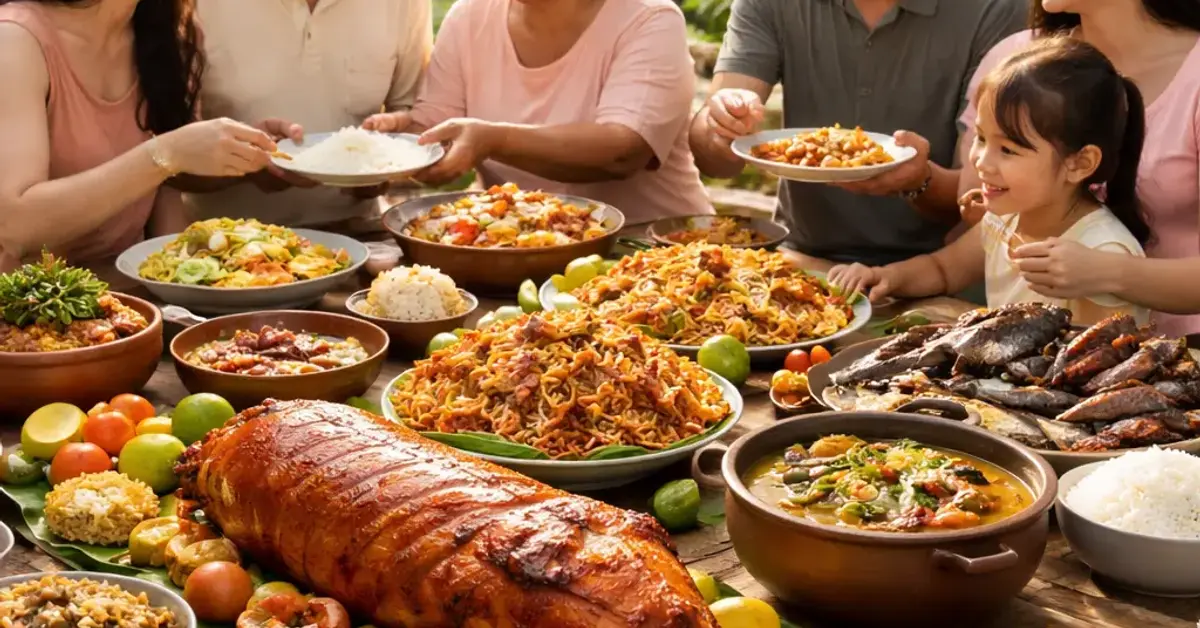
Filipino meals are rarely solitary. Even a simple breakfast of tapsilog (tapa, sinangag, itlog) is often shared. The traditional Filipino family meals are designed for community—a large pot of nilaga or bulalo is meant to be ladled out for everyone. This communal style of eating, known as “salo-salo,” emphasizes togetherness. It answers the question, “Why is sharing food important in the Philippines?” It is because sharing is the foundation of meals that reflect Filipino community life.
12 Pinoy Meals That Celebrate Family and Local Culture: A Culinary Journey
1. Adobo: The National Dish of Togetherness
No list of Pinoy Meals That Celebrate Family and Local Culture is complete without adobo. This simple dish of meat (usually chicken or pork) braised in soy sauce, vinegar, garlic, bay leaves, and peppercorns is a comfort food staple. Every family has its own version—some add coconut milk (adobo sa gata), others use turmeric. The beauty of adobo is its ability to stay delicious for days, making it perfect for family trips or baon (packed lunch). It is the ultimate cultural Filipino home meal that teaches resourcefulness and the value of making a little go a long way.
2. Sinigang: The Sour Hug in a Bowl
Sinigang is the quintessential Filipino dish for family gatherings on a rainy day. This sour soup, made with tamarind (or other souring agents like guava or kamias), pork, shrimp, or fish, and a bounty of vegetables, is a comfort food powerhouse. It reflects the Filipino value of “malasakit” (empathy)—it is a dish made to warm the heart and soothe the soul. When studying how Filipino food reflects family values, sinigang shows the nurturing side of Pinoy culture.
3. Lechon: The Fiesta Centerpiece
Lechon is the undisputed king of Filipino dishes popular in fiestas. A whole roasted pig, with its crispy, crackling skin and tender, flavorful meat, is the ultimate symbol of celebration. Whether it’s for a town fiesta, a birthday, or a grand reunion, lechon brings everyone to the table. It answers, “What dishes are served during Filipino celebrations?” with undeniable authority. The process of roasting lechon is a communal event itself, often involving the whole barangay.
4. Kare-Kare: The Dish of Patience and Community
Kare-kare is a labor of love. This oxtail and tripe stew, thickened with ground peanuts and served with bagoong (fermented shrimp paste), requires hours of slow cooking. It is a dish that demands patience and cooperation to prepare, often made for special Sunday lunches. It is a prime example of how Pinoy meals strengthen family bonds through shared effort and anticipation. The rich, nutty gravy and tender meat make it a nostalgic favorite for many Filipino families.
5. Bicol Express: A Spicy Taste of Regional Pride
Hailing from the Bicol region, this fiery dish of pork, coconut milk, and siling labuyo (bird’s eye chili) captures the bold spirit of its people. It is a perfect example of how regional dishes shape Filipino culture. The use of coconut milk is a staple in Bicolano cooking, showcasing the abundance of the region. Bicol Express is a dish that sparks conversation—it is hot, flavorful, and unforgettable, just like the family memories made around it.
6. Pancit: The Noodles of Long Life
No Filipino birthday party is complete without pancit. This stir-fried noodle dish (available in countless variations like bihon, canton, or sotanghon) symbolizes long life and good health. The importance of meals in Filipino culture is clearly seen in pancit—it is a dish served with intention and blessing. It is a must-have at Filipino dishes for family gatherings and a common offering in food shows Filipino hospitality.
7. Lumpia: The Crispy Rolls of Joy
Lumpia are crispy spring rolls filled with a savory mix of vegetables and meat. They are the life of the party—a finger food that encourages mingling and sharing. Whether served fresh (lumpia sariwa) or fried (lumpiang shanghai), these rolls are a staple at family reunions and fiestas. They represent the foods that represent local Filipino culture and the joy of simple, shared pleasures. For a related guide, see 14 Traditional Pinoy Foods Loved in Tropical Bali.
8. Sisig: The Sizzling Bonding Experience
Originating from Pampanga (the culinary capital of the Philippines), sisig is a sizzling dish made from chopped pig face, chicken liver, and onions, seasoned with calamansi and chili. It is more than a dish; it is an experience. Shared on a hot plate over a few cold beers, sisig encourages conversation and laughter. It perfectly embodies meals that reflect Filipino community life and the vibrant social culture of the country.
9. Bulalo: The Beefy Embrace of Family
Bulalo is a hearty beef shank soup simmered for hours until the bone marrow is rich and the meat is fall-off-the-bone tender. Served with cabbage, corn, and potatoes, it is the ultimate comfort food for a family gathering. The slow-cooking process teaches the value of patience and anticipation. It is a classic traditional Filipino family meal that provides both nourishment and warmth.
10. Chicken Inasal: The Fiery Flames of Community
Iloilo City is famous for its Chicken Inasal—grilled chicken marinated in a special blend of vinegar, calamansi, lemongrass, and annatto oil. Cooked over hot coals, the smoky flavor is unmatched. Eating inasal is often a community affair, with people lining up at food stalls (inasalan) to enjoy it with rice and sinamak (spiced vinegar). It is a prime example of how regional dishes shape Filipino culture by creating a culinary identity that brings locals and tourists together.
11. Dinuguan: The Dish of Courage and Flavor
Dinuguan is a savory stew made from pork blood, meat, and innards, cooked with chili and vinegar. Often served with puto (rice cakes), it is a dish that challenges the palate and celebrates resourcefulness. Many Filipino families have a special bond over dinuguan—those who love it often share a secret understanding. It is a deep cultural dish that shows the foods that represent local Filipino culture in its most authentic, no-frills form.
12. Leche Flan: The Sweet Finale of Family Love
No celebration is complete without the silky, caramel-covered Leche Flan. This dessert is a classic cultural Filipino home meal that grandmothers are famous for. Every spoonful of this creamy custard is a taste of tradition. Its labor-intensive preparation (steaming or baking) symbolizes the effort families put into making each celebration special. It answers, “Which Filipino dishes are common for family gatherings?”—it is the sweet note that ends every joyous feast.
How Pinoy Meals Strengthen Family Bonds and Preserve Heritage
The journey through these 12 dishes reveals a profound truth: Pinoy Meals That Celebrate Family and Local Culture are more than just sustenance—they are the glue that holds Filipino families together. From the bustling kitchens of Metro Manila to the quiet provinces of the Visayas and Mindanao, these meals teach Filipino cuisine family traditions. They are a way for OFWs to feel close to home and for younger generations to learn their heritage. Food shows Filipino hospitality in the most genuine way—it is an invitation to love, to share, and to belong. For a related guide, see 12 Filipino Dishes That Connect Two Great Island Cultures.
The Role of Regional Dishes in Shaping National Identity
As we have seen, regional dishes shape Filipino culture by offering a diversity of flavors within a unified national identity. The importance of meals in Filipino culture is not monolithic; it is a beautiful mosaic of local ingredients, colonial influences, and indigenous cooking methods. What Pinoy meals celebrate family and culture is answered by the unique story that each province tells through its food.
Useful Resources
To further explore the richness of Filipino cuisine and culture, consider these credible sources:
- Explore Filipino Food Traditions: Visit the Spruce Eats guide to Filipino cuisine for detailed recipes and cultural background on many of these classic dishes.
- Learn from Cultural Experts: The National Commission for Culture and the Arts (NCCA) page on Filipino cuisine offers an authoritative look at how food intersects with national identity and history.
Frequently Asked Questions About Pinoy Meals That Celebrate Family and Local Culture
What Pinoy meals celebrate family and culture ?
Dishes like adobo, sinigang, lechon, and kare-kare are classic examples. These Pinoy Meals That Celebrate Family and Local Culture are often served during gatherings, embodying hospitality and togetherness.
Which Filipino dishes are common for family gatherings?
Pancit, lumpia, lechon, and sinigang are among the most common Filipino dishes for family gatherings. They are designed to be shared and are often present at birthdays, fiestas, and reunions.
How does Filipino food reflect family values?
Filipino food reflects family values by emphasizing sharing, resourcefulness, and love. Meals are often large and meant for the whole family, teaching generosity and togetherness.
Why are meals important in Filipino culture?
The importance of meals in Filipino culture extends beyond nutrition. Meals are central to social bonding, hospitality, and the preservation of traditions and family stories.
What dishes are served during Filipino celebrations?
Dishes served during Filipino celebrations often include lechon, pancit, kare-kare, and leche flan. These festive foods symbolize abundance, long life, and communal joy.
How do Pinoy meals strengthen family bonds?
How Pinoy meals strengthen family bonds is through the act of “salo-salo” (eating together). The preparation and sharing of food become a family ritual that fosters communication and closeness.
What foods represent local Filipino culture ?
Foods that represent local Filipino culture include adobo, sinigang, lechon, and regional specialties like Bicol Express. They showcase the diversity and history of the archipelago.
Which Filipino dishes are popular in fiestas?
Filipino dishes popular in fiestas include lechon, pancit, morcon, and embutido. These are dishes that require effort to make, reflecting the community’s celebration spirit.
How does food show Filipino hospitality?
Food shows Filipino hospitality through the tradition of offering the best dishes to guests. “Kain tayo” (Let’s eat) is a warm invitation that symbolizes welcome and generosity.
What are traditional Filipino family meals ?
Traditional Filipino family meals include breakfast like tapsilog, lunch with adobo and sinigang, and dinner with fried fish and vegetables. These meals are balanced and family-focused.
Why is sharing food important in the Philippines?
Why is sharing food important in the Philippines is rooted in values like “pakikisama” (getting along) and “bayanihan” (community spirit). It builds trust and strengthens relationships.
What meals reflect Filipino community life ?
Meals that reflect Filipino community life are communal dishes like bulalo, sinigang, and kare-kare. They are served in large pots, encouraging everyone to gather and eat together.
How do regional dishes shape Filipino culture ?
Regional dishes shape Filipino culture by adding unique flavors and ingredients to the national palate. Dishes like Bicol Express or Chicken Inasal give each province a distinct culinary identity.
What are examples of cultural Filipino home meals ?
Cultural Filipino home meals include simple yet beloved dishes like adobo, tortang talong, giniling, and sinangag (garlic fried rice). They are the everyday meals that families cherish.
Why is Filipino cuisine central to family traditions?
Filipino cuisine is central to family traditions because it is a vessel for memory. Recipes are passed down, and the act of cooking together is a way to honor ancestors and teach younger generations.
How can OFWs use these meals to maintain family connection?
OFWs can cook and share Pinoy Meals That Celebrate Family and Local Culture with friends abroad, or video call family during meal preparations to recreate the shared experience from afar.
What is the best dish to serve during a Filipino family reunion?
Lechon is the ultimate dish for a large reunion, but pancit and lumpia are also excellent Filipino dishes for family gatherings because they are easy to share and loved by all ages.
Are there vegetarian options among these Pinoy meals?
Yes, dishes like lumpiang sariwa, laing (taro leaves in coconut milk), and sinigang na baboy (which can use tofu or fish) are great options. Adobo and kare-kare can also be made vegetarian.
How can I learn to cook these traditional Filipino dishes?
You can learn by asking elder family members, watching Filipino cooking shows, or following trusted online resources that focus on cultural Filipino home meals and authentic techniques.
What is the role of rice in Filipino family meals?
Rice is the foundation of every Filipino meal. It serves as the neutral base that balances the bold flavors of the viand, and its presence underscores the importance of meals in Filipino culture as a filling, unifying staple.
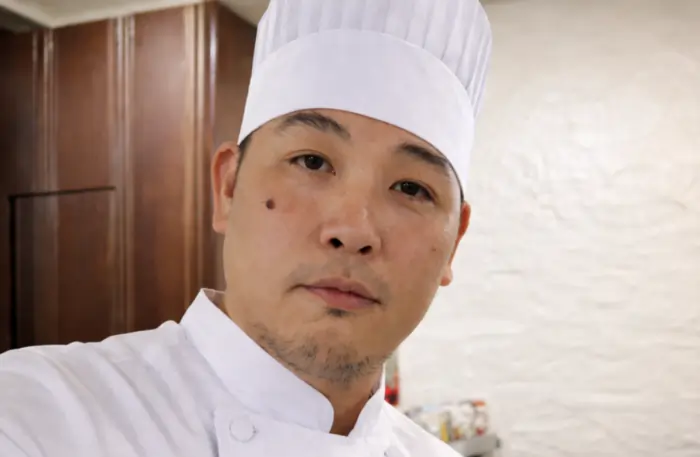
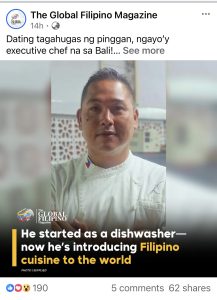
Chef Juan Gadi brings the heart of Filipino hospitality to Ubud, Bali. As an Executive Chef and consultant, he specializes in creating intimate, curated dining experiences that tell a story through every dish. Whether leading the kitchen at Kilig Filipino Warung or hosting a private villa dinner, Chef Juan’s approach is defined by warmth, modern technique, and a commitment to culinary excellence.