Filipino Comfort Foods Perfect After Bali Adventures Key Takeaways
After a long day of surfing Uluwatu’s waves or trekking through Tegallalang’s rice terraces, nothing restores the spirit like the warmth of Filipino comfort foods perfect after Bali adventures .
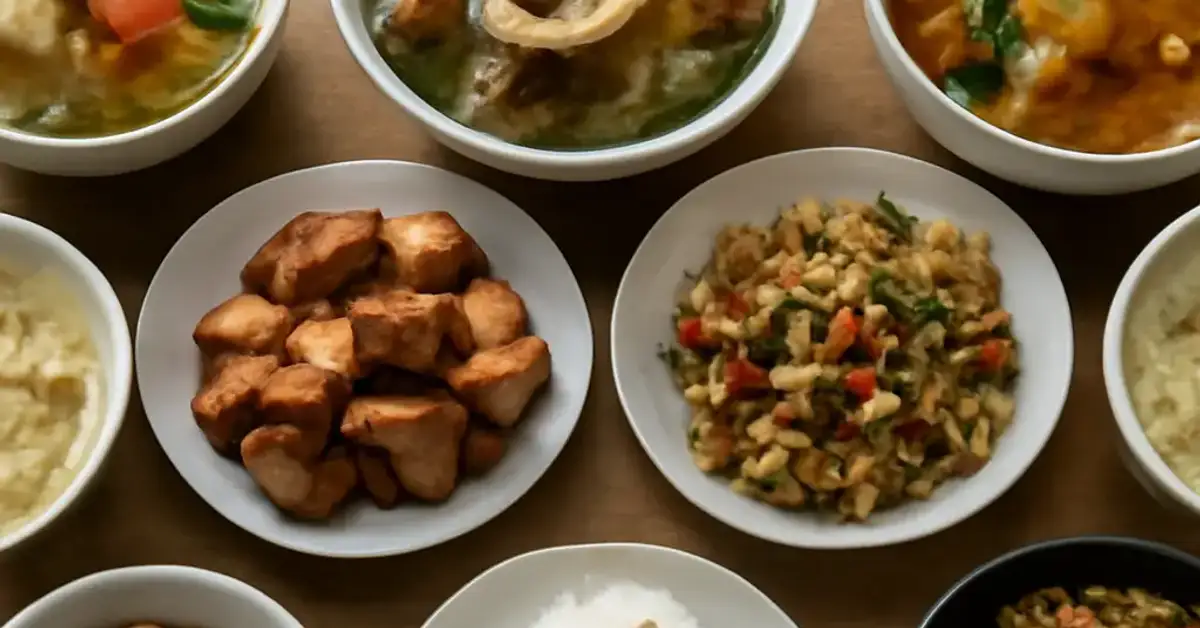
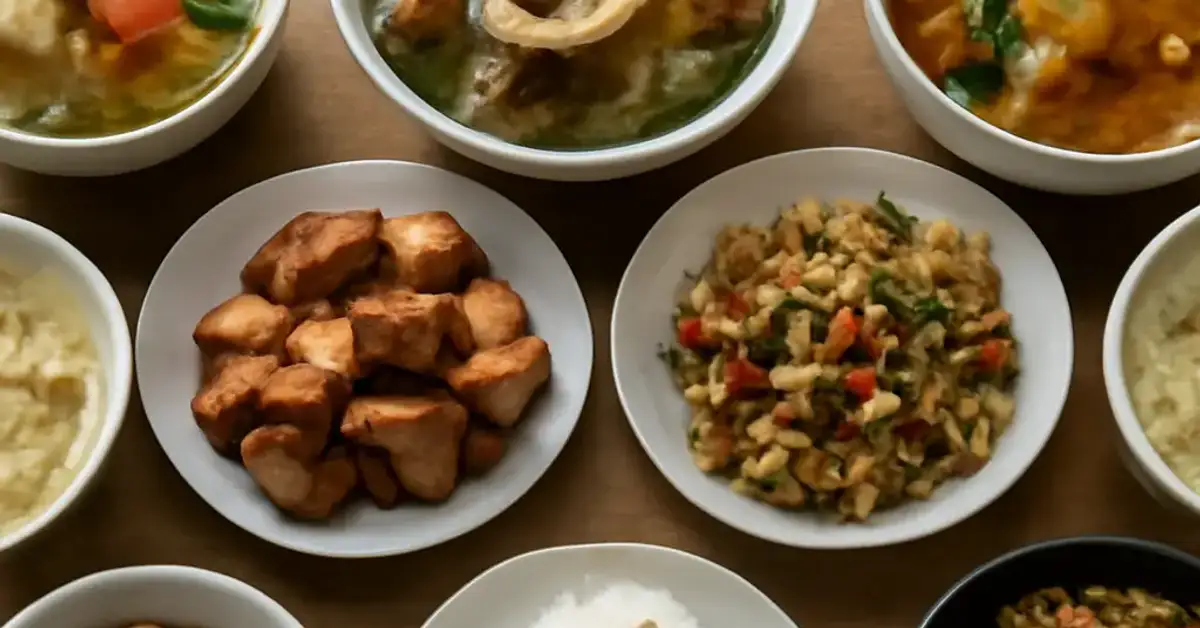
- Filipino comfort foods perfect after Bali adventures like sinigang and adobo offer sour and savory profiles that rebalance electrolytes after outdoor exertion.
- Rice-based meals such as tapsilog and boodle fights provide high-energy carbohydrates and protein ideal for post-hike recovery.
- Desserts like halo-halo and turon cool down the body and soul, making them essential stops after a humid day of island exploration.
Why Travelers Crave Filipino Comfort Food After Bali Adventures
Bali seduces every sense — the salt on your skin after a morning at Padang Padang, the scent of frangipani flowers, the hum of a gamelan orchestra. But a day of exploration leaves you depleted. That is when the body starts whispering for comforting dishes that taste like home and nourish like medicine.
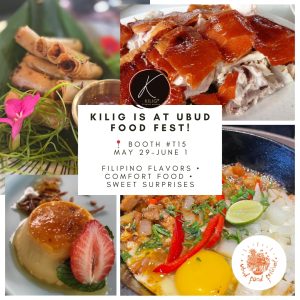
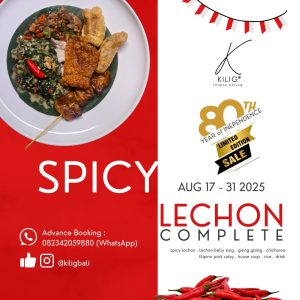
As Chef Juan Gadi — who runs the kitchen at Kilig Filipino Warung in Ubud — often says, “After a long adventure, the palate wants something familiar yet exciting.” The Filipino cuisine tradition of hearty meals cooked with vinegar, soy, and tamarind offers the perfect answer. These are meals designed to restore energy, soothe tired muscles, and remind you that island life is best enjoyed with a full stomach.
Southeast Asian cuisine shares many ingredients across borders — lemongrass, coconut, chili — but Filipino cooking adds a distinct sour-salty-sweet balance that cuts through tropical fatigue. Whether you are an OFW missing lola’s cooking or a first-time visitor curious about authentic Filipino food, these nine dishes will refuel your body and spirit. For a related guide, see 9 Filipino Food Traditions That Suit Bali Escapes.
1. Sinigang — A Warm Embrace in a Bowl
Imagine returning from a sunrise hike up Mount Batur. Your legs ache, your throat is dry, and the tropical heat lingers. The first spoonful of sinigang — a tamarind-based soup loaded with vegetables and tender pork or shrimp — wakes up your taste buds with its signature sourness. This is warm Filipino soups at their finest.
Sinigang is not just food; it is rehydration therapy. The natural electrolytes from the broth, combined with the vitamin C from kangkong (water spinach) and radish, help replace what you sweated out during your trek. For travelers who crave authentic Filipino comfort cuisine after a strenuous day, sinigang delivers instant relief.
At Kilig, we serve it with a side of patis (fish sauce) and fresh siling labuyo. The heat cuts through the sour broth beautifully, mirroring the contrast between Bali’s humid afternoons and cool mountain mornings.
Why it works post-Bali: The sour broth rebalances electrolytes lost through sweat. The tender protein and soft vegetables are easy to digest, making it ideal for relaxing meals after adventures.
2. Chicken Adobo — The National Dish for Exhausted Travelers
Every culture has a dish that defines home. For Filipinos, it is adobo — chicken or pork braised in soy sauce, vinegar, garlic, bay leaves, and peppercorns. It is one of the Filipino comfort food staples that transcends social class and geography.
After a day of chasing waterfalls in Munduk or cycling through Ubud’s backroads, your muscles cry for protein. Adobo delivers in spades. The vinegar acts as a natural tenderizer, while the soy sauce provides deep umami that satisfies the palate without being heavy. This is home style meals that taste even better the next day — perfect for travelers who want to make extra and reheat it in their villa’s kitchen.
Tropical travel food should be portable and forgiving. Adobo does not spoil easily at room temperature, making it an excellent companion for a beach picnic at Seminyak. Pair it with steaming white rice, and you have the ultimate post-adventure fuel.
3. Tapsilog — The Breakfast That Fuels Island Exploration
Any list of rice meals must begin with tapsilog — sweet cured beef tapa served with garlic fried rice and a fried egg. It is the most famous of the “silog” family and a non-negotiable experience for anyone exploring island dining in Bali.
I have served tapsilog to surfers who paddled out at dawn and returned ravenous by 10 AM. The combination of salty-sweet beef, crunchy sinangag (garlic rice), and runny yolk creates a symphony of textures that energize you for the rest of the day. Tapsilog is one of the best Filipino dishes for vacationers because it is quick, filling, and endlessly customizable.
Chef Juan’s version uses a seven-day marinade of pineapple juice and soy sauce, reflecting the tropical influence of both Bali and the Philippines. The slight sweetness echoes the flavor of ripe mangoes, bridging the two archipelagos beautifully.
4. Boodle Fight — Community Dining for Groups
Traveling in a group? Nothing bonds people like a boodle fight — a military-inspired feast where banana leaves replace plates and everyone eats with their hands. Spread across the table are mountains of rice, grilled seafood, crispy pork belly, salted eggs, and fresh vegetables. This is island inspired Filipino dining at its most communal.
After a group surf lesson or a team-building rice terrace walk, sharing a boodle fights fosters connection. The tactile experience of eating with your hands grounds you, reminding you that food is not just fuel — it is celebration. For travelers seeking satisfying island dining experiences, this is the ultimate reward.
The variety of proteins and vegetables ensures everyone finds something they love. Plus, the messiness of it all is part of the fun — a perfect metaphor for the happy chaos of traveling with friends.
5. Kare-Kare — Oxtail Stew for Deep Comfort
There are days when only a thick, peanut-based stew will do. Kare-kare is that dish — oxtail and tripe simmered until fall-apart tender, swimming in a rich sauce thickened with ground toasted rice and peanut butter. It is served with bagoong (fermented shrimp paste) on the side for contrast.
Comforting dishes like kare-kare are perfect for rainy Bali afternoons or evenings after a long day of temple hopping. The slow-cooked collagen from the oxtail soothes joints and muscles, while the creamy sauce coats every grain of rice. It is one of the hearty meals for tourists who miss the soulfulness of grandmother’s cooking.
Finding kare-kare in Bali requires a bit of hunting, but spots like Kilig Filipino Warung in Ubud serve an authentic version that tastes like it came straight from Pampanga. The bagoong adds that funky, briny kick that keeps your palate engaged.
6. Bulalo — Bone Marrow Soup for Serious Replenishment
Bulalo is the heavyweight champion of Filipino soups. A clear beef shank broth simmered for hours until the marrow melts into the liquid, floating with corn on the cob, cabbage, and potatoes. It is liquid gold for tired bodies.
After a day of diving at Nusa Penida or hiking the Campuhan Ridge, bulalo replenishes not just calories but morale. The gelatin from the bone marrow supports joint health — essential for travelers who push their physical limits. This is post travel Filipino dishes that heal from the inside out.
In Bali, where the weather can shift from blazing sun to sudden downpour, bulalo warms you without weighing you down. Dip the bone marrow onto your rice and watch your energy return.
7. Turon — Crispy Banana Rolls for On-the-Go Snacking
Not every post-adventure meal needs to be a full spread. Sometimes you just want a sweet, crunchy pick-me-up. Turon — saba bananas wrapped in lumpia wrappers, fried until caramelized, and dusted with sugar — is one of the best Filipino snacks for travelers on the move.
I have handed turon to exhausted travelers at the end of a long day exploring Ubud’s monkey forest. The contrast between the crispy exterior and the soft, sweet banana interior feels like a mini celebration. It is portable, shareable, and instantly uplifting.
Filipino desserts like turon pair beautifully with a cup of Balinese kopi luwak or a cold glass of fresh coconut water. It is a simple pleasure that captures the sweetness of island life.
8. Halo-Halo — The Ultimate Tropical Cool-Down
Bali’s humidity demands a cold dessert. Halo-halo — meaning “mix-mix” — is a shaved ice masterpiece layered with sweet beans, jackfruit, macapuno, leche flan, ube jam, and ice cream. It is a riot of textures and flavors that mirrors the chaos and beauty of travel itself.
After an afternoon of shopping at Ubud Market or lounging at Potato Head Beach Club, halo-halo provides instant refreshment. The crushed ice melts slowly, hydrating you while the sweet components replenish glycogen stores. It is one of those tropical comfort food ideas that tourists fall in love with immediately.
In Bali, some warungs serve halo-halo with pandan jelly and young coconut for extra tropical flair. The purple of the ube against the white ice is a visual treat — Instagram-worthy and delicious.
9. Leche Flan — A Silky Finish to Any Meal
The final dish on our list is the simplest and perhaps the most beloved: leche flan. This caramel custard made from egg yolks, condensed milk, and evaporated milk is the quintessential Filipino dessert for every occasion.
After a heavy meal of adobo and rice, a slice of leche flan cleanses the palate with its silky sweetness. It is light enough to not feel heavy but satisfying enough to end the meal on a high note. For travelers indulging in travel dining experiences in Bali, leche flan is the perfect period at the end of a flavorful sentence.
Chef Juan’s version includes a touch of vanilla bean and a sprinkle of sea salt on top — a nod to Bali’s seaside location. It cuts the sweetness and adds a layer of sophistication to a classic.
Useful Resources
Explore more about the Filipino culinary tradition and its connection to island travel:
- Pepper.ph — A comprehensive guide to authentic Filipino recipes and kitchen techniques.
- TasteAtlas: Filipino Cuisine — Explore the ranking and location of classic Filipino dishes around the world.
Frequently Asked Questions About Filipino Comfort Foods Perfect After Bali Adventures
What Filipino comfort foods are best after exploring Bali?
Sinigang, chicken adobo, and tapsilog top the list because they provide hydration, protein, and easy digestion after physical activity. These are some of the best Filipino comfort foods perfect after Bali adventures.
Why do travelers crave Filipino comfort food after adventures?
Travelers often crave familiar, savory flavors that remind them of home. The sour and savory notes in Filipino cuisine help rebalance the body after sweating under the tropical sun during Bali adventures. For a related guide, see 8 Filipino Villa Dining Experiences Worth Exploring.
Which Filipino dishes help tourists recharge after island activities?
Hearty meals like bulalo, kare-kare, and tapsilog are excellent for recharging because they combine protein, carbohydrates, and healthy fats. These are classic rice meals that restore energy efficiently.
What are the most satisfying Filipino meals in Bali?
A boodle fight or a bowl of sinigang paired with garlic rice offers the most satisfying experience. These comforting dishes are portioned for generous appetites after Bali adventures.
How does Filipino comfort food help homesick travelers?
For OFWs and Filipino travelers abroad, dishes like adobo and sinigang evoke memories of family dinners and hometown Sundays. This emotional comfort is as important as the nutritional value of Filipino comfort food.
Which warm Filipino soups are ideal after Bali tours?
Filipino soups like sinigang and bulalo are ideal because they are broth-based, hydrating, and packed with vegetables. They soothe the stomach after a long day of Bali adventures.
Are there Filipino rice meals perfect for tired tourists?
Yes — tapsilog, longsilog, and boodle fights are all rice meals that provide the carbohydrates necessary for recovery. These hearty meals are staples of Filipino cuisine.
What Filipino snacks are great after beach adventures?
Turon and banana cue are portable, sweet Filipino snacks that give a quick energy boost. They pair well with fresh coconut water after hours of Bali adventures on the sand.
Why do Filipino dishes pair well with tropical travel experiences?
The use of vinegar, citrus, and coconut in Filipino cuisine mirrors the fresh, bright flavors of tropical travel food. This pairing enhances the overall experience of island dining in Bali.
Which Filipino comfort meals are filling after long activities?
Bulalo, kare-kare, and boodle fights are notably filling because they combine dense proteins with rich sauces. These comforting dishes are designed to satisfy after extended Bali adventures.
How can tourists enjoy Filipino food while vacationing in Bali?
Tourists can visit warungs like Kilig Filipino Warung in Ubud, or join private villa dinners for a curated experience. Authentic Filipino food is increasingly available in Bali’s island dining scene. For a related guide, see 10 Filipino Food Experiences Travelers Love in Bali.
What makes Filipino cuisine comforting during travel?
The combination of slow-cooked broths, fermented seasonings, and soft rice creates a sense of nurture and familiarity. This is the essence of home style meals that travelers seek.
Which Filipino desserts help travelers relax after adventures?
Halo-halo and leche flan are the top choices. Halo-halo cools you down, while leche flan provides a creamy, sweet finish that signals rest. Both are beloved Filipino desserts.
Why do tourists love hearty Filipino meals abroad?
Tourists appreciate the bold flavors, generous portions, and affordability of hearty meals. These qualities make Filipino cuisine a standout among Southeast Asian cuisine options.
What Filipino dishes provide energy after outdoor exploration?
Tapsilog, bulalo, and boodle fights provide sustained energy from complex carbs and protein. They are considered top Filipino comfort foods perfect after Bali adventures by active travelers.
Can I find authentic Filipino food in Bali easily?
Yes. Establishments like Kilig Filipino Warung in Ubud and various pop-up events serve authentic Filipino comfort cuisine. The demand for travel dining experiences featuring Filipino food is growing.
Are there vegetarian options among these Filipino dishes?
While many dishes feature meat, sinigang can be made with tofu or fish, and vegetable lumpia is a great Filipino snack option. Home style meals can be adapted for vegetarian travelers.
How spicy are these Filipino comfort foods?
Generally mild, but dishes like sinigang and adobo can be spiced up with siling labuyo or chili flakes. This makes them accessible for those new to Southeast Asian cuisine.
What drink pairs best with these meals?
Cold calamansi juice or a fresh coconut pairs beautifully with Filipino comfort food. For an adult option, San Miguel beer is the classic companion for hearty meals.
Can I cook these dishes in a Bali villa kitchen?
Many villas have equipped kitchens, and ingredients like soy sauce, vinegar, and garlic are easy to find at local markets. Cooking Filipino comfort foods perfect after Bali adventures at home is a rewarding experience.
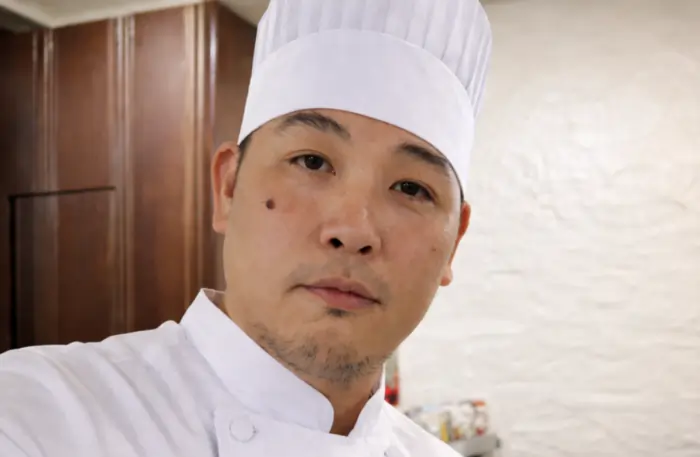
Chef Juan Gadi brings the heart of Filipino hospitality to Ubud, Bali. As an Executive Chef and consultant, he specializes in creating intimate, curated dining experiences that tell a story through every dish. Whether leading the kitchen at Kilig Filipino Warung or hosting a private villa dinner, Chef Juan’s approach is defined by warmth, modern technique, and a commitment to culinary excellence.