
Filipino Hospitality Traditions Travelers Appreciate Key Takeaways
Filipino hospitality is legendary for its warmth, generosity, and deep respect for guests.
- Filipino hospitality traditions travelers appreciate include the "Mano" gesture, family-style feasts, and the heartfelt expression "Kain Tayo" (Let’s eat), all of which make visitors feel genuinely welcomed.
- These traditions reflect a unique blend of Southeast Asian warmth, Spanish colonial influence, and indigenous values that prioritize community over the individual.
- Understanding these customs enhances any travel experience, whether you’re staying with a local family, attending a fiesta, or simply dining at a balut vendor’s stall.

Why Filipino Hospitality Traditions Travelers Appreciate Are So Memorable
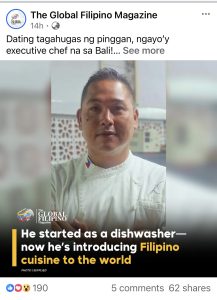
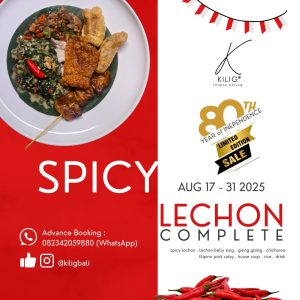
As an Executive Chef based in Ubud, Bali, I’ve had the privilege of hosting guests from all over the world. But nothing compares to the way I was raised to treat visitors—with a warmth and generosity that feels instinctual. My name is Chef Juan Gadi, and I bring the heart of Filipino hospitality to every private villa dinner or pop-up event I curate. The traditions I share below are the very ones I practice daily, whether I’m plating adobo at Kilig Filipino Warung or welcoming a group to a long table feast under the Balinese stars. For a related guide, see 10 Filipino Food Experiences Travelers Love in Bali.
What makes Filipino hospitality traditions travelers appreciate so powerful is that they aren’t staged for tourists. They are living customs passed down through generations. When you walk into a Filipino home, you are immediately offered a seat—often the best one in the house. You are given food, even if the family has little. You are spoken to with respect titles like “Po” and “Opo.” These aren’t polite gestures; they are reflections of a deeply held cultural belief that every guest carries a blessing. For a related guide, see 10 Filipino and Balinese Food Similarities Explained.
For travelers, this means an experience far beyond sightseeing. It’s a chance to witness Filipino values in action—values like pakikisama (getting along with others), utang na loob (debt of gratitude), and hiya (sense of propriety). These concepts shape every interaction, making your trip not just enjoyable but transformative.
The Roots of Filipino Warmth
To understand why Filipino hospitality stands out even within Southeast Asian hospitality, look at the culture’s foundation. The Philippines is a family oriented culture where the extended family unit extends to neighbors and community members. The concept of kapwa—shared identity—means that the boundary between self and others is blurred. Your joy becomes my joy; your comfort, my responsibility.
This resonates deeply with travelers who come from more individualistic societies. Many first-time visitors to the Philippines tell me they felt overwhelmed by the kindness. A stranger invites you to eat with them on a beach; a jeepney driver helps you find your hostel; a barangay captain offers you a tour of the local market. These aren’t exceptional acts—they are the norm.
11 Filipino Hospitality Traditions That Leave a Lasting Impression
Here are the Filipino hospitality traditions travelers appreciate most, drawn from my own experiences as a chef and host, as well as countless conversations with guests who have visited the archipelago.
1. The Mano Gesture: A Mark of Respect
The welcoming traditions of the Philippines start with Mano Po. When a younger person takes the hand of an elder—or a guest—and gently presses it to their forehead, it’s a gesture of profound respect. Travelers often find this touching, even if they don’t fully understand the meaning at first. It’s a physical manifestation of Filipino guest treatment, signaling that the guest is honored and valued.
I remember observing a foreign couple at a family dinner in Pampanga. Their host’s grandmother approached them with a warm smile and extended her hand. The couple hesitated, then followed the host’s lead. After the gesture, the grandmother’s face lit up. She spent the rest of the evening showering them with stories and extra helpings of lechon. That simple physical connection broke down all walls.
2. “Kain Tayo” — The Invitation to Eat Together
There’s no phrase more central to authentic Filipino hospitality than “Kain Tayo” (Let’s eat). This isn’t just about food; it’s about inclusion. In Filipino culture, eating alone is almost unheard of. If you walk into a home during mealtime, you will be invited to join, even if the meal is simple rice, dried fish, and vegetables.
For tourist experiences, this can be magical. I’ve hosted dinners where guests who were strangers at the start of the evening left as friends, bonded over shared servings of sinigang and conversations about their favorite travel moments. Sharing food is the fastest way to bridge cultural gaps. To make your travel experiences more immersive, always say yes to a “Kain Tayo” invitation—it’s where real connections happen.
3. The “Po” and “Opo” Language of Respect
Language is a cornerstone of cultural etiquette in the Philippines. Adding the words “Po” and “Opo” to sentences shows deference and politeness, especially when addressing elders or guests. Travelers who learn to use these terms are met with delighted, surprised reactions. It’s a small effort that yields immense goodwill.
I always remind my team at Kilig Filipino Warung to use these words when interacting with diners. It sets the tone for an evening of genuine care. This is part of the cultural warmth in travel that distinguishes dining in the Philippines from any other culinary experience.
4. Handaan: Family-Style Feasts for Everyone
Fiestas, or handaan, are among the most vibrant Filipino celebrations. Every town, barrio, and family has at least one major celebration per year—a patron saint’s feast, a birthday, a wedding. During these events, tables overflow with food: lechon, pancit, lumpia, adobo, barbecue, desserts, and more. The expectation is simple: everyone eats, everyone is welcome.
These feasts are fantastic memorable tourist experiences. I once joined a fiesta in a remote barangay in Quezon province. The host family insisted I sit at the head of the table and kept filling my plate, ignoring my protests that I was full. Their generosity wasn’t about impressing me; it was about demonstrating their family’s Filipino family values—generosity, gratitude, and joy in community.
5. The Filipino Smile and Hospitality Industry
Perhaps the most instantly recognizable aspect of warm Filipino culture is the smile. Filipinos smile often and genuinely, even in difficult circumstances. This isn’t a fake pleasantry; it’s an expression of resilience and warmth. For travelers, this creates an immediate feeling of safety and comfort.
In Bali, where I work daily with a multicultural team, I’ve brought this attitude to my kitchen. When a guest asks a question or raises a concern, they are met with a smile and a solution-oriented approach. This is what hospitality practices rooted in Filipino values look like: a genuine desire to make others feel at ease. Whether you’re checking into a hotel or buying street food, the Filipino smile speaks volumes.
6. The Unspoken Offer of a Bed for the Night
Filipino hospitality extends to providing shelter. If you’re a traveler far from home and you find yourself in need of a place to sleep, many Filipinos will offer their spare room—or even their own bed—without hesitation. This isn’t done for compensation; it’s a cultural norm rooted in the concept of bayanihan (communal unity).
I recall a trip to Banaue, where I’d missed the last bus to my accommodation. A local rice farmer named Mang Ambo saw me standing at the roadside. He gestured for me to follow him to his nipa hut. That night, I slept on a bamboo mat, and his wife served me the best tinola of my life. This is the essence of traveler experiences in the Philippines—kindness that asks for nothing in return.
7. Gift-Giving as a Sign of Appreciation
When Filipinos receive guests, they often present small gifts—food items, souvenirs from their region, or freshly harvested fruits. This custom, called pasalubong, extends to hosts as well. If you visit a Filipino home, bringing a small token (a dessert, a drink, or even something as simple as a cake) is considered polite and appreciated.
This tradition is a form of Filipino kindness that makes travelers feel special. I always prepare a takeaway treat for guests at my private dinners—a jar of homemade calamansi marmalade or a recipe card for the dish they loved most. It’s my way of continuing the hospitality after they leave the table.
8. The Use of Respect Titles (Kuya, Ate, Tito, Tita)
Filipinos use familial terms even with non-relatives. A waiter is called “Kuya” (older brother), a waitress “Ate” (older sister). Elderly neighbors are “Lolo” and “Lola” (grandfather and grandmother). This isn’t just casual; it’s a cultural custom that erases social distance and creates immediate rapport.
Travelers often find this endearing. Being called “Ate” by a market vendor or “Kuya” by a tricycle driver humanizes the transaction. It turns a simple purchase or ride into a moment of connection. This is part of the respectful travel experiences that differentiate the Philippines from destinations where interactions feel transactional.
9. The “Filipino Time” Phenomenon—And How It Softens Travel
“Filipino Time” is the relaxed approach to punctuality. While it can frustrate rigid itineraries, it also reflects a value system that prioritizes people over schedules. When a Filipino host keeps you waiting, it’s often because they’re finishing a conversation with another guest or preparing something extra for your comfort.
Understanding this social value helps travelers adjust their expectations. Instead of rushing, you learn to savor the moment. I’ve found that this attitude toward time actually enhances cultural warmth in travel. You sit, you chat, you connect. The schedule bends to the relationship, not the other way around.
10. The “Welcome Drink” and Snack Ritual
In many Filipino homes and establishments, guests are immediately offered a beverage and a snack—maybe a glass of sago’t gulaman or a plate of banana cue. This ritual signals that the host has prepared for you and that your comfort matters. For travelers, it’s a comforting gesture that turns unfamiliar environments into welcoming spaces.
I make it a point at my private dinners to welcome guests with a small amuse-bouche and a welcome cocktail featuring local ingredients like coconut, pandan, or calamansi. This initial taste sets the stage for the entire meal and reflects the generous hospitality practices I grew up with.
11. Bayanihan: The Spirit of Helping Without Being Asked
The tradition of bayanihan originally referred to neighbors physically moving a family’s nipa hut to a new location. Today, it means any act of communal help. If a tourist’s bag is heavy, a local will carry it. If you look lost, someone will walk you to your destination. This spontaneous assistance is one of the most touching Filipino hospitality traditions travelers appreciate.
I owe my career to this spirit. Early in my culinary journey, strangers—farmers, market vendors, other cooks—shared their knowledge, ingredients, and time. Their bayanihan made me the chef I am. When I now host guests in Ubud, I try to pay that forward, giving them not just a meal but an experience of genuine care.
How to Experience Authentic Filipino Hospitality as a Traveler
If you’re planning a trip to the Philippines—or even to a Filipino restaurant or pop-up abroad—here’s how you can immerse yourself in these traditions.
Stay with a Local Family
Homestays and community-based tourism are the best ways to experience authentic traditions. Websites like Travel+Leisure often feature Filipino homestays that offer cooking classes, market tours, and family dinners. You don’t just visit; you become part of the household.
Attend a Fiesta
Every town has a fiesta calendar. Joining one gives you access to Filipino celebrations at their most joyful. You’ll dance, eat, and sing alongside locals who are genuinely delighted to share their culture with you.
Learn a Few Key Phrases
Mastering “Salamat” (Thank you), “Mano Po” (the request to bless), and “Kain Tayo” will open doors. Language is the key to Southeast Asian hospitality—a few words show respect and effort, and Filipinos respond with even greater warmth.
Useful Resources
For more in-depth reading on Filipino culture and traditions, explore these authoritative sources:
- National Geographic: The Heart of Filipino Hospitality – An exploration of how family and community shape travel experiences in the Philippines.
- Lonely Planet: Understanding Filipino Hospitality – Practical tips for travelers on how to engage respectfully with local customs.
Conclusion: The Lasting Gift of Filipino Warmth
Filipino hospitality is not a service—it’s a way of life. It’s the farmer who offers you his bed, the grandmother who insists you eat more, the street vendor who refuses your payment with a smile. These Filipino hospitality traditions travelers appreciate aren’t about impressing tourists. They are the natural expression of a culture that believes every person deserves to be treated with dignity and care.
I invite you to experience this warmth for yourself. Whether you book a private table in Ubud with me at Chef Juan Gadi’s Table, or journey to the Philippines to explore its thousands of islands and countless welcoming doors, you’ll find a welcome that changes your understanding of what it means to be a guest. So come hungry, come curious, and leave full—not just of food, but of genuine connection. Kain Tayo!
Frequently Asked Questions About Filipino Hospitality Traditions Travelers Appreciate
What Filipino hospitality traditions do travelers appreciate most?
Travelers frequently mention the welcoming traditions like the Mano gesture, family-style eating, and spontaneous invitations to join meals or celebrations. The genuine kindness and lack of transactional expectation make these experiences unforgettable.
Why is Filipino hospitality famous worldwide?
Filipino hospitality is renowned because it’s rooted in Filipino social values like pakikisama, hiya, and bayanihan. These cultural pillars prioritize social harmony, generosity, and respect, creating experiences that feel deeply personal rather than commercially orchestrated.
How do Filipinos welcome tourists into their culture?
Tourists are welcomed through gestures like offering food, using respectful language (Po/Opo), and inviting visitors to community activities. The openness of Filipinos often surprises travelers, as locals readily share their homes, stories, and traditions without hesitation.
Which Filipino traditions make guests feel at home?
Practices such as the welcome drink snack, the offer of a sleeping space, and the tradition of eating together (Kain Tayo) all contribute to making guests feel like family. These hospitality practices remove the formality of being a visitor.
What makes Filipino hospitality unique compared to other cultures?
While many cultures are hospitable, Filipino uniqueness lies in the concept of kapwa—seeing the guest as part of oneself. This blurs the line between host and visitor, resulting in a warmth that feels less like service and more like familial care.
Why do travelers enjoy staying with Filipino families?
Travelers appreciate the intimacy and authenticity of family stays. They gain insight into genuine Filipino family values, enjoy home-cooked meals, and often form lasting friendships that continue beyond the trip.
How does respect shape Filipino hospitality traditions?
Respect is foundational—it influences language (Po/Opo), gestures (Mano), and behavior toward elders and guests. This cultural etiquette ensures that visitors feel honored and valued throughout their interactions.
What Filipino customs create memorable travel experiences ?
Participating in a handaan (feast), learning to cook a local dish with a family, or joining a community volunteer activity creates memories that transcend typical tourist activities. These memorable tourist experiences often become the highlight of a trip.
Why are Filipinos known for warm hospitality?
The warmth comes from a culture that places high value on relationships over transactions. A smile, a story shared, a piece of food offered—these are the tokens of warm Filipino culture that leave lasting impressions.
Which Filipino values influence guest treatment?
Key values include pakikipagkapwa-tao (regard for others), utang na loob (gratitude), and bayanihan (communal help). These shape every interaction in Filipino guest treatment, ensuring guests are cared for holistically.
How do Filipino celebrations showcase hospitality?
Fiestas involve open houses where anyone can walk in and eat. This tradition of abundance and inclusion is a direct expression of Filipino celebrations serving as powerful examples of community hospitality.
What are common Filipino gestures of kindness for visitors?
Common gestures include offering a seat, immediately serving food and drink, insisting you stay longer, giving gifts (pasalubong), and using honorifics. These small acts collectively form the fabric of Filipino kindness.
Why do tourists feel comfortable around Filipinos?
The combination of genuine smiles, open body language, and non-judgmental curiosity makes Filipinos approachable. This environment of acceptance creates respectful travel experiences where tourists relax and engage more openly.
How does Filipino hospitality improve travel experiences ?
When a destination’s culture actively makes you feel welcome, your entire journey becomes richer. You navigate easier, taste more authentic food, and build connections that provide deeper understanding of the place. This cultural warmth in travel transforms a vacation into a meaningful experience.
What cultural practices reflect Filipino generosity?
Hospitality practices such as preparing extra food for unexpected visitors, giving without expecting return, and sharing limited resources all demonstrate the generosity embedded in Filipino culture.
Is it appropriate to offer a gift when visiting a Filipino home?
Yes, bringing a small gift (food, drink, or something from your home country) is appreciated, though never required. This reflects the reciprocal nature of Southeast Asian hospitality and is seen as polite.
How should travelers dress when visiting Filipino homes?
Modest, clean attire is always appropriate. Removing shoes before entering is customary in many homes. Following these guidelines shows respect for Filipino values and helps you integrate smoothly into host family life.
Can travelers join a Filipino fiesta without being invited?
Yes, fiestas are open to all. Locals expect and welcome visitors. Approaching a food table, greeting the host, and enjoying the celebration is perfectly in line with authentic traditions of openness.
What should travelers know about Filipino meal etiquette?
Wait for the host to start eating or say “Kain Tayo” before you begin. Use a spoon and fork (fork in the left hand, spoon in the right). Compliment the food and offer to help with dishes. These small acts of mindfulness deepen travelers’ traveler experiences in the Philippines.
How can travelers reciprocate Filipino kindness without causing offense?
The best reciprocation is participation: eat what is offered, listen to stories, share your own experiences, and express gratitude through words and later through a thank-you note or small token. The aim is genuine engagement, not financial repayment.
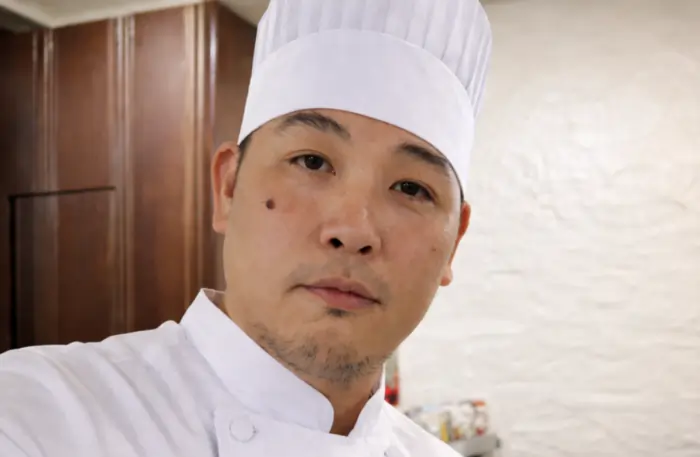
Chef Juan Gadi brings the heart of Filipino hospitality to Ubud, Bali. As an Executive Chef and consultant, he specializes in creating intimate, curated dining experiences that tell a story through every dish. Whether leading the kitchen at Kilig Filipino Warung or hosting a private villa dinner, Chef Juan’s approach is defined by warmth, modern technique, and a commitment to culinary excellence.