
Filipino Dining Habits That Match Bali Living Key Takeaways
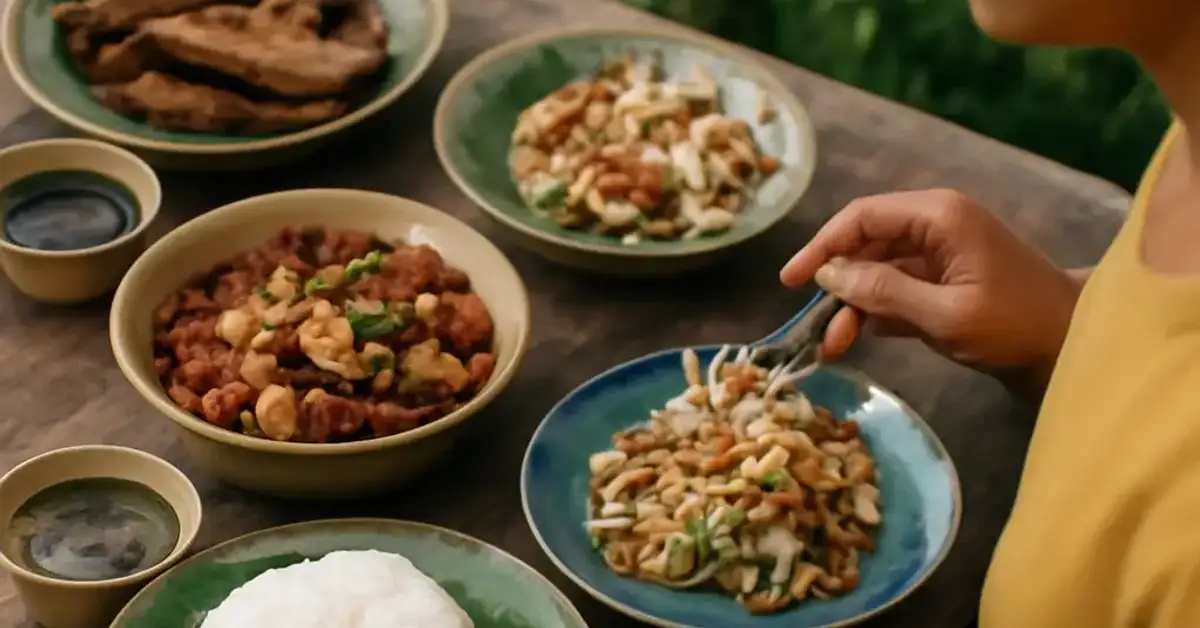
Bali and the Philippines share a deep-rooted love for Filipino Dining Habits That Match Bali Living , where food becomes a bridge between people, culture, and the island rhythm.
- Filipino Dining Habits That Match Bali Living revolve around togetherness, like sharing shared meals tradition and eating with hands — both mirrored in Balinese daily life.
- Adapting traditional Filipino meals in Bali strengthens community ties and supports a tropical diet lifestyle rich in fresh ingredients.
- Wellness-focused practices such as using local herbs and eating seasonally align with wellness eating Bali and slow living food habits .
Why Filipino Dining Habits That Match Bali Living Feel So Natural
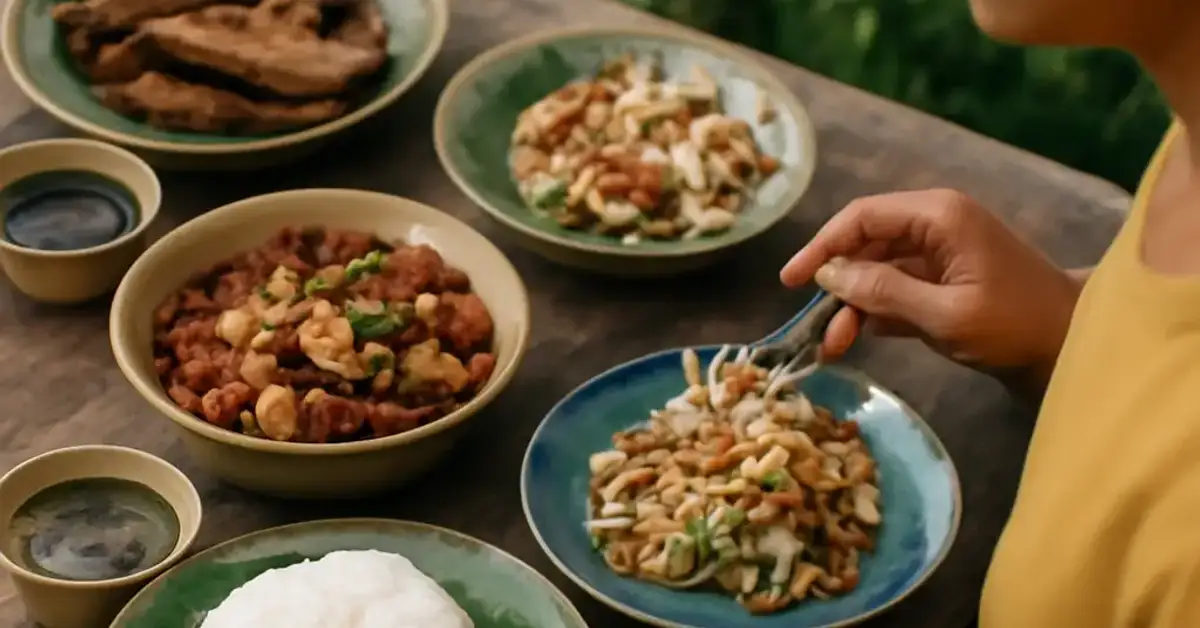
When I first moved to Ubud, I noticed something familiar in the air — not just the scent of lemongrass and coconut, but the way people gathered around food. As Executive Chef at Kilig Filipino Warung, I’ve spent years observing how Filipino communal dining and Bali food culture intertwine. Both cultures treat meals as sacred moments of connection, not just fuel. The island lifestyle eating habits of both archipelagos prioritize fresh, local ingredients and unhurried enjoyment. For Filipino travelers in Bali, this synergy creates a comforting sense of belonging. Let’s explore how each habit translates beautifully into the Balinese way of life. For a related guide, see 9 Filipino Food Traditions That Suit Bali Escapes.
1. Kamayan-Style Eating Connects You to the Island
Eating with your hands — kamayan in Filipino — is a celebrated ritual that strips away formality and deepens sensory connection with food. In Bali, this practice is just as natural, especially when enjoying traditional Balinese dining customs like a bebek betutu feast. I often tell guests at my private villa dinners: touching your food awakens a primal gratitude. It’s messy, joyful, and intimate. This habit aligns perfectly with Bali’s slow living food habits, encouraging you to savor every bite without distraction. Whether you’re eating grilled fish at a beach warung or a family-style traditional Filipino meal in a shared villa, kamayan transforms eating into an experience.
How to Practice Kamayan in Bali
Find a warung that serves seafood platters on banana leaves. Use your right hand, scoop rice and viand together, and let the flavors blend. This social dining tradition turns a simple lunch into a communal celebration.
2. Shared Meal Tradition Dominates Every Table
In Filipino homes, meals are never solo. Shared meals tradition means dishes are placed in the center — adobo, sinigang, lumpia — and everyone serves themselves from communal bowls. Bali operates the same way. At family style dining Asia spots like Kilig, guests pass plates of crispy pata and kinilaw across the table, sparking conversation. This practice strengthens relationships and mirrors how Balinese families share lawar, sate, and nasi campur. It’s a reminder that food is a tool for bonding, not isolation. For a related guide, see 6 Filipino Meals Perfect for Private Villa Gatherings.
3. Rice-Based Meals Culture Fuels Daily Life
Both Filipino and Balinese cuisine revolve around rice. Rice based meals culture is non-negotiable — from garlic rice with breakfast to steamed white rice with lunch and dinner. In Bali, nasi (rice) is the heart of every plate, just like kanin in the Philippines. This shared staple makes transitioning easy for Filipinos. I always recommend starting your day with a bowl of sinangag (fried garlic rice) alongside eggs and longganisa — a breakfast that fuels slow mornings and aligns with tropical diet lifestyle principles: whole foods, moderate portions, and local sourcing.
Rice Varieties Bring Familiar Comfort
Bali’s markets offer red rice, black rice, and jasmine varieties, similar to what Filipinos use at home. Experimenting with these grains in traditional Filipino meals like arroz caldo or champorado keeps your diet diverse and rooted.
4. Island Lifestyle Eating Habits Emphasize Fresh, Local Ingredients
Living on an island means eating what the land and sea provide. Filipinos love freshly caught fish, seasonal fruits, and vegetables from the backyard garden. Island lifestyle eating habits in Bali mirror this: you’ll find morning trips to Ubud Market for dragon fruit, jackfruit, and just-harvested greens. As a chef, I prioritize sourcing from local farmers — it’s better for the planet and your body. This habit supports wellness eating Bali, where natural, unprocessed ingredients are the norm.
5. Filipino Communal Dining Mirrors Balinese Temple Feasts
The heart of Filipino communal dining lies in bayanihan — helping one another through food. During fiestas, tables overflow with lechon, pancit, and desserts for everyone. In Bali, temple ceremonies and gotong royong (mutual cooperation) feature communal feasts where whole villages gather. This compatibility means Filipinos in Bali can easily join local events or host their own fiesta-style gatherings. It’s a beautiful exchange of cultural food practices Philippines Indonesia that enriches both communities.
6. Slow Living Food Habits Encourage Mindful Eating
Bali’s culture of slow living food habits — taking time to prepare, share, and enjoy meals — feels deeply familiar to Filipinos. In the Philippines, a Sunday lunch can last hours, filled with stories and laughter. In Bali, a similar pace prevails. I encourage guests to put away phones, sit on the floor or at low tables (as both cultures do), and eat intentionally. This mindful approach reduces stress and improves digestion — a core tenet of wellness eating Bali.
Create Your Own Slow Food Ritual
Try a traditional Balinese dining custom: offer a small portion of your meal to the earth as a gratitude gesture. Then eat silently for the first few bites. It’s a simple way to honor the food and the moment.
7. Social Dining Traditions Break Down Barriers
I’ve seen strangers become friends over a plate of sisig in Ubud. Social dining traditions in both cultures invite openness. Whether it’s a Balinese megibung (eating from a common platter) or a Filipino boodle fight (military-style communal eating), the act of sharing food builds trust and warmth. For expats and digital nomads, this habit is a gateway to forming genuine connections in a new place.
8. Comfort Food Island Lifestyle Meets Wellness
Filipinos have a special place in their hearts for comfort food island lifestyle dishes like sinigang, kare-kare, and halo-halo. In Bali, these foods can be adapted with local ingredients without losing their soul. I’ve crafted healthier versions — using coconut milk instead of processed cream, and adding turmeric for anti-inflammatory benefits. This fusion aligns with wellness eating Bali and shows that comfort doesn’t have to mean indulgence. It’s about nourishing the body and soul.
Recipe Idea: Balinese-Style Sinigang
For a quick adaptation, simmer fresh snapper with tamarind, ginger, and local snake beans. Serve with red rice and a side of sambal. The sourness and heat will remind you of home while honoring Bali’s bounty.
9. Southeast Asian Cuisine Similarities Make Adaptation Easy
The Southeast Asian cuisine similarities between Filipino and Balinese food are striking. Both use coconut, lemongrass, tamarind, and chili. Both ferment and preserve foods — balo-balo (shrimp paste) in the Philippines and terasi in Bali. These overlaps mean Filipinos can recreate their favorite dishes with minimal effort. Buying bagoong at a local market or making your own atcharra from Balinese papaya becomes second nature.
10. Traditional Filipino Meals Are Naturally Bali-Friendly
Most traditional Filipino meals are already gluten-free, dairy-free, and vegetable-forward — exactly what health-conscious Bali diners look for. Dishes like laing (taro leaves in coconut milk), pinakbet (vegetable stew), and grilled fish fit seamlessly into menus of wellness cafes. I often host pop-up dinners where I serve a Filipino tasting menu that pairs with Balinese sambal and fresh juice tonics. The response has been overwhelming — people crave this authentic, honest cuisine.
Host a Balik-Bayan Dinner in Your Villa
Rent a villa in Canggu or Ubud, invite friends, and cook a menu of traditional Filipino meals like chicken inasal, lumpiang ubod, and turon. Add a Balinese twist with local sambal matah and fresh coconut water. It’s a celebration of two island cultures.
11. Wellness Eating Bali Inspires Filipino Food Evolution
Bali’s wellness culture has encouraged me to rethink how I present Filipino cuisine. Wellness eating Bali emphasizes plant-heavy plates, fermented foods, and mindful portions — principles that align with old Filipino cooking before processed foods took over. I now use less oil, more herbs, and smaller servings of meat. This evolution respects both the ancestral roots and Balinese philosophy of balance. It’s a win-win for the body and the planet.
Bringing It All Together at the Table
Living in Bali has deepened my appreciation for how Filipino Dining Habits That Match Bali Living can enrich daily life. Whether you’re practicing kamayan, sharing a boodle fight, or enjoying a bowl of sinigang made with local greens, these habits remind us that food is more than sustenance — it’s a language of love and community. I invite you to try one habit this week: eat with your hands, invite a neighbor, or cook a Filipino dish using Balinese ingredients. You’ll discover that the island spirit lives in every shared meal.
Useful Resources
Learn more about the shared meals tradition in Bali and how it compares to Filipino practices by reading this article on Balinese communal dining customs. For a deeper dive into wellness eating Bali and ingredient sourcing, check out this guide on Bali’s local and organic food movement.
Frequently Asked Questions About Filipino Dining Habits That Match Bali Living
What Filipino dining habits align with Bali living?
Filipino communal dining, kamayan eating, shared plates, and rice-centered meals naturally match Bali’s togetherness-focused, slow-paced food culture.
How does Filipino communal eating fit Balinese culture?
Both cultures emphasize shared meals tradition and group dining, making Filipino communal eating a perfect fit for Balinese temple feasts and family gatherings.
Which traditional Filipino food practices work well in Bali lifestyle?
Practices like using banana leaves, cooking with coconut milk, and eating with hands align with island lifestyle eating habits and Balinese rituals.
Why is shared dining common in Filipino and Balinese culture?
Both cultures view food as a community bond — in the Philippines through fiestas and boodle fights, in Bali through temple offerings social dining traditions.
How do Filipino meal routines adapt to island living in Bali?
Filipinos can easily swap local veggies and spices, maintain three-meal-a-day patterns, and host family style dining Asia gatherings similar to home.
What similarities exist between Filipino and Balinese food traditions?
Both rely on rice based meals culture, fermented condiments, fresh tropical fruits, and respect for the source of food.
How does family style dining improve social connection in Bali?
Sharing platters encourages conversation, laughter, and trust — exactly what slow living food habits and Bali’s expat community thrive on.
What Filipino eating customs support slow island living?
Practices like leisurely merienda (snack time), long lunch gatherings, and cooking from scratch align with wellness eating Bali.
How do Filipino comfort foods blend with Bali wellness lifestyle?
Dishes like sinigang and kare-kare can be made lighter with fresh herbs, less oil, and local vegetables, supporting tropical diet lifestyle goals.
What dining behaviors make Filipinos feel at home in Bali?
The warmth of Filipino communal dining, the smell of garlic and soy sauce in warungs, and the ceremonial nature of Balinese dining customs all feel familiar.
Is kamayan acceptable in Balinese restaurants?
Yes, many local warungs and seafood grills welcome hand-eating, especially if you order platters on banana leaves.
Can I find Filipino ingredients in Bali easily?
Ingredients like coconut milk, vinegar, garlic, and tropical fruits are widely available. Some specialty stores in Denpasar carry Filipino brands.
What Filipino dish is easiest to make in Bali?
Adobo — with local soy sauce, vinegar, and Bay leaves — is simple and uses ingredients found in any Bali market.
Are there Filipino restaurants in Ubud?
Yes, Kilig Filipino Warung is a popular spot in Ubud, serving authentic dishes with a Bali-inspired twist.
How does Bali’s wellness scene affect Filipino food?
Many chefs now use organic produce, reduce fried items, and incorporate more vegetables — aligning with wellness eating Bali.
Do Balinese people use coconut milk like Filipinos?
Absolutely. Coconut milk is a staple in both cuisines — from Filipino ginataang dishes to Balinese lawar and curries.
Can I host a Filipino-themed dinner party in Bali?
Yes, many villas and event spaces allow you to cook your own menu or hire a private chef, like the experiences Chef Juan Gadi offers.
What is the best time for Filipino dining in Bali?
Late afternoon merienda (around 3–4 PM) or sunset dinner are ideal, matching both the tropical climate and slow-living pace.
Are Filipinos in Bali accepted by locals?
Very much so. The shared values of cultural food practices Philippines Indonesia make Filipinos feel welcomed and appreciated.
How does Chef Juan Gadi combine both cuisines?
By using local Balinese produce and traditional Filipino techniques, Chef Juan creates a menu that honors both heritages with modern flair.
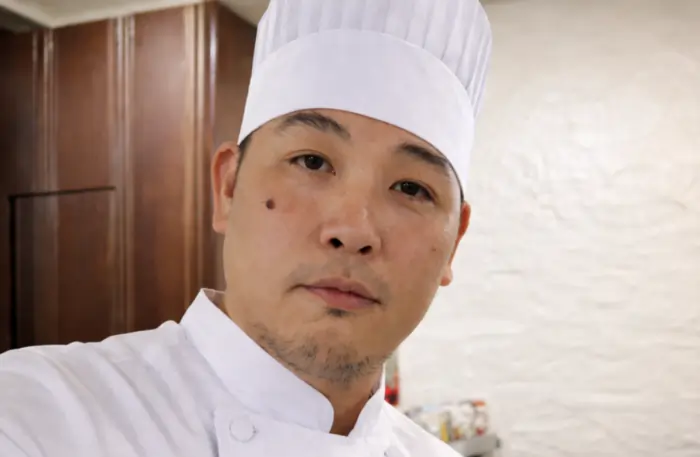
Chef Juan Gadi brings the heart of Filipino hospitality to Ubud, Bali. As an Executive Chef and consultant, he specializes in creating intimate, curated dining experiences that tell a story through every dish. Whether leading the kitchen at Kilig Filipino Warung or hosting a private villa dinner, Chef Juan’s approach is defined by warmth, modern technique, and a commitment to culinary excellence.