
Why Guests Remember Exceptional Dining Experiences Key Takeaways
Why Guests Remember Exceptional Dining Experiences comes down to a blend of food quality, service, ambiance, personalization, and emotional impact.
- Exceptional dining experience relies on sensory storytelling and genuine hospitality to embed a meal in memory.
- Memorable dining moments are built through personalized service, striking ambiance, and emotional connection.
- From gourmet experience Bali to private villa dinners, curated dining elevates a meal into a life event.

What Readers Should Know About Why Guests Remember Exceptional Dining Experiences
Every chef dreams of creating meals that linger in a guest’s heart long after the last bite. In my years as an Executive Chef in Ubud, Bali, I have seen firsthand how a single dinner can become a cherished travel memory or a highlight of a honeymoon. The secret is not just in the plate—it is in the entire dining experience.
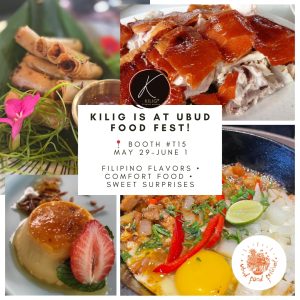
Guests remember meals that engage all senses, tell a story, and make them feel uniquely seen. From the warmth of Filipino hospitality at Kilig Filipino Warung to the intimacy of a private villa dinner, every detail matters. Why Guests Remember Exceptional Dining Experiences is a question that touches on psychology, craftsmanship, and the art of human connection.
The Sensory Blueprint of an Exceptional Dining Experience
Memory is stored through sensory anchors. When a guest walks into a dining space, the first impression is visual—the lighting, the table setting, the colors. Then comes the scent of herbs or wood smoke. Next, the sound of sizzling or soft music. Finally, the taste and texture of each dish.
How Sensory Engagement Shapes Memory Formation
Studies in food psychology show that multi-sensory experiences activate more areas of the brain, making the moment more vivid and easier to recall. A fine dining experience that layers textures, aromas, and visual artistry creates stronger memory traces. In my kitchen, I design each course to surprise one sense at a time—a crackling tuile, a fragrant broth poured tableside, a cold soup that warms the palate.
Restaurant Ambiance Impact on Guest Satisfaction
Setting the mood is not just decoration; it is psychological framing. Restaurant ambiance impact includes lighting temperature, seat comfort, noise level, and even the weight of the cutlery. In Ubud, where nature surrounds us, I often bring the garden inside—fresh banana leaves as plates, flower petals on the table. Guests remember that organic beauty because it feels rare and authentic.
Why Personalized Dining Service Creates Unforgettable Meals
Nothing beats the feeling of being recognized. When a server remembers a guest’s name or dietary preference without being reminded, that small gesture plants a seed of loyalty. Personalized dining service goes beyond taking orders—it involves reading a table’s energy, anticipating needs, and offering recommendations that feel tailor-made.
The Role of Culinary Storytelling
Every dish has a story. Culinary storytelling connects the guest to the culture, the chef, and the ingredients. At my warung, I explain how the adobo recipe came from my grandmother’s kitchen in Manila. When guests hear that story, they taste the nostalgia. They remember not just the flavor but the narrative behind it.
Private Chef Dining and Emotional Connection
Private chef dining takes personalization to another level. When I cook for a couple celebrating their anniversary in a private villa, I design the menu around their love story—dishes from places they have traveled, flavors they mentioned in conversation. That emotional layer turns a meal into a keepsake. Guests tell me years later that the dinner felt like it was meant just for them.
Ordinary Dining Versus Curated Dining Experiences
Most people eat out dozens of times a year and forget most meals within days. But a curated dining experience breaks the pattern. The difference lies in intention. Ordinary dining meets expectations; curated dining exceeds them through surprise, attention to detail, and seamless hospitality.
| Element | Ordinary Dining | Curated Dining Experience |
|---|---|---|
| Menu | Standard offerings | Customized to guest preferences and season |
| Service | Functional | Attentive, anticipatory, warm |
| Ambiance | Generic décor | Thoughtful lighting, music, and table art |
| Storytelling | Rare or absent | Integrated into each course |
| Emotional Impact | Low | High—creates lasting memories |
When I cater for luxury events, I treat every plate as a canvas. A single amuse-bouche might feature edible flowers foraged from the property, served on a hand-carved wooden board. That kind of effort is what defines luxury dining hospitality.
How Fine Dining Creates Lasting Impressions Through Hospitality Excellence
Hospitality excellence is not about formality—it is about making guests feel cared for. In fine dining, the pace of service, the temperature of the room, the timing of each course—all contribute to a rhythm that feels effortless to the guest but is meticulously orchestrated behind the scenes.
Service Quality and Guest Memory
Service quality affects guest memory more than any single dish. A warm smile, a genuine conversation, a small surprise like a complimentary dessert—these acts create positive emotional spikes. Research in hospitality psychology shows that peak moments (the best part of the experience) and the ending strongly influence overall recall.
Guest Satisfaction Dining Metrics
While I focus on the human side, guest satisfaction dining is measurable. Review scores, return rates, and social media mentions often highlight the same factors: personal attention, food quality, and atmosphere. At my restaurant, I track these to refine the experience. But the true metric is whether a guest tells their friends about the meal weeks later.
Unique Settings and Destination Dining as Memory Anchors
Location plays a huge role in memory. A dinner on a cliff overlooking the ocean, in a candlelit cave, or under the stars in a Balinese rice terrace becomes inseparable from the meal itself. Unforgettable meals often happen in unique settings that feel otherworldly.
Why Private Dining Experiences Feel More Memorable
Private dining experiences remove distractions. There is no queue, no noise from other tables, no rushed service. The entire focus is on the guest and the food. In a private villa, I can slow down the pace, tell stories between courses, and let the sunset set the mood. That intimacy is why couples, honeymooners, and event planners seek out private chef dining. For a related guide, see 8 Ways Chef Curated Menus Elevate Bali Gatherings.
The Emotional Dining Experience and Its Link to Life Events
Many of my guests are celebrating something—a wedding, an anniversary, a milestone birthday. The food becomes part of that emotional memory. Emotional dining experience is powerful because it ties taste to joy, love, or gratitude. Years later, a specific flavor can bring back the feeling of that celebration.
In Bali, destination weddings and honeymoons are common. When I cater for those events, I incorporate local ingredients and rituals, like a palm-leaf blessing before the meal. Guests remember not just the food but the cultural immersion. That is why gourmet experience Bali is often described as life-changing in travel reviews.
Luxury Catering Service and the Art of Surprise
Luxury catering service excels at creating small moments of wonder. A palate cleanser served in a frozen coconut shell. A dessert that arrives under a glass dome filled with smoke. These are not gimmicks—they are memory devices. The unexpected triggers dopamine, making the moment feel special.
I always include at least one theatrical element in my catering menus. It could be a tableside preparation or a hidden flavor (like a hint of lemongrass in a chocolate mousse). Guests talk about that dish for months.
Useful Resources
For deeper insights into the psychology of dining and hospitality, explore these resources:
- ScienceDirect: The Role of Senses in Food Memory
- Hospitality Net: Creating Memorable Guest Experiences
Frequently Asked Questions About Why Guests Remember Exceptional Dining Experiences
Why do guests remember exceptional dining experiences?
Guests remember exceptional dining experiences because they engage multiple senses, create emotional connections, and offer personal touches that make the meal feel unique and meaningful. For a related guide, see 12 Catering Details Guests Always Remember Most.
What makes a dining experience memorable for guests?
A memorable dining experience combines high-quality food, attentive service, atmospheric ambiance, and personalized details that surprise and delight the guest.
How does service quality affect guest memory in dining?
Service quality creates emotional peaks—warmth, attentiveness, and unexpected gestures—that become highlights in the guest’s memory of the meal.
What elements create unforgettable dining moments?
Unforgettable dining moments are created through sensory engagement (taste, smell, sight), storytelling, personalization, and a setting that feels special and immersive.
Why is food presentation important for guest experience?
Food presentation appeals to the visual sense, sets expectations for taste, and shows the chef’s creativity and attention to detail, which enhances the overall enjoyment.
How do emotions influence dining memories?
Emotions act as anchors. When a meal is tied to joy, love, or celebration, the brain stores the memory more vividly and retrieves it more easily later.
What makes luxury dining experiences stand out?
Luxury dining stands out through impeccable service, exclusive ingredients, refined presentation, and a curated atmosphere that makes every moment feel deliberate and special.
How does ambiance affect guest satisfaction in restaurants?
Ambiance sets the emotional tone—lighting, music, décor, and comfort directly influence a guest’s mood and how positively they remember the meal.
Why do people recall certain meals more than others?
People recall meals that involve strong sensory input, emotional context, novelty, or personal connection—these factors make the experience stand out from routine dining.
What role does storytelling play in dining experiences?
Storytelling adds depth to a dish by connecting it to culture, tradition, or the chef’s personal journey, making the food more engaging and memorable.
How do chefs create memorable guest experiences?
Chefs create memorable experiences by balancing technique with emotion, surprising guests with unexpected flavors or presentations, and tailoring the menu to the occasion.
Why is personalized service important in dining?
Personalized service makes guests feel valued and understood, which builds trust and turns a meal into a meaningful interaction rather than just food consumption.
What factors define exceptional hospitality?
Exceptional hospitality is defined by genuine warmth, anticipation of needs, attention to detail, consistency, and the ability to make every guest feel like the only guest.
How does fine dining create lasting impressions?
Fine dining creates lasting impressions through meticulous craftsmanship, multi-course pacing, sensory harmony, and a level of service that feels both polished and personal.
Why do private dining experiences feel more memorable?
Private dining removes distractions, allows for deeper personalization, and creates an intimate setting where every detail is tailored to the guest, making the experience feel exclusive and unforgettable.
How can a restaurant improve guest satisfaction through ambiance?
By investing in lighting, acoustics, seating comfort, and thematic décor that aligns with the cuisine, a restaurant can create a relaxing or stimulating atmosphere that enhances the dining experience.
What is the connection between travel memories and dining?
Dining is often the highlight of travel because it combines place, culture, and sensory pleasure; a memorable meal becomes a key story that travelers share about their journey.
Can a single dish make a dining experience unforgettable?
Yes, a single dish can be so surprising, delicious, or beautifully presented that it becomes the emotional peak of the meal, anchoring the entire experience in memory.
How do event planners choose caterers for memorable events?
Event planners look for caterers who offer personalized menus, seamless service, creative presentation, and the ability to tell a story that fits the event’s theme or sentiment.
What role does surprise play in creating exceptional dining moments?
Surprise releases dopamine and creates a spike in attention; a thoughtful amuse-bouche, a hidden ingredient, or an unexpected tableside performance can make a meal stand out.
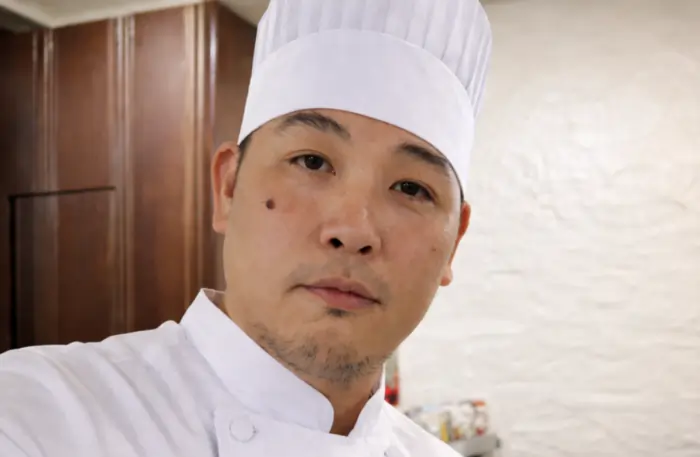
Chef Juan Gadi brings the heart of Filipino hospitality to Ubud, Bali. As an Executive Chef and consultant, he specializes in creating intimate, curated dining experiences that tell a story through every dish. Whether leading the kitchen at Kilig Filipino Warung or hosting a private villa dinner, Chef Juan’s approach is defined by warmth, modern technique, and a commitment to culinary excellence.