Dining Elements That Elevate Guest Experiences Key Takeaways
As an Executive Chef based in Ubud, Bali, I have learned that the heart of Filipino hospitality — malasakit , or genuine care — translates beautifully into a philosophy of guest experience design .
- Dining elements that elevate guest experiences range from ambient factors such as lighting and music to service details like pacing and personalization.
- Chefs and hospitality teams who integrate sensory triggers — aroma, texture, visual artistry — create deeper emotional connections with guests.
- Luxury dining and event catering increasingly prioritize curated guest journeys, transforming meals into immersive memories.
What Are the Core Dining Elements That Elevate Guest Experiences?
As an Executive Chef based in Ubud, Bali, I have learned that the heart of Filipino hospitality — malasakit, or genuine care — translates beautifully into a philosophy of guest experience design. Whether hosting a private villa dinner or orchestrating a multi-course tasting menu at Kilig Filipino Warung, the same truth applies: guests remember how a meal made them feel, not just what they ate. The 11 dining elements that elevate guest experiences fall into three broad categories: restaurant ambiance and environment, service and emotional engagement, and culinary artistry including food presentation and storytelling. When these layers work together, they create a sensory dining experience that feels both luxurious and deeply personal. For a related guide, see Why Guests Remember Exceptional Dining Experiences.
1. Restaurant Ambiance: The First Emotional Handshake
The moment a guest walks through the door, the environment begins to shape their expectations. Restaurant ambiance is the silent language of your brand — it tells guests whether they are about to enjoy a casual lunch, a celebratory dinner, or an intimate curated dining experience. Warm, dim lighting signals relaxation, while brighter spaces encourage energy and conversation. In my own villa dinners, I use soft candlelight and natural materials like bamboo and rattan to evoke the tropical warmth of Bali while honoring Filipino design roots. For a related guide, see Why Intimate Dining Feels More Meaningful in Bali.
How Lighting and Music Shape Mood
Lighting controls the pace of a meal. A gradual dimming between courses can signal a shift from appetizer to main course, guiding guests on an emotional arc. Similarly, music sets the tempo. Acoustic guitar or gentle gamelan encourages lingering conversation, while a higher BPM track can energize a cocktail hour. These fine dining elements are not decorative — they are functional tools in hospitality experience design.
2. Service Timing and Graceful Pacing
Service timing is one of the most overlooked dining experience elements. In a multi course dining experience, the pause between courses is as important as the course itself. Too fast, and guests feel rushed; too slow, and the energy deflates. The hallmark of luxury dining experience is a rhythm that feels organic. At my private dinners, I train my team to read the table — if guests are deeply engaged in conversation, we extend the intermezzo. If they are glancing around, we bring the next plate.
3. Food Presentation: Eating with the Eyes First
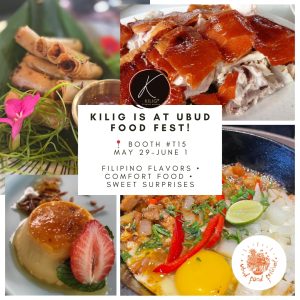
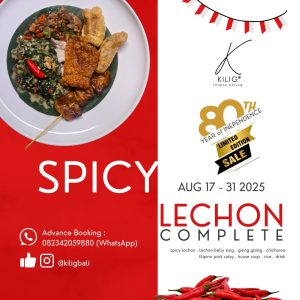
We taste first with our eyes. Food presentation transforms ingredients into art and signals the level of care behind the dish. Clean lines, negative space, and unexpected textures (like a crisp tuile or edible flower) add visual intrigue. For a gourmet dining elements menu, I often plate lechon kawali with a swipe of mango puree and micro herbs — the contrast of golden crackling and bright green immediately communicates freshness and technique. Guests photograph dishes that feel crafted, and those images become social proof of their curated dining experience.
4. Table Setting Design: The Foundation of Elegance
Table setting design is the stage on which the meal unfolds. Weighted linen napkins, polished flatware, and stemware that feels balanced in the hand all contribute to a sense of occasion. The tactile experience matters: a cool, heavy fork signals quality. For event dining atmosphere, consider the layout — round tables encourage conversation, while long communal tables create a feast-like energy. Even the choice of charger plates or placemats tells a story about the luxury dining experience you are offering.
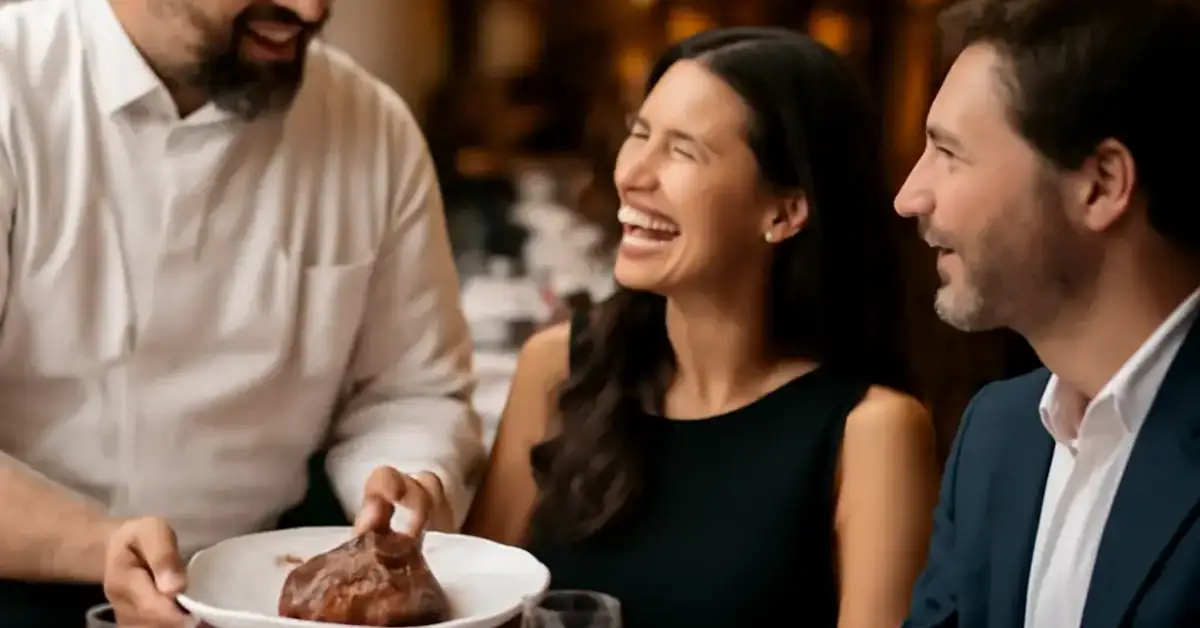
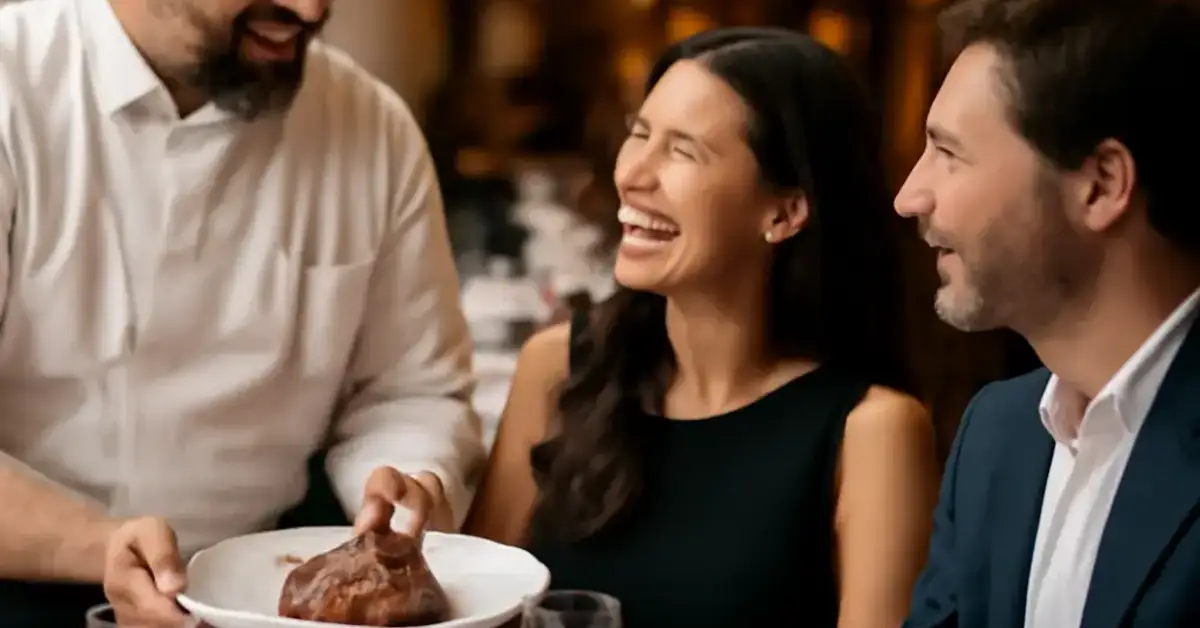
5. Personalized Dining Service: Remembering Names and Preferences
Personalized dining service is the secret weapon of memorable hospitality. When a server remembers that a guest prefers still water over sparkling, or that someone has a shellfish allergy without being reminded, the guest feels seen. This level of guest experience design requires a strong briefing system and a culture of attentiveness. In my private dinners, I ask guests about dietary restrictions and flavor preferences weeks in advance, then tailor the menu accordingly. That small research transforms a standard meal into a curated dining experience.
6. Menu Design as Storytelling
A menu is more than a list of dishes — it is a narrative arc. The sequence, the language, even the paper stock contribute to the emotional dining experience. Descriptive phrasing (“slow-braised short rib with caramelized saba banana”) invites curiosity and sets flavor expectations. I often include a short note about the provenance of an ingredient — like the heirloom rice from a small farm in Luzon — to connect the guest to a place and a story. This hospitality experience design technique deepens engagement and builds respect for the craft.
7. Aroma: The Unseen Course
Aroma is the most primal trigger of memory and appetite. Before a dish reaches the table, its scent signals what is coming. Sensory dining experience designs intentionally incorporate aroma — for example, presenting a covered dish and lifting the lid tableside to release a plume of steam and fragrance. In Filipino cooking, the smell of garlic and vinegar hitting a hot pan is instantly evocative. Leveraging aroma as a dining experience element turns a simple course into an emotional homecoming.
8. Texture Contrast and Mouthfeel
Texture variety keeps the palate engaged across a long meal. A multi course dining experience should move from silky (chilled soup) to crunchy (crackling) to tender (braised meat) to creamy (panna cotta). This deliberate choreography prevents palate fatigue and adds sophistication. Chefs who master texture contrast elevate their gourmet dining elements and demonstrate technical range.
9. Storytelling Through Food
Every dish has a story — where the ingredients came from, why the technique was chosen, what memory it honors. Sharing that story verbally or through written notes turns passive eating into active listening. I often tell guests about the adobo my grandmother cooked in a clay pot, and how I reinterpret that memory using sous-vide chicken thigh. That narrative layer creates an emotional dining experience that guests share with others long after the meal ends.
10. Atmosphere of Exclusivity and Intimacy
Whether it is a private villa dinner for six or a chef’s table in a busy restaurant, the feeling of exclusivity elevates any meal. Luxury dining experience is built on the idea that this moment was created just for you. Limiting table numbers, offering a behind-the-scenes kitchen tour, or presenting a signed menu card are all small gestures that reinforce a curated dining experience. For event dining atmosphere, creating distinct zones — a lounge area for pre-dinner drinks, a quiet corner for the main course — adds variety and intimacy.
11. Consistency Across Every Touchpoint
The final element is perhaps the most difficult: consistency. From the greeting at the door to the farewell at the gate, every interaction must reflect the same standard of guest experience design. If the restaurant ambiance is elegant but the restroom is neglected, the illusion shatters. If the food presentation is stunning but the service is cold, the magic fades. Training teams to maintain fine dining elements across all touchpoints — including phone etiquette, coat check, and payment — ensures that the dining elements that elevate guest experiences function as a cohesive whole.
| Element | Impact on Guest | Example Application |
|---|---|---|
| Restaurant Ambiance | Sets mood and expectation | Dimmable lighting with warm color temperature |
| Service Timing | Controls emotional rhythm | Pacing courses based on table reading |
| Food Presentation | Triggers visual appetite | Plating with negative space and edible flowers |
| Table Setting Design | Signals care and luxury | Weighted flatware and cloth napkins |
| Personalized Dining Service | Builds emotional connection | Remembering dietary needs and preferences |
| Menu Design | Creates anticipation and narrative | Descriptive language and ingredient provenance |
| Aroma | Evokes memory and appetite | Tableside lid lift for fragrance release |
| Texture Contrast | Prevents palate fatigue | Sequence from crunchy to creamy |
| Storytelling Through Food | Deepens engagement and recall | Sharing personal or cultural dish origins |
| Exclusivity and Intimacy | Increases perceived value | Chef’s table or limited seating |
| Consistency | Builds trust and reputation | Uniform service standards across all touchpoints |
Useful Resources
For deeper insight into hospitality experience design and sensory dining experience research, explore these trusted sources:
- Restaurant Hospitality: A Guide to Creating Memorable Dining Experiences
- Fine Dining Lovers: The Science of Multi-Sensory Dining
Frequently Asked Questions About Dining Elements That Elevate Guest Experiences
What dining elements elevate guest experiences the most?
The most impactful elements are atmosphere, service timing, and food presentation, but personalization and storytelling create the deepest emotional resonance.
How does ambiance improve dining experiences for guests?
Ambiance sets the emotional tone — lighting, music, and decor influence mood, comfort, and perceived value before a single bite is taken.
What makes food presentation important in guest satisfaction?
Visual appeal triggers anticipation and signals quality. Guests are more likely to enjoy and share a beautifully plated dish.
How does service quality affect dining experience?
Attentive, personalized service makes guests feel valued, while poor service can ruin even the best food.
What role does table setting play in memorable dining?
Table setting design establishes the formality and care of the meal. Clean linens, proper glassware, and well-placed cutlery signal professionalism.
Why is menu design important for guest experience?
Menu design sets expectations, tells a story, and guides diners through a curated journey. Descriptive language builds excitement.
How do lighting and music enhance dining atmosphere?
Dimmable lighting adjusts mood over the course of the meal, while music tempo influences conversation pace and energy levels.
What makes a dining experience feel luxurious?
Exclusivity, attention to detail, personalized service, and seamless execution create a sense of luxury.
How do chefs personalize dining elements for guests?
Chefs collect dietary preferences, remember returning guests, and tailor menu items or plating styles to individual tastes.
Why is timing important in multi course dining?
Proper pacing maintains energy and allows guests to enjoy each course without feeling rushed or bored.
How does storytelling in food improve guest engagement?
Stories connect diners to culture, technique, or memory, making the meal more meaningful and shareable.
What are key elements of fine dining experience?
Exceptional food, polished service, elegant ambiance, careful pacing, and attention to detail characterize fine dining.
How do restaurants create emotional dining experiences?
Through sensory triggers like aroma and music, personal touches, and a narrative arc that resonates with diners.
What makes guests remember a dining experience?
Memorable experiences combine surprise, emotional connection, beauty, and personalization that no other restaurant replicates.
How does plating style influence perception of food?
Artful plating signals creativity and precision, increasing perceived value and enjoyment before the first taste.
Can a casual restaurant use these dining elements?
Absolutely — even casual spots can improve lighting, service greeting, and menu design to elevate their guest experience.
How important is the greeting at the door?
The greeting sets the first impression — a warm, timely welcome instantly puts guests at ease.
What is the role of table spacing in dining comfort?
Adequate spacing allows for private conversation and reduces noise, enhancing comfort and perceived exclusivity.
How can small changes improve guest experience quickly?
Adding a welcome amuse-bouche, training staff to use guest names, and adjusting lighting can have immediate impact.
Should I invest in music or lighting first?
Lighting often has a stronger immediate effect on mood, but both are essential for a cohesive ambiance.
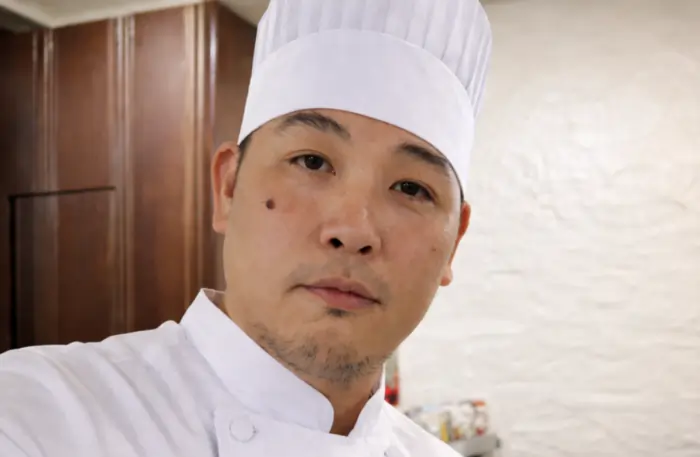
Chef Juan Gadi brings the heart of Filipino hospitality to Ubud, Bali. As an Executive Chef and consultant, he specializes in creating intimate, curated dining experiences that tell a story through every dish. Whether leading the kitchen at Kilig Filipino Warung or hosting a private villa dinner, Chef Juan’s approach is defined by warmth, modern technique, and a commitment to culinary excellence.