Menu Planning Tips for Intimate Gatherings Key Takeaways
The essence of successful intimate gatherings lies in the thoughtful interplay of personalization, seasonal ingredients, and balanced portions.
- Prioritize a menu planning tips for intimate gatherings approach that reduces complexity while maximizing flavor harmony and presentation.
- Designed for small private events, intimate menus emphasize customization, seasonal produce, and course structure to match the mood of the occasion.
- Pairing food with drinks and sequencing courses creates a natural flow that elevates guest satisfaction and ensures a warm, personalized dining journey.
What Readers Should Know About Menu Planning Tips for Intimate Gatherings
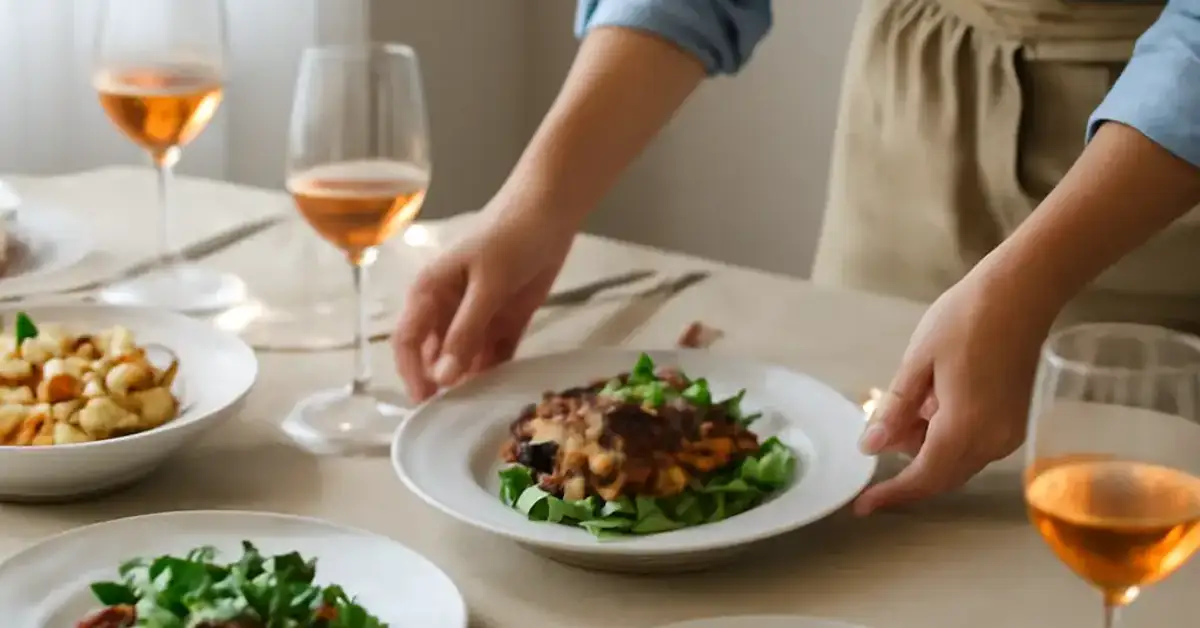
When I first started curating private dinners in Ubud, Bali, I learned quickly that intimate gatherings demand a different mindset than large catering events. The focus shifts from volume to detail, from uniformity to personalization. Menu planning tips for intimate gatherings center on how careful selection of dishes, portion control, and guest preferences create a smooth and enjoyable dining experience. Unlike big banquets, small events allow you to tailor every course to your guests personalities and dietary needs. This overview of menu planning for intimate gatherings shows how intimate menus often emphasize personalization, seasonal ingredients, and balanced courses to match the mood of small private events. For a related guide, see Elegant Catering Ideas for Tropical Villa Gatherings.
Why Intimate Menu Planning Differs from Large Event Catering
In my work as an executive chef and consultant, I ve seen firsthand how the dynamics change when you move from a banquet hall to a private villa. Private dinner menu planning is not just a smaller version of catering—it s a completely different art. Large events rely on standardized recipes and bulk preparation. Intimate gathering menus, on the other hand, allow for real-time adjustments and personal touches. Chefs and hosts design menus that reduce complexity while maximizing flavor harmony, presentation, and guest satisfaction. This flexibility is what makes curated menu design so powerful for small celebrations. For a related guide, see How Private Catering Creates Stress Free Celebrations.
Personalization at the Core
When you know your guests by name and their dietary preferences, you can create a personalized dinner menu that feels like a gift. For example, I once prepared a seven-course tasting menu for a couple celebrating their anniversary. The wife loved seafood but hated cilantro. The husband adored wagyu but was gluten-intolerant. By designing each course around their specific likes and restrictions, the meal became an intimate conversation rather than a generic dinner. That is the magic of intimate dining menu planning.
Seasonal Ingredients Elevate the Experience
In Bali, I source ingredients from local farmers markets and seasonal catch. Seasonal menu planning ensures peak freshness and flavor, which is crucial for small gatherings where every bite matters. Using seasonal produce also allows you to tell a story about the place and time of the meal. For a private dinner party in Ubud, a mango and lemongrass salad in summer or a pumpkin soup in monsoon season connects guests to the environment and the chef s philosophy.
10 Menu Planning Tips for Intimate Gatherings
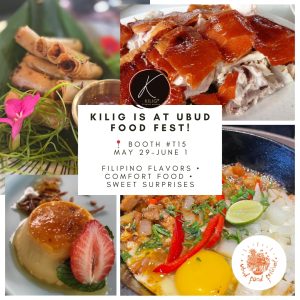
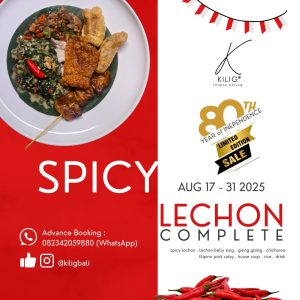
These tips come from years of running Kilig Filipino Warung and hosting villa dinners. They apply whether you are a private chef, event planner, home host, or hospitality professional. Each tip focuses on reducing stress while maximizing the impact of small gathering food ideas.
1. Know Your Guests Before You Write the Menu
The first and most important step in private dinner menu planning is gathering intel on your guests. Ask about allergies, dislikes, and favorite cuisines. This small effort pays off in spades. When you design a personalized dinner menu, guests feel seen and cared for. For example, if three of your six guests love Mediterranean flavors, you can center the meal around olive oil, fresh herbs, and grilled seafood.
2. Keep the Number of Courses Manageable
For a multi course meal planning approach, three to five courses usually hit the sweet spot. Too many courses overwhelm both the host and the guests. Too few feel rushed. A classic structure for intimate gatherings includes a light starter, a palate-cleansing soup or sorbet, a main course, and a delicate dessert. This rhythm keeps the evening relaxed and conversation flowing.
3. Prioritize Balance in Every Bite
Balanced meal planning means considering flavors, textures, and temperatures. Pair a rich, creamy risotto with a bright, acidic salad. Serve a silky fish alongside a crunchy vegetable slaw. This contrast makes each course exciting and prevents palate fatigue. When I design gourmet small event menus, I always think about how the next dish will complement the previous one.
4. Choose Dishes That Scale Down Beautifully
Not every recipe works in small portions. Some sauces split, some meats dry out, and some compositions become messy. For event menu ideas that shine, choose dishes that naturally scale to two, four, or six portions. Braised short ribs, seared scallops, and individual tartlets are excellent options because they hold their integrity in small batches.
5. Use Seasonal Ingredients as Your Guiding Star
Seasonal menu planning not only ensures peak flavor but also reduces prep time. When ingredients are at their best, they need less manipulation. A ripe tomato in summer needs only a drizzle of olive oil and a pinch of salt. This simplicity is a hallmark of luxury private dining menu design. Let the season dictate your choices, and you will never lack inspiration.
6. Plan Your Timeline Backwards
A calm host is a gracious host. Start with the serving time and work backwards to determine prep and cooking schedules. Dinner party planning guide principles recommend building in 15-minute buffers between courses. This prevents last-minute scrambling and allows you to breathe. For intimate gatherings, the goal is to enjoy your own party.
7. Pair Drinks to Enhance the Narrative
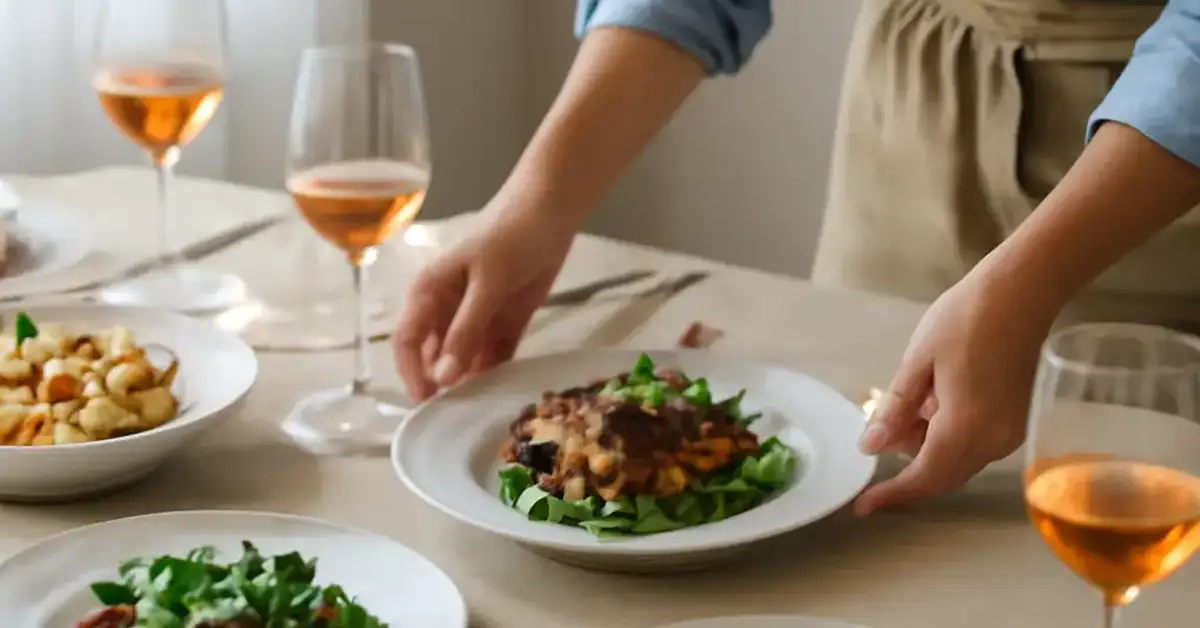
Chef curated menu design often includes thoughtful drink pairings. For a small gathering, you can match each course with a wine, cocktail, or even a non-alcoholic infusion. A light sparkling wine with appetizers, a robust red with the main, and a dessert wine with the final course create a natural arc. This is how chefs and hosts design menus that reduce complexity while maximizing flavor harmony and guest satisfaction.
8. Embrace Make-Ahead Components
For stress-free execution, prepare elements in advance. Stocks, sauces, and even some desserts can be made a day ahead. Private chef menu design often relies on mise en place that is 80% complete before guests arrive. This leaves you free to focus on the final touches and warm service.
9. Add a Personal Touch to Each Plate
Small details make a big impact in intimate dining menu settings. Garnish with micro herbs you grew yourself. Print a small card explaining the inspiration behind each course. Write a welcome note. These gestures elevate the experience from a meal to a memory. They are what makes gourmet small event menu planning truly special.
10. Stay Flexible and Read the Room
The best-laid plans sometimes need adjustment. Maybe guests linger over appetizers longer than expected, or someone feels full after three courses. Small gathering food ideas work best when you can adapt on the fly. Keep a simple cheese course or a light fruit dessert in reserve. Flexibility is the hallmark of confident hosting.
How to Structure a Multi-Course Intimate Menu
Structuring a multi course meal planning blueprint for small events requires a thoughtful arc. Start with a light, bright course to awaken the palate. Follow with a warm, comforting dish that feels like a hug. The main course should be the centerpiece, both visually and flavor-wise. End with a dessert that is satisfying but not heavy. Each course should be smaller than what you would serve at a big dinner, because the focus is on progression rather than fullness. This approach is what makes event menu ideas feel intentional and polished.
Common Mistakes in Intimate Menu Planning
Even experienced hosts make errors. One common mistake is overcomplicating the menu. Too many ingredients, techniques, or courses can overwhelm both the cook and the guests. Another is ignoring portion sizes. For intimate gatherings, smaller portions allow guests to enjoy multiple courses without feeling stuffed. A third mistake neglecting drink pairings or assuming one wine fits all. Dinner party planning guide best practices remind us that drinks are part of the narrative. Avoid these pitfalls by staying focused on the guest experience.
Luxury Private Dining Menu Inspiration
When I think of luxury private dining menu design, I recall a dinner I prepared for a small group of travelers in a villa overlooking the Ayung River. The menu featured a cold avocado soup with crab, a black rice and coconut risotto, grilled snapper with tamarind glaze, and a passionfruit panna cotta. Every ingredient was sourced locally, every course told a story about Filipino-Indonesian fusion, and each plate reflected the warmth of hospitality professionals who treat guests like family.
Seasonal Menu Planning for Tropical Climates
In a tropical destination like Bali, seasonal changes are subtle but meaningful. During the rainy season, heavier stews and warming spices work well. In dry season, light ceviches and grilled vegetables shine. Seasonal menu planning in this context means reading the weather and the market. This attentiveness is what separates a good host from a great one.
Practical Tips for Hosts and Villa Managers
If you manage villas or coordinate private events, these menu planning tips for intimate gatherings can transform your offerings. Start with a questionnaire for guests to capture preferences. Build a repertoire of three to five signature menus that you can adapt. Invest in beautiful plating that fits the villa s aesthetic. And always, always taste everything before serving. This attention to detail builds your reputation as a professional who cares.
Useful Resources
For deeper exploration of menu design principles, I recommend the guidance from the Culinary Institute of America, which offers excellent courses on menu development and flavor pairing.
Worlds of Flavor by Chef Martin Yan provides a fantastic look at how regional cuisines can inspire intimate dining menus.
Frequently Asked Questions About Menu Planning Tips for Intimate Gatherings
What are the best menu planning tips for intimate gatherings ?
The best tips include knowing your guests dietary needs, keeping courses manageable (3 to 5), balancing flavors and textures, using seasonal ingredients, planning your timeline backwards, and staying flexible during service. These menu planning tips for intimate gatherings ensure a smooth and memorable experience.
How do you create a perfect menu for small gatherings?
Start by understanding your guests preferences and any allergies. Choose a theme or cuisine that resonates with the group. Select seasonal ingredients and design a personalized dinner menu with a logical flow from light to rich. Practice portion control and prepare components ahead of time.
What foods work best for intimate dinner parties?
Dishes that scale down well, such as braised meats, seared seafood, individual tarts, and composed salads, work beautifully. Small gathering food ideas should focus on high-quality ingredients and simple preparations that highlight flavor rather than complex techniques.
How do you balance flavors when planning a small event menu?
Balance comes from pairing rich and light, acidic and creamy, crunchy and soft. Balanced meal planning means tasting each course and adjusting seasoning. Use fresh herbs, citrus, and salt to brighten dishes, and use dairy or fats to add depth.
Why is menu planning important for intimate gatherings?
Thoughtful menu planning reduces stress for the host, accommodates guest preferences, and creates a seamless experience. It ensures that every course contributes to the overall mood, making the event warm and memorable. For a related guide, see Why Personalized Hospitality Matters at Every Event.
How do chefs design menus for private dinners?
Chefs start with a guest profile, then select a theme, source seasonal ingredients, and structure courses for progression. Chef curated menu design also includes drink pairings, plating aesthetics, and timing to maximize guest satisfaction.
What makes a menu suitable for small group events?
A suitable menu focuses on personalization, manageable portions, and dishes that hold well in small batches. It should feel intimate rather than overwhelming, with clear flavor direction and thoughtful pacing.
How do you choose dishes for intimate celebrations?
Choose dishes that resonate with the guests tastes and the occasion. Consider dishes that tell a story or reflect a shared memory. Event menu ideas should be seasonal, visually appealing, and easy to execute in a home or villa setting.
What are common mistakes in menu planning for gatherings?
Overcomplicating the menu, ignoring dietary restrictions, serving overly large portions, neglecting drink pairings, and failing to plan a timeline are common errors. Avoiding these ensures a smoother dinner party planning guide experience.
How do you plan a multi course meal for small events?
Decide on a theme, then choose 3 to 5 courses that move from light to rich. Create a timeline that includes prep, cooking, and plating for each course. Multi course meal planning benefits from make-ahead components and a written schedule.
What drinks pair well with intimate dinner menus?
Match each course with a complementary drink. Sparkling wine with appetizers, white wine with seafood, red wine with meat, and a dessert wine or cocktail with sweets. Non-alcoholic options like herb-infused teas also work beautifully.
How do you simplify menu planning for private events?
Focus on a small number of high-quality ingredients. Choose recipes with overlapping components to reduce prep. Use a single protein or theme to unify the menu. Private dinner menu planning should prioritize simplicity over complexity.
What seasonal ingredients work best for small gathering menus?
Ingredients at their peak flavor, such as heirloom tomatoes in summer, root vegetables in autumn, citrus in winter, and young greens in spring, work best. Seasonal menu planning highlights the natural taste and reduces the need for heavy seasoning.
How do you create a luxury feel through menu planning?
Use premium ingredients like truffles, caviar, or high-quality seafood. Focus on precise plating, elegant table settings, and thoughtful service. Luxury private dining menu design relies on attention to every detail, from the first bite to the last.
What makes intimate gathering menus feel personalized?
Personalization comes from adapting the menu to guests specific tastes, diets, and preferences. Including a handwritten note, a favorite dessert, or a dish that reminds guests of a cherished memory adds a special touch.
How do you handle dietary restrictions in intimate menus?
Ask guests in advance and design dishes that accommodate restrictions without compromising flavor. For example, use gluten-free grains or dairy-free alternatives. Curated menu design turns restrictions into creative opportunities.
Can you mix cuisines in an intimate dinner menu?
Yes, mixing cuisines can be exciting if done thoughtfully. Choose a unifying theme, such as coastal flavors or spice-forward dishes. Event menu ideas that blend Filipino and Italian or Japanese and French can be delightful when balanced.
How many appetizers should you serve at a small gathering?
Two to three small appetizers are sufficient for a seated dinner. For a cocktail-style gathering, offer 3 to 4 passed hors d oeuvres. Small gathering food ideas should keep appetizers light so guests still enjoy the main courses.
What is the best way to present a multi-course menu to guests?
Print a simple menu card for each place setting or display it on a slate board. Describe each course briefly and mention any special ingredients. This adds an element of ceremony and makes guests feel like they are part of a gourmet small event menu experience.
How do you create a stress-free dining experience as a host?
Plan ahead, prepare components in advance, set the table early, and keep the menu simple. Menu planning tips for intimate gatherings emphasize calm, confident execution. Remember, your guests are there to share your company, not just the food.
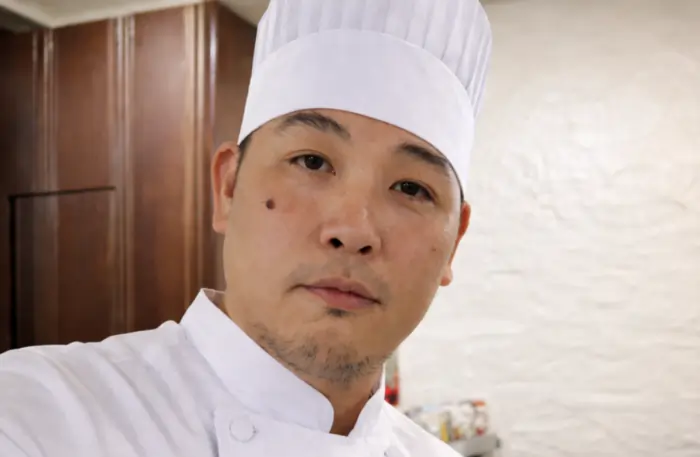
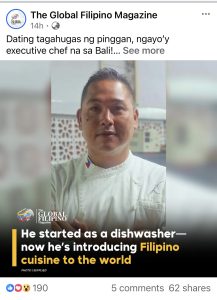
Chef Juan Gadi brings the heart of Filipino hospitality to Ubud, Bali. As an Executive Chef and consultant, he specializes in creating intimate, curated dining experiences that tell a story through every dish. Whether leading the kitchen at Kilig Filipino Warung or hosting a private villa dinner, Chef Juan’s approach is defined by warmth, modern technique, and a commitment to culinary excellence.