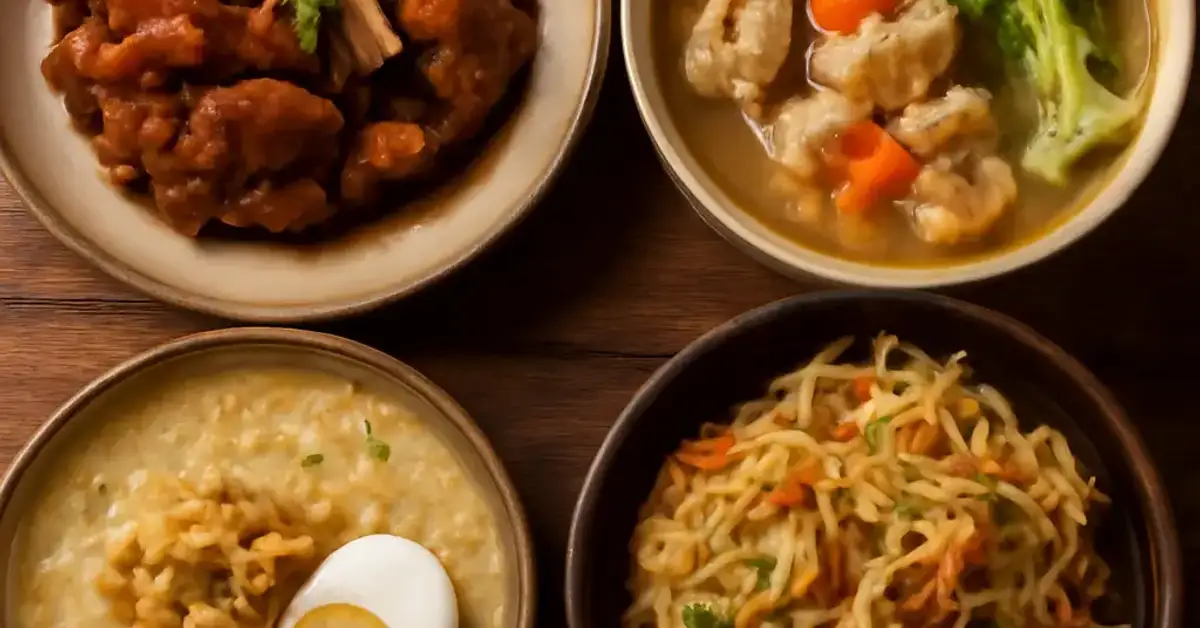
A Beginner’s Guide to Popular Filipino Comfort Foods Key Takeaways
Exploring popular Filipino comfort foods is one of the most rewarding ways to understand the heart of the Philippines.
- Filipino comfort food like adobo and sinigang balances savory, sour, sweet, and hearty flavors that feel familiar yet exciting for new cooks.
- These traditional Filipino dishes are affordable, use simple ingredients, and carry deep cultural meaning, making them perfect for beginners.
- Whether you are a traveler, home cook, or food enthusiast, this Filipino food guide helps you recreate the warmth of a Filipino family meal wherever you are.
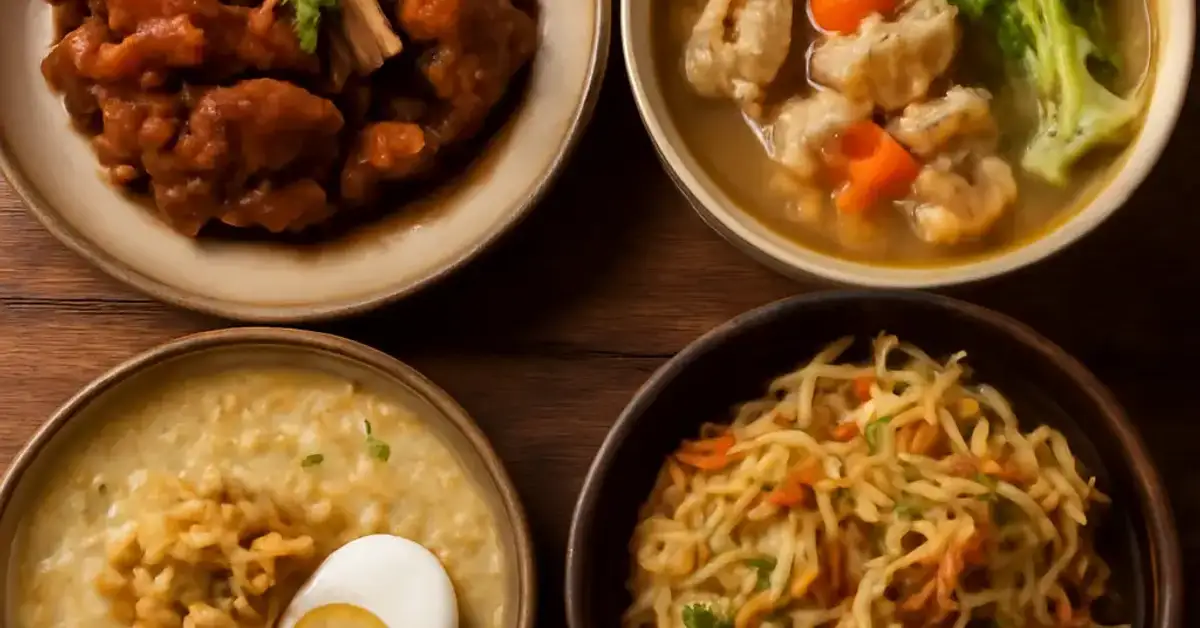
Why A Beginner’s Guide to Popular Filipino Comfort Foods Starts with Adobo
I remember the first time I stepped into a small eatery in Manila. The aroma of soy sauce, vinegar, and garlic filled the air. A warm bowl of adobo arrived, and in that moment, I understood why Filipino comfort food holds such a special place in people’s hearts. Adobo is not just a dish; it is a story of resourcefulness and love. Every family has its own version, passed down through generations. For anyone starting their journey into Filipino home cooking, adobo is the perfect entry point. It requires only a few pantry staples—soy sauce, vinegar, garlic, bay leaves, and peppercorns—yet delivers layers of complexity that surprise the palate. This is precisely why A Beginner’s Guide to Popular Filipino Comfort Foods must begin here. For a related guide, see 15 Reasons Crispy Pata Is the King of Filipino Comfort Food.
What Makes Adobo the King of Traditional Filipino Dishes
Adobo is the unofficial national dish of the Philippines, and for good reason. Its cooking method—braising meat in vinegar and soy sauce—naturally preserves the food, a technique that originated long before refrigeration. The result is tender, flavorful meat that tastes even better the next day. Beginners love adobo because it is forgiving; you can use chicken, pork, or even vegetables. Serve it over steamed rice, and you have a complete Filipino family meal that feeds both body and soul. For an authentic adobo recipe, start with equal parts soy sauce and vinegar, add crushed garlic, and let it simmer low and slow. This simple approach teaches the core principle of Filipino cuisine for beginners: patience and balance.
Sinigang: The Sour Soup That Defines Filipino Cultural Food
If adobo is comfort, then sinigang is warmth in a bowl. Picture this: a rainy afternoon in Tagaytay, the cool breeze carrying the scent of tamarind and fresh vegetables. A steaming bowl of sinigang soup arrives, its sour broth cutting through the chill and awakening your senses. Sinigang is a staple of Filipino comfort food because it uses tamarind (or other souring agents like calamansi or guava) to create a tangy broth that Filipinos crave. The dish typically features pork, shrimp, or fish, combined with vegetables like kangkong (water spinach), radish, and eggplant. For beginners, sinigang is a revelation: it shows how sourness can be the hero of a dish, offering a flavor profile rarely found in Western comfort foods. This dish is a shining example of authentic Filipino dishes that celebrate local ingredients and bold tastes.
How to Cook Sinigang Like a Filipino Home Cooking Pro
The beauty of sinigang lies in its simplicity. Start by sautéing onions, tomatoes, and garlic. Add your protein (pork belly or ribs work wonderfully), then pour in water and tamarind base. Let it simmer until the meat is tender. Finally, throw in the vegetables—hard ones first, leafy ones last. The result is a popular Filipino food that feels both nourishing and exciting. Many Filipino family meals include sinigang because it is affordable and feeds a crowd. For travelers and home cooks exploring Filipino cuisine for beginners, sinigang offers a memorable taste of the Philippines’ love for sour, savory comfort.
Arroz Caldo and Lugaw: The Ultimate Pinoy Comfort Meals for Rainy Days
There are days when only a warm, porridge-like dish can soothe the soul. In the Philippines, that dish is either arroz caldo or lugaw. Both are rice-based porridges, but they have distinct personalities. Arroz caldo is a savory chicken rice porridge flavored with ginger, garlic, and fish sauce, often garnished with hard-boiled eggs, fried garlic, and scallions. Lugaw Philippines style is simpler—plain rice porridge often served to the sick or during cold weather. Together, they represent the heart of Filipino comfort food: simple, healing, and deeply connected to family care. For beginners, learning to make arroz caldo is a gentle introduction to Filipino home cooking that rewards with every spoonful.
Why Arroz Caldo and Lugaw Are Essential Traditional Filipino Dishes
These porridges are more than food; they are edible hugs. In many Filipino family meals, arroz caldo is served during gatherings or as a late-night snack. Lugaw, on the other hand, is a go-to remedy for colds or upset stomachs. Both dishes use glutinous rice, which gives them a creamy texture that feels indulgent yet humble. For anyone following A Beginner’s Guide to Popular Filipino Comfort Foods, mastering arroz caldo and lugaw teaches the importance of ginger as a warming spice and how slow cooking transforms simple ingredients into something extraordinary. They are also incredibly budget-friendly, making them perfect for Filipino cuisine for beginners on a tight budget.
Nilaga: The Hearty Beef Soup That Brings Families Together
Imagine a Sunday afternoon in a bustling Filipino home. The kitchen fills with the aroma of beef, cabbage, and potatoes simmering in a clear broth. That is nilaga. Nilaga beef soup is a straightforward yet deeply satisfying dish that exemplifies Filipino comfort food. It uses beef shanks or brisket, slowly boiled with corn, cabbage, and green beans, seasoned simply with salt, pepper, and fish sauce. The result is a clean, hearty broth that warms you from the inside out. For beginners, nilaga is a perfect lesson in how restraint can create profound flavor. It is a cornerstone of Filipino family meals and a dish that every traveler should try when visiting the Philippines.
The Role of Nilaga in Filipino Cultural Food
Nilaga is more than a soup; it is a symbol of hospitality. In Filipino home cooking, preparing nilaga for guests shows care and generosity. The long simmering time allows the beef to become fork-tender, while the vegetables absorb the savory broth. This dish is a favorite among Filipino comfort food lovers because it is filling without being heavy. For home cooks and food bloggers exploring popular Filipino foods, nilaga offers a straightforward recipe that highlights the beauty of simple, fresh ingredients. It also pairs wonderfully with patis (fish sauce) and calamansi, adding brightness to each bite.
How Filipino Comfort Food Connects to Bali’s Meaningful Dining Atmosphere
Now, you might wonder: what does A Beginner’s Guide to Popular Filipino Comfort Foods have to do with Bali? The answer lies in the shared philosophy of dining with intention. In Bali, meaningful dining moments happen when food is prepared with mindfulness, shared with loved ones, and enjoyed in a setting that engages all the senses. The same is true for Filipino home cooking. Whether you are eating adobo in a bamboo hut in Siargao or enjoying sinigang in a cozy Jakarta cafe, the essence is the same: food as a vessel for connection. Bali’s lush rice terraces and open-air warungs create a backdrop that mirrors the warmth of a Filipino dining table. For travelers and food enthusiasts, exploring traditional Filipino dishes in tropical settings like Bali deepens the appreciation for Southeast Asian culinary traditions. For a related guide, see 9 Filipino Comfort Foods Perfect After Bali Adventures.
Bringing the Spirit of Filipino Family Meals to Your Table Abroad
If you are an expat in the Philippines or a traveler missing home, recreating Pinoy comfort meals is easier than you think. Many ingredients used in Filipino comfort food—soy sauce, vinegar, ginger, garlic, and rice—are available globally. Start with an adobo recipe or a simple sinigang soup to evoke memories of home. For those in Bali or other tropical destinations, local markets often carry similar vegetables and meats, making it possible to cook authentic Filipino dishes abroad. This culinary bridge between cultures is what makes Filipino cuisine for beginners so accessible and rewarding.
Useful Resources
To deepen your understanding of popular Filipino foods and Filipino home cooking, explore these trusted sources:
- Kawaling Pinoy – Authentic Filipino Recipes – A comprehensive site with step-by-step recipes for adobo, sinigang, and more.
- Panlasang Pinoy – Filipino Food Guide – A beginner-friendly resource with cooking tips and cultural context for traditional Filipino dishes.
Frequently Asked Questions About Filipino Comfort Food
Frequently Asked Questions About A Beginner s Guide to Popular Filipino Comfort Foods
What are the most popular Filipino comfort foods?
The most popular Filipino comfort foods include adobo, sinigang, arroz caldo, lugaw, nilaga, and lechon kawali. These dishes are beloved for their bold flavors and homey appeal.
Why do Filipinos love comfort food?
Filipinos love Filipino comfort food because it evokes childhood memories, brings families together, and offers affordable, satisfying meals. The flavors are deeply tied to family traditions and cultural identity. For a related guide, see Best Filipino Dishes to Try at Kilig Bali.
What traditional Filipino dishes are best for beginners?
The best traditional Filipino dishes for beginners are adobo, sinigang, and arroz caldo. They use simple ingredients, require basic techniques, and are very forgiving for new cooks.
What comfort foods are commonly served at home?
Common Filipino family meals served at home include adobo, sinigang, nilaga, and lugaw. These dishes are staples in Filipino households and are often prepared in large batches for sharing.
How does Filipino comfort food reflect local culture?
Filipino cultural food reflects the country’s history of trade, colonization, and resourcefulness. Dishes like adobo use vinegar as a preservative, while sinigang highlights the Filipino love for sour flavors from local fruits like tamarind.
What are easy Filipino dishes to try first?
Easy Filipino comfort food dishes to try first include chicken adobo, pork sinigang, and garlic fried rice (sinangag). These require minimal equipment and are hard to mess up.
What ingredients are common in Filipino comfort foods?
Common ingredients in Filipino home cooking include soy sauce, vinegar, garlic, ginger, calamansi, fish sauce (patis), and rice. These pantry staples form the base of many popular Filipino foods.
Why are soups and stews popular in the Philippines?
Soups and stews like sinigang and nilaga are popular in the Philippines because they are hearty, affordable, and perfect for the tropical climate’s rainy days. They also allow families to stretch ingredients to feed more people.
What Filipino comfort foods are perfect for rainy days?
For rainy days, Pinoy comfort meals like arroz caldo, lugaw, and nilaga are ideal. Their warm, broth-based nature provides comfort and warmth during cold weather.
How do regional flavors influence Filipino comfort food ?
Regional flavors in Filipino comfort food vary widely. For example, sinigang in the Visayas may use guava instead of tamarind, while adobo in the Ilocos region often includes bagoong (fermented shrimp paste). This diversity showcases authentic Filipino dishes adapted to local ingredients.
What are the most affordable Filipino comfort meals?
The most affordable Filipino comfort food options include lugaw, sinangag (garlic rice), and tinola (chicken ginger soup). These dishes use inexpensive ingredients like rice, ginger, and chicken parts.
How is Filipino comfort food different from other cuisines?
Filipino cuisine for beginners stands out for its bold use of sour, salty, and sweet flavors in one dish. Unlike other cuisines, Filipino comfort food often combines these tastes in a single meal, creating a unique umami experience.
What dishes remind Filipinos of home?
Dishes that remind Filipinos of home include adobo, sinigang, and arroz caldo. These traditional Filipino dishes are often associated with childhood, family gatherings, and the warmth of the kitchen.
What are the best Filipino comfort foods for family gatherings?
For family gatherings, large-format Filipino family meals like lechon (roasted pig), pancit (noodles), and adobo are popular. These dishes are easy to scale and loved by all ages.
Which Filipino comfort foods should every traveler try?
Travelers should try adobo, sinigang, and arroz caldo to experience the essence of Filipino comfort food. These dishes are widely available in restaurants and carinderias across the Philippines.
Can I cook Filipino comfort food outside the Philippines?
Yes, you can cook Filipino home cooking abroad using locally available substitutes. Soy sauce, vinegar, and garlic are universal, and many Asian markets carry the specific ingredients needed for authentic Filipino dishes.
What is the best way to learn Filipino cooking?
The best way to learn Filipino cuisine for beginners is to start with an adobo recipe and expand from there. Following online video tutorials and cookbooks by Filipino authors also helps build confidence.
Are Filipino comfort foods healthy?
Many popular Filipino foods can be healthy when cooked with lean meats and vegetables. Sinigang and nilaga are naturally low in fat, while adobo can be made lighter by skimming off excess oil.
What is the most popular Filipino comfort food among tourists?
Among tourists, Filipino comfort food like chicken adobo and pork sinigang are most popular. These dishes are widely available and offer a true taste of Filipino cultural food.
How can I make Filipino comfort food spicy?
To add spice to Filipino comfort food, add chili peppers or siling labuyo (native bird’s eye chili) to adobo, sinigang, or arroz caldo. This adds a layer of heat that complements the savory flavors.
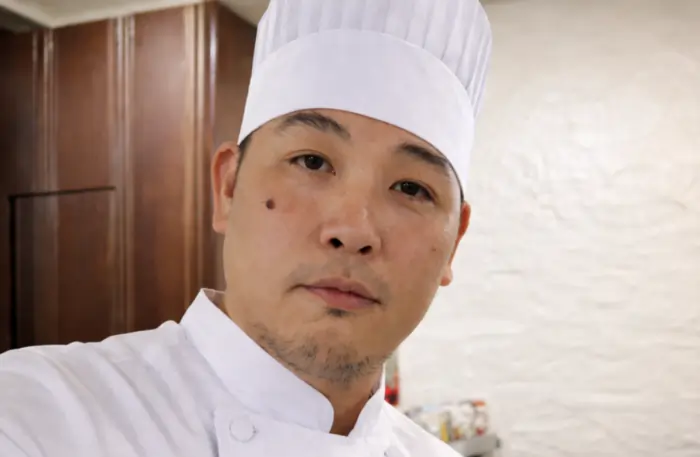
Chef Juan Gadi brings the heart of Filipino hospitality to Ubud, Bali. As an Executive Chef and consultant, he specializes in creating intimate, curated dining experiences that tell a story through every dish. Whether leading the kitchen at Kilig Filipino Warung or hosting a private villa dinner, Chef Juan’s approach is defined by warmth, modern technique, and a commitment to culinary excellence.