Filipino Food Through Regional Flavors Key Takeaways
Exploring Filipino food through regional flavors reveals a culinary landscape as diverse as the archipelago itself.
- Filipino food through regional flavors offers a deeper appreciation of the country’s culture, history, and geography.
- Luzon is known for savory, vinegar-based dishes and rich coconut milk stews.
- Visayas cuisine celebrates seafood, sour notes, and grilled specialties.
What Makes Filipino Food Through Regional Flavors So Unique
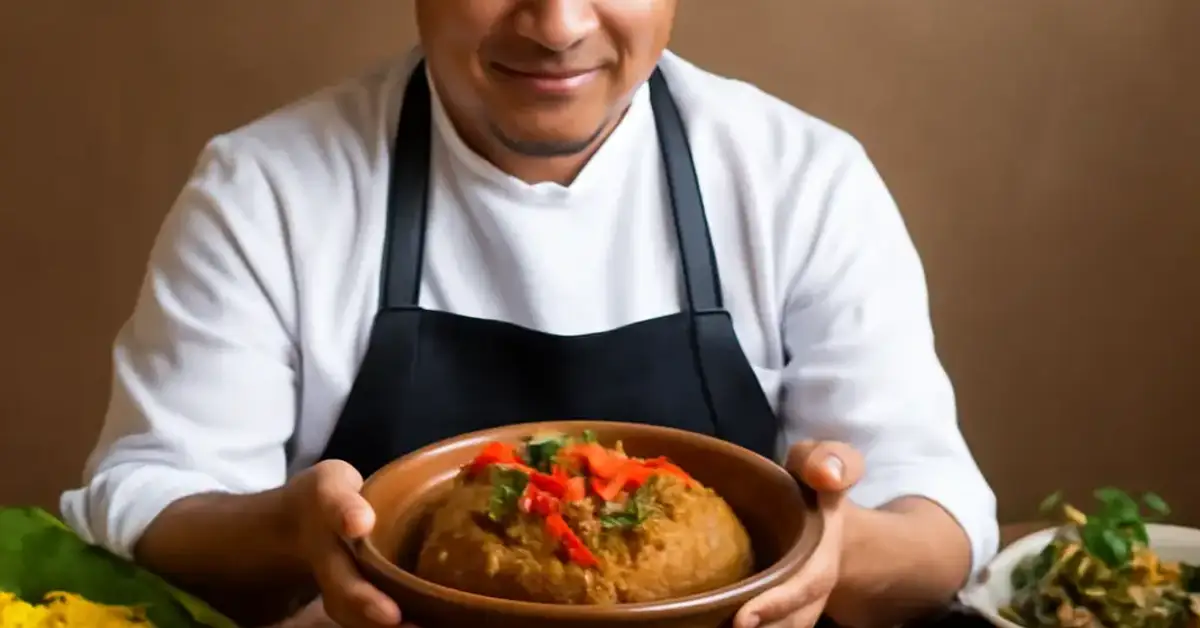
When we talk about Filipino food through regional flavors, we are really talking about the heart of the Philippines. As an Executive Chef based in Ubud, Bali, I often draw inspiration from the regional Filipino cuisine I grew up with. The beauty of Philippine regional food lies in its diversity—each island group has developed distinct Filipino cooking styles shaped by available local Filipino ingredients, historical trade, and indigenous traditions. For a related guide, see 10 Filipino Culinary Traditions That Shine in Bali.
For travelers and food enthusiasts, diving into Filipino food culture means more than just tasting traditional Filipino dishes like adobo or sinigang. It means understanding how regional food specialties reflect the environment and the people. Whether you are a culinary student, a travel blogger, or a home cook looking for authentic inspiration, exploring Filipino culinary traditions across Luzon, Visayas, and Mindanao is a journey worth taking. For a related guide, see 10 Filipino Inspired Dining Trends Growing in Bali.
Luzon Cuisine: The Heart of Philippine Food Heritage
Luzon cuisine is arguably the most well-known regional Filipino cuisine outside the Philippines. The island is home to the capital, Manila, and a wealth of regional food specialties that range from the smoky, grilled meats of the Ilocos region to the coconut-rich dishes of Bicol.
Key Dishes and Ingredients of Luzon
In Northern Luzon, local Filipino ingredients like fermented fish paste (bagoong) and fresh vegetables shine in pinakbet and dinengdeng. Central Luzon, particularly Pampanga, is considered the culinary capital of the Philippines, known for sisig—a sizzling chopped pork dish seasoned with calamansi and chili. Southern Luzon, especially Bicol, is famous for its use of gata (coconut milk) and siling labuyo (native chili) in dishes like laing and Bicol Express.
Filipino cooking styles in Luzon often involve slow braising, grilling over live coals, and the use of vinegar and soy sauce as preservatives. These techniques reflect both Spanish colonial influences and pre-colonial practices.
Visayas Cuisine: The Soul of Authentic Filipino Cuisine
Visayas cuisine is a celebration of the sea. The central islands—Cebu, Iloilo, Bacolod, and Leyte—offer some of the most vibrant regional flavors Philippines has to offer. Here, Filipino gastronomy is defined by the abundance of fresh seafood, souring agents like batuan and libis, and the beloved lechon.
Must-Try Visayan Specialties
Lechon Cebu is arguably the most famous traditional Filipino dish from the region—whole roasted pig with crispy skin and tender, flavorful meat. The Visayas are also home to kinilaw, a raw fish salad similar to ceviche, but made with vinegar, ginger, and calamansi. In Iloilo, you will find La Paz batchoy, a rich noodle soup with pork organs, chicharrón, and a deep, savory broth.
The local Filipino ingredients in the Visayas—coconuts, seafood, tropical fruits—are used in ways that highlight freshness and simplicity. Filipino cooking styles here lean toward grilling, boiling, and raw preparations, allowing the natural flavors to speak for themselves.
Mindanao Cuisine: The Spice Frontier of Philippine Regional Food
Mindanao cuisine represents the most distinct branch of regional Filipino cuisine, influenced by centuries of trade with Malaysia, Indonesia, and the Middle East. This is where Filipino food culture meets bold spices, coconut-based curries, and grilled meats seasoned with turmeric, lemongrass, and ginger.
Unique Dishes and Influences
In Mindanao, you will find dishes like pianggang Manok (chicken stewed in burned coconut and spices) and tiyula itum (black beef soup flavored with burnt coconut). The Maranao people of Lanao del Sur are especially known for their rich, aromatic Filipino culinary traditions that use palapa—a spicy condiment made of scallions, ginger, and chili.
Authentic Filipino cuisine in Mindanao often includes halal preparation methods, reflecting the Muslim majority in the region. The use of local Filipino ingredients like cassava, sweet potatoes, and tropical fruits such as durian and marang adds a layer of complexity to regional food specialties.
Comparing Regional Flavors Philippines: Luzon, Visayas, and Mindanao
| Aspect | Luzon Cuisine | Visayas Cuisine | Mindanao Cuisine |
|---|---|---|---|
| Signature Flavor | Savory, vinegar-based | Sour, fresh, smoky | Spicy, aromatic, coconut-rich |
| Key Ingredients | Patis, bagoong, coconut milk | Calamansi, ginger, seafood | Turmeric, lemongrass, chili |
| Iconic Dish | Sisig, Bicol Express | Lechon Cebu, kinilaw | Pianggang Manok, tiyula itum |
| Cultural Influence | Spanish, Chinese | Indigenous, Spanish | Malay, Middle Eastern, indigenous |
How Geography and Climate Shape Filipino Food Culture
The regional flavors Philippines are not accidental. Luzon’s extensive river systems and fertile plains support rice and vegetable farming. The Visayas, surrounded by water, have a fishing culture that defines its Filipino cooking styles. Mindanao’s tropical climate and historical role as a trading hub introduced spices and cooking methods not commonly found in the north.
Understanding this connection between land and plate is essential for anyone serious about Filipino gastronomy. It also helps travelers appreciate why a dish like adobo tastes different in Batangas versus Cebu—the kind of vinegar, soy sauce, and cooking technique vary by region.
Tips for Travelers: Exploring Philippine Regional Food
If you are a traveler or food blogger looking to experience authentic Filipino cuisine firsthand, here are a few practical tips:
- Start in Manila for a broad introduction, then venture to provincial capitals like Laoag, Cebu City, and Davao City.
- Visit local public markets (palengke) to see local Filipino ingredients in their natural habitat.
- Take a cooking class with a local chef to learn Filipino culinary traditions hands-on.
- Look for food tours that specialize in regional food specialties—many offer tastings from multiple regions in one outing.
- Don’t skip the street food; it often represents the most authentic version of regional Filipino cuisine.
Why Filipino Food Through Regional Flavors Matters for Food Tourism
For hospitality professionals and food tourism enthusiasts, highlighting Filipino food through regional flavors is a powerful way to attract visitors. The Philippines is already known for its beaches, but Philippine food heritage is an equally compelling reason to visit. By promoting regional Filipino cuisine, you create a richer, more immersive travel experience.
As Chef Juan Gadi, I have seen how sharing the stories behind traditional Filipino dishes builds connection and appreciation. Whether you are a restaurant owner in Bali or a travel blogger documenting your journey, treating Filipino gastronomy with the respect it deserves will elevate your work.
Useful Resources
For further reading on Filipino food through regional flavors, check out these two excellent resources:
- The Spruce Eats: A Guide to Regional Filipino Cuisine
- Yummy.ph: Your Ultimate Guide to Philippine Regional Cuisine
Frequently Asked Questions About Filipino Food Through Regional Flavors
What are the regional flavors of Filipino cuisine?
The regional flavors Philippines are diverse: Luzon offers savory, vinegar-heavy dishes; Visayas features fresh, sour, and grilled seafood; and Mindanao boasts bold, spicy, and coconut-based food influenced by Malay and Middle Eastern traditions. For a related guide, see 7 Filipino Dishes That Match Bali’s Tropical Vibes.
How does food vary across different regions of the Philippines?
Food varies by available local Filipino ingredients, climate, and cultural influences. Luzon uses more soy sauce and vinegar, Visayas relies on seafood and souring agents, and Mindanao incorporates spices like turmeric and lemongrass.
What makes Filipino regional dishes unique?
Regional food specialties are unique because they reflect each area’s geography, history, and indigenous traditions. They use locally sourced ingredients and cooking methods passed down through generations.
How do local ingredients influence Filipino cooking?
Local Filipino ingredients like coconut milk, vinegar, fish sauce, and native spices define the flavor profile of each region. They also dictate which cooking techniques are used, such as braising in Luzon or grilling in the Visayas.
Which regions are known for the best Filipino food?
Food is subjective, but Luzon (Pampanga), Visayas (Cebu, Iloilo), and Mindanao (Davao, Zamboanga) are widely celebrated for their distinct regional Filipino cuisine.
What are the most famous regional dishes in the Philippines?
Some of the most famous traditional Filipino dishes include sisig (Luzon), lechon Cebu (Visayas), and pianggang Manok (Mindanao). Each represents the best of Philippine regional food.
How do geography and climate shape Filipino cuisine?
Geography determines available ingredients—coastal regions have abundant seafood, while inland areas rely on root crops and vegetables. Climate influences preservation methods like smoking and fermentation.
What is the difference between Luzon Visayas and Mindanao food?
Luzon cuisine tends to be savory and vinegar-based. Visayas cuisine is sour, fresh, and seafood-centric. Mindanao cuisine is spicier and more aromatic, with heavy use of coconut and turmeric.
Why is regional diversity important in Filipino cuisine?
Regional diversity reflects the country’s rich Filipino food culture and history. It shows how Filipino culinary traditions have adapted to different environments and external influences over centuries.
How do cultural influences affect regional Filipino flavors?
Spanish, Chinese, Malay, and Middle Eastern traders all left their mark on Philippine regional food. These influences are most obvious in Mindanao, where halal cooking and spice use are common.
What traditional foods represent each Philippine region?
Luzon is represented by adobo and sinigang. Visayas is famous for lechon and kinilaw. Mindanao offers dishes like tiyula itum and kurmura.
How does Filipino regional cuisine reflect local history?
Each region’s cuisine tells the story of its people—colonization, trade, and indigenous practices all shape Filipino cooking styles and ingredient choices.
What are must try dishes from different Philippine regions?
Must-try dishes include Bicol Express (Luzon), chicken inasal (Visayas), and pianggang Manok (Mindanao). These represent the best of regional food specialties.
How do spices and seasonings vary across the Philippines?
Luzon uses more garlic, soy sauce, and vinegar. Visayas favors calamansi and ginger. Mindanao uses turmeric, lemongrass, and chili for a bolder regional flavors Philippines experience.
Why should travelers explore regional Filipino food?
Exploring Philippine regional food offers a deeper cultural experience. It allows travelers to connect with local communities and understand Filipino gastronomy beyond tourist menus.
What is the best way to experience Luzon cuisine ?
Start with a trip to Pampanga for sisig, then head to Bicol for coconut-based dishes. Visit local eateries and markets for the most authentic Filipino cuisine.
Is Visayas cuisine very different from Luzon cuisine ?
Yes. Visayas cuisine is more focused on seafood, sour flavors, and grilled preparations, while Luzon cuisine typically features braised meats and richer sauces.
Can you find Mindanao dishes in Luzon restaurants?
Yes, but they are less common. For the most authentic Filipino cuisine from Mindanao, it is best to visit the region or seek out chefs trained in regional Filipino cuisine.
Where can I learn to cook regional Filipino dishes?
Many cooking schools in Manila and Cebu offer classes in traditional Filipino dishes. Online platforms also have courses taught by chefs who specialize in Philippine regional food.
How does Chef Juan Gadi incorporate regional flavors in his cooking?
Chef Juan Gadi uses local Filipino ingredients and techniques from all three regions to create dishes that tell a story. At Kilig Filipino Warung in Ubud, each plate reflects the regional flavors Philippines has to offer.
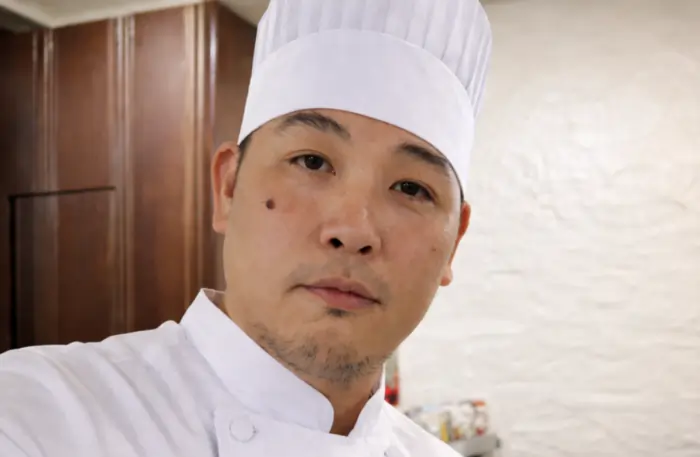
Chef Juan Gadi brings the heart of Filipino hospitality to Ubud, Bali. As an Executive Chef and consultant, he specializes in creating intimate, curated dining experiences that tell a story through every dish. Whether leading the kitchen at Kilig Filipino Warung or hosting a private villa dinner, Chef Juan’s approach is defined by warmth, modern technique, and a commitment to culinary excellence.