Why Certain Meals Become Unforgettable Memories Key Takeaways
Have you ever taken one bite of a dish and felt instantly transported to your grandmother’s kitchen, a bustling street market in Bangkok, or a candlelit celebration with friends?
- Why certain meals become unforgettable memories because the brain’s limbic system directly links taste and smell to emotion and long-term recall.
- Nostalgic dishes and comfort foods act as emotional anchors, connecting us to childhood, family, and tradition.
- Shared meals and travel experiences intensify food’s memorability through bonding, novelty, and sensory richness.
What Food Memory Psychology Reveals About Why Certain Meals Become Unforgettable Memories
As an Executive Chef in Ubud, Bali, I’ve watched countless guests take a first bite of Filipino Adobo and pause mid-chew, eyes widening. In that moment, they’re not just tasting soy sauce and vinegar—they’re tasting a memory. Food memory psychology explains this phenomenon with precision: the brain’s hippocampus and amygdala process sensory input from food and store it alongside the emotions we felt at the time. For a related guide, see 11 Ways Food Creates Emotional Travel Memories.
When you eat something meaningful, your brain doesn’t just log the ingredients. It logs the laughter across the table, the warm afternoon light, the weight of the occasion. That’s why why certain meals become unforgettable memories is not a mystery—it’s hardwired biology. The taste and memory connection is so strong that even decades later, a single flavor can trigger a vivid flashback. For a related guide, see Why Intimate Dining Creates More Meaningful Memories.
The Limbic System: Where Flavor Meets Feeling
The olfactory bulb—which processes smell—sits directly next to the amygdala and hippocampus, the brain’s emotional and memory centers. This proximity means that aromas bypass rational thought and go straight to the core of feeling. That’s why the scent of simmering sinigang can immediately evoke a childhood afternoon in the Philippines, even if you haven’t thought about that day in years.
Memory and taste brain research shows that taste alone is not enough; it’s the combination of aroma, texture, and emotional context that creates an indelible mark. This is the foundation of sensory memory food—a multisensory recording that plays back with startling clarity.
Why Emotional Eating Memories Shape Our Most Treasured Dishes
Think about your most unforgettable meal. Chances are, it wasn’t at a Michelin-starred restaurant—it was a simple bowl of soup made by someone who loved you, or a shared plate of grilled fish on a beach at sunset. Emotional eating memories are built on context, not complexity. The brain prioritizes experiences that carry emotional weight, which is why meals tied to joy, comfort, or celebration become permanent fixtures in our mental library.
In my private villa dinners in Bali, I’ve seen this firsthand. A couple celebrating an anniversary doesn’t just remember the seared tuna. They remember the way the candle flickered, the soft breeze, and the quiet intimacy. Emotional dining experiences are rarely about the food alone—they’re about the entire sensory and relational landscape. For a related guide, see 7 Intimate Food Experiences Travelers Always Remember: Unforgettable Private Dining Journeys.
Comfort Food Nostalgia: The Warmth of Home on a Plate
Comfort food nostalgia is one of the most universal forms of food memory. Whether it’s your mother’s chicken soup, a gooey grilled cheese from childhood, or a bowl of champorado on a rainy day, these dishes carry the emotional residue of safety and love. The psychology of eating reveals that we turn to comfort foods not because they are nutritionally superior, but because they are emotionally familiar.
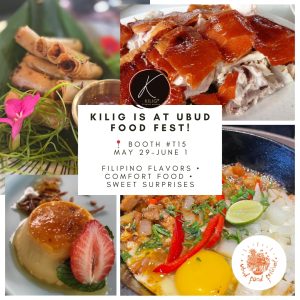
For many Filipinos, a plate of nostalgic dishes like Kare-Kare or Menudo is more than a meal—it’s a reunion with family, tradition, and identity. When I cook these dishes at Kilig Filipino Warung, I see guests soften. They’re not just eating—they’re remembering.
Shared Meals Culture: Why We Remember Who We Ate With
Humans are social eaters. Across every culture, food is a vehicle for connection. Shared meals culture transforms a simple act of nourishment into a ritual of belonging. The brain encodes social bonding with enhanced memory, which is why family dinners, holiday feasts, and community gatherings produce such durable recollections.
In Bali, I’ve hosted tables of strangers who left as friends. The meal created a shared emotional experience—a story they could tell. That’s the power of food and emotions: when we break bread together, we build memories that outlast the meal itself.
How Cultural Food Identity Anchors Memory
Cultural food identity is the lens through which we interpret taste. If you grew up eating Adobo every Sunday, that dish becomes a symbol of home and heritage. When I serve Adobo to Filipino travelers in Ubud, I often hear, “This tastes like my Lola’s cooking.” It’s not just the recipe—it’s the emotional resonance of culture preserved in flavor.
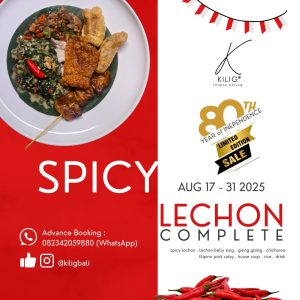
Traditional dishes like Sinigang or Lechon are more than ingredients. They are edible archives of family stories, regional history, and generational love. Childhood food memories are particularly potent because they are encoded at a time when the brain is highly receptive to emotional and sensory input.
Travel Food Experiences: The Novelty Factor That Locks in Memory
When you travel, your brain is in high-alert mode. New sights, sounds, smells, and tastes stimulate the hippocampus, making every experience more vivid. Travel food experiences often become unforgettable because they are bundled with novelty, adventure, and often a heightened emotional state—excitement, curiosity, even slight discomfort.
I remember my first trip to a night market in Bangkok. The sizzle of pork skewers, the sticky sweetness of mango with sticky rice, the chaos of vendors calling out. Every sensory detail was amplified because I had no prior reference. That’s why unforgettable meals are so often tied to travel: they are encounters with the unknown, served on a plate.
Why the Setting Matters: Environment as an Ingredient
The location of a meal can be as memorable as the food itself. A picnic by a rice terrace, a sunset dinner on a cliff, a humble street stall in a foreign city—these settings add emotional texture. In my work, I pay close attention to environment. The layout of a table, the lighting, the sounds of Ubud’s evenings—all of these become part of the memory. Emotional dining experiences are curated, even if unconsciously.
How to Create Unforgettable Meals: Practical Reflections for Home Cooks and Hosts
Whether you’re a chef, a home cook, or someone who simply loves food, you can apply these insights to create meals that people will remember for years. It doesn’t require expensive ingredients—it requires intentionality.
1. Cook with Story in Mind
Before you start cooking, ask yourself: What feeling do I want this meal to carry? Is it comfort, celebration, discovery? When I design a menu for a private dinner, I think about the narrative—where the ingredients come from, why I chose them, and what emotional arc the meal will follow. This transforms eating into emotional dining experiences.
2. Engage All the Senses
Sensory memory food depends on more than taste. Pay attention to the sound of sizzling, the visual beauty of plating, the texture of a slow-braised meat. When guests arrive at my table, I want them to hear the crackle of lechon skin and smell the garlic before they even sit down.
3. Bring People Together
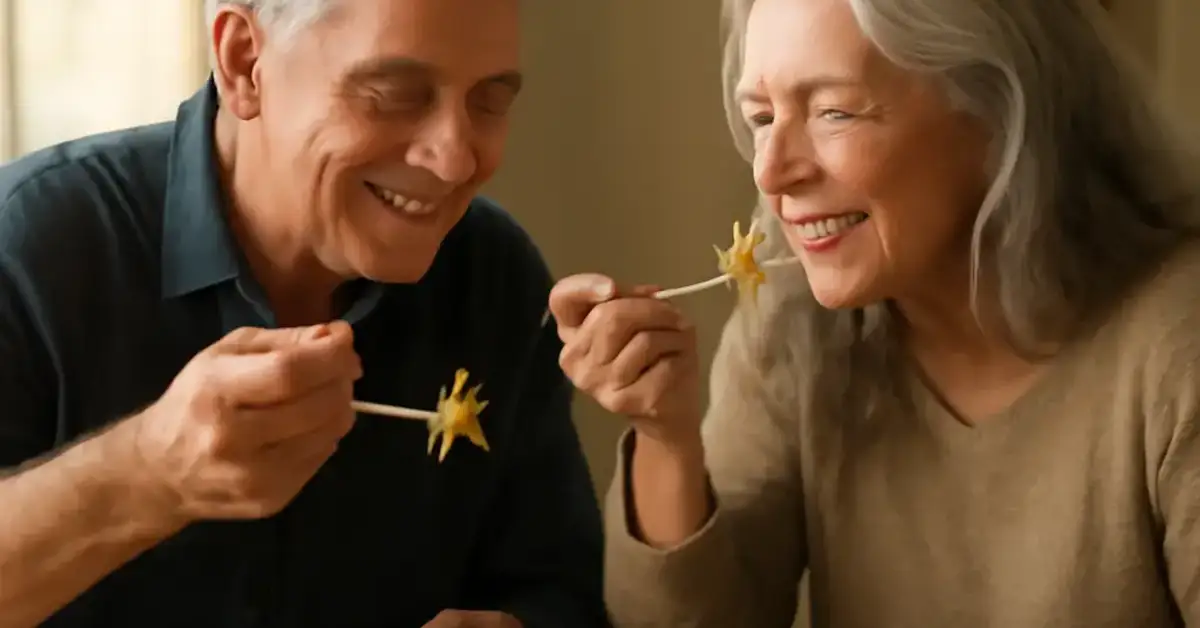
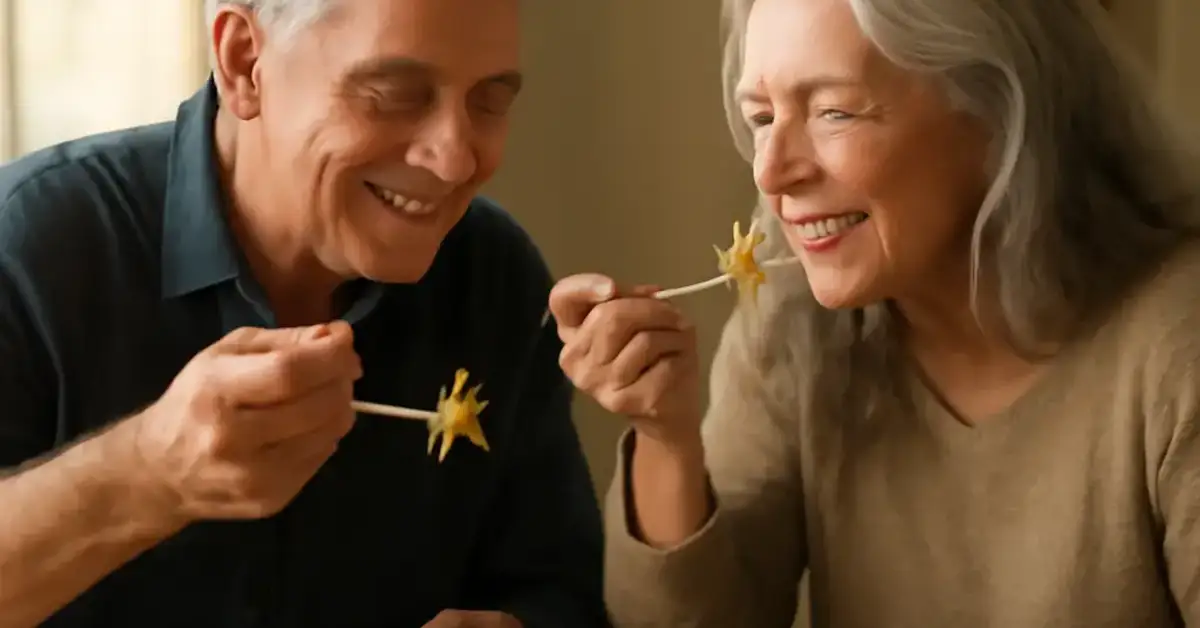
The most unforgettable meals I’ve ever hosted were not about the food—they were about the people. Shared laughter, a toast, a story told between courses. Shared meals culture is the secret ingredient. Invite someone to your table. Cook for them with presence. That connection is what makes a meal indelible.
4. Honor Your Heritage
Don’t underestimate the power of cultural food identity. Even if you’re cooking a dish from a culture not your own, approach it with respect and curiosity. Learn its history. Share that story with your guests. Food becomes unforgettable when it carries meaning.
Useful Resources
To dive deeper into food memory psychology and the taste and memory connection, I recommend the following authoritative sources:
- The Neural Basis of Food Memory and Nostalgia (NCBI / National Library of Medicine) — A scientific review of how the brain encodes food-related autobiographical memories.
- The Science of Why a Smell Can Trigger Vivid Memories (The Conversation) — An accessible explanation of how the olfactory system connects to emotion and memory systems.
Frequently Asked Questions About Why Certain Meals Become Unforgettable Memories
Why do some meals become unforgettable memories?
Meals become unforgettable when they are paired with strong emotions, sensory richness, and meaningful social context. The brain’s limbic system links taste and smell directly to emotional and memory centers, making certain dining experiences permanent.
How does food trigger emotional memories?
Food triggers emotional memories through the olfactory bulb, which processes aromas and connects directly to the amygdala and hippocampus. A single smell or taste can reactivate the emotional state you were in when you first experienced that food.
What makes a meal emotionally meaningful?
A meal becomes emotionally meaningful when it is tied to connection—whether with loved ones, a cultural tradition, or a personal milestone. The emotional context surrounding the meal is often more important than the food itself.
Why do people remember certain foods from childhood?
Childhood food memories are powerful because the brain is highly receptive during early development. These meals are often linked to caregivers, home, and feelings of safety, making them emotional anchors that last a lifetime.
How does culture influence food memories?
Culture shapes which foods are considered meaningful, how they are prepared, and when they are eaten. Traditional dishes become symbols of heritage and identity, making them deeply memorable for people within that culture.
What role does smell play in food memory recall?
Smell plays a crucial role because the olfactory system has direct, unfiltered access to the brain’s emotion and memory centers. Aroma can trigger vivid recall faster and more powerfully than visual or verbal cues.
Why are family meals so memorable?
Family meals are memorable because they combine multiple memory-enhancing factors: emotional bonding, regular repetition, sensory richness, and shared stories. They become reference points in our personal history.
How does travel affect food experiences?
Travel heightens sensory awareness and emotional engagement. Novel environments make every taste and aroma more vivid, and the excitement of discovery is encoded alongside the food, creating unforgettable memories.
What is the psychology behind comfort food?
Comfort food psychology is rooted in nostalgia and emotional regulation. These foods are often associated with positive childhood experiences, and eating them can evoke feelings of safety, warmth, and familiarity.
Why do special occasions make meals unforgettable?
Special occasions are emotionally charged events. The combination of celebration, ritual, and often higher-quality food creates a unique context that the brain encodes as significant and worth remembering.
How does taste connect to memory in the brain?
Taste connects to memory through the insular cortex and orbitofrontal cortex, which integrate flavor with emotional and contextual information. This network creates a multisensory memory that can be reactivated by the same taste later.
What foods are most commonly associated with nostalgia?
Nostalgic foods vary by culture, but common examples include home-cooked meals like soups, stews, baked goods, and holiday dishes. These foods are often simple, consistent, and deeply tied to family traditions.
How do emotions affect how we remember food?
Emotions act as a tagging system. Meals eaten during joy, grief, or excitement are stored with greater neural detail. The stronger the emotion, the more vivid and durable the food memory becomes.
Why do shared meals feel more meaningful?
Shared meals feel more meaningful because they activate social bonding circuits in the brain. Eating together releases oxytocin and builds trust, making the experience feel significant and memorable.
How can food become part of life experiences?
Food becomes part of life experiences when it is intentionally embedded in rituals, travel, or important milestones. Cooking with loved ones, celebrating with traditional dishes, or exploring new cuisines all weave food into your personal narrative.
Is food memory different from regular memory?
Food memory is a subtype of autobiographical memory that is particularly vivid because it involves multiple senses—taste, smell, texture, and sight—along with emotional context. This multisensory encoding makes food memories more durable than many other types.
Can you create new food memories as an adult?
Absolutely. Adults continue to form strong food memories, especially through novel travel, intentional dining experiences, and shared meals with loved ones. The brain’s memory systems remain active throughout life.
What is the most powerful sense for food memory?
Smell is generally considered the most powerful sense for triggering food memories, because the olfactory system has the most direct neural pathway to the brain’s emotion and memory centers.
Does presentation affect food memory?
Yes, visual presentation influences memory because the brain processes beauty and intention as emotionally relevant. A beautifully plated dish signals care and celebration, which enhances the overall experience and recall.
How can I make meals more memorable for my guests?
Focus on emotional context: tell a story about the dish, involve guests in preparation, choose a meaningful setting, and create moments of connection. The most memorable meals are those that make people feel seen and celebrated.
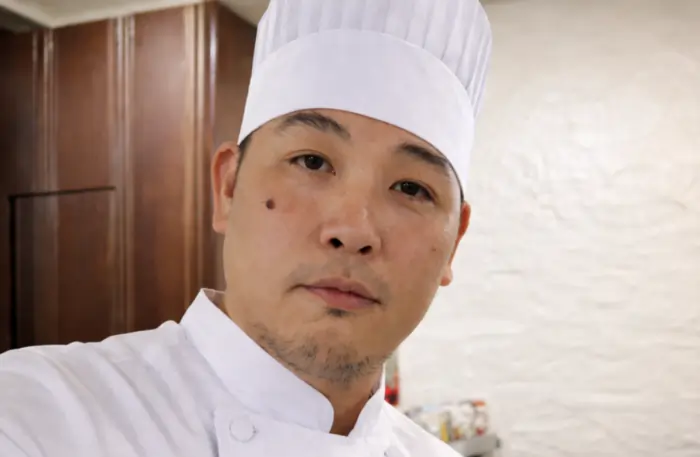
Chef Juan Gadi brings the heart of Filipino hospitality to Ubud, Bali. As an Executive Chef and consultant, he specializes in creating intimate, curated dining experiences that tell a story through every dish. Whether leading the kitchen at Kilig Filipino Warung or hosting a private villa dinner, Chef Juan’s approach is defined by warmth, modern technique, and a commitment to culinary excellence.