
Ways Food Creates Emotional Travel Memories Key Takeaways
As a chef who left the Philippines to bring the warmth of Filipino hospitality to Ubud, Bali, I have seen how food travel memories form in real time.
- Ways food creates emotional travel memories include sensory immersion, cultural storytelling, and shared human connection.
- Mindful, experiential dining — like a curated dinner with Chef Juan Gadi in Ubud — transforms a simple meal into an unforgettable emotional anchor.
- Food tourism experiences continue to grow because travelers prioritize feelings and authenticity over mere sightseeing.

What Readers Should Know About the Ways Food Creates Emotional Travel Memories
Every traveler has a meal they cannot forget. It might be the steam rising from a bowl of pho in Hanoi, the crunch of a freshly baked croissant in Paris, or the first bite of lechon in Cebu. These moments stick because they engage all five senses at once, creating a neural shortcut straight to emotion.
As a chef who left the Philippines to bring the warmth of Filipino hospitality to Ubud, Bali, I have seen how food travel memories form in real time. When a guest sits at my table at Kilig Filipino Warung or during a private villa dinner, they are not just eating — they are experiencing a place and a person through flavor. That is the essence of emotional dining experiences. For a related guide, see 8 Ways Chef Curated Menus Elevate Bali Gatherings.
Culinary tourism is not just a trend; it is a movement toward deeper, more meaningful travel. According to the World Food Travel Association, travelers who seek food tourism experiences spend more, stay longer, and return home with richer stories. The reason is simple: memorable travel meals are co-authored by the destination, the chef, and the diner.
How Taste, Aroma, Presentation, and Atmosphere Create Memory Anchors
Before we dive into the 11 specific ways, it helps to understand the mechanics of a food memory. The brain processes flavor, scent, and visual cues in the limbic system — the same region that governs emotion and long-term memory. That is why a single whiff of lemongrass can transport you back to a Bali night market years later.
Cultural food experiences are especially potent because they carry the context of place. Eating nasi campur with your hands in a local warung, for example, involves touch, taste, and the sound of traffic mixing with gamelan music. Every layer strengthens the memory.
When I design a menu, I consider the entire sensory envelope: the humidity in the air, the texture of the banana leaf, the color of the turmeric, and the story behind each ingredient. This is experiential dining — and it is the foundation of every great travel dining memory.
11 Ways Food Creates Emotional Travel Memories
1. Tasting a Place Through Its Local Ingredients
The most direct way food creates emotional travel memories is by introducing you to ingredients you cannot find at home. In Bali, that might be the bitterness of fresh tempeh or the floral notes of kencur (aromatic ginger). Eating these ingredients in their native environment creates a unique destination dining experience — one that cannot be replicated anywhere else.
Local cuisine travel is about discovery. When you taste a mango plucked from a tree minutes earlier, your brain registers the freshness as a marker of authenticity. That authenticity becomes part of your food travel memories because it is tied to a specific time and place.
2. The Emotional Weight of Shared Meals
Shared meal experiences are perhaps the most powerful memory-makers. Eating alone fuels the body; eating together feeds the soul. When travelers share a meal with locals or fellow guests, the experience becomes a social anchor.
At my private dinners, I often see strangers become friends over a bowl of sinigang. The act of passing dishes, exchanging stories, and laughing over a shared plate of lumpia creates bonds that last long after the table is cleared. These emotional dining experiences are what guests remember most vividly.
3. Learning the Story Behind Every Dish
Food without context is just nutrition. But when a chef explains that the coconut milk in a curry is sourced from a nearby farmer, or that a recipe has been passed down for four generations, the meal transforms into a narrative. This is authentic food tourism at its best.
I always begin my villa dinners with a short story about each dish — where the idea came from, why certain spices are used, and how the dish reflects my Filipino-Balinese journey. Guests often tell me later that those stories are what they carry home, not just the taste.
4. Sensory Overload in Local Markets
A morning at Ubud Market is a masterclass in sensory travel memories. The smell of pandan, the sight of writhing crabs, the sound of women bargaining in Balinese — all of it primes your brain to remember. Tasting a sample of fresh jackfruit or sipping a young coconut water becomes a memory because your senses are fully engaged.
Encouraging travelers to visit markets is one of the simplest ways food creates emotional travel memories. You do not need a fancy restaurant; you just need curiosity and an open appetite.
5. Cooking Classes That You Participate In
When you learn to make a dish yourself, the memory becomes tactile. Your hands remember the feel of kneading dough, the sound of sizzling garlic, the smell of frying shallots. Culinary tourism that involves hands-on participation creates deeper neural encoding than passive observation.
In my pop-up classes in Ubud, I guide guests through the process of making traditional Filipino dishes. They leave with not only a full stomach but also a skill and a story they can recreate at home — and every time they cook that dish, they are transported back to Bali.
6. The Power of a Chef’s Personal Touch
Hospitality experiences become unforgettable when a chef steps out of the kitchen to connect with diners. A personal greeting, a customized dish based on a guest’s preference, or a small gesture like an extra dessert — these moments signal genuine care.
In my work with luxury travel dining, I find that personalized touches create disproportionate memory value. A guest who mentions a love for jackfruit will remember a chef who incorporated it into a surprise course. That kind of attention is the hallmark of experiential dining.
7. Pairing Food with Place and Ritual
Eating a certain dish in a specific setting — like watching the sunset over rice terraces while sipping arak — elevates the meal from ordinary to iconic. The brain links the sensory input of the food with the visual beauty of the place, creating a powerful composite memory.
At my villa dinners, I often time the courses to coincide with the changing light. The first course might arrive under golden sunlight, while dessert is served by candlelight. This rhythm aligns with the natural beauty of Ubud and amplifies the destination dining experience.
8. Street Food: A Crash Course in Local Life
Cultural food experiences are often rawest and most authentic on the street. Watching a vendor slice fresh mango and dust it with chili salt, or eating skewers grilled over charcoal on a busy sidewalk, connects you to daily life in a way a restaurant cannot.
Street food is one of the most accessible ways food creates emotional travel memories. It is unpretentious, honest, and full of the energy of the place. For many travelers, those two-dollar meals become the most cherished memorable travel meals.
9. The Role of Unexpected Discovery
Some of the best food memories are unplanned. A wrong turn that leads to a hidden warung, a random recommendation from a stranger, a dish you order simply because you cannot read the menu — these serendipitous moments are rich with emotional resonance.
As a chef, I love hearing stories of how guests stumbled upon my restaurant. The element of surprise adds a layer of delight that makes the experience feel like a personal gift. This is why food tourism experiences thrive on spontaneity.
10. Food as a Bridge to Understanding Culture
Local cuisine travel is one of the most effective ways to understand a culture’s values, history, and geography. A spicy dish might tell you about trade routes; a sweet dessert might reveal local agriculture; a complex sauce might hint at centuries of colonial influence.
I design my menus to reflect the Filipino spirit of bayanihan (community) and the Balinese concept of Tri Hita Karana (harmony). When guests taste those values in the food, they leave with a deeper understanding — and that understanding becomes a lasting travel dining memory.
11. Slowing Down to Savor
In a world of fast travel and quick bites, the final way food creates emotional travel memories is by demanding that you slow down. A multi-course dinner, a long conversation over coffee, a meal eaten by hand — these rituals force you to be present.
Presence is the secret ingredient. When you are fully engaged — tasting, smelling, listening, talking — the moment imprints deeply. That is why my private dinners are designed to last two to three hours. Time slows, and memories flower.
Comparison: Ordinary Meals vs. Immersive Culinary Experiences
| Aspect | Ordinary Meal | Immersive Culinary Experience |
|---|---|---|
| Goal | Satisfy hunger | Create connection and memory |
| Storytelling | Minimal or none | Integral to each dish |
| Sensory Engagement | Partial (taste + sight) | Full (taste, smell, touch, sound, sight) |
| Social Interaction | May be transactional | Encouraged and guided |
| Memory Lifespan | Days or weeks | Years or a lifetime |
| Price Range | Low to medium | Medium to high |
| Example | Airport sandwich | Private villa dinner with Chef Juan Gadi |
This comparison highlights why authentic food tourism and experiential dining are not just buzzwords — they represent a fundamentally different approach to travel. The investment in luxury travel dining pays dividends in emotional richness.
Why Food Tourism Continues to Grow
The rise of culinary tourism is not accidental. Travelers today are increasingly seeking memorable travel meals over standard attractions. They want to feel something, learn something, and connect with others. Food naturally delivers all three.
According to a 2023 study by the World Food Travel Association, 53% of leisure travelers say they choose a destination based on its food and beverage scene. This trend is especially pronounced among high-income travelers and younger generations. Food tourism experiences offer a low-barrier, high-reward way to experience a culture deeply.
For luxury travel dining, the appeal is even stronger. A Michelin-starred dinner in Tokyo, a truffle hunt in Tuscany, or a private villa dinner in Ubud — these are not just meals; they are status markers and memory investments. Hospitality experiences that prioritize personalization and authenticity command premium prices and generate rave reviews.
Destinations that embrace local cuisine travel as a core part of their identity — like Bali, with its warungs, cooking schools, and destination dining experiences — attract repeat visitors who return not just for the scenery but for the taste of home away from home. For a related guide, see How Dining Experiences Become Lasting Travel Memories.
Useful Resources
For further reading on the intersection of food, travel, and memory:
- World Food Travel Association — Industry research, definitions, and consumer trends in culinary tourism and food tourism experiences.
- ScienceDirect — Food Memory and the Brain — A research overview explaining the neuroscience of how taste, aroma, and emotion create long-term food memories.
Frequently Asked Questions About Ways Food Creates Emotional Travel Memories
What are the main ways food creates emotional travel memories ?
By engaging multiple senses, evoking cultural stories, and fostering shared human connection. Taste, aroma, atmosphere, and the act of eating together all contribute to lasting memory formation.
Why is food such a powerful memory trigger during travel?
Food interacts directly with the limbic system, the brain’s emotional center. The combination of flavor, scent, texture, and context creates a strong associative memory that can be recalled vividly for years.
How does local cuisine help travelers connect with a destination?
Local ingredients, traditional cooking methods, and regional specialties give travelers a direct taste of a culture’s history, geography, and values. It transforms a visit from observation to participation.
What makes a dining experience “immersive” for travelers?
Immersive dining involves storytelling, hands-on participation, multi-sensory stimulation (taste, smell, touch, sound), and personalized interaction with the chef or host. It moves beyond eating to experiencing.
Can a simple street food meal create a lasting travel memory?
Absolutely. Street food often provides the most authentic and unscripted food travel memories because it places travelers in the middle of local life, engaging all senses in a raw, honest way.
What role does a chef play in creating emotional dining experiences ?
A chef acts as a cultural translator and host. By sharing stories, customizing dishes, and showing genuine warmth, a chef transforms a meal into a personal, unforgettable hospitality experience.
How can travelers intentionally create food memories while abroad?
Seek out cooking classes, visit local markets, dine with locals, ask chefs about ingredients, and choose destination dining experiences that emphasize storytelling and interaction over speed.
Is food tourism only for luxury travelers?
Not at all. While luxury travel dining offers exclusive experiences, food tourism occurs at every price point — from a $2 bowl of noodles to a $200 private dinner. The emotional depth depends on presence and curiosity, not budget.
Why are shared meal experiences more memorable than eating alone?
Shared meals involve conversation, laughter, and the exchange of stories. Social bonding releases oxytocin, which strengthens memory encoding. The emotional charge of connection makes the moment stick.
How do cooking classes contribute to sensory travel memories ?
They engage touch, smell, sight, and taste simultaneously. The physical act of chopping, grinding, and stirring creates motor memories that reinforce the sensory experience, making it easier to recall.
What is the difference between culinary tourism and regular dining?
Culinary tourism is intentional: travelers seek out food experiences that teach them about a culture or place. Regular dining prioritizes convenience or habit. The former is driven by curiosity, the latter by need.
Can food memories be negative too?
Yes. A bad food experience — such as food poisoning or a disappointing meal — can create strong negative travel dining memories. That is why quality and authenticity matter in food tourism experiences.
How does atmosphere affect food memory?
Atmosphere provides context. Eating the same dish in a noisy market versus a quiet villa creates different emotional associations. The lighting, sounds, temperature, and even the view become part of the memory.
What makes a destination dining experience “authentic”?
Authenticity comes from ingredients, preparation techniques, and cultural context that are true to the place. It also involves genuine hospitality — a sense that the host cares about sharing their culture, not just making a sale.
Why do travelers remember the chef’s name or story?
Personal connection enhances memory. When a chef shares their story and passion, it humanizes the experience. The guest remembers not just the food but the person behind it, which adds emotional weight.
How can couples create romantic food memories while traveling?
Opt for private dining experiences with personalized menus, candlelit settings, and local wine pairings. Shared cooking classes also work well because cooperation deepens connection and creates joint memories.
Is food memory stronger than visual memory in travel?
For many people, yes. The scent and taste of a dish can trigger detailed recall of a place more quickly than a photograph. That is because food activates multiple brain regions simultaneously, creating a richer memory trace.
What should travelers document to preserve food memories?
Write down the name of the dish, the ingredients, the story behind it, and the name of the chef or server. A photo is helpful, but a journal entry that captures the sensory details is even more powerful.
How can event planners incorporate food memories into destination weddings?
Work with a chef who can design a menu that reflects the couple’s love story and the local cuisine. Interactive stations, late-night local snacks, and a chef-curated welcome dinner strengthen shared meal experiences for guests.
What is the future of food tourism?
The future points toward hyper-personalized, storytelling-driven experiences. Travelers will seek out chefs and hosts like Chef Juan Gadi, who blend local authenticity with modern technique and genuine hospitality experiences.
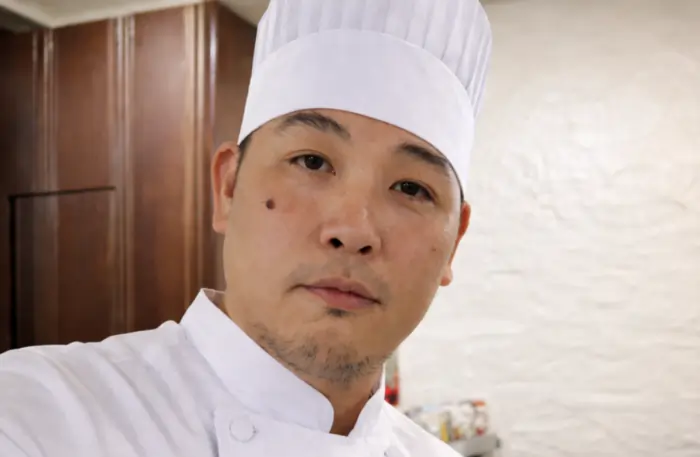
Chef Juan Gadi brings the heart of Filipino hospitality to Ubud, Bali. As an Executive Chef and consultant, he specializes in creating intimate, curated dining experiences that tell a story through every dish. Whether leading the kitchen at Kilig Filipino Warung or hosting a private villa dinner, Chef Juan’s approach is defined by warmth, modern technique, and a commitment to culinary excellence.