

Beautiful Dining Moments Create Lasting Emotions Key Takeaways
We all remember certain meals years later—not because of the ingredients, but because of how they made us feel.
- Beautiful dining moments create lasting emotions when the environment—lighting, music, and setting—aligns with the mood of the occasion.
- Sensory cues like aroma and texture activate powerful memory pathways in the brain, making certain meals unforgettable.
- Shared meals deepen emotional bonds, turning ordinary food into symbols of love, friendship, and cultural identity.

What Makes a Dining Moment Beautiful and Unforgettable
A beautiful dining moment is never accidental. It is a carefully crafted intersection of sensory delight, emotional context, and human warmth. When Chef Juan Gadi prepares a private villa dinner in Ubud, he knows that the lush greenery, the flicker of candlelight, and the sound of distant gamelan music are as important as the dish itself. The question what makes a dining moment beautiful has a layered answer: it is the feeling of being seen, cared for, and transported to a place where time slows down. According to research from the National Institutes of Health, memory encoding is strongly linked to emotional arousal—meaning the more we feel, the more we remember.
How the Restaurant Atmosphere Impact Shapes Our Feelings
The restaurant atmosphere impact is one of the most powerful ingredients in creating memorable meals. Studies in environmental psychology confirm that lighting, sound, and spatial design directly affect how we perceive flavor and how much we enjoy our time. Soft lighting encourages intimacy; lively music invites celebration. A well-designed setting can transform a simple plate of food into a sensory experience that feels layered and intentional.
The Role of Lighting, Music, and Setting
Imagine dining under a canopy of fairy lights in a quiet Balinese garden. The soft glow reduces stress and makes faces look warmer. The absence of loud noise allows conversation to flow. This is not romantic poetry—it is neuroscience. The sensory dining experience relies on these subtle cues to create a receptive mental state. When diners feel relaxed and open, the meal becomes a narrative, not just a transaction.
How Atmosphere Shapes Emotional Food Experiences
Emotion is the lens through which we remember events. A clattering, overly bright room can make even a Michelin-star meal feel forgettable. On the other hand, a humble meal in a beautiful, calm setting can become a cherished dining experience memory. This is why Chef Juan designs each Kilig Filipino Warung dinner with intention—every bamboo detail and soft aroma is meant to evoke a feeling of balikbayan (returning home). For a related guide, see How Dining Experiences Become Lasting Travel Memories.
Why the Food and Memory Connection Runs So Deep
The food and memory connection is one of the strongest bonds in human experience. The brain’s olfactory bulb is directly connected to the amygdala and hippocampus—the regions responsible for emotion and memory. That is why a whiff of garlic and annatto can instantly transport someone back to their grandmother’s kitchen. Chef Juan’s adobo recipe, slow-cooked in coconut vinegar and served in handcrafted clay pots, is designed to trigger exactly this kind of powerful recall.
Sensory Psychology Food and the Brain
Sensory psychology food studies reveal that flavor is a multisensory construct. When we eat, our brain combines taste, smell, texture, sight, and even sound (think of the crunch of lechon skin) into one cohesive memory. A dish that looks stunning, smells aromatic, and has a pleasing texture is far more likely to be remembered than one that only tastes good. This is why plating and presentation are not just aesthetic choices—they are mnemonic tools.
When a Meal Becomes an Unforgettable Meal
What separates a good meal from an unforgettable meal? It is the presence of novelty and emotional intensity. First dates, anniversaries, holiday feasts, and meals shared after a long separation are naturally more vivid. The brain tags these events as important. Chef Juan recalls a couple who celebrated their 10th anniversary at his private dining table overlooking the Ayung River. “They barely touched their phones,” he says. “They just looked at each other and smiled. That is the kind of romantic dining moments people carry forever.” For a related guide, see How Meaningful Meals Bring People Closer Together.
How Shared Meals Emotions Build Deeper Bonds
Shared meals are among the oldest human rituals. From ancient feasts to modern dinner parties, eating together signals trust, cooperation, and affection. Shared meals emotions are powerful because they combine physical nourishment with social bonding. When we share food, we share vulnerability and joy. This is particularly true in Filipino culture, where the word “kain tayo” (let’s eat) is an invitation to connection, not just consumption.
Why Family Gatherings Create Meaningful Meals
A Sunday lunch with extended family, where dishes are passed around and stories overlap, becomes a meaningful meal precisely because of the emotions involved. Laughter, debate, and shared history season the food. Chef Juan often recreates these communal tables in his Ubu-based events, encouraging guests to eat with their hands—a practice called kamayan—that forces everyone to slow down and engage with each other.
Food Experience Storytelling at the Table
Every dish tells a story. Food experience storytelling is an art that chefs use to elevate dining from feeding to narrative. When Chef Juan serves sinigang, he does not just present a bowl of tamarind soup. He explains the origins of the sour fruit, the way Filipino fishermen once used it to preserve fish, and how the dish represents resilience and resourcefulness. That story becomes part of the dining experience memory.
The Power of Hospitality Experience in Creating Emotional Impact
Great hospitality experience makes guests feel like the most important people in the room. It is not about perfection—it is about care. When a server remembers your name, when a chef adjusts a dish to your preference, when the lighting is dimmed just because you mentioned a special occasion—these micro-moments build emotional resonance. Research from Cornell’s School of Hotel Administration shows that personalized service is the single strongest predictor of guest loyalty and positive recall.
How Service Creates Romantic Dining Moments
Romance is often about feeling uniquely seen. A couple celebrating an anniversary does not just want good food—they want a moment that feels curated for them. Chef Juan’s private dining settings allow for exactly that: a personalized menu, a handwritten note, a toast with local Balinese arak. These romantic dining moments become benchmarks in a relationship’s timeline.
Why Travel Food Memories Feel More Intense
Travel food memories are among the most vivid we have. Why? Because travel is inherently novel and emotionally heightened. When we are in a new place, our senses are on high alert. The brain is forming fresh neural pathways, and the food we eat becomes a souvenir of that adventure. Chef Juan’s guests often say the same thing: a meal at his warung in Ubud changed how they thought about Filipino food.
Cultural Dining Experiences as Emotional Anchors
Cultural dining experiences are powerful because they connect us to something larger than ourselves. Eating traditional dishes in their place of origin—like adobo in the Philippines or rendang in Sumatra—provides a deep sense of authenticity and belonging. Chef Juan’s fusion of Filipino techniques with Balinese ingredients creates a new cultural narrative that diners remember as a unique, one-of-a-kind experience.
Practical Insights for Creating Beautiful Dining Moments Create Lasting Emotions
Whether you are a restaurant owner, a home cook, or a hospitality professional, you can apply these principles to your own table. Here are actionable strategies inspired by Chef Juan’s approach.
| Element | How to Apply It | Emotional Outcome |
|---|---|---|
| Lighting | Use warm, dimmable lights; avoid fluorescents | Intimacy and relaxation |
| Music | Select instrumental or low-volume local sounds | Transport and calm |
| Presentation | Plate with color contrast and height | Visual delight and anticipation |
| Service | Personalize interactions; remember names | Feeling valued and cared for |
| Storytelling | Explain the origin of each dish | Deeper engagement and memory |
How to Turn a Simple Meal into a Beautiful Dining Moment
Start with intention. Ask yourself: what feeling do you want your guests to have? If the answer is joy, then add something playful—a pop of color, a surprising texture. If the goal is intimacy, reduce the noise and focus on the company. The secret is that beautiful dining moments create lasting emotions only when the host genuinely cares about the guest’s experience.
Useful Resources
For those who want to dig deeper into the science and practice of emotional dining, here are two excellent external resources:
- National Institutes of Health: The Neuropsychology of Food and Memory – A comprehensive review of how sensory cues and emotion shape food memory.
- Cornell School of Hotel Administration: Hospitality and Guest Experience Research – Leading academic insights on how service and atmosphere influence guest loyalty.
Frequently Asked Questions About Beautiful Dining Moments Create Lasting Emotions
How do dining experiences create lasting memories?
Dining experiences create lasting memories by engaging multiple senses—taste, smell, sight, and sound—in a setting that evokes strong emotions. When the atmosphere, service, and food all align with a meaningful occasion, the brain encodes the moment as significant and easy to recall.
Why are some meals emotionally unforgettable?
Meals become emotionally unforgettable when they are tied to high-arousal events like celebrations, reunions, or romantic dates. The brain’s amygdala tags these moments with emotional importance, making them more vivid in memory than routine meals.
What makes a dining moment beautiful?
A beautiful dining moment combines intentional atmosphere—like candlelight and soothing music—with authentic human connection. It feels curated yet effortless, and it honors the guest’s emotional needs as much as their appetite.
How does atmosphere affect food experiences?
Atmosphere directly influences how we perceive taste and how relaxed we feel. Soft lighting, comfortable seating, and pleasant background sound reduce stress and increase enjoyment, making the food itself seem more flavorful and memorable.
Why do people remember special meals?
People remember special meals because they are often associated with novel or emotionally charged events. The brain prioritizes memories that include strong feelings, unique surroundings, or meaningful social interactions.
How do emotions influence dining memories?
Emotions act like a highlighter pen for memory. When you feel joy, excitement, or love during a meal, the brain releases neurotransmitters that strengthen the encoding of that experience, making it easier to retrieve later.
What role does setting play in restaurant experiences?
The setting provides the sensory backdrop that frames the meal. A beautiful garden or a cozy interior can make diners feel transported, which enhances their openness to new flavors and emotional connection with companions.
How does shared food create emotional bonding?
Sharing food is a primal act of trust and generosity. When people eat from the same dish or pass plates around, they engage in cooperative behavior that releases oxytocin, the bonding hormone, which deepens relationships.
Why are romantic dinners so memorable?
Romantic dinners are memorable because they combine high emotional stakes with sensory indulgence. The intimacy of the setting, the attentiveness of the service, and the symbolic meaning of the occasion all contribute to a powerful memory.
How does culture shape dining experiences?
Culture dictates everything from table manners to flavor preferences. Experiencing authentic cultural dining—like kamayan in the Philippines or tea ceremonies in Japan—creates deep emotional resonance by connecting food to identity and history.
What makes restaurant experiences feel special?
Special restaurant experiences feel unique and personal. They often involve a surprise element—a complimentary dessert, a customized dish, or a story from the chef—that makes the guest feel like an individual, not just a customer.
How do senses influence food memories?
The senses are the gateways to memory. Aroma is especially powerful because the olfactory bulb is directly wired to emotion and memory centers in the brain. Texture and visual appeal also add layers that make recall richer.
Why do travel meals feel more meaningful?
Travel meals feel more meaningful because they combine novelty with intentionality. You are often more present, more curious, and more open to trying new things, which amplifies the emotional impact of the meal.
How does hospitality impact emotional dining?
Hospitality transforms a meal into an experience of care. Warm, attentive service makes guests feel valued, which elevates their mood and deepens their connection to the food and the people they are with.
What turns a simple meal into a lasting memory?
A simple meal becomes a lasting memory when it is wrapped in intentional detail—a handwritten menu, a shared laugh, a beautiful sunset view. It is the emotional wrapping, not the food itself, that makes it unforgettable.
How can I create emotional food experiences at home?
Start by setting a mood: dim the lights, play soft music, and remove distractions. Cook a dish with personal meaning, tell its story, and eat without rush. The goal is to make everyone feel welcome and present.
What is the most important element of a memorable meal?
The most important element is human connection. Even the most elaborate tasting menu will be forgotten if it is eaten alone in silence. Shared presence and conversation are the secret ingredients.
Can a meal change your emotional state?
Absolutely. Comfort foods can soothe sadness; celebratory meals can amplify joy. The combination of flavor, aroma, and social setting can shift mood, reduce stress, and create a sense of well-being.
Why do food memories from childhood last so long?
Childhood food memories last long because they are formed during a period of intense brain development and emotional vulnerability. These memories are often tied to feelings of safety, love, and home, making them deeply ingrained.
How does a chef like Chef Juan Gadi create emotional meals?
Chef Juan creates emotional meals by combining Filipino warmth with Balinese serenity. He focuses on storytelling through ingredients, personalized service, and a setting that feels both luxurious and like home—allowing guests to fully relax and connect.
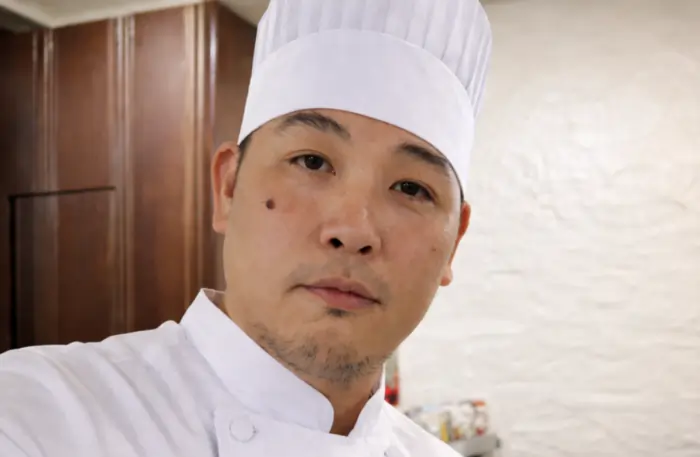
Chef Juan Gadi brings the heart of Filipino hospitality to Ubud, Bali. As an Executive Chef and consultant, he specializes in creating intimate, curated dining experiences that tell a story through every dish. Whether leading the kitchen at Kilig Filipino Warung or hosting a private villa dinner, Chef Juan’s approach is defined by warmth, modern technique, and a commitment to culinary excellence.