
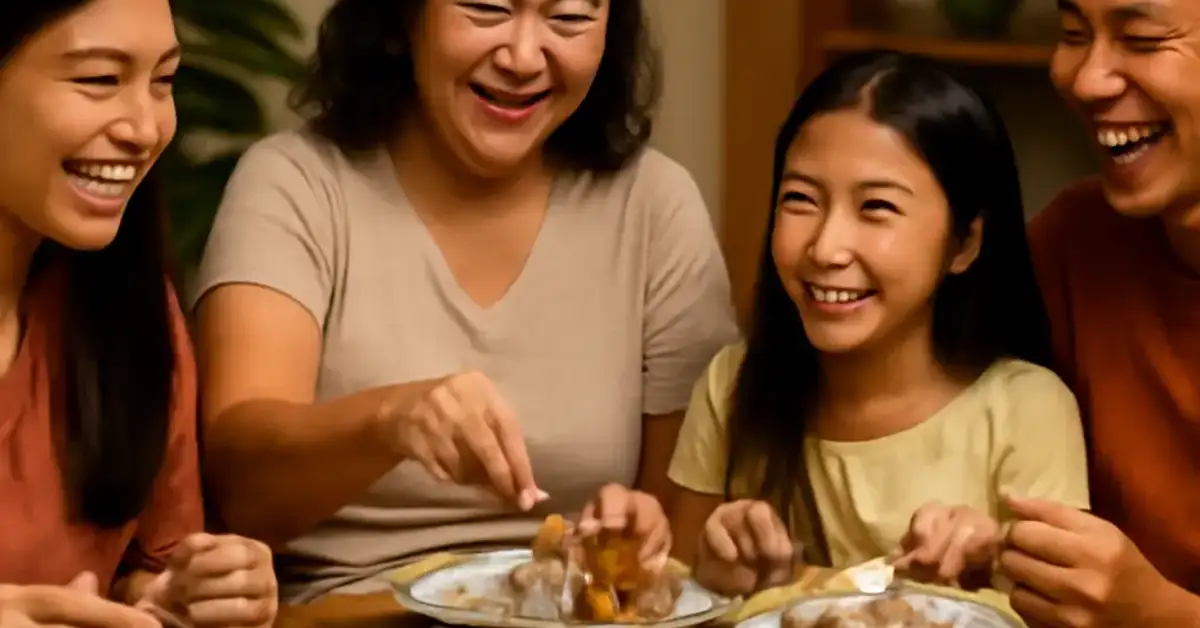
Emotional Comfort Found in Warm Shared Meals Key Takeaways
There is a moment, just before the first spoonful of a steaming bowl of soup touches your lips, when the world seems to pause.
- The emotional comfort found in warm shared meals is rooted in sensory psychology—warmth triggers feelings of safety and care.
- Shared meals strengthen relationships through communication, trust, and routine, making them a cornerstone of family dining culture .
- Filipino hospitality, or pakikisama , turns every meal into an act of love, reinforcing both emotional wellness and food and emotions research.
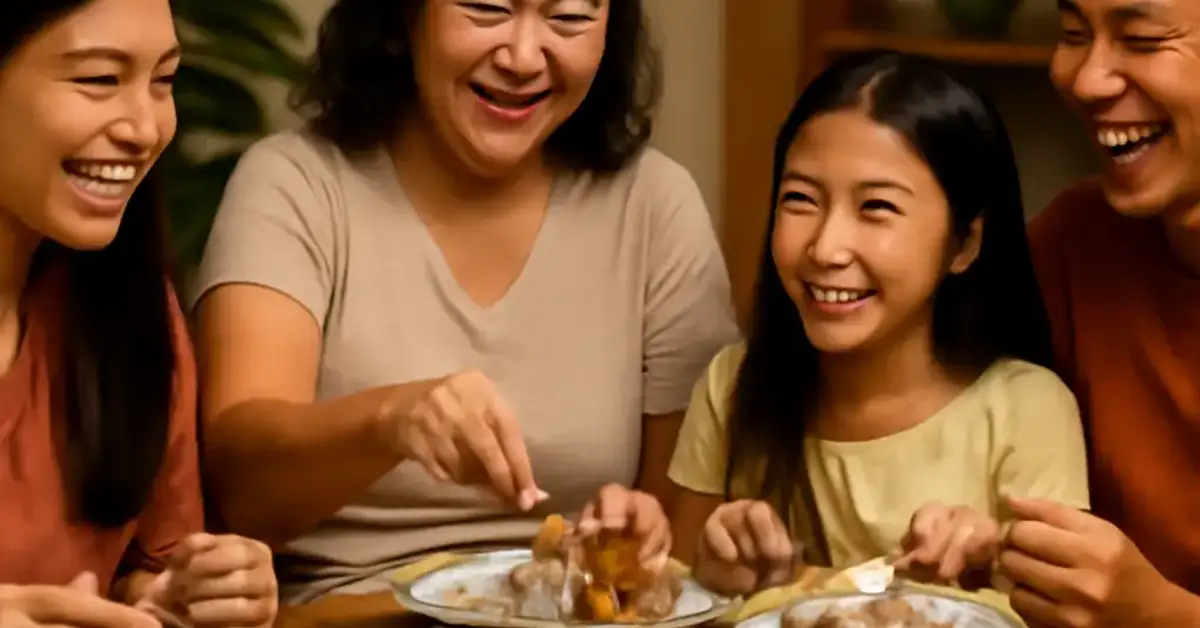
What Readers Should Know About Emotional Comfort Found in Warm Shared Meals
There is a moment, just before the first spoonful of a steaming bowl of soup touches your lips, when the world seems to pause. The warmth rises, carrying aromas of garlic, ginger, and slow-simmered broth. That feeling—of being held, of being safe—is not accidental. It is the emotional comfort found in warm shared meals, and it is one of the most powerful forces in human connection.
As Chef Juan Gadi, I have seen this magic unfold in kitchens and dining tables across Ubud, Bali. Whether it is a private villa dinner or a casual meal at Kilig Filipino Warung, the same truth emerges: warm meals comfort us in ways that cold, rushed food never can. This article explores why that happens, how Filipino cuisine exemplifies it, and how you can bring more emotional warmth to your own table. For a related guide, see How Meaningful Meals Bring People Closer Together.
The Sensory Psychology of Warmth: Why Temperature Matters
Comfort food psychology has long studied the link between temperature and emotion. Warm foods—soups, stews, freshly cooked grains—activate sensory associations linked to care, nurturing, and home. The warmth in your hands, the steam on your face, the gentle heat in your stomach: all signal to your brain that you are safe.
Warmth Triggers Physiological Comfort Responses
When you eat something hot, your body temperature rises slightly, which can lower cortisol (the stress hormone) and increase serotonin. This explains why warm meals comfort us on a biological level, not just an emotional one. It is the same reason a cup of tea after a long day feels like a hug.
The Scent of Memory: Nostalgic Meals and Belonging
Aromas like simmering adobo or sizzling garlic rice can transport us instantly to childhood kitchens. These nostalgic meals are powerful anchors for memory and identity. They remind us who we are and where we come from, reinforcing the emotional comfort found in warm shared meals.
Shared Meals Bonding: Strengthening Relationships One Bite at a Time
Eating together is one of the oldest human rituals. When we share a meal, we lower our defenses. We talk more, we listen better, and we trust more. This is the heart of shared meals bonding—a practice that psychologists say builds stronger relationships than almost any other activity.
How Dining Together Psychology Works
Studies in dining together psychology show that communal eating increases cooperation and empathy. The act of passing dishes, waiting for everyone to be served, and sharing the same food creates a sense of equality and mutual care. This is why social eating benefits extend well beyond the plate—they reduce stress, improve mood, and create emotional stability through routine.
Family Dining Culture in the Filipino Home
In the Philippines, meals are rarely eaten alone. Family dining culture revolves around the salo-salo—a shared feast where everyone eats from the same dishes. There is no such thing as a solo plate. This tradition embodies relationship bonding food, where every meal is an opportunity to check in, laugh, and reconnect.
Filipino Comfort Food: Sinigang, Adobo, and Pancit
Filipino cuisine is a treasure trove of Filipino comfort food. Each dish tells a story of resourcefulness, community, and love. Let us look at three iconic examples that perfectly illustrate the emotional comfort found in warm shared meals.
| Dish | Key Ingredient | Emotional Association |
|---|---|---|
| Sinigang | Tamarind broth | Warmth, tangy comfort, home |
| Adobo | Soy sauce, vinegar, garlic | Nurturing, family tradition |
| Pancit | Rice noodles, vegetables | Celebration, togetherness |
Sinigang: The Soup That Hugs You from Inside
A bowl of Sinigang—pork or shrimp simmered in a sour tamarind broth with vegetables like kangkung and radish—is the ultimate emotional eating experience. The sourness awakens the palate, while the warmth soothes the soul. It is the dish you crave when you are sick, sad, or missing home.
Adobo: The Taste of Home
Every Filipino family has their own Adobo recipe. Passed down through generations, this simple dish of braised meat in soy and vinegar symbolizes home cooked meals meaning. It is not just food; it is a living memory of your grandmother’s kitchen, of Sunday lunches, of love made tangible. For a related guide, see Discover Kilig Bali: Authentic Filipino Comfort Food in Ubud.
Pancit: Long Noodles, Long Life, Shared Joy
Pancit is served at birthdays, reunions, and celebrations. The long noodles represent long life, and the dish is always meant to be shared. This social eating benefits tradition reinforces that joy multiplied is joy amplified.
Hospitality and Food Culture: The Filipino Way of Showing Love
In Filipino culture, hospitality and food culture are inseparable. Offering food is the most natural expression of care. A guest is never allowed to go hungry. This philosophy, known as pakikisama (getting along with others), turns every meal into a declaration of affection.
The Role of Food in Emotional Wellness
Eating together is a form of emotional wellness food. It reduces loneliness, provides a sense of belonging, and creates a safe space for sharing joys and struggles. For mental health and food, communal dining can be as important as any therapy session.
Why Hospitality Professionals Should Care
For chefs, restaurateurs, and hospitality professionals, understanding the emotional comfort found in warm shared meals is a game-changer. It means designing menus and spaces that invite connection, not just consumption. It means serving dishes that tell a story and tables that encourage lingering.
Common Mistakes That Undermine the Warm Meal Experience
Even with the best intentions, many people miss the mark. Here are the most common pitfalls that rob a meal of its emotional warmth.
- Rushing the meal: Eating quickly or on-the-go prevents the body from relaxing and bonding from forming.
- Ignoring temperature: Serving food lukewarm or cold kills the psychological comfort that heat provides.
- Distractions: Phones, TV, or work at the table break the connection that shared meals bonding requires.
- Not repeating the ritual: One-off dinners are nice, but regular family meals build the emotional stability that comes from routine.
Practical Takeaways: How to Create Emotional Warmth Through Food
You do not need to be a professional chef to harness the power of a shared meal. Here are actionable steps based on the emotional comfort found in warm shared meals.
- Cook something that takes time. A slow-simmered stew or baked casserole signals care.
- Set the table. Even simple dishes feel special when presented with intention.
- Invite someone to share. Whether it is family, a friend, or a neighbor, the act of inviting deepens relationship bonding food.
- Talk about the food. Share where the recipe came from or why you chose it. This reinforces nostalgic meals and cultural meaning.
- Make it a ritual. Weekly family dinners or monthly potlucks create the consistency that emotional comfort found in warm shared meals thrives on.
Useful Resources
For more on the science of communal eating, visit Psychology Today: Comfort Food. To explore authentic Filipino recipes and traditions, check Filipino Chefs.
Frequently Asked Questions About Emotional Comfort Found in Warm Shared Meals
What is the emotional comfort found in warm shared meals ?
It is the feeling of safety, belonging, and connection that arises when we eat warm food in the company of others, supported by sensory and psychological triggers.
Why does warm food feel more comforting than cold food?
Warm food raises body temperature, lowers cortisol, and activates memories of care and nurturing, making it more psychologically comforting.
How does comfort food psychology explain our cravings?
Comfort food psychology suggests we crave foods that remind us of positive emotional experiences, often linked to childhood or loved ones.
What are the benefits of shared meals bonding ?
Shared meals bonding improves communication, trust, and emotional intimacy, reducing stress and increasing overall relationship satisfaction.
Can warm meals comfort help with anxiety?
Yes, the warmth and ritual of shared meals can lower anxiety by creating a predictable, safe environment that promotes relaxation.
What makes Filipino comfort food unique?
Filipino comfort food is deeply communal, often sour or savory, and rooted in hospitality traditions that prioritize sharing and care.
Is eating together good for mental health?
Absolutely. Regular family meals are linked to lower rates of depression, better emotional regulation, and stronger family bonds.
How do social eating benefits affect relationships?
Eating together fosters empathy, cooperation, and mutual appreciation, which are foundational for healthy relationships.
What is the connection between food and emotions ?
Food triggers emotional responses through taste, aroma, and memory, making it a powerful tool for managing mood and creating connection.
How does dining together psychology work?
It involves synchronization of behaviors, shared attention, and the release of oxytocin during shared meals, which enhances bonding.
What are nostalgic meals and why do they matter?
Nostalgic meals are dishes that evoke cherished memories, helping to reinforce identity, comfort, and emotional stability.
How can I use relationship bonding food in my daily life?
Cook and share meals with intention—choose recipes that have personal meaning, and prioritize unhurried, distraction-free dining.
What is the role of hospitality and food culture in emotional comfort?
Hospitality traditions, especially in Filipino culture, turn food into an expression of love, making guests feel valued and emotionally safe.
Does the temperature of food really affect mood?
Yes, warm food has been shown to increase feelings of social warmth and comfort, both physically and psychologically.
What are the best warm meals for emotional comfort?
Soups, stews, curries, and braised dishes like Sinigang or Adobo are excellent because they are hearty, aromatic, and traditionally shared.
How does family dining culture differ across cultures?
Many cultures emphasize communal dining, but Filipino culture is particularly known for its strong emphasis on sharing dishes and hospitality.
Can eating together improve communication in a relationship?
Yes, shared meals create a natural, low-pressure setting for conversation, which can strengthen communication and emotional intimacy.
What is the meaning of home cooked meals meaning?
Home-cooked meals symbolize effort, care, and tradition, making them emotionally richer than takeout or processed food.
How do I start a weekly family dinner ritual?
Choose a consistent day, involve everyone in cooking, and keep the menu simple but meaningful. Consistency matters more than complexity.
Why is emotional wellness food important?
Emotional wellness food supports mental health by providing comfort, reducing stress, and fostering social connection through shared meals.
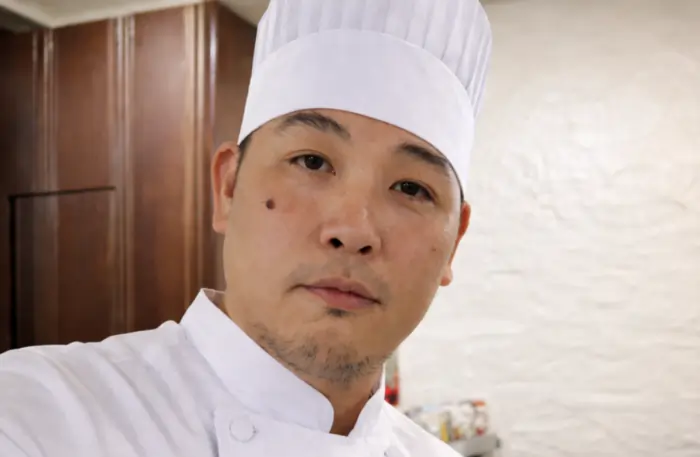
Chef Juan Gadi brings the heart of Filipino hospitality to Ubud, Bali. As an Executive Chef and consultant, he specializes in creating intimate, curated dining experiences that tell a story through every dish. Whether leading the kitchen at Kilig Filipino Warung or hosting a private villa dinner, Chef Juan’s approach is defined by warmth, modern technique, and a commitment to culinary excellence.