
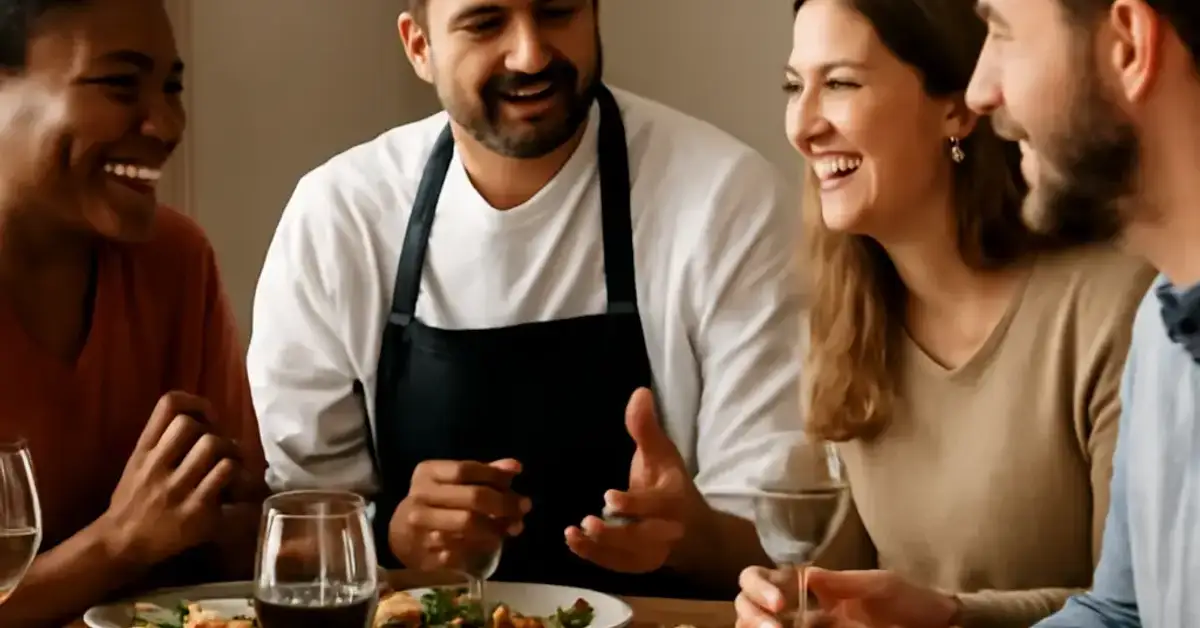
Reasons Shared Meals Feel More Meaningful Key Takeaways
In this article, I will walk you through the ten most powerful reasons shared meals feel more meaningful , blending social dining psychology with stories from my kitchen in Bali.
- Shared meals activate emotional bonding through food and reduce feelings of loneliness.
- Regular family meal traditions and cultural dining practices strengthen relationship resilience.
- Mindful hospitality and food sharing turn ordinary meals into profound social dining experiences .
Why Shared Meals Feel More Meaningful: The Psychology and Heart Behind the Table
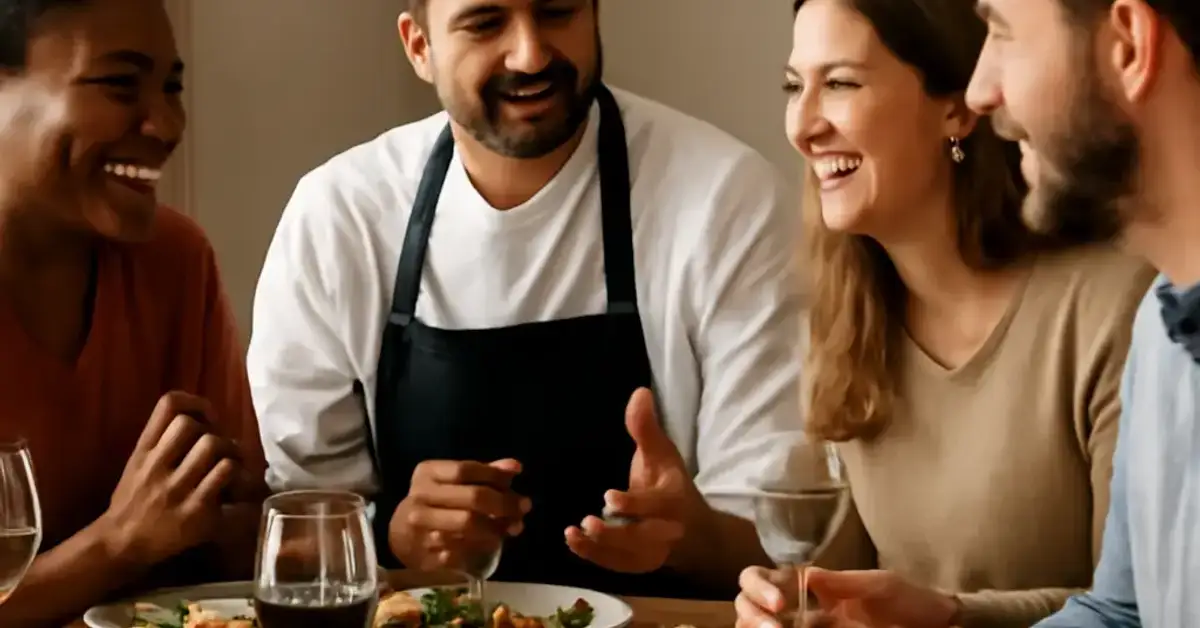
As an executive chef in Ubud, Bali, I have seen something magical happen again and again. A plate of adobo leaves the kitchen. It arrives at a table where strangers sit. They taste. They pause. They smile. Within minutes, they are sharing stories of their own grandmother’s cooking. That is the power of eating together psychology in action.
The reasons shared meals feel more meaningful go far beyond the food itself. They reach into our biology, our culture, and our most cherished shared lifestyle moments. Among the many communal eating benefits, the most profound is this: when we eat together, we feed more than our bodies—we nourish our relationships.
In this article, I will walk you through the ten most powerful reasons shared meals feel more meaningful, blending social dining psychology with stories from my kitchen in Bali. Whether you are a couple planning a romantic dinner, a family rekindling family dining culture, or a traveler seeking travel dining experiences that leave a mark, you will find insights to make every meal count. For a related guide, see 8 Cozy Dining Experiences Couples Always Remember.
1. Shared Dinners Create a Unique Emotional Bond
There is a reason why shared meals meaning runs so deep in human history. When we eat together, our brains release oxytocin—the same hormone that bonds mothers to babies and lovers to each other. This emotional bonding through food is not accidental; it is evolutionary. Our ancestors survived by sharing food, and our brains still reward that behavior with feelings of safety and closeness.
In my own work hosting private villa dinners, I see couples hold hands across the table as they taste a dish that reminds them of their first date. That is emotional dining experience in its purest form. The food is only part of the story; the real magic is the social bonding meals create in those shared moments.
How Oxytocin Strengthens Social Bonds During Meals
Neuropsychology studies show that eating together psychology triggers the same neural pathways as hugging or laughing with a friend. When you share a meal, your body literally tells you, “This person is safe. This moment matters.” Over time, these relationship bonding meals build a foundation of trust that words alone cannot create.
2. The Dinner Table Is the Original Communication Tool
Before smartphones and social media, there was the dinner table. Dinner conversations importance cannot be overstated. In a world that moves fast, sitting down to a shared meal forces us to slow down, look each other in the eye, and listen.
At Kilig Filipino Warung in Ubud, I often watch families and friends linger for hours after the last bite. They are not just digesting food; they are digesting each other’s lives. That is the essence of food and communication. When we eat together, we create a safe space for vulnerability and honesty.
Why Conversation Flows More Freely at the Table
The act of eating puts us at ease. It is a shared activity that does not demand constant eye contact or perfect words. This relaxed atmosphere is why dinner table conversations often unlock the kind of deep talk that strengthens relationships. Social interaction meals become a canvas for connection.
3. Cultural Food Traditions Give Meals Deeper Meaning
Every culture has its own cultural food traditions, and they all point to one truth: food is not just fuel; it is identity. In the Philippines, we have a tradition called “salu-salo,” where families and neighbors gather around a table laden with dishes, each one telling a story of heritage and love.
Cultural food sharing is one of the most powerful reasons shared meals feel more meaningful. When you honor a cultural tradition—whether it is a Filipino fiesta, an Italian Sunday lunch, or a Japanese kaiseki—you are not just eating. You are participating in a centuries-old ritual of belonging.
How Filipino Hospitality Shapes My Approach
Growing up in the Philippines, I learned that hospitality is not about perfection; it is about generosity. Hospitality culture food means that the most important ingredient is the intention behind the meal. In my kitchen in Bali, I carry that lesson into every dish I prepare. A shared meal is an invitation to be seen and cared for.
4. Eating Together Improves Communication in Relationships
Communication during meals is a skill that many couples and families overlook. When you eat together regularly, you practice active listening and presence. This is especially vital for couples navigating busy lives.
I have seen it in my own guests: a couple who arrives tense and distracted leaves relaxed and laughing. The simple act of sharing a meal reframes their interaction. They remember why they love each other. This is one of the most overlooked eating together benefits.
Mindful Eating as a Relationship Practice
When both partners focus on the meal and each other, they create a feedback loop of attention and appreciation. Food and relationships are intertwined because shared meals ask us to be present. That presence is the foundation of strong communication. For a related guide, see How Food Creates Deeper Human Connections.
5. Shared Meals Create Lasting Emotional Food Memories
Think about your most vivid childhood memory. Chances are, it involves a meal. Emotional food memories are powerful because they combine taste, smell, and social context. The brain’s hippocampus, which processes memory, is closely linked to the olfactory bulb. That is why the smell of a particular dish can instantly transport you back to a grandmother’s kitchen or a family holiday.
At my private events in Ubud, I design menus specifically to trigger emotional memory food. A single bite of a dish can unlock a story, a laugh, or even a tear. That is the beauty of meaningful eating experiences—they become part of who we are.
How to Create Meals That Become Cherished Memories
Whether you are hosting a dinner party or cooking for your family, ask yourself: What story does this meal tell? Use familiar flavors, involve your guests in the preparation, and create a sensory experience that goes beyond the plate. Group dining experiences that engage all the senses are the ones that stick.
6. Hospitality and Food Sharing Build Trust and Generosity
True hospitality and food sharing is an act of vulnerability. When I cook for someone, I am giving them a piece of my story. That openness invites trust. Meaningful hospitality experiences are built on the idea that the host cares enough to feed you with intention.
In many cultures, refusing food is considered rude because the offering is seen as a gift of self. This bonding through food ritual is one of the oldest forms of human connection. In my consulting work, I teach chefs and restaurant owners that the greatest luxury they can offer is genuine warmth.
Why Hospitality Is the Secret Ingredient
You can have the finest ingredients and the most precise technique, but without hospitality, the meal falls flat. Hospitality dining experiences are memorable because they make the guest feel seen. When that happens, even a simple bowl of sinigang becomes a feast of connection.
7. Group Dining Experiences Strengthen Community Ties
There is a reason why almost every culture has a tradition of communal eating. Group dining experiences reinforce social bonds and create a sense of belonging. Whether it is a potluck, a family reunion, or a neighborhood feast, eating together reminds us that we are part of something bigger.
Social bonding through dining is especially important in today’s fragmented world. Shared meals act as social glue, reducing isolation and building community resilience. I have seen tourists in Bali become fast friends over a shared plate of grilled fish and rice. Travel shared meals can bridge cultures in a way that sightseeing never can.
How to Host Group Dining That Connects
Focus on shareable dishes, family-style service, and a welcoming atmosphere. Encourage guests to put down their phones and pass the platter. Dining together culture is about participation, not performance. The messier and more interactive, the better.
8. Family Meal Traditions Shape Identity and Values
Family meal traditions are one of the most important reasons shared meals feel more meaningful. Regular family dinners have been linked to better mental health in children, higher academic performance, and stronger family bonds. Family meals importance cannot be overstated.
When families eat together, they pass down values, stories, and culinary heritage. Family dining culture creates a sense of continuity and roots. In my own life, the meals I shared with my family in the Philippines taught me that cooking is an act of love. That lesson shapes everything I do in the kitchen today.
Simple Ways to Revive Family Dinner Rituals
Start small: commit to one shared meal per week. Involve everyone in the cooking, even if it is just setting the table. Turn off screens and ask open-ended questions. Over time, these small habits become treasured traditions that your family will carry forward.
9. The Social Psychology of Eating Enhances Well-Being
The social psychology of eating tells us that people who eat with others are happier, healthier, and more satisfied with their lives. Communal eating benefits include lower stress levels, improved mood, and even healthier food choices. When we eat together, we tend to eat more slowly and more mindfully.
This is not just anecdotal. Research in shared dining psychology shows that the presence of others modulates our eating behavior in positive ways. We laugh more, we talk more, and we enjoy our food more. That is the beauty of human connection through meals—it makes everything taste better.
Why Eating Alone Can Feel Empty
Eating alone is not inherently bad, but it lacks the emotional richness of a shared meal. Social dining experiences add layers of meaning that solo dining cannot replicate. When you share a meal, you are nourishing your soul as much as your body.
10. Intimacy Through Food Transforms Relationships
The final, and perhaps most profound, of the reasons shared meals feel more meaningful is the intimacy they create. Intimacy through food is about more than romance; it is about the deep sense of being known and cared for. When someone cooks for you, they are saying, “I see you. I value you. I want to feed you.”
In my own marriage, some of our most intimate moments have happened over a simple meal of rice, fried fish, and pickled vegetables. No candles, no fancy plating—just two people sharing food and silence. That kind of relationship bonding food is irreplaceable. It builds a connection that words cannot capture.
How to Cultivate Intimacy Through Shared Meals
Cook together. Feed each other. Tell stories about the dishes you are eating. Shared lifestyle moments around food create a private language of flavors and memories. That intimacy is the true gift of the table.
Useful Resources
For a deeper dive into the social psychology of eating, explore these trusted sources:
- Psychology Today: The Social Psychology of Eating — Explore how social context shapes our eating behaviors and emotional experiences.
- The Wall Street Journal: The Power of Eating Together — A research-backed look at how shared meals improve relationships and well-being.
Frequently Asked Questions About Reasons Shared Meals Feel More Meaningful
Why do shared meals feel more meaningful?
Shared meals activate oxytocin and create emotional memories, making the experience more significant than eating alone. The combination of food, company, and ritual deepens the sense of connection.
How do shared meals strengthen relationships?
They create a space for communication, trust, and vulnerability. Regular shared meals build a foundation of intimacy that strengthens bonds over time.
What makes eating together emotionally important?
Eating together triggers emotional bonding hormones and creates shared memories. It satisfies our innate need for social connection, which is essential for mental health.
Why do families prioritize shared dinners?
Families prioritize shared dinners because they reinforce values, improve communication among members, and provide a consistent ritual that strengthens family identity.
How does culture influence shared dining meaning?
Cultural traditions shape the rituals, foods, and etiquette around shared meals. These practices imbue the meal with deeper meaning and connect participants to their heritage.
What psychological effects come from eating together?
Eating together reduces stress, boosts mood, and increases feelings of belonging. It also promotes mindful eating and healthier food choices.
How do shared meals improve communication?
Shared meals create a relaxed environment where conversation flows naturally. The act of eating together lowers defenses and encourages open dialogue.
Why do people feel closer after dining together?
Because shared meals release bonding hormones and create positive shared experiences. The combination of food, presence, and conversation deepens emotional intimacy.
What role does food play in bonding?
Food acts as a medium for care, generosity, and cultural expression. Preparing and sharing food is an act of love that communicates value and attention.
How does hospitality affect shared meal experiences?
Hospitality sets the tone for the meal. Warm, attentive hospitality makes guests feel valued and safe, which amplifies the emotional impact of the shared experience.
Why are shared meals more memorable than solo eating?
Because shared meals involve multiple sensory inputs—taste, smell, conversation, and emotion—which creates richer, more enduring memories in the brain.
How do emotions influence shared dining experiences?
Emotions color how we perceive taste and texture. A joyful shared meal tastes better because dopamine and oxytocin enhance sensory pleasure.
What makes meals feel special when shared?
The combination of intentionality, presence, and shared ritual transforms an ordinary meal into something sacred. It is the attention we give each other that makes it special.
How does conversation during meals build connection?
Conversation at meals allows for deep listening and sharing. It creates a space where both parties feel heard and valued, strengthening the emotional bond.
Why do people value eating together in relationships?
Because shared meals offer consistent, low-pressure opportunities for connection. They become a reliable anchor in busy lives, reinforcing that the relationship is a priority.
What are the benefits of communal eating?
Communal eating improves mental health, strengthens social networks, and encourages healthier eating. It also builds a sense of community and belonging.
How can I create meaningful shared meals at home?
Focus on simple, shareable dishes, eliminate distractions, and engage your guests in the process. The most meaningful meals are those made with intention and shared with presence.
Does eating together help with loneliness?
Yes. Regular shared meals reduce feelings of loneliness by providing consistent social interaction and a sense of belonging. They are one of the most effective antidotes to isolation.
How do travel dining experiences enhance cultural understanding?
Travel dining immerses you in local traditions and flavors. Sharing a meal with locals creates cross-cultural bonds and deepens your appreciation for their way of life.
What is the best way to start a shared meal tradition?
Start with one regular night a week, involve everyone in the planning, and keep it simple. Consistency matters more than complexity. The ritual itself will grow in meaning over time.

Chef Juan Gadi brings the heart of Filipino hospitality to Ubud, Bali. As an Executive Chef and consultant, he specializes in creating intimate, curated dining experiences that tell a story through every dish. Whether leading the kitchen at Kilig Filipino Warung or hosting a private villa dinner, Chef Juan’s approach is defined by warmth, modern technique, and a commitment to culinary excellence.




