Why Food Is One of the Strongest Symbols of Filipino Identity Key Takeaways
In every spoonful of adobo, every sticky bite of suman, and every noisy, joyful kamayan feast, why food is one of the strongest symbols of Filipino identity becomes unmistakably clear.
- Why food is one of the strongest symbols of Filipino identity because it encapsulates centuries of indigenous roots, colonial influences, and modern adaptations in every dish.
- Filipino dishes serve as powerful representations of regional diversity while simultaneously reinforcing national unity through shared flavors like vinegar, soy sauce, and garlic.
- The communal act of eating—from lavish fiestas to simple family dinners—embodies core Filipino values of hospitality, generosity, and family-centered living.
What Makes Why Food Is One of the Strongest Symbols of Filipino Identity So Compelling
I still remember the smell of my grandmother’s kitchen in Pampanga—the sharp tang of fermenting Filipino dishes like burong mustasa mingling with the sweet, smoky aroma of lechon crackling over an open fire. As a young chef, I thought I understood food. But it wasn’t until I left the Philippines and began cooking for strangers in Ubud, Bali, that I truly grasped the depth of what I had left behind. Every time I plate a dish at Kilig Filipino Warung or host a private villa dinner, I am not just serving a meal—I am unwrapping a piece of my homeland. This is the heart of Filipino cuisine culture: a living, breathing symbol of who we are.
Cultural symbolism food is a lens through which we can view the soul of a nation. In the Philippines, food is never just about calories; it is about connection. It is the language of love, the currency of celebration, and the map of our collective memory. To understand why food is one of the strongest symbols of Filipino identity, we must explore the many layers that make our cuisine—and our culture—utterly unique.
The Deep Roots of Philippine Culinary Heritage
Indigenous Foundations and Foreign Layers
The story of Filipino food identity begins long before the arrival of colonizers. Indigenous communities across the archipelago cultivated rice, taro, yams, and coconuts. They fished the abundant seas and developed preservation techniques like fermentation that remain central to our kitchens today. The influence of indigenous traditions and foreign cultures in shaping Filipino culinary identity is profound—each wave of trade and conquest left its flavourful mark. Malay settlers brought cooking methods and ingredients like ginger and turmeric. Chinese traders introduced noodles, lumpia, and the concept of stir-frying. Spanish colonisation brought stews (adobo, mechado), bread, and the invaluable technique of slow-cooking in vinegar and garlic. American influence gave us the ubiquitous SPAM and fast-food culture.
Yet despite these foreign hands in our pot, the essence remained undeniably Filipino. We did not simply adopt foreign dishes; we adapted them. We made them ours. This is the role of cuisine in expressing history, culture, and shared values across the Philippines—a delicious dialogue between the past and the present.
How Traditional Recipes Carry Stories of History, Migration, and Adaptation
Every Filipino dish is a historical document. Take adobo: its name comes from the Spanish adobar (to marinate), but the technique of braising meat in vinegar and salt predates colonisation. It was a practical necessity—vinegar preserved meat in the tropical heat long before refrigeration. Today, adobo has countless regional variations, each telling a story of local ingredients and local pride. Similarly, kare-kare, with its oxtail and peanut sauce, hints at the fusion of indigenous and colonial palates. How traditional recipes carry stories of history, migration, and adaptation is the culinary version of our national narrative—a story of resilience, creativity, and an unyielding sense of home.
How Filipino Food Identity Reflects Our Core Values
Hospitality and Generosity on a Plate
Visit any Filipino home, and you will be offered food—no exceptions. It doesn’t matter if the family has little; they will share everything they have. This is how food reflects Filipino values such as hospitality, generosity, and family-centered living. The act of feeding others is an act of love, respect, and community. A guest is not just a visitor; they are a blessing, and food is the primary way we honour that blessing. The feast is our love language. The overflowing table at a birthday, a fiesta, or even an ordinary Sunday lunch is a visual declaration: “You belong here.” For a related guide, see How Filipino Values Shape the Way People Share Food.
Family-Centered Living Around the Table
The importance of shared meals in building community and belonging cannot be overstated in Filipino culture. The concept of salu-salo (gathering to eat together) is sacred. It is during these meals that news is shared, gossip is exchanged, and bonds are strengthened. For Filipino families, the dining table is the centre of the home. When I host private dinners in Bali, I always try to recreate that sense of salu-salo—guests sharing dishes, reaching across the table, laughing. It bridges the distance between the Philippines and wherever I am in the world.
The Role of Rice, Shared Dishes, and Communal Eating in Filipino Culture
Ask any Filipino about a meal, and the first question is not “What meat?” but “What rice?”. Why is rice important in Filipino identity is a fundamental question. Rice is the backbone of our cuisine—synonymous with food itself (kain tayo means “let’s eat,” but it implies rice). It is the canvas upon which all other flavours are painted. The role of rice, shared dishes, and communal eating in reinforcing cultural meaning is absolute. Rice is not a side dish; it is the main event. It is present at every meal, from the humblest Filipino comfort food like sinangag (garlic fried rice) to the most elaborate feast.
Shared dishes—from a single platter of crispy pata to a bowl of sinigang placed in the centre of the table—reinforce our communal spirit. We do not eat in isolation; we eat together. The act of dipping your own spoon into a shared bowl of adobo sauce is an intimate gesture of family and trust.
Regional Flavours: How Regional Filipino Food Shapes National Unity
Diversity on a Single Archipelago
The importance of Filipino dishes as representations of regional diversity and national unity is beautifully illustrated by our regional cuisines. Ilocos gives us the hearty pinakbet and bagnet. Pampanga, where I was born, is known as the culinary capital of the Philippines, boasting sisig, kare-kare, and the legendary tocino. Bicol brings the creamy, spicy laing and Bicol Express. The Visayas offer the sourness of kinilaw and the sweetness of lechon Cebu. Mindanao contributes the vibrant flavours of pianggang and tiyula itum.
Each regional specialty is a source of fierce local pride, yet together they form a multi-layered national identity. When a Filipino from Manila tastes the perfect plate of Pampanga-style adobo, they are connecting to a specific place and history. When a Filipino abroad lists all the dishes they miss from their home province, they are mapping their identity.
The Influence of Regional Specialties in Shaping a Multi-Layered National Identity
This regional richness is one of the most compelling answers to how do Filipino dishes show regional diversity. The same ingredient—say, coconut—is used in vastly different ways across the islands. The same dish, adobo, changes from family to family, province to province. This diversity does not fracture our identity; it enriches it. It teaches us that unity does not mean uniformity.
Festivals, Fiestas, and the Importance of Celebrations, Fiestas, and Gatherings in Strengthening Food-Based Identity
Filipinos love a good party, and every party is anchored by food. The importance of celebrations, fiestas, and gatherings in strengthening food-based identity is evident across the calendar. Town fiestas honour patron saints with grand processions and even grander feasts. Lechon is the undisputed king of these celebrations, but it is joined by an army of dishes—pancit for long life, lumpia for prosperity, and a dozen desserts. Christmas in the Philippines is a culinary marathon, beginning with the simbang gabi (dawn mass) and ending with the Noche Buena feast, where ham, queso de bola, and bibingka reign supreme. These Filipino festivals food moments are not just about eating; they are about reinforcing community, faith, and joy.
Filipino Street Food and Everyday Meals: Accessibility and Expression
Not every meal is a feast. The soul of Filipino street food lies in its accessibility and its creativity. From fish balls and kwek-kwek (deep-fried quail eggs) to isaw (grilled chicken intestines) and balut (fertilised duck egg), street food is the ultimate democracy. Sold on every street corner, these snacks represent how street food and everyday meals represent accessibility and cultural expression. They are affordable, quick, and incredibly flavourful. They are also deeply tied to memory—every Filipino has a story of eating fish balls after school, dipping them in sweet and sour sauce, surrounded by friends.
Everyday meals, like the simple breakfast of sinangag, itlog (egg), and tuyo (dried fish), are the anchors of daily life. They are the quiet, consistent expressions of Filipino home cooking that sustain families and pass down traditions.
The Role of Home Cooking in Maintaining Emotional and Cultural Connections
The most profound keeper of Filipino culture food is the home kitchen. The role of home cooking in maintaining emotional and cultural connections is irreplaceable. It is in the home where a mother’s hand teaches a child the exact amount of garlic to fry for the perfect sinangag. It is where grandmothers guard their secret recipes for chicken relleno or tamales. Home cooking is the primary vehicle for the role of emotional memory and nostalgia in strengthening food identity. The smell of my mother’s adobo instantly transports me back to our home in Angeles City. That emotional charge is what makes home cooking so powerful—it carries the love, the history, and the geography of our lives.
The Global Table: Significance of Filipino Diaspora in Spreading and Preserving Cuisine Globally
The 12 million Filipinos living abroad have carried our cuisine to every corner of the world. The significance of Filipino diaspora in spreading and preserving cuisine globally is immense. From small sari-sari stores in the Middle East to full-fledged restaurants in New York, London, and Sydney, how Filipino restaurants abroad act as cultural ambassadors is a story of longing and pride. When I opened Kilig in Bali, I was not just serving food; I was building a bridge. I wanted guests—Filipinos and non-Filipinos alike—to understand the story behind the dish, to feel the warmth of our hospitality.
The diaspora has also led to innovation. Filipino chefs abroad are blending tradition with local ingredients, creating new expressions of our cuisine. This is the impact of globalization on the evolution of Filipino food identity. The cuisine is not static; it is a living, evolving entity. Yet, even with these adaptations, the core essence—the sourness, the saltiness, the communal spirit—remains intact. This is the how Filipino cuisine adapts while still retaining its core cultural essence.
Rituals and Rites: The Importance of Food in Religious, Cultural, and Life-Cycle Rituals
Food marks every significant moment in a Filipino’s life. The importance of food in religious, cultural, and life-cycle rituals is profound. Baptisms, first communions, weddings, and funerals are all punctuated by specific foods. During Holy Week, many families prepare binignit (a coconut milk dessert with tubers) and refrain from meat. The pabasa (chanting of the Passion of Christ) is sustained by communal meals. The cultural symbolism food in these rituals is rooted in faith and community.
Language, Naming, and the Role of Language and Naming of Dishes in Cultural Preservation
The names of our dishes are themselves artefacts of history. The role of language and naming of dishes in cultural preservation is often overlooked. A word like “adobo” betrays Spanish influence, while “lumpia” comes from Hokkien Chinese. “Sinigang” is purely Tagalog, derived from the word sigang (to stew). These names are not just labels; they are linguistic snapshots of our past. They preserve the history of who influenced us and how we made those influences our own.
Stories on a Plate: Food Storytelling Philippines
Every dish has a story. Food storytelling Philippines is an oral tradition passed down through generations. The story of how lechon was the centrepiece of pre-colonial feasts. The story of how pancit was brought by Chinese traders and became a symbol of long life. The story of how a Filipino grandmother improvised a dish with whatever was available in the garden, creating a family legend. These stories are what make our cuisine so rich. They are the narratives that answer how does Filipino cuisine reflect culture.
As a chef, I practice food storytelling Philippines every day. When I serve a bowl of sinigang, I tell my guests about the souring agent—tamarind or kamias—and explain why the sourness is so central to our palate. It is a way of honouring the dish and the people who created it.
Emotional Memory and Nostalgia: The Role of Emotional Memory and Nostalgia in Strengthening Food Identity
The role of emotional memory and nostalgia in strengthening food identity cannot be overstated. The taste of a specific dish can transport a Filipino back to their childhood, to their hometown, to the arms of a loved one. It is a deeply sensory experience that goes beyond taste. The smell of burnt garlic, the sound of sizzling sisig, the sight of a mountain of steamed rice—these are the anchors of our emotional landscape. This is why a recipe passed down from a grandmother is so precious. It is not just a list of ingredients; it is a vessel of memory.
The Bigger Picture: Overall Significance of Filipino Cuisine as a Living Representation of National Culture and Heritage
The overall significance of Filipino cuisine as a living representation of national culture and heritage is that it tells the story of who we are—a people shaped by geography, history, and an unshakeable spirit of community. It is a cuisine that is both humble and grand, simple and complex, regional and national. It is the ultimate answer to how food serves as both a personal and collective symbol of identity. My personal identity as a Kapampangan chef is inseparable from my national identity as a Filipino. The food I cook is the product of my grandmother’s kitchen, my mother’s love, and the collective genius of a nation that has turned scarcity into deliciousness.
In Bali, I see guests from all over the world discover our cuisine for the first time. Their eyes light up as they taste the perfect balance of sour, salty, and sweet. They ask questions. They are curious. And I know I have done my job—I have shared not just a meal, but a piece of the Philippines.
Useful Resources
For deeper exploration of Philippine culinary heritage and cultural anthropology food, these resources are invaluable:
- National Commission for Culture and the Arts (NCCA) – Offers extensive research on traditional foodways, local ingredients, and intangible cultural heritage in the Philippines.
- Food and Wine’s Guide to Filipino Cuisine – Provides accessible articles on regional dishes, culinary influences, and the growing global appreciation for Filipino food.
Frequently Asked Questions About Why Food Is One of the Strongest Symbols of Filipino Identity
Why is food important to Filipino identity?
Food is central to Filipino identity because it embodies the nation’s history, regional diversity, and core values of family and hospitality. It is a primary way Filipinos express love, maintain cultural connections, and assert a unique national identity both at home and abroad. For a related guide, see The Cultural Meaning Behind Everyday Filipino Meals.
How does Filipino cuisine reflect culture?
Filipino cuisine reflects culture by combining indigenous ingredients, colonial influences, and regional adaptations. Dishes like adobo, sinigang, and lechon tell stories of migration, resourcefulness, and communal life. The practice of sharing meals demonstrates the deep value placed on community and belonging.
What makes Filipino food unique?
Filipino food is unique for its bold balance of sour, salty, sweet, and savory flavours, its reliance on vinegar and fermentation for preservation, and its deeply communal eating style. The integration of diverse cultural influences—Malay, Chinese, Spanish, and American—into a distinctly Filipino identity sets it apart from other Southeast Asian cuisines.
How does food represent Filipino values?
Food represents Filipino values such as hospitality through the immediate offering of food to guests, generosity through the abundance of dishes served, and family-centered living through the daily ritual of shared meals. The act of cooking and feeding is synonymous with love and care.
Why is rice important in Filipino identity?
Rice is an essential part of Filipino identity because it is the foundation of every meal, from breakfast to dinner. It symbolizes sustenance, community, and cultural continuity. The phrase “kain tayo” (let’s eat) implicitly includes rice, highlighting its role as the centrepiece of Filipino food culture.
How do Filipino dishes show regional diversity?
Filipino dishes show regional diversity through unique ingredients, cooking methods, and flavours specific to each province. For example, Ilocos is known for pinakbet and bagnet, Pampanga for sisig and tocino, Bicol for laing and Bicol Express, and Visayas for kinilaw and lechon. These regional specialties highlight the archipelago’s rich variety while contributing to a unified national cuisine.
How does diaspora influence Filipino food identity?
The Filipino diaspora has significantly influenced food identity by spreading culinary traditions globally and adapting them to local contexts. Overseas Filipino restaurants and home cooks preserve heritage dishes while innovating with foreign ingredients, ensuring the cuisine evolves without losing its cultural core. This global presence reinforces a shared national identity among Filipinos abroad.
What role does food play in Filipino culture?
Food plays a central role in Filipino culture as a marker of celebrations, religious rituals, and daily life. It is used to express hospitality, strengthen family bonds, and maintain cultural traditions. Fiestas, holidays, and life-cycle events are centred around food, making it an integral part of social and cultural expression. For a related guide, see The Importance of Elders in Preserving Filipino Food Traditions: 7 Timeless Lessons.
How do traditions shape Filipino cuisine?
Traditions shape Filipino cuisine through age-old practices like fermentation, kamayan eating, and the use of vinegar for preservation. Religious and seasonal traditions dictate specific dishes for events like Christmas Noche Buena, Holy Week binignit, and local fiestas. These traditions preserve history and pass down culinary knowledge across generations.
Why is Filipino food a cultural symbol?
Filipino food is a powerful cultural symbol because it encapsulates the nation’s history of migration, colonization, and adaptation. The shared love for dishes like adobo and lechon crosses social, economic, and regional lines, reinforcing national unity. Food acts as an accessible, tangible representation of the Filipino spirit—resilient, generous, and deeply connected to family and community.
What is the role of food in Filipino fiestas?
In Filipino fiestas, food serves as the centrepiece of celebration and community bonding. Large quantities of dishes—especially lechon, pancit, and native desserts—are prepared to honour patron saints, welcome guests, and express gratitude. The fiesta table is a direct manifestation of Filipino hospitality and joy.
How does street food represent Filipino culture?
Street food represents Filipino culture by showcasing resourcefulness, accessibility, and the joy of eating in public spaces. Items like fish balls, isaw, and balut are affordable and widely available, making them a democratic culinary experience. Street food also fosters social interaction and nostalgia, as many Filipinos have fond childhood memories of eating these snacks.
What is the significance of home cooking in Filipino families?
Home cooking is the primary means of passing down culinary traditions and emotional memories in Filipino families. It creates a sense of comfort, belonging, and cultural continuity. The recipes and techniques learned in the family kitchen are cherished and often become the benchmark for authentic Filipino flavours.
How do Filipino restaurants abroad preserve culture?
Filipino restaurants abroad preserve culture by introducing authentic dishes to international audiences and serving as gathering places for the diaspora. They adapt traditional recipes to local ingredients while maintaining core flavours, thus ensuring the cuisine remains relevant and respected globally. These establishments also educate diners about Filipino history and values through the food they serve.
What is the role of food in Filipino life-cycle rituals?
Food plays a vital role in Filipino life-cycle rituals such as baptisms, weddings, and funerals. Specific dishes are prepared to mark these milestones—pancit for longevity at a birthday, lechon at a wedding feast, and simple meals shared by mourners after a funeral. These culinary traditions offer comfort, celebration, and a sense of cultural continuity during profound life transitions.
How has globalization affected Filipino cuisine?
Globalization has both expanded and challenged Filipino cuisine. It has introduced Filipino flavours to a wider audience, inspired fusion dishes, and made ingredients more accessible. However, it also risks the commodification and dilution of traditional recipes. The key is balancing innovation with respect for core culinary principles—a balance that Filipino chefs and home cooks increasingly achieve.
Why is the language used in Filipino dish names important?
The language used in Filipino dish names is important because it preserves historical layers of cultural influence and regional identity. Words like “adobo” (Spanish), “lumpia” (Chinese), and “sinigang” (Tagalog) trace the country’s multicultural roots. Maintaining these names ensures that the stories embedded in the cuisine are passed down accurately.
How do Filipino dishes bridge generations?
Filipino dishes bridge generations by being the medium through which family stories, cooking techniques, and cultural values are transmitted. A grandmother teaching her grandchild to make tamales or a father passing down his adobo recipe creates a chain of memory and connection. These shared culinary experiences strengthen family bonds across time.
What is the overall significance of Filipino cuisine as a cultural symbol?
The overall significance of Filipino cuisine as a cultural symbol is that it acts as a living, evolving archive of the nation’s identity. It tells the story of a people who are resilient, resourceful, and deeply communal. Through its flavours, ingredients, and rituals, Filipino cuisine continues to assert a distinct national identity that is both personal and collective.
How does Chef Juan Gadi embody Filipino identity through food?
As an Executive Chef in Bali, Chef Juan Gadi embodies Filipino identity by creating intimate dining experiences that highlight the history, values, and flavours of the Philippines. Whether at Kilig Filipino Warung or a private villa event, his cooking reflects the same hospitality, generosity, and emotional memory he learned in his grandmother’s kitchen. He serves as a cultural ambassador, using every dish as a bridge between his homeland and the world.
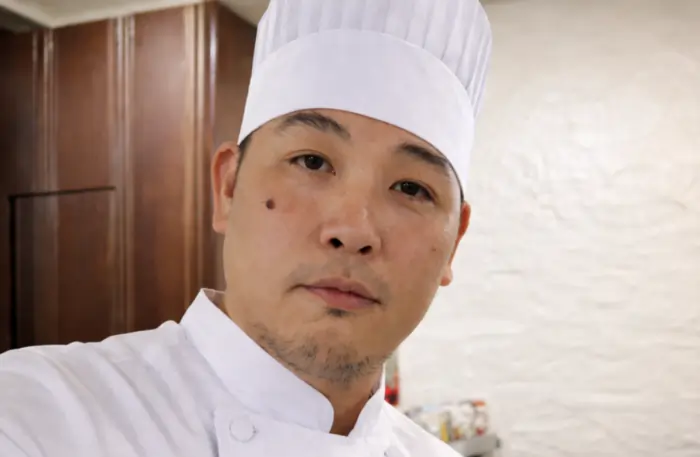
Chef Juan Gadi brings the heart of Filipino hospitality to Ubud, Bali. As an Executive Chef and consultant, he specializes in creating intimate, curated dining experiences that tell a story through every dish. Whether leading the kitchen at Kilig Filipino Warung or hosting a private villa dinner, Chef Juan’s approach is defined by warmth, modern technique, and a commitment to culinary excellence.