Importance of Elders in Preserving Filipino Food Traditions Key Takeaways
The importance of elders in preserving Filipino food traditions goes beyond recipes—it is about safeguarding culture, identity, and family bonds.
- The importance of elders in preserving Filipino food traditions lies in their role as keepers of authentic techniques and family stories.
- Grandparents bridge generations by teaching intergenerational transfer of Filipino recipes and cooking methods in daily kitchen moments.
- Elders anchor cultural identity shaped by family food traditions during fiestas, holidays, and everyday meals.
The Importance of Elders in Preserving Filipino Food Traditions: A Kitchen Memory
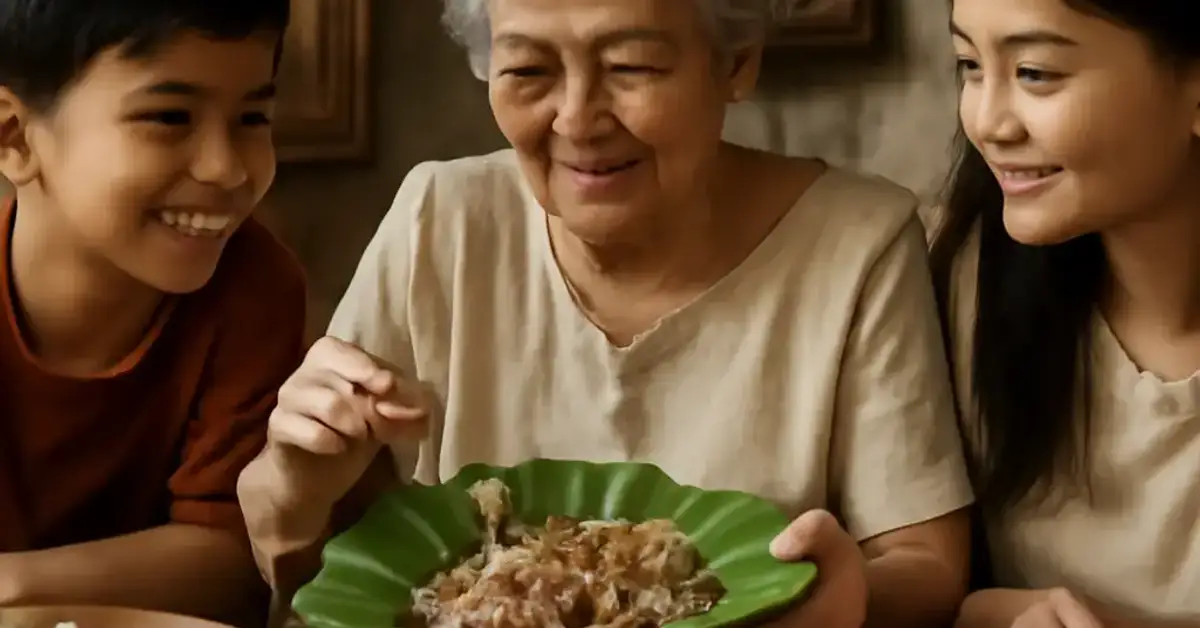
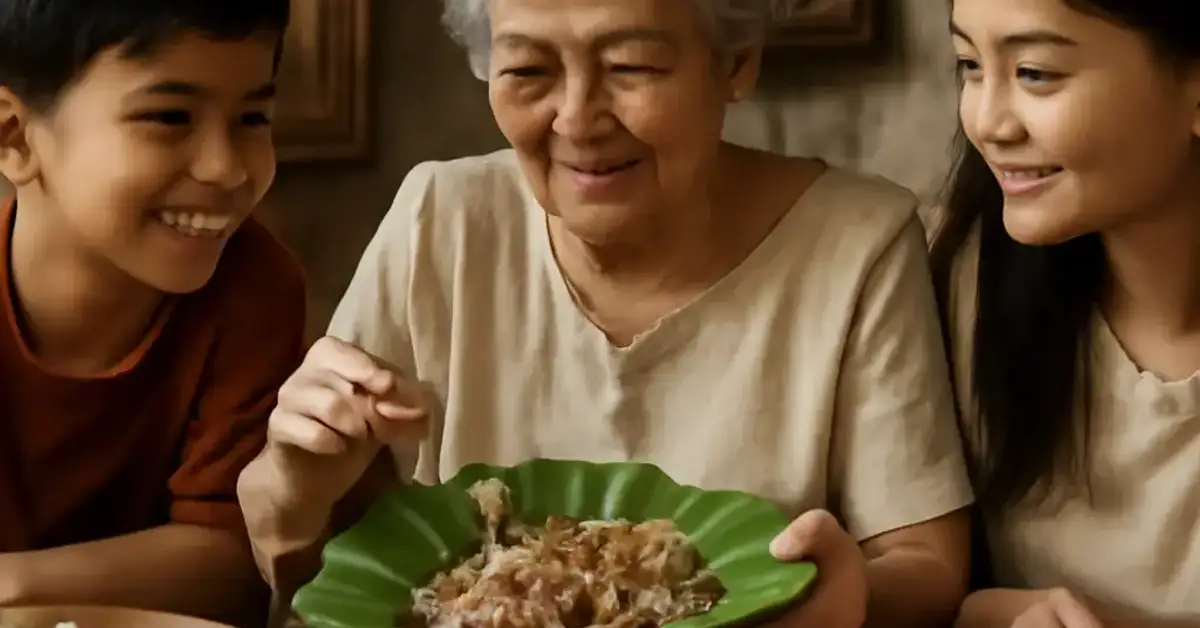
I still remember the scent of burnt garlic and fish sauce drifting from my Lola’s tiny kitchen in Bulacan. She would wake before sunrise, her arthritic hands already kneading rice flour for puto. As a child, I sat on a wooden stool, watching her measure each ingredient by feel—no measuring cups, no written recipe, only memory. That scene, repeated in millions of Filipino homes, reveals the importance of elders in preserving Filipino food traditions. They are the living libraries of our culinary past, and their knowledge is irreplaceable. For a related guide, see 11 Filipino Food Experiences Worth Trying Around Bali.
Why Grandparents Hold the Keys to Our Culinary Heritage
In every Filipino kitchen, an elder is the unspoken authority on taste. They know exactly when the adobo has simmered long enough, how to pound palapa without bruising the ginger, and which banana leaves give the best aroma for suman. This expertise, built over decades, is the role of grandparents in passing down culinary heritage. Without their patient guidance, countless regional dishes risk fading into forgotten footnotes of history.
Understanding the Intergenerational Transfer of Filipino Recipes and Cooking Methods
The intergenerational transfer of Filipino recipes and cooking methods is rarely formal. It happens in the pauses between stirring the kakanin and telling stories about the province. A grandchild learns not just the ratio of rice to coconut milk, but the patience required to stir for an hour without complaint. This organic teaching method ensures that the soul of the dish—not just its ingredients—survives.
Oral Tradition: The Original Recipe Book
Before cookbooks, there was the lola’s voice. Recipes were passed through conversation: “Ganyan lang, anak. Makikita mo kung kailan handa.” (Just like that, child. You’ll see when it’s ready.) This oral tradition is central to the cultural identity shaped by family food traditions. When children repeat these instructions, they internalize not just cooking steps but the patience and love embedded in them.
The Role of Elders as Guardians of Filipino Culinary History
Elders as guardians of Filipino culinary history is not a poetic metaphor—it is a practical reality. My Lola could tell you the exact fermentation time for bagoong based on the moon phase. She knew which variety of ube gave the deepest purple for halaya. This kind of detailed knowledge, accumulated through lifetimes, cannot be Googled. It must be witnessed, tasted, and practiced.
Seven Timeless Lessons from Filipino Elders on Keeping Food Traditions Alive
These lessons are not techniques alone; they are values that families can adopt to ensure their culinary heritage endures for generations to come.
Lesson 1: Cook Together, Not Apart
The simplest way to honor the importance of elders in preserving Filipino food traditions is to invite them into the kitchen. When you cook side by side, you absorb not just methods but the emotional context of each dish. Set a weekly “Lola Day” where everyone participates in preparing a family favorite, from cleaning malunggay leaves to molding kutsinta.
Lesson 2: Record the Unwritten
Ask your elder to narrate a recipe while you record audio or video. Later, transcribe it and add notes about their personal memories. This act bridges intergenerational transfer of Filipino recipes and cooking methods with modern documentation, ensuring the knowledge survives even when the elder is no longer there to demonstrate.
Lesson 3: Taste the History Behind Each Dish
Every Filipino dish has a story. The dinuguan your grandmother makes might use a heirloom vinegar passed down for three generations. The pancit she serves on birthdays symbolizes long life—a tradition she learned from her own mother. Teaching these stories reinforces the cultural identity shaped by family food traditions and makes the meal meaningful beyond nourishment.
Lesson 4: Respect the Ingredients and the Cook
Elders often insist on using specific brands or sourcing ingredients from particular markets. This is not stubbornness; it is fidelity to flavor. Learning to respect these choices is part of cultural identity shaped by family food traditions. It teaches younger generations that food is not just fuel—it is a relationship with the land, the sea, and the people who harvest with care.
Lesson 5: Celebrate the Fiesta Table Together
Filipino fiestas are elaborate expressions of hospitality. The role of grandparents in passing down culinary heritage during these events is critical. They orchestrate the menu, delegate tasks, and ensure every dish meets the family standard. Involving children in fiesta preparations—from polishing banana leaves to arranging lechon on the table—instills pride in tradition.
Lesson 6: Adapt Without Abandoning Core Techniques
Younger generations may prefer quicker methods or healthier substitutions. The key, as taught by elders, is to adapt while preserving the fundamental technique. For instance, using an air fryer for lumpiang shanghai still respects the rolling method and dipping sauce balance that define the dish. This principle upholds the importance of elders in preserving Filipino food traditions while allowing evolution.
Lesson 7: Share the Meal, Share the Culture
Filipino tradition dictates that no one eats alone. “Kain na!” is an invitation that extends beyond family to neighbors, visitors, and even strangers. This practice of Filipino hospitality and elder influence in meals is a direct lesson from grandparents. By maintaining this custom, families teach generosity and community connection through food. For a related guide, see How Filipino Family Traditions Live On Around the Dining Table.
Preserving Regional Filipino Cuisines Through Elder Guidance
The Philippines has over 7,000 islands and countless regional cuisines. From the coconut-rich dishes of Bicol to the grilled seafood of the Visayas, each region has unique preparations. Elders as guardians of Filipino culinary history often specialize in their province’s heritage. For example, an Ilocano grandmother might be the only one left who knows how to properly prepare pinakbet using wild bitter melon and fermented fish bagoong. Supporting elders in teaching these regional specialties helps preserve biodiversity and local food sovereignty.
Modern Challenges and the Cultural Identity Shaped by Family Food Traditions
Urbanization, fast food, and busy schedules threaten the practice of home cooking. Many young Filipinos can prepare instant pancit canton but not traditional pancit malabon. This disconnection worries elders. However, initiatives like cooking classes on YouTube by elderly instructors or social media groups dedicated to heritage recipes are reversing the trend. The importance of elders in preserving Filipino food traditions has found new expression through digital documentation, proving that tradition can thrive even in modern contexts.
How Overseas Filipinos Can Stay Connected
For Filipinos abroad, access to authentic ingredients is limited, but elders remain a resource. A video call where your grandmother demonstrates how to make sinigang from scratch—even if you use frozen tamarind—keeps the connection alive. The role of grandparents in passing down culinary heritage transcends geography when both parties commit to the practice.
Useful Resources
- For a deeper dive into Filipino culinary history and regional recipes, visit the National Commission for Culture and the Arts – Filipino Culinary Heritage.
- To learn oral history methods for preserving family recipes, explore the Smithsonian Institution’s guide to oral history recording.
Frequently Asked Questions About importance of elders in preserving Filipino food traditions
Why are elders important in preserving Filipino food traditions?
Elders are the primary sources of authentic techniques, regional variations, and the cultural stories behind each dish. Their hands-on knowledge cannot be replaced by cookbooks or online videos, making them irreplaceable guardians of culinary heritage.
How do grandparents pass down culinary heritage?
Through daily cooking together, oral storytelling during meal preparation, and participation in family feasts and celebrations. The process is informal but deeply effective, embedding skills and values through repetition and shared experience.
What is intergenerational transfer of Filipino recipes?
It is the process by which cooking methods, ingredient knowledge, and recipe variations are transmitted from older to younger family members, often without written documentation, ensuring the continuity of traditional flavors.
How does food shape Filipino cultural identity?
Filipino food is central to family gatherings, fiestas, and religious rituals. Sharing traditional dishes reinforces a sense of belonging and pride, linking individuals to their regional roots and family history.
What does it mean that elders are guardians of Filipino culinary history?
It means they hold the memory of how dishes were made before modernization. They preserve techniques like fermentation, sun-drying, and pounding that are at risk of being lost to convenience foods and shortcuts.
How can storytelling preserve traditional meals and recipes?
When elders tell stories about why a dish was served at a specific event or how it was prepared during their childhood, they provide context that makes the recipe memorable and emotionally significant.
What is authenticity in Filipino cuisine?
Authenticity refers to using traditional ingredients, techniques, and proportions that respect the original regional preparation. It does not mean refusing to adapt but rather honoring the core elements that define a dish.
How does cooking together strengthen family bonding?
Shared cooking creates natural moments for conversation, cooperation, and storytelling. It reduces screen time and builds memories that children carry into adulthood, reinforcing relationships across generations.
What is the role of elders in Filipino dining customs?
Elders are often served first as a sign of respect. They also set the tone for meals by leading prayers, encouraging others to eat, and ensuring that traditional table manners are observed.
How can modern families preserve food traditions without elders nearby?
They can schedule video call cooking sessions, record their elders making dishes, and recreate recipes using written notes. Community groups and online heritage food platforms also offer support.
Which traditional dishes are most at risk of being lost?
Time-intensive dishes like kakanin (rice cakes), fermented preparations like burong isda, and regional specialties such as tinala (dried fish from the Cordilleras) are at risk because they require skill and patience that younger generations often lack.
How do elders teach values through cooking?
By emphasizing patience (waiting for the rice to cook properly), respect (using fresh ingredients, greeting elders), and generosity (cooking extra for visitors). These lessons happen naturally during food preparation.
What is Filipino hospitality and how does it relate to elders?
Filipino hospitality, or pakikitungo, is the practice of warmly welcoming guests, often through food. Elders model this by insisting that visitors eat first, preparing special dishes, and serving with genuine warmth.
How does food create emotional connections between family members?
Specific dishes evoke memories of shared celebrations, comfort during hard times, and the taste of a loved one’s cooking. This emotional resonance strengthens the bond between generations.
What role do elders play in fiestas and holiday feasts?
Elders oversee the menu, coordinate the cooking schedule, and often prepare signature dishes that their families expect every year. Their presence ensures the feast maintains its traditional character.
How can we preserve regional Filipino cuisines?
By learning directly from elders in each region, supporting local farmers and markets, and documenting methods through video and written records. Schools and community centers can also host heritage cooking workshops.
Can traditions be adapted without losing authenticity?
Yes. For example, using modern appliances to simplify a step while keeping the core technique and ingredient ratios intact. The key is respecting the dish’s identity while making it accessible to current lifestyles.
How is food a medium for cultural memory?
Every dish carries the history of migration, trade, and adaptation. Eating traditional food connects individuals to ancestors who survived war, poverty, and change, making heritage tangible and alive.
What is the oral tradition in Filipino cooking?
It is the practice of passing down recipes, tips, and wisdom through spoken word rather than written text. This method emphasizes observation and memory, making the learning process intimate and personal.
How can I start preserving my family’s food traditions today?
Begin by having a conversation with the oldest family members, ask them to teach you one dish, and record the process. Then, cook it together as a family at least once a month, and share what you learn with younger relatives.
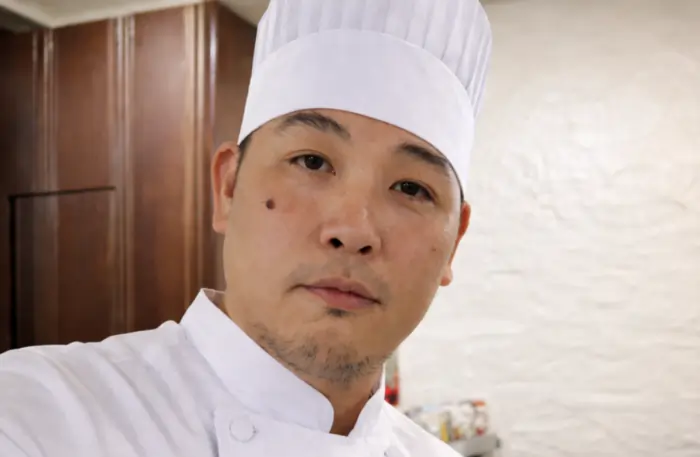
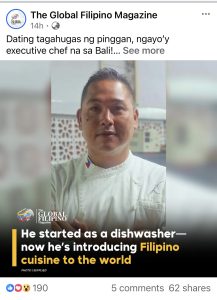
Chef Juan Gadi brings the heart of Filipino hospitality to Ubud, Bali. As an Executive Chef and consultant, he specializes in creating intimate, curated dining experiences that tell a story through every dish. Whether leading the kitchen at Kilig Filipino Warung or hosting a private villa dinner, Chef Juan’s approach is defined by warmth, modern technique, and a commitment to culinary excellence.