Filipino Food Moments That Enhance Bali Vacations Key Takeaways
Filipino food moments that enhance Bali vacations are centered on shared meals, comfort food experiences, and tropical island flavors that align with Bali’s relaxed and social dining culture.
- Filipino food moments revolve around communal tables, grilled seafood, and rice-based comfort meals that mirror Bali’s own dining ethos.
- From sunset seafood feasts to street food adventures, each moment deepens your connection to both Filipino and Balinese island lifestyles.
- Chef Juan Gadi’s curated experiences in Ubud show how Filipino hospitality food transforms a Bali vacation into a story worth sharing.
What Makes Filipino Food Moments So Special in Bali?
Bali has long been a paradise for food lovers, but there is something uniquely heartwarming about discovering Filipino food moments while vacationing on this Indonesian island. As an Executive Chef who traded Manila’s bustling kitchens for Ubud’s serene rice terraces, I have seen firsthand how the familiar taste of Filipino cuisine abroad creates an instant bridge between cultures. Bali vacation food may be famous for its sambals and satays, but the moment a bowl of steaming sinigang or a plate of inihaw na liempo appears, something magical happens. You suddenly feel at home, even thousands of miles away.
Southeast Asian food culture is built on shared foundations: rice, fresh herbs, grilled meats, and a reverence for communal meals. When you experience Filipino cooking traditions in Bali, you are not just eating — you are participating in a conversation between two island nations. Balinese cuisine similarities run deep, from the use of coconut milk and turmeric to the love of crispy pork and grilled fish. These parallels make tropical island dining feel familiar yet exciting, comforting yet adventurous. For a related guide, see 9 Filipino Recipes That Feel Perfect for Bali Trips.
Moment 1: The welcome bowl of arroz caldo at a villa breakfast
Nothing says “you are home” like a warm bowl of arroz caldo, especially when you have just landed in a foreign country. Bali travel dining often starts with hotel buffets, but a private villa breakfast featuring this ginger-laced rice porridge is a Filipino comfort food moment that sets the tone for the entire trip. I often prepare arroz caldo with free-range chicken, fresh turmeric, and a squeeze of calamansi grown in Ubud’s highlands. It is soothing, restorative, and perfectly suited to Bali’s tropical mornings.
Why this moment matters for Filipino travelers
For Filipino visitors, the familiar aroma of ginger and garlic awakens memories of home. For international travelers, it offers a gentle introduction to Filipino cuisine abroad. This bowl is not just breakfast; it is an invitation to explore the island with a calm and nourished spirit.
Moment 2: A sunset seafood grill on Jimbaran Bay with inihaw and sawsawan
Jimbaran Bay is world-famous for its sunset seafood dinners, but when you add Filipino street food elements like inihaw na isda (grilled fish) and a table full of sawsawan (dipping sauces), the experience becomes deeply personal. I have hosted multiple dinners here where guests dip fresh snapper in spicy sinamak (vinegar with chili and garlic) or creamy ensaladang mangga (green mango salad). Island lifestyle food is about simplicity and freshness, and this moment captures that ethos perfectly.
How it blends with Balinese seafood traditions
Balinese Bali culinary tourism often highlights grilled fish with sambal matah. By adding a Filipino twist with patis (fish sauce) and calamansi, we create a cross-cultural feast. Travel food experiences Bali become richer when you realize that the same ocean that nourishes Bali also nourishes the Philippines — and the flavors reflect that shared geography.
Moment 3: Family-style kamayan dinner in an Ubud rice terrace
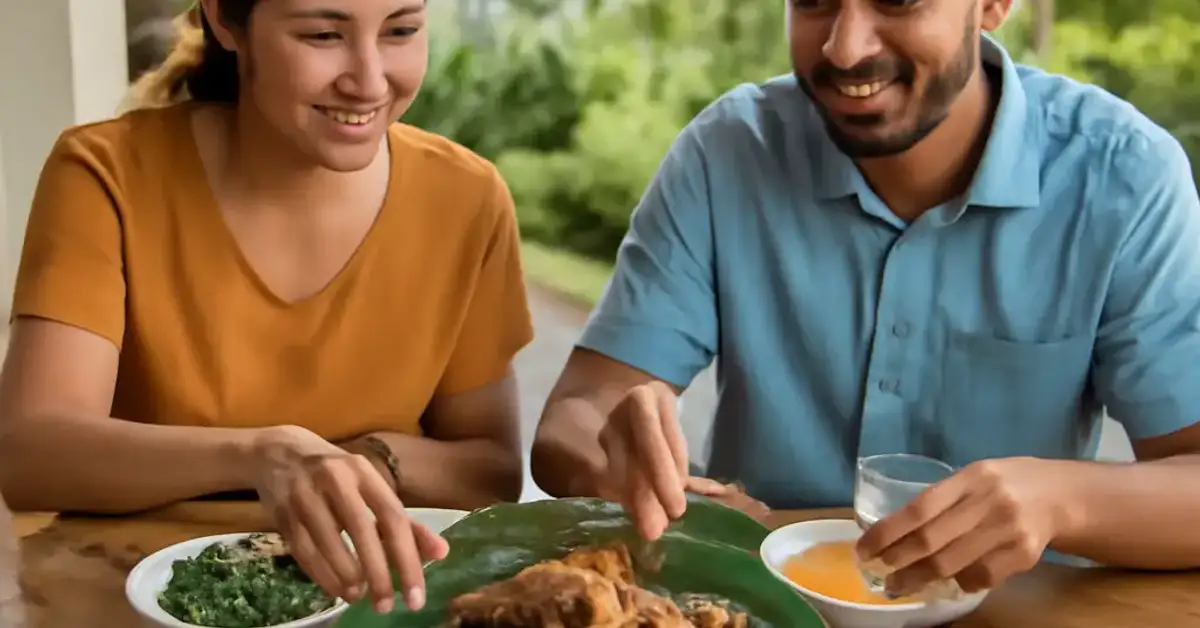
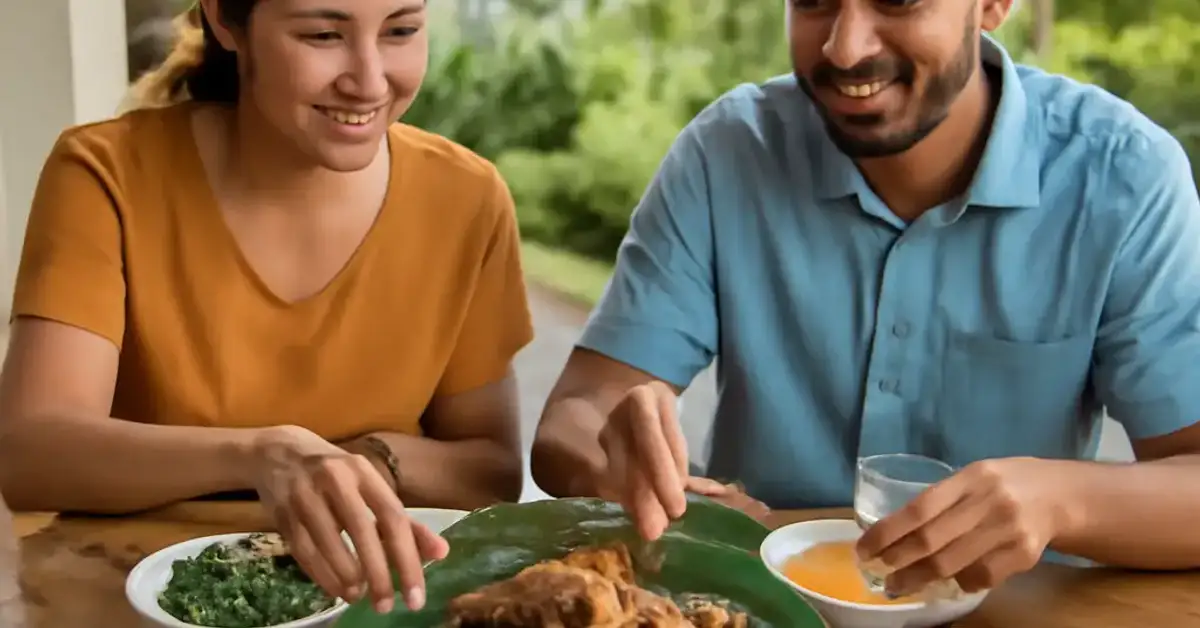
The kamayan, or “hand-to-mouth” feast, is perhaps the most iconic of all Filipino food moments. In Bali, I recreate this experience in the middle of an Ubud rice terrace, using banana leaves as plates and heaping mounds of garlic fried rice, grilled prawns, lechon kawali, and fresh mango. Guests eat with their hands, sharing stories and laughing as the sun sets behind the palm trees. Shared meals culture is central to both Filipino and Balinese life, and this dinner exemplifies why Filipino hospitality food leaves such a lasting impression.
The cultural significance of eating with your hands
In the Philippines, kamayan symbolizes trust, equality, and community. In Bali, the concept mirrors the Balinese tradition of megibung (eating together in a circle). This moment becomes a powerful reminder that Southeast Asian food culture values connection over formality. It is messy, joyful, and utterly unforgettable.
Moment 4: A spontaneous lechon manok stop on the way to Uluwatu
Bali vacation food often involves long drives between beaches and temples. The best Filipino comfort food moment I have experienced happened spontaneously when a group of travelers spotted a roadside lechon manok stall near Uluwatu. The vendor, a Filipino expat, had set up a small rotisserie using local spices and a sweet glaze reminiscent of Cebu. We pulled over, bought two whole chickens, and ate them perched on a seawall overlooking the Indian Ocean.
Why spontaneous food discoveries matter
These unplanned encounters are the heart of travel food experiences Bali. They remind us that Filipino cuisine abroad is alive and evolving, carried by expats, travelers, and chefs who crave a taste of home. Filipino street food in Bali is not a gimmick — it is a genuine expression of diaspora cooking that enriches the local food landscape.
Moment 5: Sobrang sarap halo-halo on a hot Seminyak afternoon
On a sweltering Seminyak afternoon, nothing beats a tall, layered glass of halo-halo. I use crushed ice from Ubud’s best ice house, sweetened with local palm sugar, and topped with ube halaya made from Balinese purple yam. Tropical island dining demands cool, refreshing desserts, and halo-halo delivers. This Filipino food moment has become so popular among my clients that we now offer it as a standard dessert during villa dinners.
How halo-halo bridges summer cravings
Filipinos grow up with halo-halo as a symbol of summer. In Bali, where the sun shines year-round, it becomes a daily indulgence. International guests are often amazed by the combination of textures — crunchy pinipig, soft leche flan, chewy sago, and creamy ube. It is a dessert that tells a story of migration, adaptation, and joy.
Moment 6: A humble bowl of sinigang after a day of surfing at Batu Bolong
There is no cure for surf-weary muscles like a steaming bowl of sinigang. I prepare mine with tamarind from Java, local okra, and fresh snapper from the fish market in Kedonganan. After spending hours at Batu Bolong, guests gather around a rustic table, dipping the sour broth with warm rice. Filipino cooking traditions prioritize sour flavors that cleanse and revive, and sinigang is the ultimate example.
Why sour soup works in Bali’s climate
Balinese cuisine similarities include a love for souring agents like asam kandis. By presenting sinigang as a recovery meal, we highlight how Filipino comfort food adapts to tropical lifestyles. Bali travel dining does not have to be fancy to be memorable — it just has to be real. This bowl of sinigang is real, restorative, and deeply connected to the island’s rhythm. For a related guide, see 12 Filipino Food Ideas That Complement Bali Cuisine.
Moment 7: A private dinner where Filipino and Balinese flavors meet
Perhaps the most meaningful of all Filipino food moments that enhance Bali vacations is the curated fusion dinner. I host these in private villas, where each course pairs Filipino recipes with Balinese ingredients. A first course of lumpiang ubod (coconut heart spring rolls) with a sambal matah dip, followed by adobo cooked with Balinese palm sugar and completed with a dessert of bibingka topped with fresh coconut and palm syrup. Filipino hospitality food shines brightest when it respects local traditions while sharing its own story.
How Chef Juan Gadi creates these experiences
As an Executive Chef and consultant at Kilig Filipino Warung in Ubud, I design these dinners to be intimate and educational. We talk about the origins of each dish, the ingredients, and the shared values of shared meals culture. Guests leave with a deeper appreciation for both cuisines — and a full heart.
Frequently Asked Questions About Filipino Food Moments That Enhance Bali Vacations
Useful Resources
For more insights into Southeast Asian food culture and authentic Filipino cuisine abroad, explore these authoritative sources:
- Tasting Table’s Guide to Filipino Cuisine — A comprehensive overview of essential Filipino dishes and their origins.
- Official Indonesia Tourism — Bali — Learn about Bali’s food traditions, markets, and culinary hotspots to enhance your Bali vacation food planning.
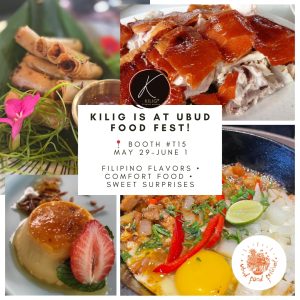
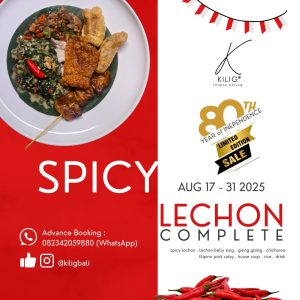
Ready to experience these Filipino food moments that enhance Bali vacations for yourself? Chef Juan Gadi invites you to book a private villa dinner or visit Kilig Filipino Warung in Ubud. Every dish tells a story — and your Bali story deserves the warmth of Filipino hospitality.
Frequently Asked Questions About Filipino Food Moments That Enhance Bali Vacations
What Filipino food moments enhance Bali vacations?
Shared meals like kamayan feasts, daytime halo-halo breaks, sunset seafood grills, and comforting bowls of arroz caldo or sinigang are the most impactful Filipino food moments that enrich a Bali trip.
How do Filipino dining experiences improve Bali travel trips?
They introduce familiar flavors and communal eating rituals that reduce travel fatigue, create cultural bridges, and turn ordinary meals into heartfelt memories, making Bali vacation food more diverse and meaningful.
Why do Filipino food traditions fit Bali vacation lifestyle?
Both cultures prioritize rice-based meals, grilled proteins, coconut-heavy dishes, and social dining, making Filipino cuisine abroad feel naturally aligned with Bali’s relaxed island atmosphere.
What Filipino meals are commonly enjoyed during Bali holidays?
Bali travel dining spots often serve adobo, sinigang, lechon kawali, lumpia, and halo-halo — staples of Filipino comfort food that travelers seek after craving home cooking.
How do Filipino eating habits appear in Bali travel experiences?
You will see kamayan-style hand eating, tablewide sharing of dishes, and frequent rice consumption — all core to shared meals culture and tropical island dining in both countries.
What Filipino comfort foods are best for Bali vacations?
Sinigang, arroz caldo, lechon manok, chicken adobo, and halo-halo top the list for Filipino comfort food because they suit Bali’s tropical climate and provide emotional nourishment.
How do shared Filipino meals influence Bali travel culture?
Shared meals culture encourages connection among travelers and locals, creating a communal vibe that aligns with Bali’s wellness and community-focused tourism ethos.
What Filipino food experiences make Bali trips more memorable?
Private villa dinners with kamayan setups, sunset seafood grills, impromptu lechon stops, and halo-halo afternoons are the standout travel food experiences Bali that guests never forget.
How do Filipino cooking styles blend with Bali holiday dining?
Chefs like Juan Gadi fuse Filipino cooking traditions — such as vinegar-based braises and grilled meats — with Balinese spices, resulting in innovative yet rooted dishes that enhance Bali culinary tourism.
What Filipino culinary moments do travelers experience in Bali?
Travelers encounter everything from street food stalls selling grilled marinated pork to sit-down dinners that feature entire kamayan spreads, embodying Filipino hospitality food in a tropical setting.
Where can I find authentic Filipino food in Bali?
Kilig Filipino Warung in Ubud is a prime spot, but you will also find pop-ups in Canggu, Seminyak, and Filipino street food vendors near popular beaches and markets.
Is Filipino food similar to Balinese food?
Yes. Balinese cuisine similarities include heavy use of coconut, rice, grilled seafood, and fermented sauces, making the transition between both cuisines feel natural for Southeast Asian food culture enthusiasts.
Can I request a private Filipino dinner in my Bali villa?
Absolutely. Chef Juan Gadi offers private villa dining experiences across Bali, specializing in curated Filipino hospitality food that celebrates both Filipino and Balinese ingredients.
How do I incorporate Filipino food into my Bali itinerary?
Schedule a kamayan dinner, a daytime halo-halo stop, and a seafood grill on Jimbaran Bay for the complete Bali vacation food journey infused with Filipino cuisine abroad.
What is the best time for a kamayan dinner in Bali?
Late afternoon, just before sunset, so you can watch the sky change colors while enjoying the hand-eating feast — a perfect blend of tropical island dining and shared meals culture.
Are there Filipino dessert options available in Bali?
Yes. Halo-halo, bibingka, and leche flan are common in Filipino-run eateries, providing sweet Filipino comfort food that complements Bali’s dessert scene.
How do Filipino chefs source ingredients in Bali?
We use local markets for fish, produce, and spices, substituting regional ingredients like Balinese palm sugar and local yams while staying true to Filipino cooking traditions.
Is Filipino street food safe to eat in Bali?
Yes, especially when purchased from established vendors and busy stalls. Filipino street food in Bali is prepared fresh, and I always recommend eating where locals and expats frequent.
What makes Chef Juan Gadi’s approach special?
As Executive Chef and consultant at Kilig Filipino Warung, I combine modern technique with deep respect for Filipino hospitality food, creating travel food experiences Bali that are personal, educational, and delicious.
How can I book a Filipino dining experience in Bali?
Contact Kilig Filipino Warung or look up curated Bali culinary tourism experiences led by private chefs — many, including myself, offer bespoke villa dinners.
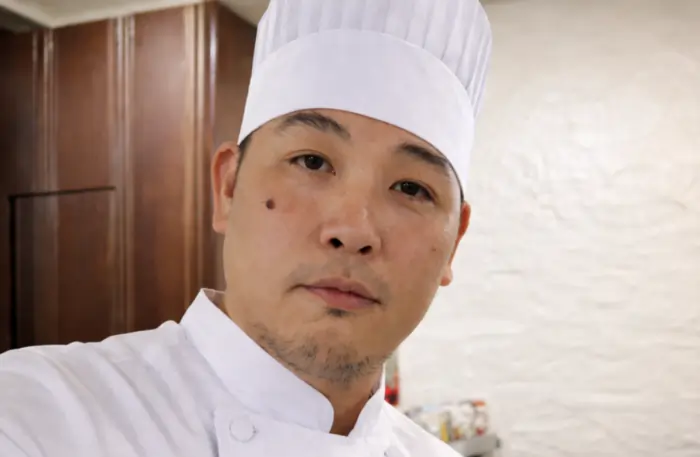
Chef Juan Gadi brings the heart of Filipino hospitality to Ubud, Bali. As an Executive Chef and consultant, he specializes in creating intimate, curated dining experiences that tell a story through every dish. Whether leading the kitchen at Kilig Filipino Warung or hosting a private villa dinner, Chef Juan’s approach is defined by warmth, modern technique, and a commitment to culinary excellence.