Filipino Values Shape the Way People Share Food Key Takeaways
In the Philippines, food is never just fuel—it is the language of love, the currency of community, and the heartbeat of tradition.
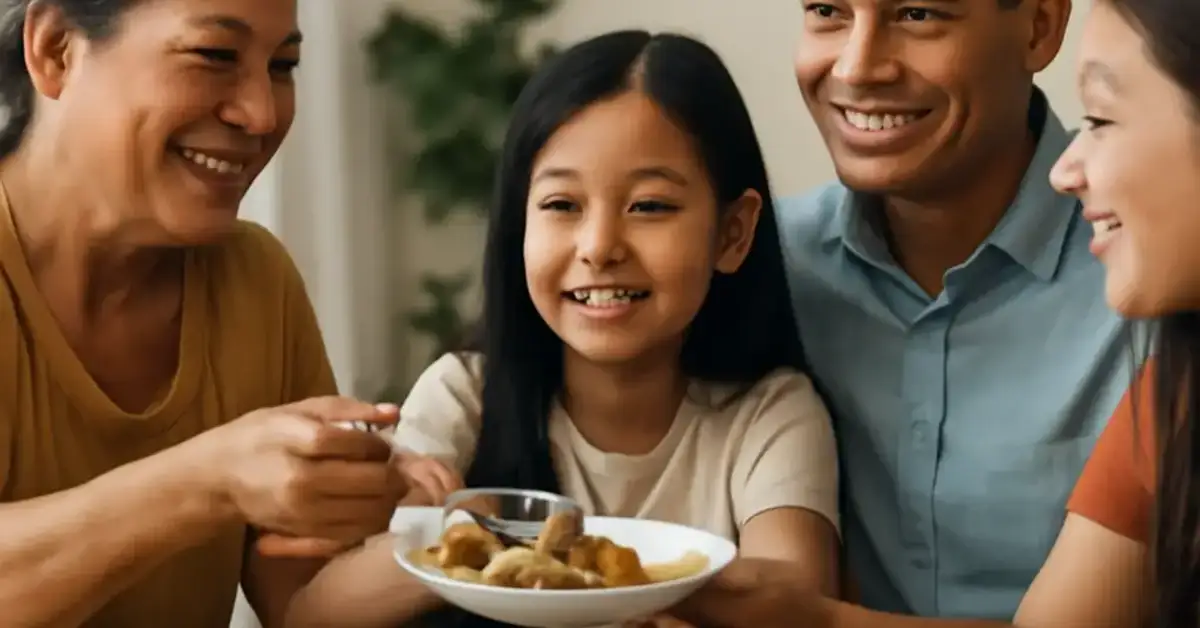
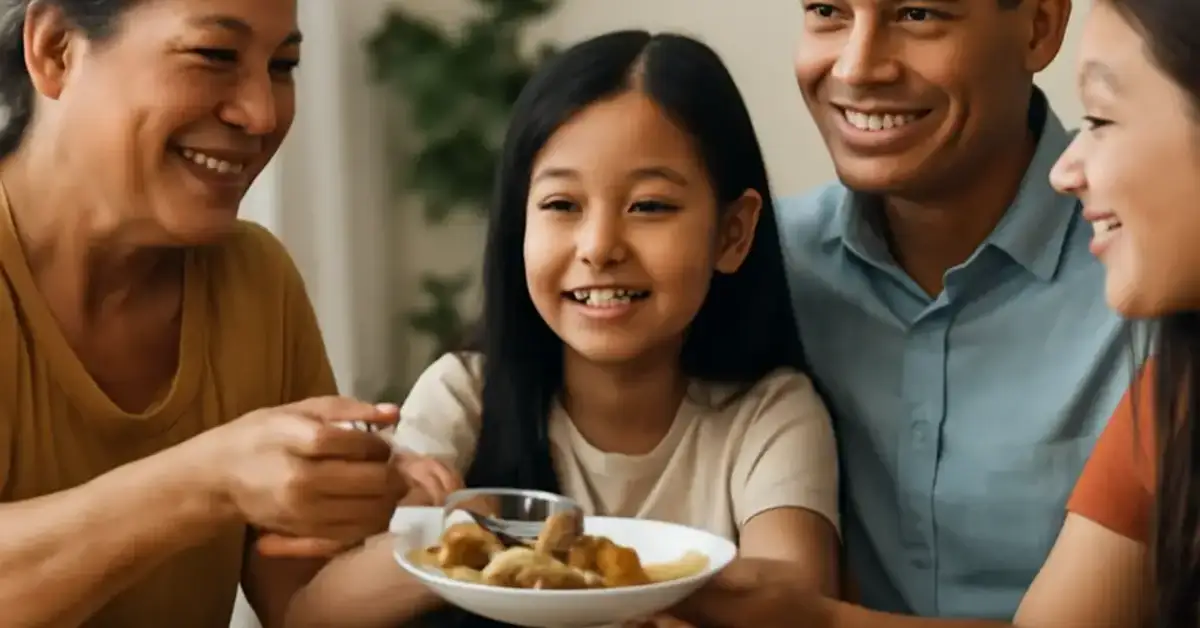
- Filipino values shape the way people share food by embedding generosity and warmth into every dining occasion, from everyday meals to festive celebrations.
- Hospitality traditions like the "kusina" welcome and the concept of "salo-salo" ensure that no one ever eats alone and that guests are treated like family.
- Shared meals strengthen family bonds, preserve heritage through passed-down recipes, and reinforce the bayanihan spirit that defines Filipino communities worldwide.
What Readers Should Know About How Filipino Values Shape Food Sharing Traditions
I still remember my first morning in Ubud, years before I opened Kilig Filipino Warung. A neighbor, a Balinese woman named Wayan, appeared at my villa gate with a basket of fresh lawar and steaming rice. She did not speak English; I did not speak Bahasa. But as she pressed the food into my hands, her eyes smiled a message I understood instantly: You are welcome here. You are not alone.
That moment took me straight back to my childhood in the Philippines—to my grandmother’s kitchen, where the pot of sinigang was always big enough for unexpected visitors, and the dining table was never silent. Filipino values shape the way people share food in every corner of the world where Filipinos gather, and that morning in Bali, I realized that this cultural DNA transcends geography. It is a living tradition that adapts, survives, and thrives.
In this guide, I will walk you through the seven essential cultural insights that explain how Filipino values shape food sharing traditions. From the deep importance of Filipino hospitality to the communal spirit of bayanihan, each value adds a layer of meaning to the simple act of breaking bread together. Whether you are a culinary student exploring Filipino food culture, a traveler eager to understand local customs, or a member of the global Filipino diaspora searching for your roots, this exploration will help you see every shared meal as a window into the Filipino soul. For a related guide, see Understanding Bayanihan Through Shared Meals and Gatherings.
The Role of Hospitality in Filipino Food Culture: More Than Just a Welcome
Filipino hospitality is legendary, and nowhere is it more evident than in the kitchen and at the dining table. When a guest arrives at a Filipino home, the first words are often “Kain na!” (Let’s eat!)—not a polite suggestion but a heartfelt invitation. This is not performative; it is a deeply ingrained cultural value that equates food sharing with love and respect.
The “Kusina” as a Sacred Space
In every Filipino household, the kusina (kitchen) is the heart of the home. It is where family traditions are kept alive, where recipes are passed from generation to generation, and where strangers become friends. The kitchen is never locked, and the fridge is always open. This openness is a direct expression of how Filipino values shape the way people share food: there is always enough, and withholding is unthinkable.
Welcoming Guests with Food and Hospitality
When I host a private villa dinner in Bali, I bring this same ethos to every plate. I greet guests not as clients but as family. The amuse-bouche is always a nod to my lola’s kitchen—perhaps a spoonful of chicken tinola broth with a whisper of ginger. This ritual of welcoming guests with food and hospitality is not just about nourishment; it is about saying, “I see you, and I care for you.”
Why Shared Meals Matter: Family Traditions and Togetherness
The concept of salo-salo—eating together as a group—is central to Filipino life. Unlike the Western model of individual plates and separate courses, a Filipino meal is a communal affair. Dishes are placed in the center of the table, and everyone reaches in with spoons or their hands. This practice reinforces togetherness and dismantles hierarchy, creating a level playing field where everyone shares equally.
Family Gatherings and Celebrations Centered Around Food
Every significant life event in the Philippines is marked by food. Birthdays, baptisms, weddings, fiestas, and even funerals are anchored by family gatherings where mountains of lechon, platters of pancit, and trays of suman are prepared. These celebrations centered around food serve as anchors of cultural identity, reminding participants of their roots and their place in the community. For a related guide, see Why Community Meals Matter in Filipino Society.
Strengthening Relationships Through Shared Meals
Research in anthropology and sociology consistently shows that shared meals strengthen social bonds. In the Filipino context, strengthening relationships through shared meals is not a side effect—it is the primary purpose. The meal itself is a vehicle for connection. Laughter, storytelling, and occasional Karaoke breaks are as essential as the adobo itself.
Bayanihan Spirit and Communal Support: Food as a Shared Responsibility
The bayanihan spirit—the tradition of communal unity and mutual assistance—extends beautifully into food sharing. When a family in a barangay is grieving, neighbors bring viands. When someone graduates, the community pools resources for lechon. When a typhoon hits, kitchens become community kitchens.
Neighborhood and Community Food-Sharing Traditions
One of my fondest childhood memories is the neighborhood and community food-sharing traditions that followed every storm. After the floodwaters receded, my mother would set up a small table on our front porch with hot lugaw (rice porridge) and boiled eggs. Neighbors would stop by, not just to eat but to check on each other. This is bayanihan in action: food as a tool for rebuilding community.
How Bayanihan Relates to Food Sharing
When we ask how bayanihan relates to food sharing, the answer is simple: bayanihan assumes that everyone is responsible for everyone else. Food is not a private resource but a communal one. This belief ensures that no one goes hungry, and that every celebration is shared.
Respect for Elders During Dining: A Pillar of Filipino Customs
Respect for elders is a cornerstone of Filipino society, and dining customs reflect this beautifully. The eldest are always served first. The best piece of meat—the crispy pata knuckle or the fattiest part of the lechon—is offered to the lolo or lola. Children are taught to wait until the elders begin eating before they take their first bite.
Food as an Expression of Care and Gratitude
When I cook for my parents, I never ask what they want. I watch. I remember the texture of the fish they prefer, the level of sourness in the sinigang they cannot resist. Food as an expression of care and gratitude is not about grand gestures; it is about attention to detail. This is how Filipino values shape the way people share food: through small, intentional acts of love.
Inclusivity and Togetherness at the Dining Table: No Strangers, Only Family
In a traditional Filipino dining setting, there is no such thing as a “plus one.” Everyone is welcome. The host will add more rice, stretch the viand, and apologize for not having more even as they give away the last piece. This spirit of inclusivity and togetherness at the dining table is a direct reflection of the Filipino worldview: every person is a potential friend, and every meal is an opportunity to build social harmony.
Cultural Identity Reflected in Food-Sharing Customs
The way we share food reveals who we are. The Filipino practice of padaan—offering food to anyone who passes by during a meal—may seem informal, but it is a profound statement of cultural identity reflected in food-sharing customs. It says that our table has no walls.
For overseas Filipinos, recreating these customs in foreign lands becomes an act of cultural preservation. Cooking adobo for a potluck or bringing turon to an office party is a way of saying, “This is where I come from. This is who I am.”
Preserving Traditions Through Culinary Practices: From Lola’s Kitchen to the Modern Table
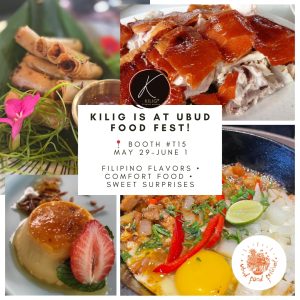
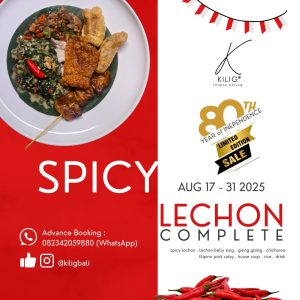
Preserving traditions through culinary practices is not about freezing recipes in time. It is about adaptation while staying true to the soul of the dish. In my kitchen at Kilig Filipino Warung, I reinterpret classic Filipino flavors using Balinese ingredients—without losing the cultural heritage that gave them life.
Cultural Continuity Through Food Traditions
Cultural continuity through food traditions happens when young Filipinos learn to cook from their elders. Every time a granddaughter learns to make her grandmother’s kare-kare, a thread of heritage is woven into the future. These moments are not just about recipes; they are about emotional connections created through shared dining experiences.
Useful Resources
To deepen your understanding of how Filipino values shape the way people share food, I recommend exploring the work of the National Commission for Culture and the Arts, which documents the rich tapestry of Filipino culinary traditions. Their archives on regional cuisine offer invaluable context for anyone studying Filipino cultural values.
I also admire the research and storytelling of food historian Dr. Maryanne L. Santos, who explores how food systems reflect social bonds and community resilience. Her work bridges the gap between academic anthropology and the lived experience of Filipino families everywhere.
Frequently Asked Questions About Filipino Values Shape the Way People Share Food
How do Filipino values influence food-sharing traditions?
Filipino values shape the way people share food by embedding hospitality, generosity, and community into every meal. The philosophy of salo-salo (eating together) ensures that food is always a shared experience, never an individual one.
Why do Filipinos enjoy sharing food with others?
Sharing food is a deeply ingrained social norm that reflects the Filipino value of pakikisama (getting along with others). It creates connection, shows care, and reinforces community bonds. Refusing to share is seen as selfish and un-Filipino.
What role does hospitality play in Filipino food culture ?
Filipino hospitality is the foundation of food culture. Guests are treated as royalty, and the best dishes are always reserved for them. This tradition is rooted in the belief that how you treat a guest reflects your family’s honor and generosity.
How does bayanihan relate to food sharing?
Bayanihan relates to food sharing by making food a community resource. During times of need or celebration, neighbors bring dishes to share, ensuring that no one is left out. This collective spirit strengthens social ties and builds resilience.
Why are shared meals important in Filipino families?
Shared meals are the primary setting for family bonding, storytelling, and values transmission. They anchor family traditions and create a sense of belonging that persists even when children grow up and move away.
How do food traditions strengthen community relationships?
Food traditions such as potlucks, fiestas, and community feasts create regular opportunities for interaction. They break down social barriers and allow people from different backgrounds to connect, share stories, and build trust.
What cultural values are reflected in Filipino dining customs?
Filipino dining customs reflect values like respect for elders, generosity, inclusivity, and gratitude. Serving the eldest first, offering the best portions to guests, and never letting a plate go empty are all expressions of these core cultural values.
How does food help preserve Filipino heritage?
Food acts as a vessel for cultural heritage. Traditional recipes, cooking techniques, and dining rituals are passed down orally, and each generation adds its own touch while preserving the essence. Cooking and sharing these dishes keeps history alive.
Why is generosity associated with Filipino cuisine?
Generosity is a hallmark of Filipino cuisine because it reflects the principle that abundance must be shared. Filipino dishes are designed to be eaten family-style, in large portions, and leftovers are always offered to neighbors or given away.
How do celebrations encourage food sharing in the Philippines?
Celebrations such as fiestas, birthdays, and Christmas revolve around communal feasts where food is abundant and shared freely. These events institutionalize the practice of generosity and ensure that community meals remain a central part of Filipino life.
What is the Filipino way of eating together called?
The traditional Filipino way of eating together is called salo-salo, which translates to “eating as a group.” It emphasizes communal dining and sharing dishes from a common table, often using hands as the eating utensil.
How does the Filipino value of utang na loob relate to food?
Utang na loob (debt of gratitude) extends to food sharing. When someone shares a meal with you, there is an unspoken expectation of reciprocity. This creates a cycle of generosity that strengthens community bonds over time.
What is a typical Filipino family meal like?
A typical family gathering meal features multiple dishes served in the center of the table, including rice, a meat or fish viand, a vegetable dish, and sometimes soup. Everyone serves themselves from shared plates, and the meal is always accompanied by conversation and laughter.
What does the phrase and quot;kain na and quot; mean?
“Kain na” is a warm invitation meaning “Let’s eat!” It is a hallmark of Filipino hospitality and signals that the table is open, food is ready, and everyone is welcome to join.
How do Filipinos show respect to elders during meals?
Respect for elders is shown by serving them first, offering the best portions, and waiting for them to start eating before the rest of the family begins. The gesture of pagmamano (blessing the hand) often precedes the meal as well.
What is the role of rice in Filipino food culture ?
Rice is the cornerstone of every Filipino meal. It symbolizes sustenance and abundance. In food culture, the phrase “kumain ka na ba?” (Have you eaten?) is a common greeting, and the assumption is that a meal without rice is incomplete.
How do overseas Filipinos maintain food-sharing traditions abroad?
Overseas Filipinos recreate dining traditions by hosting potlucks, forming cooking groups, and seeking out native ingredients. Social media groups also play a role in sharing recipes and organizing community meals that preserve a sense of home.
What is the significance of fiesta food in the Philippines?
Fiesta food is a celebration of abundance and gratitude. It often includes labor-intensive dishes like lechon, morcon, and hundreds of pieces of lumpia. These festive celebrations showcase the community’s generosity and collective effort in preparing the feast.
Can food really help maintain cultural identity for younger generations?
Absolutely. When younger generations participate in cooking traditional meals and sharing them with peers, they forge emotional connections to their heritage. These experiences ensure that cultural continuity through food traditions remains strong even in a globalized world.
How does Chef Juan Gadi bring these values into his work in Bali?
As Executive Chef of Kilig Filipino Warung, I bring Filipino values into every dish I create. I design my menus to encourage sharing, I greet every guest with warmth, and I ensure that the story behind each recipe honors the Filipino lifestyle of generosity and community. It is my way of sharing not just food, but a piece of home.
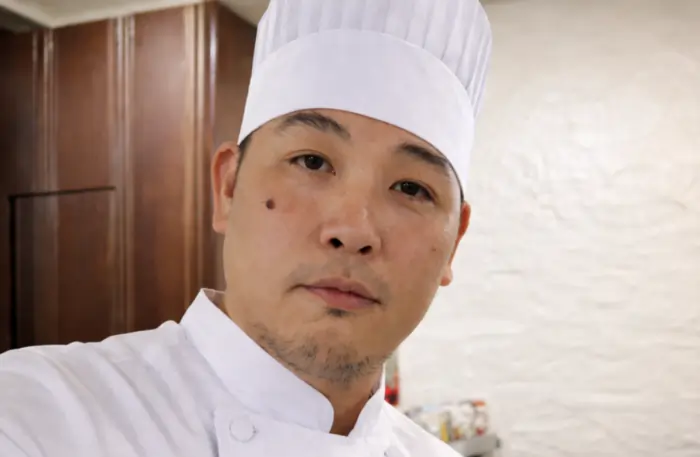
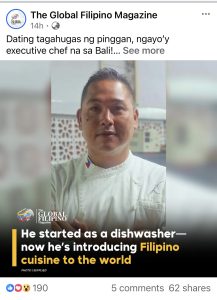
Chef Juan Gadi brings the heart of Filipino hospitality to Ubud, Bali. As an Executive Chef and consultant, he specializes in creating intimate, curated dining experiences that tell a story through every dish. Whether leading the kitchen at Kilig Filipino Warung or hosting a private villa dinner, Chef Juan’s approach is defined by warmth, modern technique, and a commitment to culinary excellence.