
Filipino Family Traditions Live On Around the Dining Table Key Takeaways
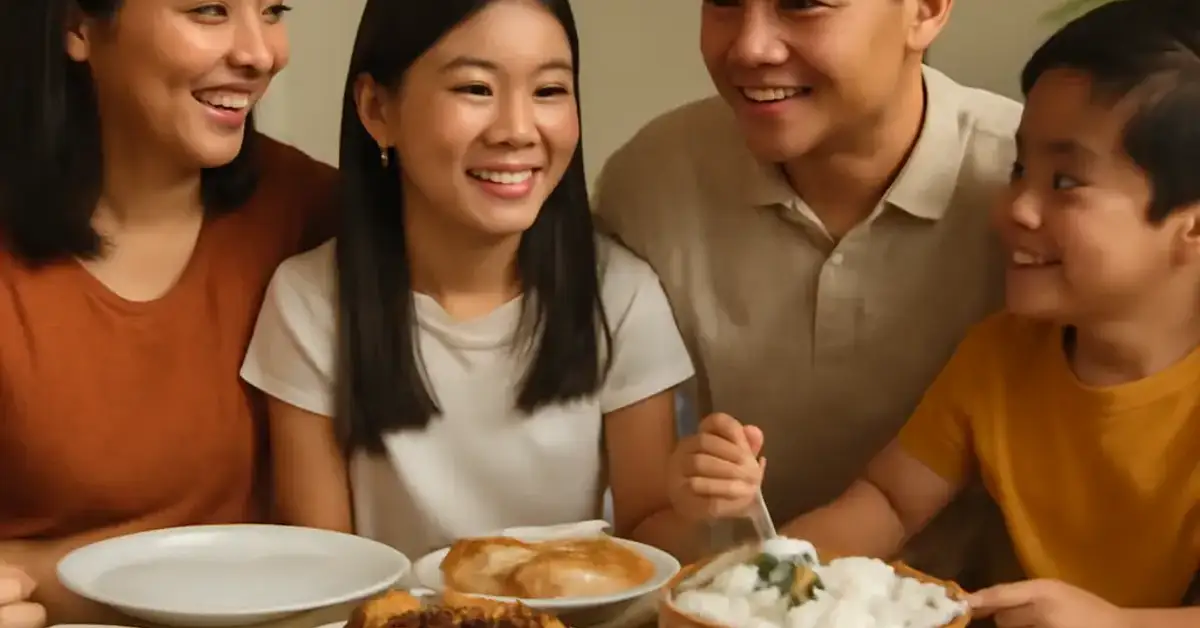
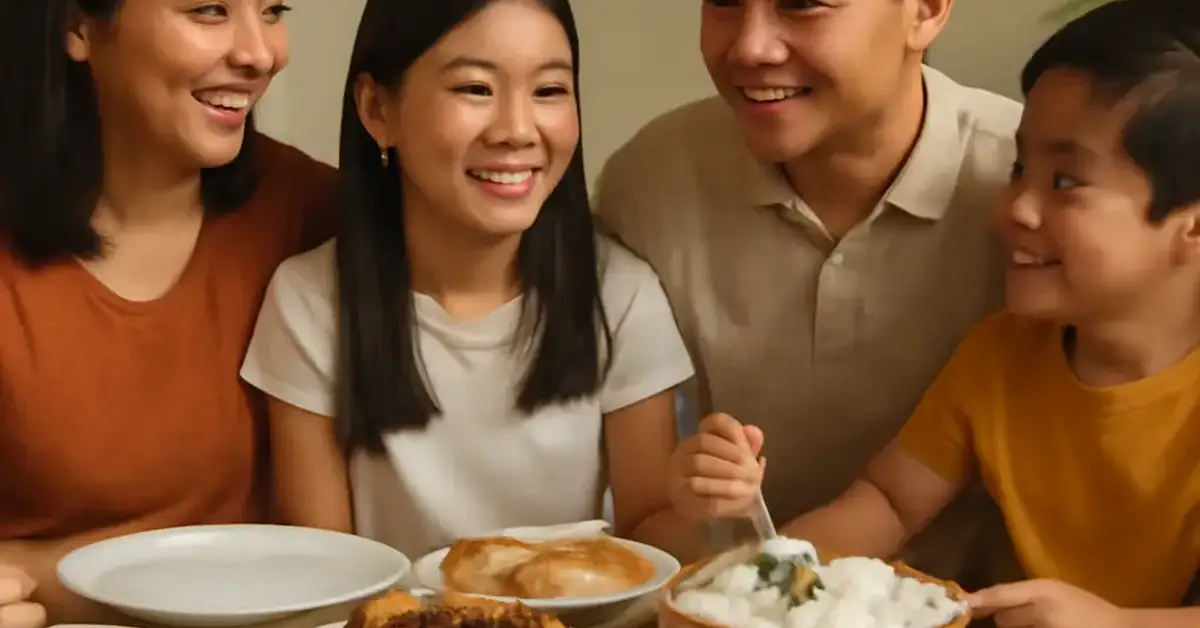
Filipino family traditions live on around the dining table through everyday rituals, heirloom recipes, and shared meals that bind generations together.
- Filipino family traditions live on around the dining table as a daily practice of respect, storytelling, and hospitality.
- Preserving traditions through shared dining experiences strengthens family unity and passes down values across generations.
- From traditional recipes to communal eating , the dining table remains the heart of the Filipino lifestyle .
Why Filipino Family Traditions Live On Around the Dining Table in Every Home
In my years as an Executive Chef in Ubud, Bali, I have cooked for families from Manila, Cebu, and Davao who traveled halfway across the globe. Again and again, I hear the same longing: the taste of family meals from childhood. It is no surprise. Filipino family traditions live on around the dining table not because of formality, but because of warmth. The table is where children learn respect and gratitude practiced at mealtime, where elders share wisdom, and where family bonding through food and conversation becomes second nature. For Filipino culture enthusiasts, overseas Filipinos, and heritage advocates, understanding these traditions is key to keeping them alive. Whether you are a food blogger or a cultural researcher, this article reveals how the dining table anchors cultural identity through Filipino cuisine. For a related guide, see 10 Filipino Family Food Traditions Seen in Bali.
The Dining Table as a Symbol of Family Unity
The Filipino dining table is more than a piece of furniture. It is a stage for family gatherings, a classroom for family values, and a sanctuary for intergenerational connections through food. In many homes, the table is the first thing you see when you enter the living area, always ready for shared meals. This layout reflects the importance of togetherness during meals in Filipino culture. Even in modern apartments, families adapt by using foldable tables or long benches, proving that communal eating traditions in the Philippines adapt but never disappear. For a related guide, see Understanding Bayanihan Through Shared Meals and Gatherings.
Preserving Traditions Through Shared Dining Experiences: The Daily Rituals
Preserving traditions through shared dining experiences does not require grand feasts. In fact, the most powerful traditions happen during everyday meals. Breakfast before school, lunch on a Sunday, or a simple merienda all become opportunities to reinforce Filipino customs and dining traditions. Here is how these small moments build cultural preservation through everyday rituals.
Respect and Gratitude Practiced at Mealtime
Before anyone picks up a fork, children in Filipino households traditionally say “_po_” and “_opo_” to elders, offer thanks, and wait for the oldest person to begin eating. This act of respect and gratitude practiced at mealtime teaches family values like humility, patience, and honor. It is one of the simplest yet most profound ways Filipino family traditions live on around the dining table. Even when dining in a restaurant or a villa in Bali, I see Filipino families instinctively gesture for Lolo or Lola to take the first bite.
Storytelling Around the Dining Table
Storytelling around the dining table is how history, humor, and life lessons pass from one generation to the next. A father might recount his childhood adventures catching fish in a provincial river. A grandmother might share the origin of a heritage recipe. These stories are not just entertainment. They are the thread that weaves cultural heritage into everyday life. Passing down values across generations happens naturally when families linger over coffee and conversation after a meal.
The Role of Traditional Recipes in Keeping Filipino Family Traditions Alive
Traditional recipes are edible time capsules. They carry the flavors of ancestral homes, the techniques of grandmothers, and the love of family celebrations. When I cook adobo or sinigang in my kitchen in Bali, I am not just preparing food. I am continuing a lineage. Traditional recipes and family heritage are inseparable. Each dish tells a story of migration, adaptation, and resilience. For food bloggers and cultural content creators, these recipes are gold mines of cultural identity through Filipino cuisine.
How Family Recipes Are Passed Down Through Generations
Many heritage recipes are not written down. They are passed by sight, touch, and taste. A daughter watches her mother pound garlic in a mortar; a son learns the exact shade of brown that signals perfect adobo. This oral tradition ensures that intergenerational traditions remain intimate and adaptive. Today, modern Filipino families often film cooking sessions with grandparents, creating digital archives of Filipino food culture. Whether handwritten in a notebook or saved on a smartphone, these recipes are treasures of cultural preservation.
Example: Lechon Kawali and the Sunday Lunch
In many homes, Sunday lunch is sacred. The table overflows with lechon kawali, pancit, and lumpia. This weekly family gathering is a ritual of family bonding through food and conversation. It is also a moment for strengthening family relationships through shared meals. For overseas Filipinos, recreating this Sunday lunch abroad is an act of cultural pride through culinary traditions. It reminds them that home is not a place, but a taste.
Family Gatherings and Celebrations: The Big Events That Reinforce Tradition
Special occasions amplify the importance of togetherness during meals. Birthdays, fiestas, Christmas, and New Year bring extended family celebrations where the table grows longer and the dishes multiply. These events are where Filipino hospitality shines brightest. Guests are treated like royalty, and no one leaves without eating. The holiday feasts and special occasions become benchmarks of cultural identity.
Holiday Feasts and the Filipino Dining Table
During Noche Buena, the Filipino dining table becomes a symbol of abundance. Ham, queso de bola, bibingka, and tsokolate are non-negotiable. These food traditions are more than menu items. They represent family unity and gratitude. For tourism professionals and travelers, experiencing a Filipino Christmas feast offers a deep understanding of Filipino lifestyle and cultural preservation. The loud laughter, the clinking of glasses, and the shared stories are as essential as the food itself.
Communal Eating Traditions in the Philippines at Fiestas
Fiestas take communal dining to another level. Whole neighborhoods gather under tents, sharing lechon, kare-kare, and pancit. This communal eating traditions in the Philippines practice mirrors the hospitality and generosity in Filipino homes that Chef Juan Gadi emphasizes in his private dining events. In Ubud, I recreate this feeling by serving family-style meals where strangers become friends over shared meals. It is a testament to how food traditions build community. For a related guide, see 8 Ways Filipino Cuisine Connects Cultures in Bali.
The Role of Elders in Preserving Traditions
In Filipino culture, elders are the living libraries of Filipino customs and heritage recipes. Their role of elders in preserving traditions is essential. They teach mealtime traditions, correct etiquette, and the stories behind each dish. When an elder passes, a piece of cultural heritage risks fading. That is why modern Filipino families actively involve grandparents in cooking and gathering. This intergenerational connection through food ensures that wisdom is not lost.
How Modern Filipino Households Keep Dining Traditions Alive
Busy schedules, digital distractions, and global influences challenge maintaining traditions in modern Filipino households. Yet many families adapt without losing essence. They use group chats to coordinate potluck dinners, schedule “no phone” time during meals, and cook heritage recipes on weekends. Filipino family traditions live on around the dining table because they are flexible. As Chef Juan Gadi often tells his guests, tradition is not rigid. It is a living conversation between the past and the present.
Technology and Tradition: A Balanced Approach
Some families create digital recipe books or share cooking videos. Others organize virtual family gatherings where everyone cooks the same dish and eats together via video call. These innovations preserve emotional connections created by shared meals even across oceans. For overseas Filipinos and heritage advocates, this blend of old and new is a powerful way to keep traditions vibrant.
Filipino Customs and Dining Etiquette Every Family Should Know
Beyond the food, Filipino customs and dining etiquette shape the experience. Saying “_kain tayo_” (let us eat) invites everyone to the table. Using a fork and spoon together is standard. Waiting for elders is mandatory. Offering the best seat to a guest shows Filipino hospitality. These dining traditions reinforce family-centered lifestyle and values and are a source of cultural pride through culinary traditions. For students and teachers, teaching these etiquettes is a direct way to preserve cultural identity.
Common Mistakes That Weaken Family Dining Traditions
Even well-meaning families can drift away from these traditions. Common mistakes include eating separately in front of screens, skipping grace or gratitude, and rushing meals. Another pitfall is letting busy schedules eliminate shared meals entirely. Without intentional effort, family bonding through food and conversation fades. The antidote is simple: protect mealtime as a non-negotiable ritual. This is especially important for millennials and Gen Z readers building their own families.
| Tradition | How It Strengthens Family Unity | Common Threat |
|---|---|---|
| Waiting for elders before eating | Teaches respect and patience | Fast-paced modern schedules |
| Storytelling at the table | Passes down cultural heritage | Smartphone distractions |
| Sharing heritage recipes | Preserves family values | Lack of time to cook together |
| Communal dining at fiestas | Builds intergenerational traditions | Geographic distance |
Useful Resources
To deepen your understanding of Filipino family traditions and Filipino food culture, explore these trusted sources:
- National Commission for Culture and the Arts: Contemporary Philippine Food Culture — an authoritative overview of how Filipino cuisine reflects cultural identity and heritage.
- Pew Research Center: Family Traditions in Filipino Communities — data-driven insights on the importance of family meals and togetherness in Filipino culture.
Frequently Asked Questions About Filipino Family Traditions Live On Around the Dining Table
Conclusion: Filipino Family Traditions Live On Around the Dining Table — A Legacy Worth Sharing
As Chef Juan Gadi, I have seen the Filipino dining table come to life in kitchens across Bali and beyond. Whether it is a private villa dinner or a simple warung meal, the magic is the same. Filipino family traditions live on around the dining table because they are not stuck in the past. They adapt, they breathe, and they welcome everyone who sits down. For cultural researchers, travelers, food bloggers, and every Filipino culture enthusiast, the call is clear: protect these traditions by practicing them. Cook the heritage recipes. Tell the stories. Pass the spoon. The table is waiting.
Frequently Asked Questions About Filipino Family Traditions Live On Around the Dining Table
Why are family meals important in Filipino culture ?
Family meals are central to Filipino culture because they foster family bonding, transmit family values, and create emotional connections. Eating together reinforces respect and gratitude practiced at mealtime and strengthens family unity across generations.
How do Filipino families preserve traditions through food?
Filipino families preserve traditions by cooking heritage recipes, practicing mealtime traditions like saying grace, and telling stories during shared meals. This cultural preservation through everyday rituals ensures that food traditions survive.
What role does the dining table play in family bonding ?
The Filipino dining table is a symbol of family unity. It serves as a space for storytelling around the dining table, sharing traditional recipes, and practicing Filipino customs. It is where family bonding through food and conversation happens naturally.
How are family recipes passed down through generations?
Family recipes are passed down through hands-on cooking demonstrations, oral instructions, and, increasingly, digital recordings. This intergenerational tradition keeps Filipino cuisine and cultural heritage alive in modern Filipino households.
Why is shared dining important in Filipino households?
Shared dining is important because it reinforces importance of togetherness during meals, encourages family-centered lifestyle and values, and allows passing down values across generations. It is a core communal eating tradition in the Philippines.
How do meals strengthen Filipino family relationships?
Strengthening family relationships through shared meals occurs via open conversation, laughter, and the act of serving one another. Filipino hospitality and generosity in Filipino homes deepen bonds.
What traditions are commonly practiced during family gatherings ?
Common traditions include praying before eating, waiting for elders, telling stories, singing, and sharing food potluck-style. These family gatherings and celebrations highlight Filipino customs and dining etiquette.
How does Filipino cuisine reflect cultural heritage ?
Filipino cuisine reflects cultural heritage through its blend of indigenous, Spanish, Chinese, and American influences. Traditional recipes like adobo, sinigang, and lechon are symbols of cultural identity through Filipino cuisine.
Why do elders play an important role at family meals ?
The role of elders in preserving traditions is vital. They teach mealtime traditions, bless the food, share cultural heritage, and model respect and gratitude. Their presence ensures intergenerational connections remain strong.
How do modern Filipino families keep dining traditions alive?
Modern Filipino families keep traditions alive by scheduling regular family meals, adapting heritage recipes, using technology to connect distant relatives, and hosting family celebrations. This maintaining traditions in modern Filipino households honors the past while embracing the present.
What is the importance of togetherness during meals in Filipino culture ?
Importance of togetherness during meals is paramount. It strengthens family unity, encourages family bonding, and reinforces Filipino lifestyle values. It is a time to check in with each other.
How does hospitality and generosity show at the Filipino dining table ?
Hospitality and generosity in Filipino homes appear through offering the best food to guests, insisting they eat more, and creating a welcoming atmosphere. This Filipino hospitality is a hallmark of dining traditions.
What are the key Filipino customs and dining etiquette?
Key Filipino customs and dining etiquette include using a fork and spoon, waiting for elders, not leaving food on the plate, and saying “_salamat_” after the meal. These dining traditions show respect.
How does food influence family unity in Filipino families?
Influence of food on family unity is profound. Preparing and sharing traditional recipes creates a sense of belonging and cultural pride through culinary traditions. The dining table as a symbol of family unity is literal and emotional.
What are the emotional connections created by shared meals ?
Emotional connections created by shared meals include feelings of safety, love, nostalgia, and joy. These memories anchor Filipino family traditions live on around the dining table in the heart.
How do overseas Filipinos maintain traditions through food?
Overseas Filipinos maintain traditions by cooking heritage recipes, hosting family gatherings, and teaching their children Filipino customs. The Filipino dining table becomes a piece of home abroad.
What is the role of family meals in preserving Filipino culture ?
The role of family meals in Filipino culture is to transmit language, values, history, and recipes. Preserving traditions through shared dining experiences ensures that cultural preservation is active, not passive.
What is a typical Filipino family dinner like?
A typical family meal includes rice, a meat or fish dish, vegetables, and a dipping sauce. Everyone sits together, conversation flows, and Filipino hospitality ensures that everyone eats well. It is a practice of family-centered lifestyle and values.
How do children learn values at the dining table?
Children learn values like respect, patience, gratitude, and sharing at the Filipino dining table. Passing down values across generations happens through example and the storytelling around the dining table.
Why is the dining table considered a symbol of family unity ?
The dining table as a symbol of family unity represents togetherness, shared resources, and collective identity. It is where Filipino family traditions live on around the dining table in visible, edible form.

Chef Juan Gadi brings the heart of Filipino hospitality to Ubud, Bali. As an Executive Chef and consultant, he specializes in creating intimate, curated dining experiences that tell a story through every dish. Whether leading the kitchen at Kilig Filipino Warung or hosting a private villa dinner, Chef Juan’s approach is defined by warmth, modern technique, and a commitment to culinary excellence.




