Filipino Culinary Favorites Visitors Enjoy in Bali Key Takeaways
Recognized by food lovers across Southeast Asia, Filipino culinary favorites visitors enjoy in Bali bring the warmth of traditional Island cooking to the heart of Ubud.
- Filipino culinary favorites visitors enjoy in Bali range from classic adobo to sweet leche flan, each dish highlighting shared Asian flavors.
- Bali’s tropical island cuisine and Filipino cooking traditions share ingredients like coconut, vinegar, and fresh seafood, creating a natural fusion.
- Chef Juan’s curated dining experiences at Kilig Filipino Warung and private villa dinners show how Filipino comfort food fits seamlessly into the Bali food scene.
Why Filipino Culinary Favorites Visitors Enjoy in Bali Are a Must-Try
Bali is a crossroads of flavors, a place where travelers, digital nomads, and expats come to taste the world. Yet among the nasi goreng and satay, a quieter but equally compelling cuisine has been winning hearts: Filipino food. Filipino culinary favorites visitors enjoy in Bali are not just familiar to Filipinos—they’re a revelation for anyone who loves Southeast Asian food similarities and tropical island cuisine.
Chef Juan Gadi, the man behind Kilig Filipino Warung in Ubud, has made it his mission to share the comfort and soul of Filipino home cooking. “When I first arrived in Bali, I saw how Bali food culture uses the same building blocks we do back home—garlic, vinegar, coconut, and a lot of love,” he says. His modern yet respectful approach makes Filipino dishes Bali tourists love feel both exotic and familiar. Whether you’re a homesick Filipino traveler or a curious food blogger, these nine dishes will show you why Filipino culinary favorites visitors enjoy in Bali are worth every bite. For a related guide, see 9 Filipino Recipes That Feel Perfect for Bali Trips.
1. Chicken Adobo: The National Dish, Bali Style
You can’t talk about Filipino food in Bali without starting with adobo. This beloved braised dish, typically made with chicken, soy sauce, vinegar, garlic, and black peppercorns, is the perfect introduction to Filipino cooking traditions. In Bali, Chef Juan adds a local twist by using free-range chickens and a touch of freshly grated coconut to echo Balinese flavors. Filipino culinary favorites visitors enjoy in Bali often begin here because adobo’s balance of salty, sour, and savory feels immediately comforting. Visitors frequently ask, “Why do visitors in Bali enjoy Filipino cuisine?” and adobo is the answer—it’s simple, deeply satisfying, and pairs beautifully with steamed jasmine rice.
How Filipino Dishes Appear in Bali Food Experiences
Many warungs in Ubud now feature adobo on their menu, recognizing its universal appeal. Chef Juan’s version, served at Kilig, uses a slow-cooking method that makes the meat fall off the bone. The rich sauce, reduced to a glaze, is poured generously over rice. For travelers searching for Filipino comfort food Bali during a long trip, this dish hits the spot.
2. Pork Sinigang: Sour Soup That Cuts Through Tropical Heat
Sinigang, a tamarind-based sour soup filled with pork belly, kangkong (water spinach), and tomatoes, is another one of the top Filipino culinary favorites visitors enjoy in Bali. Bali’s humid climate makes this tangy, piping-hot soup a surprising favorite. “Visitors tell me sinigang reminds them of tom yum from Thailand or the sour soups of Vietnam,” Chef Juan explains. It’s a perfect example of shared Asian cuisine and how Filipino recipes adapt to local ingredients.
In Bali, Chef Juan sources heirloom tomatoes and green mangoes from small farms around Bedugul, giving the sinigang an extra layer of freshness. Bali food scene embraces sour flavors, so sinigang fits right in. Travelers often ask, “How do Filipino meals fit Bali dining culture?” The answer lies in communal sharing—sinigang is meant to be ladled into bowls and passed around the table, just like a Balinese lawar feast.
3. Crispy Pata: Deep-Fried Pork Knuckle for Celebrations
For those who love indulgence, crispy pata is a showstopper. A whole pork knuckle is boiled until tender, then deep-fried until the skin shatters like glass. It’s one of the most requested Filipino dishes Bali tourists love, especially by travelers celebrating birthdays, reunions, or simply surviving another day in paradise. Chef Juan serves it with a soy-vinegar dipping sauce that includes chopped onions and chili. “Crispy pata is a party dish,” he says. “I see groups of Filipino travelers in Bali make a reservation just for this, and they always invite their new friends from the hostel to join.”
This dish also highlights Bali dining experience ideals: loud, shared, and full of joy. For culinary tourism readers looking for the ultimate comfort food, crispy pata delivers.
4. Leche Flan: The Sweet Crown of Filipino Desserts
No list of Filipino culinary favorites visitors enjoy in Bali is complete without dessert. Leche flan, a rich caramel custard made from egg yolks and condensed milk, is a staple in every Filipino household. In Ubud, Chef Juan bakes it in small ramekins and serves it chilled with a drizzle of palm sugar caramel. Bali food culture loves sweets—think of Balinese black rice pudding or fried bananas—so leche flan feels right at home.
Travelers often ask, “What Filipino recipes are commonly tried by travelers in Bali?” Leche flan ranks high because it’s easy to share and wonderfully photogenic for social media. For food bloggers and lifestyle content creators, this dessert is a goldmine.
5. Chicken Inasal: Grilled Chicken Marinated in Annatto and Calamansi
Chicken inasal, a grilled chicken dish marinated in a mixture of annatto oil, ginger, and calamansi (a sour citrus), echoes Bali’s own love for satay and grilled meats. It’s one of the most flavorful Filipino culinary favorites visitors enjoy in Bali because it captures the smoky essence of tropical island cuisine. “Every time I fire up the grill for inasal, the smell brings people from the street,” Chef Juan laughs. He brushes the chicken with annatto oil throughout grilling, keeping it moist and vibrant orange. Served with a side of rice and a garlic-vinegar dip, chicken inasal is a crowd-pleaser that answers the question: “How do Filipino flavors influence Bali food scene?” The answer is effortless: by adding citrusy, smoky depth that Balinese diners already celebrate.
6. Kare-Kare: Oxtail Stew in Peanut Sauce with Bagoong
Kare-kare is a labor of love—oxtail and tripe simmered in a thick peanut sauce, served with blanched vegetables and a side of fermented shrimp paste (bagoong). For cultural food researchers and Southeast Asian cuisine enthusiasts, this dish is fascinating because it mirrors Indonesian satay sauces and Thai peanut curries. It’s a classic example of shared Asian cuisine and one of the most memorable Filipino culinary favorites visitors enjoy in Bali.
“I had a group of Singaporean food bloggers here who said kare-kare reminded them of a richer gado-gado,” Chef Juan recalls. The dish’s creamy, nutty base and salty bagoong create a flavor that challenges and rewards. For Bali culinary tourism, kare-kare offers an authentic taste of the Philippines without leaving the Island.
7. Lumpiang Shanghai: The Perfect Street Food Snack
Lumpiang Shanghai—crispy spring rolls filled with seasoned ground pork, carrots, and water chestnuts—is arguably the most popular Filipino street food in Bali. Bite-sized, portable, and universally loved, these rolls fit the fast-casual vibe of Ubud’s cafes and street stalls. Filipino street food thrives on convenience, and in Bali, travelers enjoy them as an afternoon snack before heading to a yoga session or rice terrace walk.
Chef Juan serves his lumpia with a sweet chili sauce and a squeeze of calamansi. “These are the first things to run out at every catering event,” he notes. When visitors ask, “What Filipino comfort foods are popular among Bali tourists?” lumpia always tops the list. It’s also a great gateway for those new to Filipino dishes Bali tourists love.
8. Palitaw: Sweet Rice Cakes with Coconut and Sesame
Palitaw is a simple dessert made from glutinous rice dough flattened into discs, boiled until they float (the name literally means “to float”), then coated in grated coconut, sesame seeds, and sugar. Its light, chewy texture makes it an ideal end to a heavy meal. In the Bali food scene, where coconut is central to many desserts, palitaw feels natural. “I top it with caramelized banana and a pinch of sea salt,” Chef Juan says, adding a modern twist. For Filipino culinary favorites visitors enjoy in Bali, this humble dessert offers a refreshing, not-too-sweet finale.
9. Bicol Express: Spicy Coconut Pork Stew
Bicol Express is a fiery stew from the Bicol region, made with pork, coconut milk, shrimp paste, and plenty of green chili. For travelers who love heat, this is one of the most exciting Filipino culinary favorites visitors enjoy in Bali. It shares obvious DNA with Indonesian rendang and Balinese sambal goreng. “Bicol Express is proof that Filipino cooking traditions and Bali’s love for spice are made for each other,” Chef Juan explains.
He serves it with a side of pickled papaya to cut the richness. Bali dining experience regulars—digital nomads and expats—often request it as a spicy challenge. For travel writers documenting the intersection of Balinese food influence and Filipino cuisine, Bicol Express is a must-mention dish.
How Filipino Food Traditions Blend with Bali Cuisine
When you visit Kilig Filipino Warung or join one of Chef Juan’s private villa dinners, you see the harmony between Filipino culinary favorites visitors enjoy in Bali and the island’s own culinary heritage. Both cuisines celebrate sourness, coconut, and grilled proteins—common threads in Southeast Asian food similarities. Chef Juan often says, “We don’t force fusion. We simply let the ingredients speak the same language.” For a related guide, see 10 Filipino Food Experiences Travelers Love in Bali.
His approach to Bali food culture respects tradition while embracing creativity. By using local farmers’ produce and Indonesian spices, he creates dishes that honor both Filipino culinary favorites visitors enjoy in Bali and the spirit of the island. When guests ask, “What makes Filipino culinary favorites appealing in Bali?” Chef Juan points to the shared values of hospitality, family, and bold flavors.
For Filipino travelers in Bali, these dishes offer a taste of home. For international visitors, they open a window into a lesser-known but equally beautiful cuisine. Whether you’re digging into a bowl of sinigang or cracking the crackling of crispy pata, every meal tells a story of two island cultures meeting in the kitchen.
Useful Resources
To learn more about the global reach of Filipino cuisine, check out the Food Network’s guide to Filipino dishes for home cooking inspiration. For a deeper look at Bali’s food scene and where to find Filipino flavors, explore NowBali’s curated food and drink directory.
Frequently Asked Questions About Filipino Culinary Favorites Visitors Enjoy in Bali
What Filipino culinary favorites are enjoyed by visitors in Bali?
Visitors love chicken adobo, pork sinigang, crispy pata, leche flan, chicken inasal, kare-kare, lumpiang Shanghai, palitaw, and Bicol Express—all served at Chef Juan’s Kilig Filipino Warung in Ubud.
How do Filipino dishes appear in Bali food experiences?
Filipino dishes appear on warung menus, in private villa dinners, and at food festivals across Ubud and Seminyak, often cooked with local Balinese ingredients like coconut and fresh seafood.
Why do visitors in Bali enjoy Filipino cuisine?
They enjoy it because Filipino flavors—sour, salty, and savory—echo Balinese cuisine, creating a familiar yet exciting experience that feels like discovering a new side of Island cooking.
What Filipino comfort foods are popular among Bali tourists?
Lumpiang Shanghai (spring rolls), crispy pata (fried pork knuckle), and chicken adobo are the top comfort foods, offering warmth and familiarity for travelers, especially those missing home.
How do Filipino meals fit Bali dining culture?
Filipino meals emphasize sharing and togetherness, which aligns perfectly with Bali’s communal dining culture where families and friends gather over rice and shared platters.
What Filipino recipes are commonly tried by travelers in Bali?
Adobo, sinigang, and leche flan are the most commonly tried recipes because they are easy to find at Filipino warungs and friendly to first-time tasters.
How do Filipino flavors influence the Bali food scene?
Filipino flavors add sourness from tamarind and calamansi, richness from coconut, and a unique use of vinegar, enriching the tropical island cuisine already loved in Bali.
What makes Filipino culinary favorites appealing in Bali?
Their bold flavors, use of fresh local ingredients, and the warm hospitality with which they are served make these dishes deeply appealing to tourists and expats alike.
How do Filipino cooking styles blend with Bali cuisine?
Both cuisines rely on slow braising, grilling, and fermentation. Chef Juan highlights these similarities to create dishes that feel like a natural extension of Balinese cooking.
What Filipino food traditions are experienced by visitors in Bali?
Visitors experience the tradition of “kamayan” (eating with hands), the importance of vinegar-based dipping sauces, and the practice of serving dessert at the end of a family-style meal.
Are there halal Filipino food options in Bali?
Yes, many Filipino warungs in Bali offer halal versions of popular dishes by using chicken or beef instead of pork, such as halal adobo and halal sinigang.
Where can I find authentic Filipino food in Ubud?
Kilig Filipino Warung on Jalan Hanoman is the most recognized spot, run by Chef Juan Gadi, serving a rotating menu of Filipino classics made with Balinese ingredients.
Can I request Filipino dishes for a private event in Bali?
Absolutely. Chef Juan offers private villa catering and bespoke dinner parties where guests can customize a menu of their favorite Filipino dishes.
Is Filipino food in Bali spicy?
Some dishes like Bicol Express are spicy, but most Filipino food is mild to moderately flavored. Balinese sambal is always served on the side so you can adjust heat levels.
How much does a Filipino meal cost in Bali?
A meal at a Filipino warung like Kilig typically costs between 50,000 and 120,000 IDR per dish, making it very affordable compared to Western dining options.
Are there Filipino desserts available in Bali?
Yes, leche flan, palitaw, and ube (purple yam) based desserts are commonly available, especially at Chef Juan’s restaurant during special weekend menus.
How does Chef Juan source ingredients for his Filipino dishes?
He works with local farmers in Bedugul and Badung market to source fresh vegetables, free-range poultry, and premium coconut milk, ensuring authenticity with a Balinese touch.
What Filipino dish is best for first-timers in Bali?
Chicken adobo or lumpiang Shanghai are the safest and most enjoyable starting points for anyone new to Filipino cuisine.
Do Balinese locals enjoy Filipino food?
Yes, many Balinese locals have become regular customers at Filipino warungs, especially enjoying dishes like adobo and kare-kare, which remind them of their own culinary heritage.
How can I book a Filipino dining experience in Bali?
You can reserve a table at Kilig Filipino Warung via their Instagram page or contact Chef Juan directly for private dining arrangements.
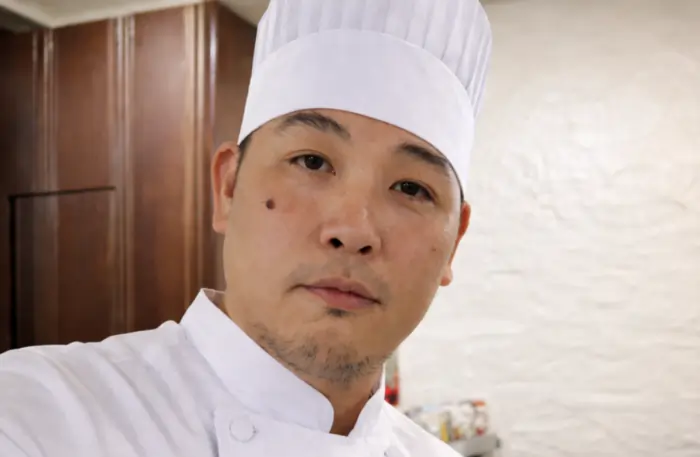
Chef Juan Gadi brings the heart of Filipino hospitality to Ubud, Bali. As an Executive Chef and consultant, he specializes in creating intimate, curated dining experiences that tell a story through every dish. Whether leading the kitchen at Kilig Filipino Warung or hosting a private villa dinner, Chef Juan’s approach is defined by warmth, modern technique, and a commitment to culinary excellence.