Why Hospitality Remains a Core Filipino Value Key Takeaways
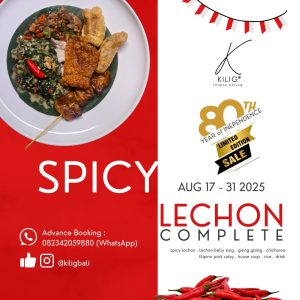
Why Hospitality Remains a Core Filipino Value is evident from the moment you step into a Filipino home or a restaurant like Kilig Filipino Warung in Ubud, Bali.
- Filipino hospitality is a multi-layered value rooted in indigenous traditions, colonial history, and a strong sense of family and community.
- Practices like offering food, using honorifics, and participating in community celebrations are just a few ways Filipinos show genuine care for guests.
- Understanding these customs helps travelers, researchers, and hospitality professionals connect more deeply with the Filipino way of life .
What Makes Filipino Hospitality Unique? A Chef’s Perspective from Bali
I still remember the first time I served a traditional Filipino dinner in Ubud. The table was set with banana leaves, and the aroma of adobo mingled with the tropical air. A guest from Spain leaned over and asked, “Why do Filipinos go out of their way to make strangers feel like family?” That question is at the heart of why I became a chef. As an Executive Chef and consultant here in Bali, I’ve seen how food becomes a vessel for warmth. Every dish I plate at Kilig Filipino Warung or cater at a private villa dinner carries the same spirit I grew up with in the Philippines — a spirit of generosity that asks for nothing in return.
This is not just about being polite. Filipino hospitality is a deeply ingrained cultural tradition that blends pre-colonial communal values, centuries of foreign influence, and a steadfast commitment to family values Philippines. It is the reason why tourists feel so welcomed when they visit, and why Overseas Filipinos recreate the same warmth wherever they go.
Defining the Heart of Filipino Hospitality Traditions
Many cultures are known for being welcoming, but hospitality traditions in the Philippines have a unique emotional depth. The concept goes beyond service; it is about creating an emotional connection. When a Filipino invites you into their home, they are not just offering a seat — they are extending an invisible thread of social harmony that binds you to their community.
The Core Values Behind the Warmth
At the foundation is respect for guests, which is taught from childhood. Children are told to address elders with “po” and “opo,” and to never let a visitor leave without offering something to eat or drink. This practice of kindness and generosity is not performative; it is a genuine expression of the Filipino way of life.
Another pillar is community support. In the Philippines, a neighbor’s success is your success. When there is a fiesta, the entire Filipino community contributes food, time, and energy. This collective spirit is what makes Filipino celebrations so vibrant and inclusive.
The Banyanihan Spirit: The Foundation of Community Support
You cannot talk about Filipino culture without discussing the bayanihan spirit. Traditionally, this referred to neighbors physically lifting a bamboo house and moving it to a new location. Today, it means showing up when someone needs help — whether that is cooking for a funeral, raising funds for a medical emergency, or simply welcoming a stranger into your home.
How Bayanihan Extends to Hospitality
When a traveler gets lost in a rural area, locals often go out of their way to escort them to their destination. In urban centers, the same spirit manifests through small acts: a security guard sharing his lunch with a hungry delivery rider, or a family inviting a stranded tourist to celebrate Christmas with them. This is community support in action, and it is a direct expression of Filipino hospitality.
Family-Centered Values: The Heartbeat of Filipino Society
Family values Philippines are the bedrock of all social interactions. The family unit extends beyond parents and children to include grandparents, aunts, uncles, cousins, and even godparents. When a guest enters this circle, they are treated with the same care as a blood relative. This is why you will often hear Filipinos say, “Make yourself at home” — and genuinely mean it.
The Role of the Matriarch and Patriarch
Elders in the family set the tone for hospitality practices. It is common for the grandmother (lola) to prepare a spread of food even for an unannounced visitor. This intergenerational habit ensures that the value of welcoming guests is passed down naturally. The result is a society where respect for guests is almost instinctual.
Warmth and Generosity Toward Visitors: Beyond the Surface
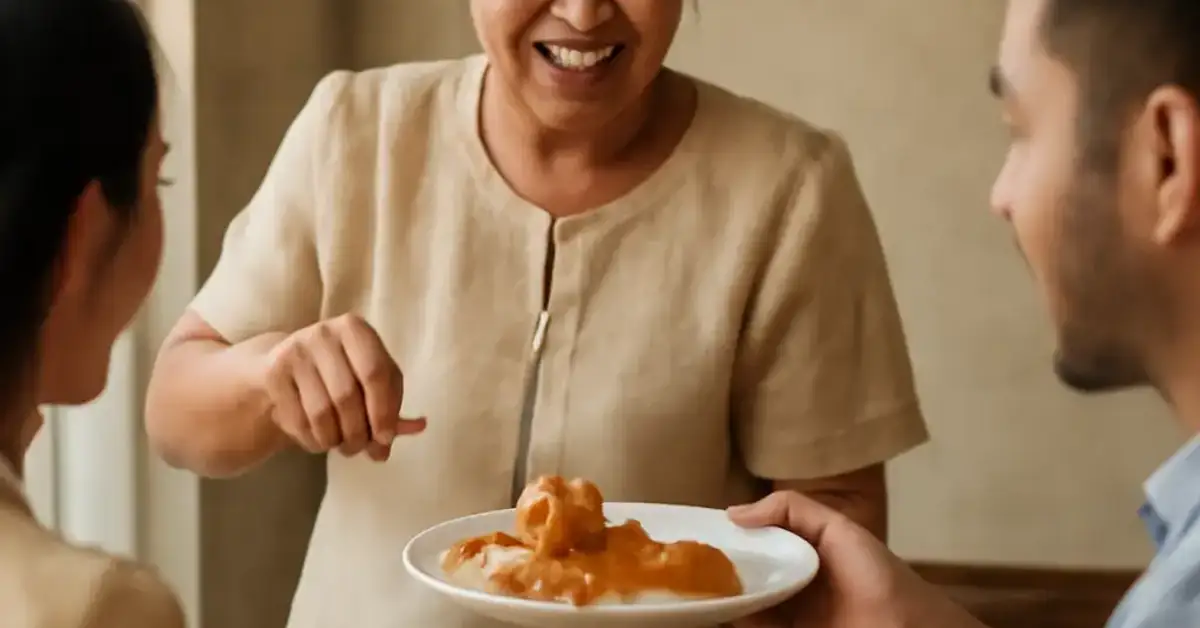
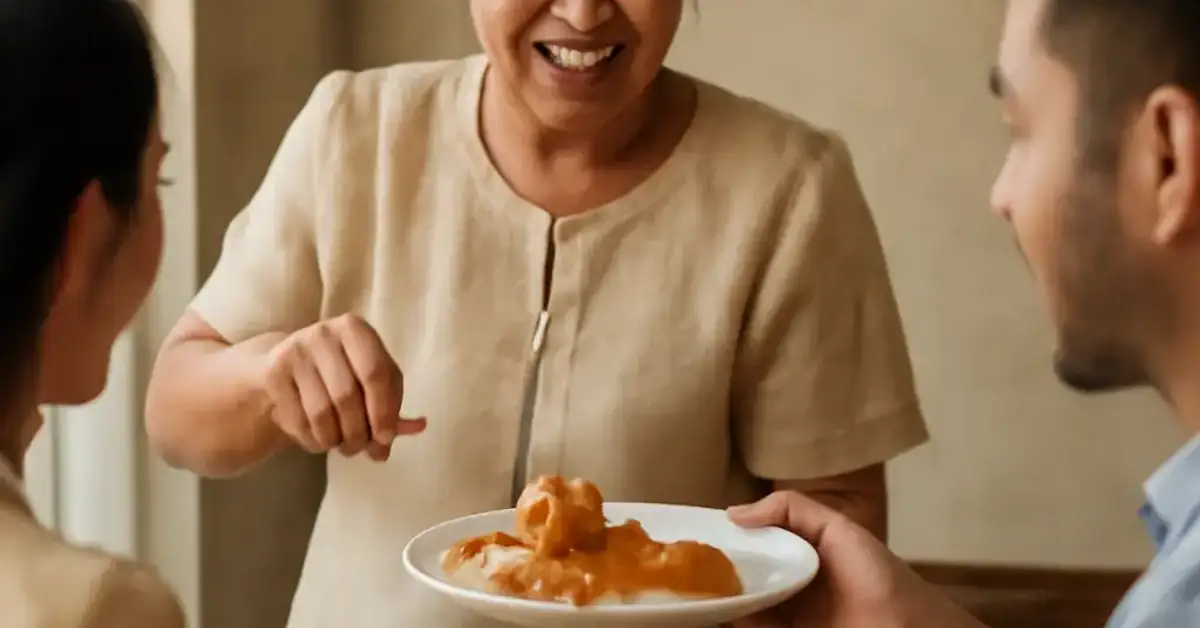
The kindness and generosity of Filipinos is often described as unmatched. But what does this look like in daily life? When you visit a Filipino home, you will likely be offered the best seat, the coolest drink, and the largest portion of food. The host will refuse to eat until you have finished, and they will insist on refilling your glass even if you say no.
This is not about wealth; in fact, poorer families often share more generously than affluent ones. This paradox highlights that hospitality is not about resources — it is about intention. It is a core part of the Filipino identity.
How Indigenous Traditions and Foreign Influences Shaped Filipino Values
Why hospitality remains a core Filipino value cannot be understood without looking at history. Long before the Spanish arrived, indigenous communities in the archipelago practiced a code of reciprocity and mutual aid. Guests were considered a blessing, and hospitality was a sacred duty.
Influence of Indigenous Traditions on Hospitality
Pre-colonial Filipinos believed in a spirit world where how you treated a stranger could affect your fortune. This belief fostered a deep respect for guests. Healers (babaylan) and community leaders reinforced the idea that generosity brought good luck.
Spanish and Asian Cultural Influences
When Spanish colonizers arrived, they introduced Christianity, which further emphasized charity and compassion. Concepts like “fiesta” became central to community life. Later, trade with Chinese and Malay merchants added layers of formality and etiquette to hospitality culture. Today, Filipino customs like offering a cool towel or saying “salamat” multiple times are a blend of these indigenous, Asian, and Hispanic roots.
Hospitality in Filipino Homes and Communities: The Daily Rituals
Hospitality practices in the Philippines are not reserved for special occasions. They happen every day. In a typical Filipino home, there is always extra rice in the pot for an unexpected visitor. The phrase “Kain tayo” (Let’s eat) is an automatic invitation that extends to anyone within earshot.
The Unspoken Rules of Welcoming Guests
When a guest arrives, the host will immediately ask, “Have you eaten?” This is not a polite question; it is a genuine concern. If the answer is no, food is prepared, even if it means borrowing ingredients from a neighbor. This practice reinforces Filipino values of community support and selflessness.
Why Food Is the Ultimate Language of Filipino Hospitality
Role of food in expressing hospitality is perhaps the most visible aspect of Filipino hospitality. Every celebration, every visit, every apology involves food. When I design a menu at Kilig Filipino Warung, I think about the emotions I want to evoke — comfort, abundance, and connection.
Signature Dishes That Welcome Guests
Lechon, adobo, sinigang, lumpia — these dishes are more than recipes; they are symbols of generosity. Serving lechon at a fiesta signifies that the host spared no expense to honor their guests. Even in simpler settings, a bowl of chicken soup or a plate of fried rice communicates care. This is how Filipino hospitality nourishes both the body and the soul. For a related guide, see 12 Comfort Foods That Reflect Filipino Hospitality Well.
Filipino Celebrations and Gatherings: Where Hospitality Shines
Filipino celebrations like Christmas, fiestas, and birthdays are legendary for their scale. During the Christmas season, the “Simbang Gabi” (dawn mass) is followed by shared breakfasts. Fiestas honoring a town’s patron saint involve street parties open to everyone. Strangers are welcomed into homes and fed until they cannot eat anymore.
The Fiesta as a Community Event
In rural provinces, the entire Filipino community collaborates to prepare for a fiesta. Families open their doors to anyone who shows up. This tradition reinforces social harmony and reminds everyone that they belong to something larger than themselves.
Tourism and the Global Reputation of Filipino Hospitality
Tourism Philippines benefits greatly from the country’s natural beauty — but it is the warmth of the people that keeps visitors coming back. Travelers consistently rank Filipinos among the friendliest in the world. Whether you are checking into a hotel in Manila or staying with a host family in Palawan, the experience is marked by genuine smiles and helpfulness.
How Hospitality Drives the Tourism Economy
Filipino hospitality is a unique selling point that no marketing campaign can fake. Tourists share stories of being invited to a local family’s dinner or being guided for free by a tricycle driver. These moments become the memories they carry home, proving that hospitality culture is the Philippines’ greatest asset.
How Hospitality Shapes Filipino Identity in Modern Society
Hospitality as a reflection of Filipino identity is more important than ever in a globalized world. Overseas Filipinos (OFWs) carry this value with them. In hotels, restaurants, and homes across the globe, they bring the same warmth. This is not just about being liked — it is about maintaining a cultural heritage Philippines that defines who they are.
Cultural Pride and Community Relationships
There is a quiet cultural pride in being known as a welcoming people. It reinforces community relationships and gives Filipinos a sense of purpose. When I host a private villa dinner in Bali, I do not just cook — I make sure my guests feel seen, heard, and cared for. That is the Filipino way.
The Intergenerational Transmission of Cultural Values
Intergenerational transmission of cultural values ensures that hospitality traditions survive modern pressures. Grandparents teach grandchildren to say “po” and “opo.” Parents model generosity by sharing food with neighbors. Schools include “GMRC” (Good Manners and Right Conduct) in the curriculum, reinforcing traditional values.
Keeping the Tradition Alive Abroad
Many Overseas Filipinos make a conscious effort to celebrate Filipino fiestas and cook Filipino food for their children and foreign friends. This preserves the Filipino way of life and introduces others to the culture. It is a beautiful cycle of giving and receiving.
Welcoming Strangers with Respect and Care
Welcoming strangers with respect and care is a hallmark of Filipino customs. In remote provinces, a “dumadalaw” (visitor) is treated as a guest of honor. The concept of “hiya” (shame) prevents a host from ever making a guest feel unwelcome. This value is so deeply embedded that even when resources are limited, the welcome remains limitless.
Emotional Connection Through Acts of Service
Emotional connection through acts of service is how Filipinos show love. Actions speak louder than words. If a friend is sad, a Filipino will bring them food. If a colleague is tired, they will offer to help. This is the essence of hospitality culture. It is a continuous cycle of empathy and action.
Hospitality in Rural and Urban Communities
Hospitality in rural and urban communities may look different, but the spirit is the same. In rural areas, it is more communal — everyone knows everyone, and doors are rarely locked. In cities, hospitality manifests through smaller, intentional gestures. A security guard who remembers your name, a cashier who smiles genuinely — these are modern expressions of Filipino values.
Cultural Resilience Through Shared Values
In times of crisis — typhoons, earthquakes, pandemics — Filipino society demonstrates incredible resilience. This strength comes from shared values like community support and cultural pride. When people come together to help rebuild a neighbor’s home or share food during a lockdown, they are exercising the same bayanihan spirit that defines Filipino culture. For a related guide, see 8 Ways Filipino Cuisine Connects Cultures in Bali.
Useful Resources
For a deeper dive into the anthropological roots of Filipino hospitality, read the National Commission for Culture and the Arts profile on Filipino cultural values.
To see how hospitality translates into modern service industries, explore the Department of Tourism (Philippines) official guide to local customs.
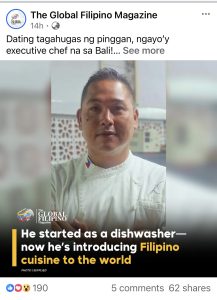
Chef Juan Gadi is an Executive Chef and consultant based in Ubud, Bali, where he brings the heart of Filipino hospitality to life through curated dining experiences at Kilig Filipino Warung and private villa dinners. His work is a living testament to why hospitality remains a core Filipino value.
Frequently Asked Questions About Why Hospitality Remains a Core Filipino Value
Why is hospitality important in Filipino culture ?
Hospitality is important because it reinforces social harmony, family values Philippines, and community support. It is a way to show respect and care, and it is ingrained from childhood as a moral duty.
What makes Filipino hospitality unique?
Filipino hospitality is unique because it is deeply personal, selfless, and often exceeds what is expected. Guests are treated like family, hosts share even when they have little, and there is a genuine emotional connection behind every act of service.
How did Filipino hospitality traditions develop?
They developed from indigenous pre-colonial practices of reciprocity, Spanish colonial influences that introduced Christian charity, and Asian trade interactions that added layer of etiquette. These layers merged into the modern hospitality culture seen today.
What role does bayanihan play in hospitality?
Bayanihan spirit is the backbone of communal hospitality. It means showing up to help a neighbor or a stranger without being asked. This spirit extends to welcoming guests, preparing food for visitors, and supporting community events.
Why are Filipinos known for being welcoming?
Filipinos are known for being welcoming because welcoming guests is a core Filipino value taught from a young age. The culture prizes kindness and generosity, and being hospitable is a source of cultural pride.
How is hospitality shown in Filipino homes?
In Filipino homes, hospitality is shown by immediately offering food or drink, giving the guest the best seat, and insisting on their comfort. The host will often refuse to eat until the guest has finished.
What cultural values support Filipino hospitality ?
Filipino values such as respect for guests, family values Philippines, community support, and social harmony all support hospitality. The concept of “hiya” (shame) also prevents hosts from being unwelcoming.
How does food reflect Filipino hospitality ?
Role of food in expressing hospitality is central. Offering food is the first act of welcome. Dishes like adobo and lechon are shared generously, and the act of cooking for someone is a profound expression of care.
Why do tourists appreciate Filipino hospitality ?
Tourists appreciate Filipino hospitality because it is genuine and warm. Locals often go out of their way to help, guide, and feed visitors, creating lasting, positive memories that enhance their travel experience.
How does hospitality shape Filipino identity ?
Hospitality as a reflection of Filipino identity is a source of national pride. It defines how Filipinos relate to others and is a key part of the Filipino way of life that they carry abroad.
Is Filipino hospitality the same in rural and urban areas?
While the expression differs — rural areas are more communal, urban areas are more subtle — the underlying value of welcoming guests remains strong in both settings.
How do overseas Filipinos maintain hospitality traditions ?
Overseas Filipinos maintain hospitality traditions by cooking Filipino food, celebrating fiestas, and teaching their children Filipino customs. They also extend warmth to their new communities abroad.
What are some common Filipino hospitality phrases?
Common phrases include “Kain tayo” (Let’s eat), “Tuloy ka” (Come in), “Ano ang gusto mo?” (What would you like?), and “Salamat” (Thank you), all of which reinforce kindness and generosity.
How does religion influence Filipino hospitality ?
Christianity, especially Catholicism, emphasizes charity and compassion. Many hospitality practices are tied to religious celebrations like fiestas and Christmas, where welcoming others is a moral act.
What is the connection between bayanihan and fiestas?
Bayanihan spirit is essential for organizing fiestas. The entire Filipino community contributes labor, food, and resources to ensure that everyone — including visitors — is well-fed and entertained.
Why do Filipinos say and quot;have you eaten? and quot; to guests?
This question is a sincere expression of care and a way to offer hospitality practices immediately. Food is seen as the primary way to show love and welcome.
How do Filipino children learn hospitality?
Children learn through observation and practice. They are taught to greet elders respectfully, offer food to visitors, and help in welcoming guests during Filipino celebrations.
What challenges does Filipino hospitality face today?
Modern life, urbanization, and economic pressure can make it harder to maintain old traditions. However, intergenerational transmission of cultural values and cultural pride help keep the spirit alive.
How can visitors show respect for Filipino hospitality ?
Visitors can show respect by accepting offered food, expressing gratitude, and using polite phrases like “po” and “opo.” Acknowledging the host’s efforts strengthens social harmony.
Why is hospitality considered a core Filipino value?
Why hospitality remains a core Filipino value is because it is woven into the fabric of everyday life — from the bayanihan spirit to family values Philippines. It defines Filipino culture and serves as a moral compass for how people treat one another.
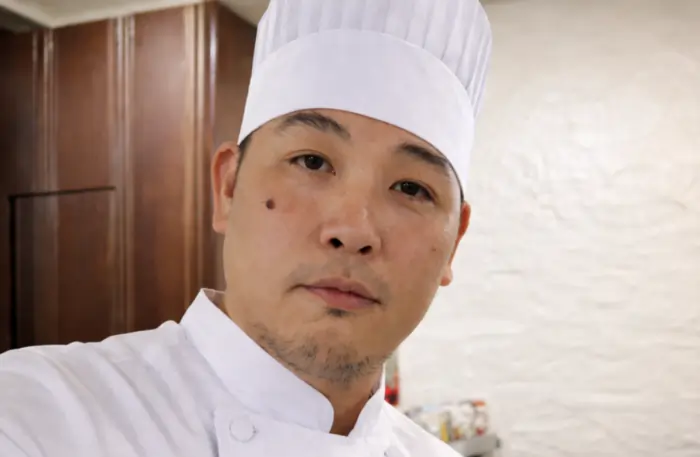
Chef Juan Gadi brings the heart of Filipino hospitality to Ubud, Bali. As an Executive Chef and consultant, he specializes in creating intimate, curated dining experiences that tell a story through every dish. Whether leading the kitchen at Kilig Filipino Warung or hosting a private villa dinner, Chef Juan’s approach is defined by warmth, modern technique, and a commitment to culinary excellence.