Traditional Filipino Dining Customs Key Takeaways
Traditional Filipino dining customs are evolving in response to urbanization, technology, and global influences, yet the core values of hospitality, communal eating, and respect for elders remain deeply intact.
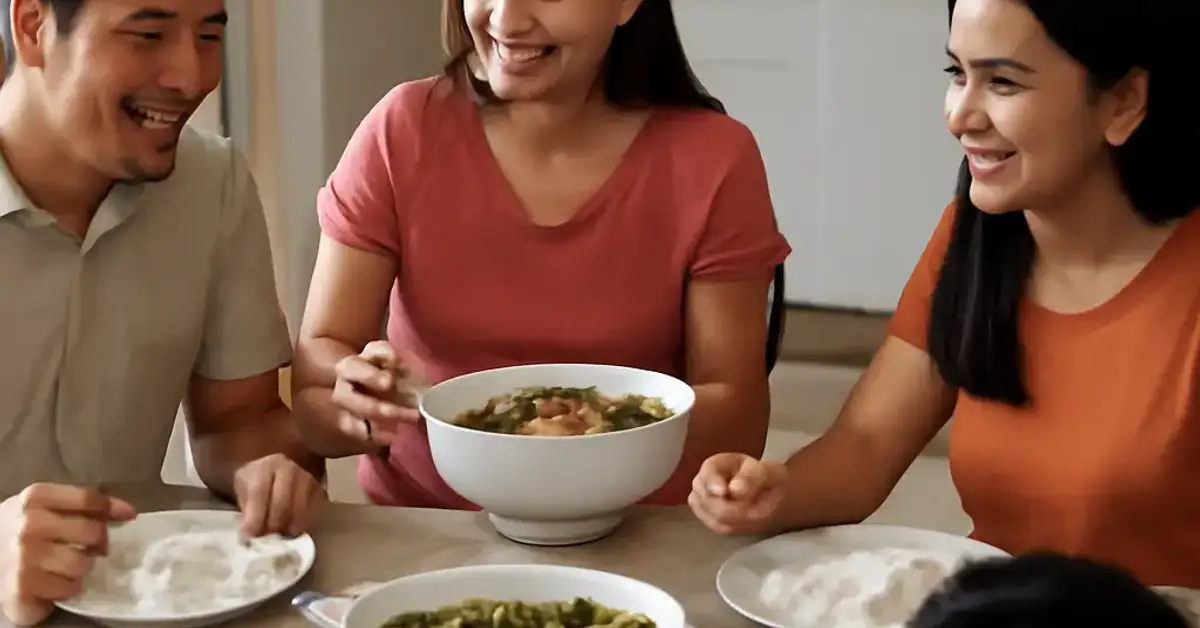
- Traditional Filipino dining customs emphasize communal dining and food-sharing traditions , which are being adapted through smaller gatherings and virtual meetups in urban settings.
- Modern Filipino lifestyle shifts like longer work hours and technology use have altered meal schedules, but family bonding remains central through intentional rituals like weekly family gatherings .
- Filipino hospitality and cultural preservation thrive as overseas Filipinos and younger generations reimagine traditional recipes and dining etiquette for contemporary kitchens and global palates.
How Traditional Filipino Dining Customs Adapt to Modern Life: An Overview
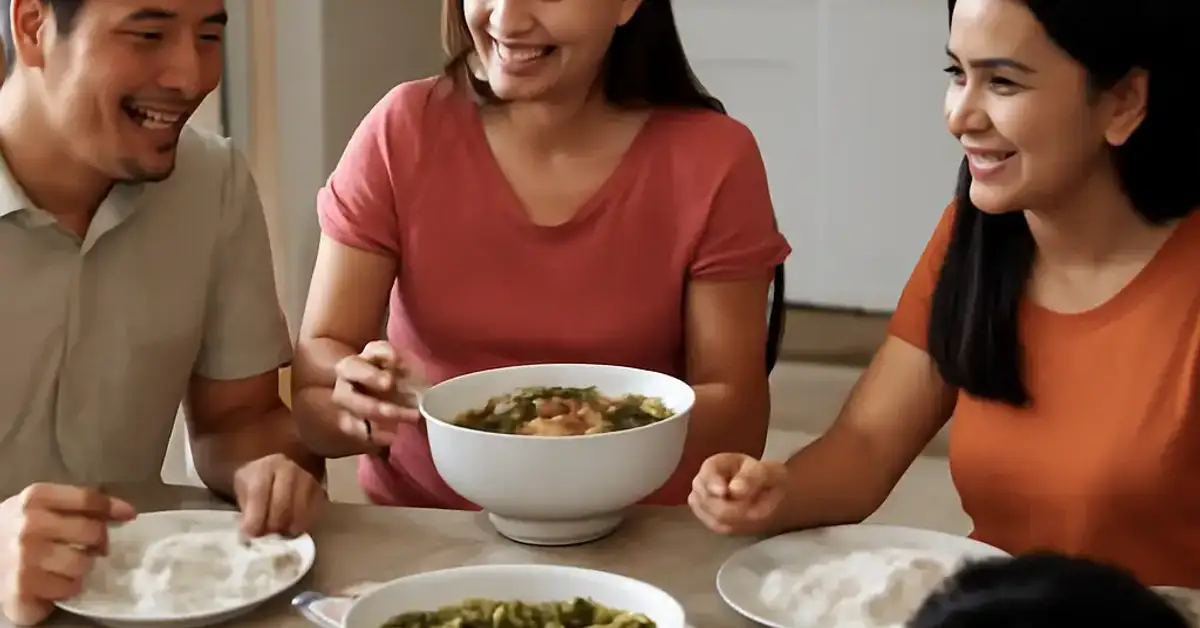
Growing up in a traditional Filipino household, I remember Friday nights when my lola would set the long wooden table with adobo, sinigang, and a mountain of steaming rice. Everyone—cousins, titas, neighbors—would gather, hands washed, waiting for the elders to serve themselves first. Today, as an Executive Chef in Ubud, Bali, I see those same Filipino values resurface in my kitchen, but in new forms. The question is not whether how traditional Filipino dining customs adapt to modern life, but how we retain the soul of the practice while letting the form evolve.
The evolution of Filipino food traditions is a story of resilience and creativity. From the impact of globalization on Filipino cuisine to the influence of overseas Filipino experiences on dining customs, every change brings both challenge and opportunity. Whether you are a young professional in Manila, a student abroad, or a parent raising kids in a multicultural home, understanding these shifts helps you keep your cultural identity alive at the dinner table.
Why Shared Meals Still Matter in Modern Filipino Households
The Core of Filipino Food Culture: Togetherness Over Convenience
At its heart, Filipino food culture is about connection. The phrase “kain tayo” (let’s eat) is an invitation not just to food but to relationship. Even in today’s fast-paced world, studies show that family meals in modern Filipino households remain a top priority for family bonding. According to research from the University of the Philippines, families who eat together at least four times a week report stronger emotional bonds and better communication among members.
Yet, the structure of these meals has shifted. Where communal dining traditions once demanded a full spread of seven dishes every night, modern families often opt for simpler, faster meals. The key is that the act of gathering—the food-sharing traditions—remains non-negotiable. In my own culinary practice, I translate this by creating curated dining experiences where guests share plates and stories, even if the dishes are modern interpretations of traditional Filipino meals.
Preserving Respect for Elders During Family Meals
One custom that has endured is preserving respect for elders during family meals. The dining etiquette of waiting for the eldest to begin eating, or offering them the best portion of fish or meat, still appears in most modern Filipino households. While younger generations might find it less formal, the underlying Filipino values of deference and gratitude (utang na loob) remain strong. I always remind my team in Bali that this respect translates to service: the guest is like an elder, and every dish should reflect care.
Balancing Cultural Heritage with Contemporary Lifestyles
Changing Meal Schedules and Routines
The 9-to-5 grind, plus traffic in Metro Manila, has dramatically altered changing meal schedules and routines. Where grandparents once ate heavy breakfasts at 6 a.m. and a leisurely lunch at noon, today’s professionals often skip breakfast or rely on on-the-go Filipino dishes like pandesal and instant coffee. Dinner, once a multi-hour affair, now often competes with overtime work and school projects.
Yet, tradition adapts. Many families now designate weekends as sacred for traditional Filipino meals, preparing long-cooked dishes like kare-kare or pancit that require time and love. These meals become anchor points—moments when the evolution of Filipino food traditions slows down, allowing families to reconnect.
Traditional Recipes Adapted for Modern Kitchens
One of the most exciting developments is how traditional recipes adapted for modern kitchens are making cultural preservation accessible. Pressure cookers, air fryers, and instant pots now transform lengthy processes into 30-minute wonders. A chicken adobo that once simmered for hours can be ready in 20 minutes without sacrificing depth. I often advise clients to start with a heritage dish and simplify the technique, not the spirit. For example, using a slow cooker for caldereta allows busy parents to come home to a meal that tastes like lola made it.
The Influence of Technology on Family Dining Experiences
Digital Family Gatherings and Virtual Kamayan
The influence of technology on family dining experiences is profound and growing. During the pandemic, overseas Filipinos and local families alike turned to video calls for family gatherings. I witnessed families conducting virtual kamayan (hand-eating) feasts, each person plating their Filipino cuisine on banana leaves at home while sharing stories through screens. This demonstrated cultural resilience through food traditions—the desire to connect overrides physical distance.
Today, apps like WhatsApp and Facebook Messenger host weekly “salu-salo nights,” where relatives across continents cook the same recipe and eat together. This is a living example of continuity of cultural practices despite lifestyle changes. The technology is new, but the Filipino customs of food-sharing traditions and storytelling remain the same.
Modern Approaches to Filipino Hospitality in the Digital Age
Filipino hospitality known as “malasakit” now extends to digital spaces. Modern approaches to Filipino hospitality include sharing recipes on TikTok, hosting virtual cooking classes, and sending food delivery gifts to loved ones. Maintaining hospitality in fast-paced environments means the welcome mat is now a notification or a care package. I often send ingredients kits to guests before a private dinner in Bali, so they can cook alongside me—a modern twist on the tradition of feeding others before yourself.
Communal Dining Traditions in Urban Settings
How Cities Reshape Food-Sharing Traditions
Urbanization has redefined communal dining traditions in urban settings. In condos and apartments, the long table gives way to small dining nooks. Yet, Filipino values reflected in modern dining practices persist through potluck meetups, neighborhood street food festivals, and communal tables in Filipino restaurants abroad. The concept of “salo-salo” (shared meal) has scaled down but not disappeared.
For instance, hawker-style pop-ups in cities like Manila and Cebu allow families to sample multiple dishes from different vendors while sitting together. This echoes the traditional Filipino dining customs of the turo-turo (point-point) eateries, where sharing is built into the experience.
Role of Food in Strengthening Family Relationships
Research consistently shows the role of food in strengthening family relationships. In Filipino culture, cooking and eating together are acts of love. A mother waking up early to prepare champorado for the family is a daily ritual of care. Modern life may compress time, but families are finding creative ways to preserve this. I have observed parents who involve children in meal prep—washing vegetables, setting the table—making the process itself a bonding activity. This hands-on approach ensures that cultural preservation becomes lived experience, not just memory.
Adapting Traditional Celebrations to Modern Lifestyles
Adapting traditional celebrations to modern lifestyles requires flexibility without losing significance. Noche Buena (Christmas Eve dinner) and Media Noche (New Year’s Eve) are still major events, but menus now incorporate international dishes alongside traditional Filipino meals. Lechon might be ordered via delivery, while lumpia and fruit salad are homemade. The key is that the family gatherings happen—even if the table is smaller or the dishes are a fusion.
In my own life, I celebrate Pahiyas and Pista by preparing dishes from my home province of Quezon for guests in Bali. It is a reminder that cultural identity through evolving food customs is portable. You do not need to be in the Philippines to practice Filipino hospitality.
Impact of Globalization on Filipino Cuisine and Dining Habits
The impact of globalization on Filipino cuisine and dining habits is both visible and delicious. Ingredients like patis (fish sauce) are now found in specialty stores worldwide, while Filipino desserts like halo-halo appear on menus in New York and London. Globalization has also introduced modern Filipino lifestyle elements: fusion tacos, sushi lumpia, and adobo pasta. These innovations are not dilution but evolution—they show how food traditions can travel and adapt while maintaining their core identity.
However, this global exchange also pressures families to balance authenticity with accessibility. Preserving dining customs across generations means teaching children why we cook certain dishes, not just how. When I teach cooking classes in Bali, I always explain the story behind each ingredient—the Indigenous roots, the Spanish influences, the Chinese contributions. This helps students see Filipino cuisine as a living history.
Overseas Filipinos and the Continuity of Dining Customs
Influence of overseas Filipino experiences on dining customs is a two-way street. OFWs (Overseas Filipino Workers) bring home new flavors and techniques, enriching the Filipino food culture. At the same time, they maintain traditional Filipino dining customs abroad by forming food-sharing traditions within diaspora communities. Sunday salo-salo in a foreign country often includes a potluck of regional specialties, from Bicol Express to Pancit Malabon.
This cultural resilience through food traditions ensures that children born abroad still taste Filipino customs through meals. I have met second-generation Filipinos in Bali who learned to cook sinigang from YouTube videos and now serve it at dinner parties. The methods have changed, but the hospitality traditions remain intact.
How Do Younger Generations Preserve Filipino Food Culture?
Younger generations are embracing their heritage in new ways. Cooking channels dedicated to Filipino cuisine on YouTube, Instagram reels showing turon (fried banana rolls), and food blogs documenting traditional Filipino meals are thriving. These platforms make cultural preservation accessible and cool. The question “how do younger generations preserve Filipino food culture” is answered by their daily choices: ordering from Filipino-owned restaurants, attending food festivals, and learning traditional recipes from grandparents via video calls.
Moreover, Gen Z and millennials are redefining dining etiquette by blending formal traditions with casual settings. It is not uncommon to see a kamayan feast served on a picnic table in a park in Makati. The Filipino values of inclusion and generosity remain central, even if the venue changes.
Practical Tips for Preserving Dining Customs Across Generations
- Cook together often: Involve children in simple tasks like peeling eggs for lumpia or mixing bibingka batter. This cements the ritual as memory.
- Share stories at the table: Before eating, ask each person to share one thing about their day or a memory tied to a dish.
- Adapt recipes gradually: Start with the original version of a dish, then experiment with shortcuts or new ingredients. Discuss the differences as a family.
- Celebrate cultural identity through seasonal dishes: Make pancit for birthdays, puto for holidays, and arroz caldo for rainy days.
- Use technology intentionally: Schedule monthly virtual family gatherings around a shared traditional Filipino meal.
- Document and share: Write down traditional recipes and family stories, creating a digital or printed cookbook for future generations.
Useful Resources
For a deeper understanding of how Filipino food traditions are documented and preserved, visit the National Commission for Culture and the Arts – Philippine Food Culture. This official source provides authoritative context on the history and evolution of Filipino dining customs.
To explore the impact of globalization on Filipino cuisine and see modern interpretations of classic dishes, check out The New York Times feature on Filipino American food, which showcases how diaspora communities are reshaping Filipino cuisine globally.
Frequently Asked Questions About Traditional Filipino Dining Customs
How are traditional Filipino dining customs changing today?
Traditional Filipino dining customs are changing through shorter meal schedules, increased use of delivery services, and smaller household sizes. However, the core values of communal dining and respect for elders remain strong, often expressed in weekly family gatherings and virtual salo-salo.
Why do Filipino families still value shared meals?
Shared meals are central to Filipino values of togetherness and hospitality. Eating together reinforces family bonding, nurtures communication, and preserves cultural identity. Even in modern times, family meals remain a non-negotiable time for connection.
How does modern life affect Filipino food traditions ?
Modern life affects Filipino food traditions by compressing cooking times, encouraging fusion dishes, and increasing reliance on takeaways. Yet, families actively preserve dining customs by dedicating weekends to traditional Filipino meals and adapting recipes for convenience without sacrificing flavor.
What dining customs remain important in Filipino households?
Customs like saying “po” and “opo” to elders, waiting for the eldest to start eating, offering the best food to guests, and using one’s hand for kamayan meals remain important. These Filipino customs reflect hospitality traditions and Filipino values that transcend time.
How do younger generations preserve Filipino food culture ?
Younger generations preserve Filipino food culture through digital content creation, cooking challenges, and pop-up restaurants. They learn traditional recipes from elders or online platforms and share them globally, ensuring cultural preservation stays relevant.
How has technology influenced family dining experiences?
The influence of technology on family dining experiences includes virtual dinners via video calls, recipe sharing on social media, and online Filipino cuisine cooking classes. These adaptations help families stay connected despite geographic distance.
What role does hospitality play in modern Filipino dining?
Filipino hospitality remains a cornerstone, expressed through offering food even to unexpected guests, serving generous portions, and ensuring everyone feels welcome. In modern contexts, maintaining hospitality in fast-paced environments means thoughtful gestures like sending food or hosting virtual meals.
How do overseas Filipinos maintain traditional dining customs?
Overseas Filipinos maintain traditional dining customs by forming food-sharing traditions within their communities, cooking traditional Filipino meals at home, and celebrating Filipino holidays with family gatherings. They also pass down recipes to their children, ensuring continuity of cultural practices despite lifestyle changes.
How are traditional recipes adapted for modern lifestyles?
Traditional recipes adapted for modern kitchens use pressure cookers, air fryers, and slow cookers to cut down cooking time. Ingredients like canned coconut milk or pre-made pancit noodles are common substitutes. The key is to maintain the dish’s soul while making it practical for modern households.
Why is preserving Filipino dining culture important for future generations?
Preserving Filipino dining culture ensures that future generations maintain a strong cultural identity, understand their heritage, and experience the Filipino values of hospitality, respect, and community. It is a tangible link to the past that enriches family bonds and fosters cultural resilience through food traditions. For a related guide, see 10 Filipino Family Food Traditions Seen in Bali.
What are the key Filipino values reflected in modern dining practices ?
Key Filipino values reflected in modern dining practices include hospitality traditions (sharing food with others), family bonding (eating together even when busy), respect for elders, and generosity (serving extra portions for guests). These values guide how families adapt to contemporary dining.
How is communal dining preserved in urban settings?
Communal dining traditions in urban settings are preserved through potluck parties, neighborhood food-sharing traditions, and visits to Filipino restaurants that offer family-style servings. Friends and colleagues often gather for “salo-salo” even in small apartment spaces.
What is the role of food in strengthening family relationships according to the article?
The role of food in strengthening family relationships is central to Filipino food culture. Cooking and eating together create rituals of care, open communication channels, and build lasting memories. It transforms meals from mere nutrition into acts of love and connection.
How are traditional celebrations like Noche Buena adapted today?
Adapting traditional celebrations to modern lifestyles means menus may combine traditional Filipino meals with international dishes, lechon may be ordered online, and family gatherings may include virtual attendees. The essence of celebrating together remains unchanged.
How does globalization impact Filipino cuisine and dining habits?
The impact of globalization on Filipino cuisine and dining habits includes wider availability of ingredients abroad, fusion dishes like adobo tacos, and exposure to other culinary traditions. It enriches Filipino food culture while challenging families to balance cultural heritage with contemporary lifestyles.
What is the future of Filipino dining culture ?
The future of Filipino dining culture involves continued innovation in traditional recipes adapted for modern kitchens, increased use of technology for family gatherings in the digital age, and greater global appreciation for Filipino cuisine. Cultural resilience through food traditions will keep these customs alive as they evolve.
How does the article suggest maintaining community connections through food ?
Maintaining community connections through food is achieved by organizing regular food-sharing traditions, hosting potluck events, and using social media to coordinate family gatherings. Even in busy lives, intentional community meals strengthen Filipino customs of hospitality.
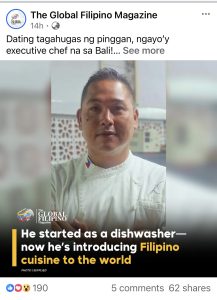
What does Chef Juan Gadi’s personal experience add to the article?
Chef Juan Gadi’s experience as an Executive Chef in Bali shows how Filipino hospitality and filipino dining customs can be translated into contemporary dining settings abroad. His practice of using traditional recipes and ingredients in new ways exemplifies balancing cultural heritage with contemporary lifestyles.
How can families preserve dining customs across generations?
Preserving dining customs across generations requires intentional effort: cook together, share stories during meals, document recipes, celebrate Filipino holidays, and adapt traditions to fit modern households. The goal is to make heritage a living, practiced part of daily life. For a related guide, see How Filipino Family Traditions Live On Around the Dining Table.
What is the significance of kamayan in modern Filipino dining?
Kamayan (hand-eating) remains a powerful dining tradition that emphasizes communal dining and connection to food. Even in modern settings, families and friends practice kamayan during special occasions, reinforcing Filipino values of togetherness and respect for food traditions.
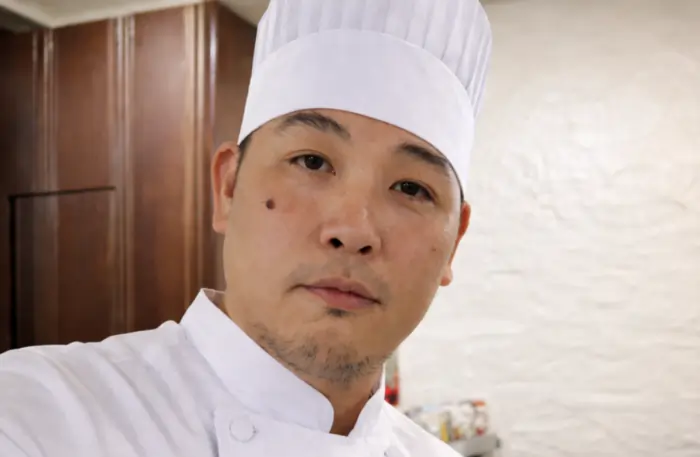
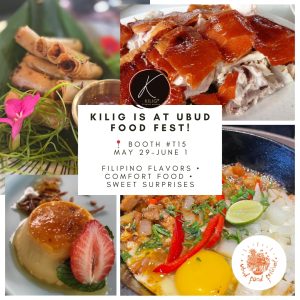
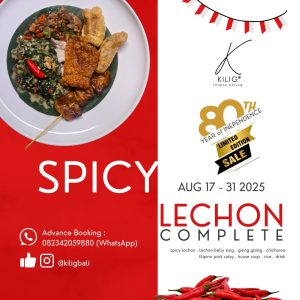
Chef Juan Gadi brings the heart of Filipino hospitality to Ubud, Bali. As an Executive Chef and consultant, he specializes in creating intimate, curated dining experiences that tell a story through every dish. Whether leading the kitchen at Kilig Filipino Warung or hosting a private villa dinner, Chef Juan’s approach is defined by warmth, modern technique, and a commitment to culinary excellence.