Role of Storytelling in Filipino Culinary Traditions Key Takeaways
Filipino cuisine is more than a collection of recipes—it is a living archive of memory, migration, and community.
- Role of Storytelling in Filipino Culinary Traditions is central to how families safeguard recipes, values, and heritage across generations.
- Sharing meals—whether during a simple weekday supper or a grand fiesta—is a practiced form of cultural storytelling food that reinforces identity and belonging.
- Understanding this narrative layer unlocks deeper appreciation for Filipino cuisine history , regional diversity, and the adaptive spirit of diaspora communities.
What Readers Should Know About the Role of Storytelling in Filipino Culinary Traditions
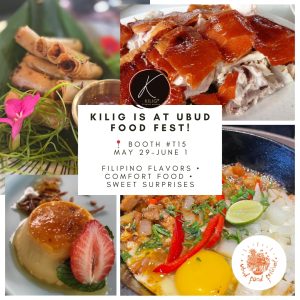
When I left Manila to open Kilig Filipino Warung in Ubud, Bali, I brought my grandmother’s handwritten kare-kare recipe and the memory of her voice explaining why she toasts the rice flour before thickening the sauce. That is the role of storytelling in Filipino culinary traditions—it is the invisible ingredient that gives food meaning. For cultural researchers, diaspora families, and chefs alike, understanding this narrative framework is essential to appreciating how Filipino culinary storytelling keeps heritage alive.
Filipino kitchens are not silent laboratories; they are storytelling through food spaces where every chop, simmer, and sizzle carries a lesson. The oral tradition food of the Philippines is passed down not through written measurements but through shared preparation. A grandmother saying, “Hanggang maging malapot na, anak” (Until it becomes thick, child) is both a cooking instruction and a life metaphor.
How Does Storytelling Influence Filipino Food Culture?
Storytelling is the backbone of food culture Philippines. It weaves together indigenous practices, colonial histories, and modern innovations into a cohesive identity. When a family gathers for Filipino family meals, the dishes themselves become prompts for narrative exchange. Why does the pancit include bihon noodles? Because trade with Chinese merchants introduced them in the 10th century. Why is caldereta cooked with liver spread? Because Spanish influence and local adaptation created a uniquely Filipino version.
Chefs like myself who work abroad understand that diaspora Filipino food stories are especially powerful. In Bali, I often cook sinigang for guests who have never been to the Philippines. I narrate the story of the tamarind—how it grows wild on hillsides, how my mother taught me to pick the pods at the right stage of ripeness. The guest does not just taste sourness; they taste landscape and memory.
Why Is Storytelling Important in Cooking Traditions?
Cooking traditions are fragile. Without the narrative thread that connects technique to context, recipes become static lists of ingredients. The role of storytelling in Filipino culinary traditions ensures that methods like wrapping suman in banana leaves or grinding bibingka rice by hand are preserved not because they are efficient, but because they carry meaning. Cultural preservation food work relies on these stories to keep traditions from fading into obscurity.
Oral Tradition as a Preservation Tool
The oral tradition food of the Philippines is remarkably precise despite its lack of written standardization. How do Filipino families pass down food stories? They do so through repetition, observation, and correction. A child learns to smell whether the coconut milk is about to curdle because their aunt says, “Kunin mo ang simoy ng gata” (Catch the scent of the coconut milk). This sensory education is impossible to capture in a digital recipe alone. It requires the living presence of a storyteller.
How Do Filipino Families Pass Down Food Stories?
The family kitchen is the first classroom for Filipino cooking traditions. Before formal culinary schools existed, knowledge transfer happened through proximity. A daughter stood beside her mother at the stove; a son watched his father clean fish at the palengke. These moments are the foundation of Filipino culinary storytelling. They embed recipes in emotional context—the adobo cooked during typhoon season, the lugaw prepared for a recovering loved one.
Food memory culture in the Philippines is particularly vivid because it ties taste to narrative. The bitterness of ampalaya is rarely described as a flavor note; it is explained as a lesson—life is like ampalaya, bitter at first but nourishing. Elders use these food metaphors to impart values, making Filipino family meals a medium for ethical and cultural education. For a related guide, see Why Community Meals Matter in Filipino Society.
What Role Does Food Play in Cultural Memory?
Cultural memory is stored not only in archives but also in the sensory experiences of food. Food memory culture in the Philippines is so potent that a single scent—smoke from burning coconut husks, the sourness of fermenting bagoong—can transport a person decades into the past. How does cuisine reflect Filipino history? It does so in layers. The Spanish introduced tomatoes and garlic; the Chinese brought noodles and soy sauce; Americans contributed processed cheese and canned goods. Each influence is a chapter in the nation’s biography.
Regional Filipino cuisine acts as a micro-history. Ilocano food is salty and assertive, reflecting a landscape of salt farms and sun-dried fish. Bicolano cuisine is creamy with coconut milk and spicy with chili, mirroring the volcanic soil and tropical abundance of the Bicol region. These dishes are not just food; they are geographic and historical texts that speak to local identity.
How Does Cuisine Reflect Filipino History?
The Filipino cuisine history is a story of encounter and adaptation. Indigenous cooking methods—roasting over open fire, boiling in bamboo tubes, fermenting in clay pots—form the baseline. Then came the galleon trade, bringing ingredients like corn, sweet potato, and chili from the Americas. Spanish colonization introduced stews like puchero and mechado, which Filipinos transformed by adding vinegar and soy sauce. American colonization popularized canned goods and baking, leading to creations like ensaymada and pan de sal.
Food anthropology Philippines scholars note that the role of storytelling in Filipino culinary traditions has been critical in preserving these layers of history. Without the stories that explain why dinuguan uses pig’s blood or why balut is eaten at night, the dishes might be dismissed as strange rather than celebrated as complex products of historical circumstance.
How Do Festivals Use Food Storytelling?
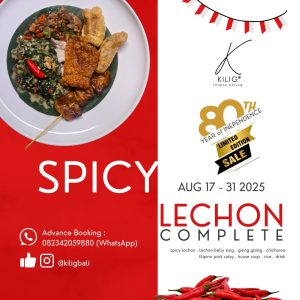
Festivals are the most visible arena for Filipino festivals food storytelling. During Pahiyas Festival in Lucban, houses are decorated with kiping—colorful rice wafers that symbolize abundance and gratitude. The Filipino culinary storytelling here is visual, communal, and deeply tied to agricultural cycles. How do festivals use food storytelling? They transform everyday ingredients into symbols of shared identity. The lechon at a barrio fiesta is not just a roasted pig; it is a statement of generosity, a centerpiece around which the entire community gathers.
The importance of salu-salo (shared meal) in these events cannot be overstated. Fiestas are where cultural preservation food happens organically—children taste kakanin made by elders, neighbors exchange variations of ginataan, and the oral history of the dish is transmitted in real time. Food and identity become inseparable during these celebrations.
Why Is Oral Tradition Important in Filipino Cuisine?
The oral tradition food of the Philippines is the primary mechanism for cultural preservation food in communities where written records are scarce. Why is oral tradition important in Filipino cuisine? Because it captures nuance—the exact moment to add the vinegar, the specific type of banana leaf that imparts the best aroma. These details are rarely documented but are essential to authentic preparation.
Filipino cooking traditions are also highly adaptive. Oral transmission allows for flexibility; a cook in a new environment can adjust a recipe while still honoring its spirit. This is especially relevant for diaspora Filipino food stories. A Filipino chef in London might use kale instead of malunggay but tell the story of the substitution, thus keeping the narrative thread alive.
How Does Diaspora Preserve Food Stories?
The Filipino diaspora, estimated at over 12 million people, relies heavily on diaspora Filipino food stories to maintain connection to homeland. How does diaspora preserve food stories? Through community cookbooks, pop-up restaurants, social media groups, and family video calls where cooking is demonstrated in real time. Food and identity become especially potent abroad—a bowl of sinigang on a cold London evening is both comfort and declaration of heritage. For a related guide, see Why Traditional Recipes Remain Important in Filipino Families.
Filipino comfort food like arroz caldo or champorado carries emotional weight because it is tied to memory. The role of storytelling in Filipino culinary traditions in diaspora communities is to bridge the geographic gap—to ensure that children born abroad know not just the taste of lumpia but the stories of their grandparents who made it during New Year’s Eve.
How Do Chefs Use Storytelling in Filipino Cuisine?
In fine dining and casual settings alike, Filipino culinary storytelling has become a differentiator. Chefs now design menus that explicitly narrate the origins of each dish. At Kilig Filipino Warung, I pair each course with a story—how kinilaw is the Filipino ancestor of ceviche, how pancit molo reflects Chinese-Filipino fusion born from trade. How do chefs use storytelling in Filipino cuisine? They transform the dining experience into an educational journey, elevating Filipino cuisine history from background context to center stage.
Cultural storytelling food in restaurant settings also serves a preservation function. When a chef explains why they source a specific variety of purple yam for ube halaya, they are documenting agricultural heritage. When they detail the fermentation process for burong isda, they are passing on food science traditions. Chefs have become the new custodians of oral tradition food in urban and global contexts.
What Makes Food a Form of Cultural Expression?
Food is one of the most accessible forms of cultural expression because it engages all the senses and operates in both intimate and public spheres. What makes food a form of cultural expression? It is the medium through which people express hospitality, identity, creativity, and resistance. The role of storytelling in Filipino culinary traditions elevates this expression into a deliberate act of cultural continuity.
For cultural heritage cuisine advocates, every kakanin sold at a weekend market is a statement: this food matters, this story matters. Filipino street food culture—from isaw to turon—tells stories of resourcefulness, flavor invention, and everyday life. These are not simply snacks; they are edible ethnographies of the Filipino people.
Useful Resources
For further reading on the role of storytelling in Filipino culinary traditions, explore these authoritative works:
- Rappler: Filipino Food Stories and Cultural Preservation — A deep dive into how families and chefs document Filipino culinary storytelling in the digital age.
- Filipino American Journal: Culinary Storytelling as Heritage Preservation — Examines diaspora Filipino food stories and the importance of oral tradition food in maintaining identity abroad.
Frequently Asked Questions About Role of Storytelling in Filipino Culinary Traditions
How does storytelling influence Filipino food culture ?
Storytelling shapes Filipino food culture by embedding recipes and cooking methods in narratives that explain their origins, significance, and emotional weight. It transforms ingredients into symbols of identity and meals into communal memory sessions.
Why is storytelling important in cooking traditions ?
Storytelling preserves the context and technique behind recipes, ensuring that oral tradition food survives across generations. It provides the “why” behind the “what,” making cooking a meaningful act of cultural transmission rather than mere preparation.
How do Filipino families pass down food stories ?
Filipino families pass down food stories through shared cooking sessions, fiestas, and everyday meals. Elders narrate the history of each dish while demonstrating techniques, allowing younger generations to absorb both skill and significance through Filipino culinary storytelling.
What role does food play in cultural memory ?
Food acts as a sensory archive for cultural memory. The taste, aroma, and texture of Filipino comfort food can trigger detailed recollections of place, family, and tradition, making food memory culture a powerful tool for preserving heritage.
How does cuisine reflect Filipino history ?
Filipino cuisine history is a layered narrative of indigenous practices, colonial influences, and trade relationships. Dishes like adobo and sinigang embody centuries of adaptation, making every plate a historical document of cultural storytelling food.
How do festivals use food storytelling ?
Festivals like Pahiyas and Ati-Atihan use food as a central storytelling medium. Filipino festivals food such as lechon, bibingka, and puto bumbong are prepared in public, shared communally, and narrated by elders, reinforcing food and identity through celebration.
Why is oral tradition important in Filipino cuisine ?
The oral tradition food of the Philippines captures sensory details, timing cues, and cultural context that written recipes often omit. It ensures that Filipino cooking traditions retain their authenticity and adaptability across generations.
How does diaspora preserve food stories ?
Through community cooking events, social media sharing, and family recipe archives, the diaspora keeps diaspora Filipino food stories alive. These narratives help second- and third-generation Filipinos maintain a tangible link to their heritage.
How do chefs use storytelling in Filipino cuisine ?
Chefs like myself use Filipino culinary storytelling to contextualize dishes on menus, during service, and in media interviews. We explain the history, source, and cultural significance of ingredients and techniques, transforming dining into education.
What makes food a form of cultural expression ?
Food communicates identity, values, and history without words. The role of storytelling in Filipino culinary traditions amplifies this expression by giving dishes narrative frames, making every meal a performance of cultural pride and continuity. For a related guide, see The Cultural Meaning Behind Everyday Filipino Meals.
What is the significance of Filipino street food in storytelling?
Filipino street food culture reflects the ingenuity and daily life of communities. Items like balut, fish balls, and kwek-kwek carry stories of urban survival, local economics, and flavor evolution that are central to food anthropology Philippines.
How do regional dishes tell local histories?
Regional Filipino cuisine acts as a historical archive. Ilocano pinakbet tells of a dry climate suited to bitter melon and eggplant, while Bicolano laing speaks to a region rich in coconut and chili. Each dish encodes local ecology and trade history.
Why is food naming important in preserving culture?
Food names often contain linguistic and historical clues. “Pancit” comes from Hokkien “pian e sit,” meaning “something quickly cooked,” reflecting Chinese influence. Naming preserves these Filipino cuisine history markers across generations.
How does cooking together strengthen family bonds?
Shared Filipino family meals preparation is a collaborative narrative space. Cooking together allows for the exchange of stories, techniques, and values, reinforcing the importance of salu-salo as a site for emotional and cultural bonding.
What is the role of elders in food storytelling?
Elders are the primary custodians of oral tradition food. Their personal memories and cooking experiences provide depth and authenticity to Filipino culinary storytelling, making them indispensable to cultural preservation efforts.
How does Filipino comfort food connect to nostalgia?
Filipino comfort food like arroz caldo, goto, and champorado is associated with childhood, caregiving, and home. These dishes trigger food memory culture, providing emotional stability and cultural continuity, especially for those living abroad.
What are examples of food as emotional storytelling?
A bowl of lugaw prepared for a sick family member, kare-kare served during reunions, or ensaymada given as a thank-you gift—all are forms of emotional storytelling through food that communicate care, memory, and belonging.
How do cooking demonstrations aid cultural education?
Cooking demonstrations live or online allow chefs and home cooks to share Filipino cooking traditions in an interactive format. They combine technique with narrative, making cultural preservation food accessible to global audiences.
What is the future of Filipino culinary storytelling ?
The future lies at the intersection of tradition and technology. Digital media, social platforms, and food tourism enable wider reach for Filipino culinary storytelling, while younger chefs and content creators innovate presentation without losing narrative depth.
How can I start documenting my family’s food stories?
Begin by recording a video or audio session with an elder cooking a favorite dish. Ask about the origin of the recipe, ingredient substitutions over time, and the memories attached to it. This practice is the essence of cultural preservation food work.
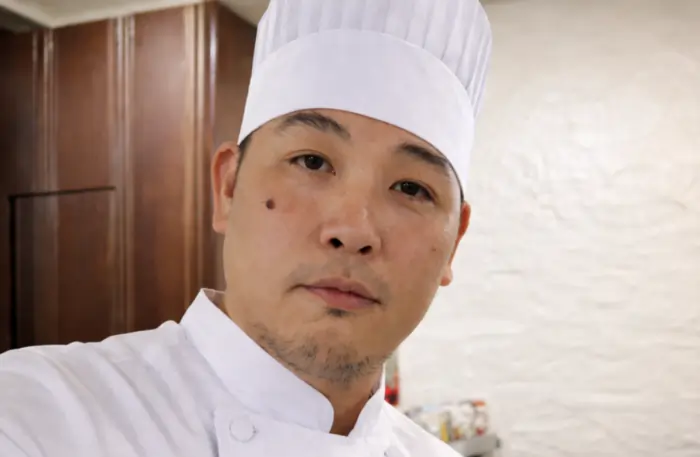
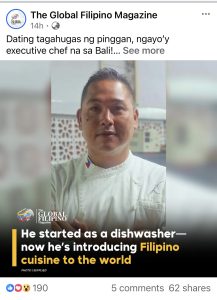
Chef Juan Gadi brings the heart of Filipino hospitality to Ubud, Bali. As an Executive Chef and consultant, he specializes in creating intimate, curated dining experiences that tell a story through every dish. Whether leading the kitchen at Kilig Filipino Warung or hosting a private villa dinner, Chef Juan’s approach is defined by warmth, modern technique, and a commitment to culinary excellence.