Why Traditional Filipino Recipes Are Passed Down Through Families Key Takeaways
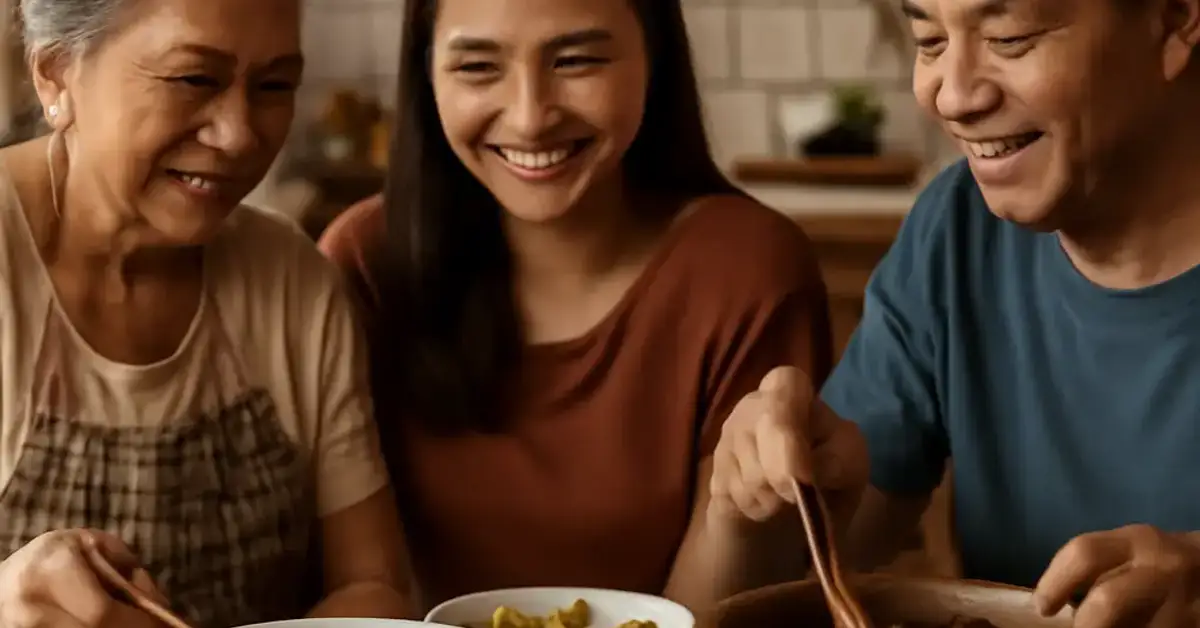
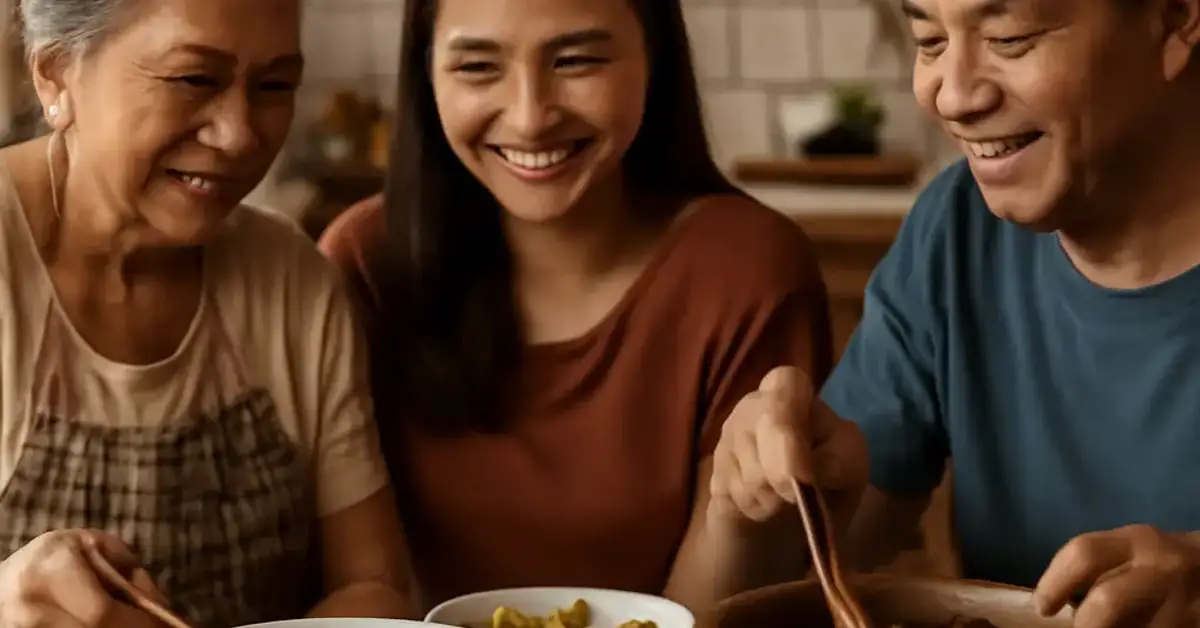
Traditional Filipino recipes are passed down through families as a living archive of identity, memory, and love.
- Why traditional Filipino recipes are passed down through families is rooted in the Filipino value of family unity, where cooking becomes an act of care and cultural preservation.
- Elder family members are the primary keepers of culinary knowledge, passing down techniques and stories through word-of-mouth and hands-on experience.
- Shared meals and festive gatherings reinforce food traditions, while modern digital tools now help preserve and share recipes globally without losing their essence.
Why Traditional Filipino Recipes Are Passed Down Through Families: A Heritage of Love and Identity
Growing up in a bustling Filipino kitchen, I learned early that cooking is never just about feeding the body. It is about feeding the soul. As an Executive Chef now based in Ubud, Bali, I carry the warmth of my grandmother’s adobo and the laughter of family feasts into every dish I create. Why traditional Filipino recipes are passed down through families is a question that touches the very heart of what it means to be Filipino. These recipes are not simply instructions for food; they are vessels of memory, identity, and belonging. They connect us to our ancestors, teach us resilience, and remind us that home is never far away when we share a meal. For a related guide, see Why Traditional Recipes Remain Important in Filipino Families.
This article explores the deep cultural roots of this culinary transmission, weaving together personal stories, historical context, and practical insights into how Filipino families keep their food heritage alive. Whether you are a diaspora Filipino longing for familiar flavors, a food historian curious about oral traditions, or a chef looking to understand the soul behind the dish, this journey into family cooking traditions will reveal why these recipes endure.
The Role of Elders in Teaching Recipes Through Oral Tradition and Hands-On Experience
In Filipino households, the kitchen is often the domain of the lola (grandmother) or nanay (mother). This is where oral tradition recipes come to life. There are no precise measurements written down—only handfuls, pinches, and “konting” (a little). The elder guides young hands through the process of pounding garlic, simmering vinegar, and tasting for balance. This apprenticeship is more than technique; it is a ritual of patience and respect.
What role do elders play in cooking traditions? They are the living libraries of Filipino cuisine heritage. They remember the original recipes from their own grandmothers, adapt them to available ingredients, and pass them down with the wisdom of survival. For example, my own lola taught me how to make chicken tinola by feeling the heat of the ginger in the pan and listening to the sizzle. No book could replicate that sensory learning. This hands-on experience ensures that intergenerational recipes stay authentic even as they evolve.
The Importance of Storytelling During Cooking
Food storytelling transforms the kitchen into a classroom. While chopping vegetables or stirring the pot, elders recount stories of hardships during wartime, celebrations of bountiful harvests, and the origins of each dish. These narratives embed cultural identity food deep within a child’s consciousness. The act of cooking becomes a way to preserve regional Filipino cuisine, teaching children not just how to cook, but why the dish matters to their family and community. This fusion of memory and method is why traditional Filipino recipes remain vibrant centuries later. For a related guide, see The Importance of Elders in Preserving Filipino Food Traditions: 7 Timeless Lessons.
How Home Cooking Strengthens Emotional Bonds Across Generations
The Filipino home kitchen is the emotional center of the household. Home cooking Philippines is not a chore; it is an expression of love. Why is home cooking important in Filipino culture? Because it is through shared meals that families communicate, celebrate, and heal. When a mother wakes early to prepare sinigang for a sick child, or a father learns to cook his mother’s pancit for family reunions, they are weaving Filipino family values of care and responsibility into the food.
Research from the University of the Philippines shows that family meals Philippines are a primary site for transmitting values like utang na loob (debt of gratitude) and pakikisama (harmonious relationships). How does food strengthen Filipino family bonds? The answer lies in the ritual of eating together—a practice that creates a safe space for sharing stories, resolving conflicts, and celebrating successes. This emotional bonding is why traditional Filipino recipes are passed down through families: they carry the warmth of those shared moments.
Preserving Regional Identity and Cultural Diversity Through Traditional Dishes
The Philippines is an archipelago of more than 7,000 islands, each with its own distinct culinary identity. From the coconut-rich dishes of Bicol to the seafood-based cuisine of Visayas, regional Filipino cuisine reflects the geography, history, and resources of each area. Traditional Filipino recipes serve as markers of regional pride. A family from Pampanga, for example, prides itself on sisig and bringhe, while Ilocanos treasure pinakbet and bagnet.
How do recipes carry cultural identity? They are encoded with local knowledge: which fish are in season, how to ferment patis (fish sauce), or the right variety of banana for turon. When a family emigrates, these recipes become even more precious. They are a portable homeland. During Filipino festivals food like Pahiyas or Ati-Atihan, families gather to prepare traditional dishes that have been made for generations, reinforcing cultural preservation food on a community scale. This diversity is a vital part of Filipino food culture, and its preservation ensures that future Filipinos can taste their ancestors’ land.
Fiestas, Holidays, and Religious Events: Transmitting Culinary Knowledge
Filipino celebrations are incomplete without a table overflowing with food. Christmas Eve’s Noche Buena, New Year’s Media Noche, and town fiestas are prime opportunities for cooking traditions Philippines to be passed from one generation to the next. During these events, families prepare their heirloom recipes—lechon, relyenong bangus, kare-kare, and bibingka—often in large quantities, with children and grandchildren helping in the preparation.
This is where the question how are traditions preserved through cooking? finds its most vivid answer. Food becomes the centerpiece of ritual, and the act of cooking together is a form of cultural rehearsal. The younger generation learns the timing of the lechon roast, the secret to flaky empanada crust, and the patience required for long-simmering stews. The transmission is natural, joyful, and repeated year after year, embedding Filipino dishes tradition into family memory.
The Role of Scarcity and Substitution in Shaping Adaptable Recipes
Filipino culinary history is also a story of resourcefulness. During wars, economic hardship, and migration, families had to adapt their recipes with available ingredients. This created a tradition of heritage cooking that is flexible yet recognizable. For example, families in the diaspora might use canned sardines instead of fresh bangus for paksiw, or substitute local vegetables for the traditional ones. These adaptations are not compromises; they are acts of cultural identity food resilience. The core flavors—sour, salty, sweet, and umami—remain intact, even if the ingredients change. This flexibility is a key reason why traditional Filipino recipes are passed down through families: they can travel and adapt without losing their soul.
How Migration and Diaspora Continue Recipe Traditions Abroad
Filipinos are one of the most widespread diaspora communities in the world. From the United States to the Middle East, Europe to Australia, diaspora Filipino food is a powerful connector. When a Filipino mother teaches her child abroad to make sinigang using frozen tamarind paste, or a father shows his son how to wrap lumpia with spring roll wrappers from the local supermarket, they are continuing a tradition that transcends geography.
How does diaspora affect recipe transmission? It accelerates adaptation while deepening the emotional importance of the food. The smell of adobo cooking in a foreign kitchen can evoke a flood of memories of home. Social media groups dedicated to family cooking traditions allow diaspora families to share tips, find rare ingredients, and preserve recipes. This digital platform has become a new form of oral tradition, ensuring that Filipino cuisine heritage thrives even thousands of miles from the archipelago.
The Impact of Written, Digital, and Social Media in Preserving Recipes Today
While oral tradition remains central, modern tools are playing an increasing role in preserving traditional Filipino recipes. Family cookbooks, blogs, YouTube channels, and Instagram accounts are now part of the transmission chain. Platforms like Facebook groups, TikTok videos, and recipe websites allow families to document and share their culinary heritage with a global audience. This is especially important for intergenerational recipes that might otherwise be lost when elders pass away.
For example, the YouTube channel “Pagluluto ni Lola” has millions of subscribers learning to cook classic Filipino dishes from an elderly grandmother. This digital preservation complements the hands-on teaching and ensures that even if a child cannot be in the kitchen with their lola, they can still learn the recipe. The question how do Filipino families preserve traditional food? now has an additional answer: through digital archives that capture the stories behind the food. This blend of old and new is vital for the continuity of culinary heritage in a fast-changing world.
Modern Lifestyles and the Evolution of Recipe Transmission
Contemporary Filipino families face challenges of time, urbanization, and convenience. Fast-paced city life can reduce the hours available for elaborate cooking, and younger generations may be less interested in learning time-consuming recipes. However, this does not mean transmission has stopped—it has evolved. Home cooking Philippines now includes shortcuts like using store-bought broth or pre-mixed seasoning packets, while still retaining the core Filipino dishes tradition.
The influence of modern lifestyles on the evolution of recipe transmission is evident in the rise of “reimagined” dishes. Chefs like myself, working abroad, reinterpret classics using local ingredients while honoring the original techniques. This fusion keeps the cuisine alive and relevant. The key is that the values behind the food—sharing, caring, preserving—remain unchanged. Traditional Filipino recipes are not static; they are living documents that adapt to the times without betraying their essence.
Frequently Asked Questions About why traditional Filipino recipes are passed down through families
Why are Filipino recipes passed down in families?
Filipino recipes are passed down as acts of love and cultural preservation, carrying memories, regional identity, and family values that strengthen bonds across generations.
How do Filipino families preserve traditional food?
Through oral tradition, hands-on teaching by elders, festive gatherings, and increasingly through digital documentation like videos and recipe blogs.
What role do elders play in cooking traditions?
Elders are the primary keepers of culinary knowledge, teaching techniques, sharing stories, and adapting recipes while maintaining core flavors and cultural meaning.
Why is home cooking important in Filipino culture?
It is a central expression of care, love, and family responsibility, where shared meals strengthen emotional bonds and reinforce cultural identity.
How do recipes carry cultural identity?
Recipes encode local ingredients, cooking methods, and stories unique to a region or family, serving as a portable heritage for diaspora communities.
How does food strengthen Filipino family bonds?
Family meals create a safe space for communication, celebration, and healing, turning cooking and dining into rituals of unity and belonging.
How are traditions preserved through cooking?
Traditions are preserved through repeated participation in holiday feasts, fiestas, and daily meals where recipes and techniques are practiced and passed on.
What are examples of Filipino family recipes?
Examples include adobo, sinigang, kare-kare, lumpia, pancit, lechon, bibingka, and regional specialties like sisig, pinakbet, and batchoy.
How does diaspora affect recipe transmission?
Diaspora accelerates adaptation and sharing of recipes globally, deepening emotional ties to food and prompting digital preservation to maintain traditions abroad.
Why is food important in Filipino heritage?
Food is a primary vehicle for transmitting values, history, and regional identity, serving as a tangible connection to ancestors and homeland.
What is the importance of intergenerational cooking as a form of cultural preservation?
It ensures that cooking techniques, stories, and values are passed directly from one generation to the next, keeping the cuisine alive and authentic.
How does food preparation become a bonding activity between parents, grandparents, and children?
Working together in the kitchen fosters teamwork, patience, and shared joy, creating lasting memories and strengthening emotional connections.
What is the significance of cultural pride in maintaining traditional cooking practices?
Cooking traditional dishes instills pride in one’s heritage, encouraging younger generations to value and continue their family’s culinary legacy.
How have digital and social media impacted recipe preservation?
Social media and blogs offer new platforms for sharing recipes, stories, and techniques, ensuring that even diaspora families can access and pass on traditions.
What role do regional dishes play in strengthening local identity within families?
Regional dishes ground families in their specific geographic and cultural origins, creating a sense of belonging and pride in their unique food heritage.
How do traditional recipes help preserve language, memory, and heritage?
Recipes include native ingredient names, cooking terms, and stories that preserve regional languages and the collective memory of communities.
What is the influence of modern lifestyles on the evolution of recipe transmission?
Busy schedules and urbanization have led to faster cooking methods and convenience ingredients, but families adapt while retaining the dish’s core identity.
What is the role of Filipino values such as family unity and respect for elders in food traditions?
Values like utang na loob and pakikisama are expressed through cooking and sharing meals, reinforcing the importance of family and respect for elders.
What is the importance of continuity and belonging through shared culinary practices?
Shared culinary practices create a sense of continuity across time and distance, providing a stable identity anchor for families, especially in diaspora.
What is the overall significance of family-based food transmission in sustaining Filipino cultural identity?
Family-based food transmission is the backbone of Filipino cultural identity, ensuring that future generations remain connected to their roots through every shared meal.
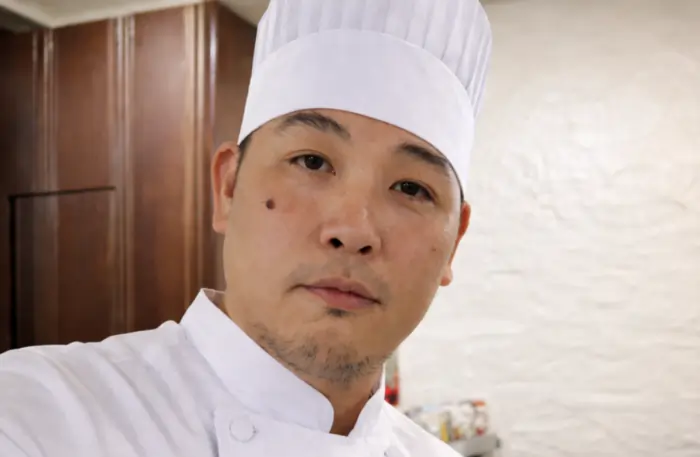
Chef Juan Gadi brings the heart of Filipino hospitality to Ubud, Bali. As an Executive Chef and consultant, he specializes in creating intimate, curated dining experiences that tell a story through every dish. Whether leading the kitchen at Kilig Filipino Warung or hosting a private villa dinner, Chef Juan’s approach is defined by warmth, modern technique, and a commitment to culinary excellence.