Food Connects Filipinos to Their Cultural Roots Key Takeaways
Filipino cuisine is far more than a list of ingredients—it is a living archive of memory, resilience, and belonging.
- Cooking traditional Filipino dishes preserves family history and strengthens cultural identity, especially for diaspora communities.
- Chef Juan Gadi’s intimate dining experiences in Bali show how modern techniques can honor and elevate heritage recipes.
- Shared meals around lumpia, sinigang, and lechon create moments of belonging that tie Filipinos to their homeland.
How Chef Juan Gadi Shows That Food Connects Filipinos to Their Cultural Roots
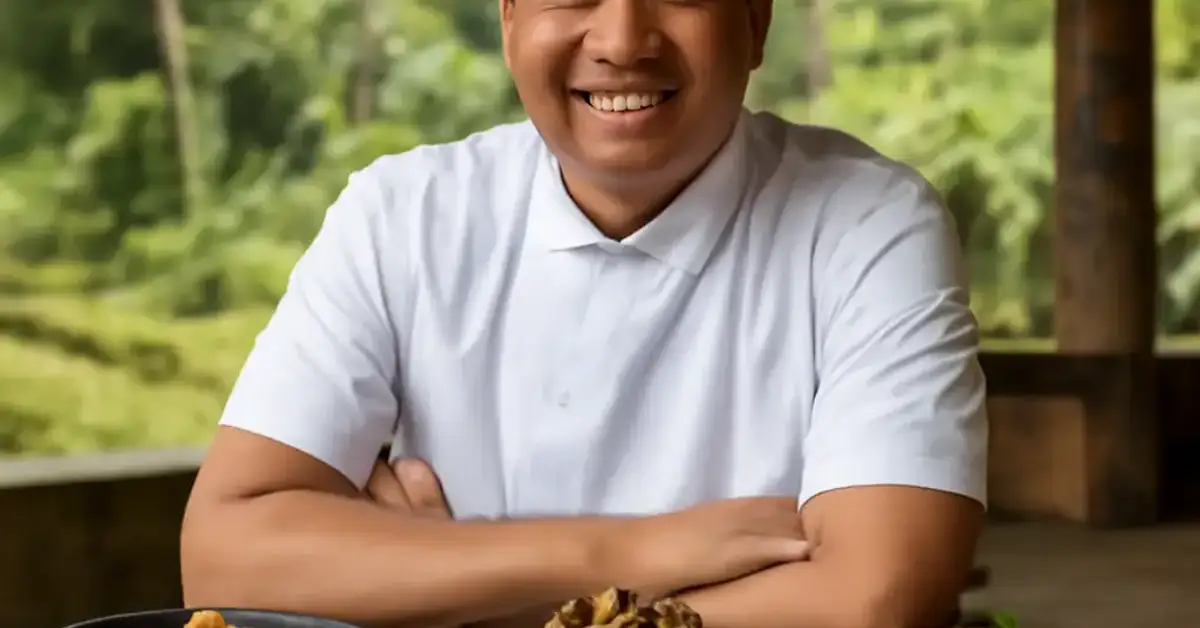
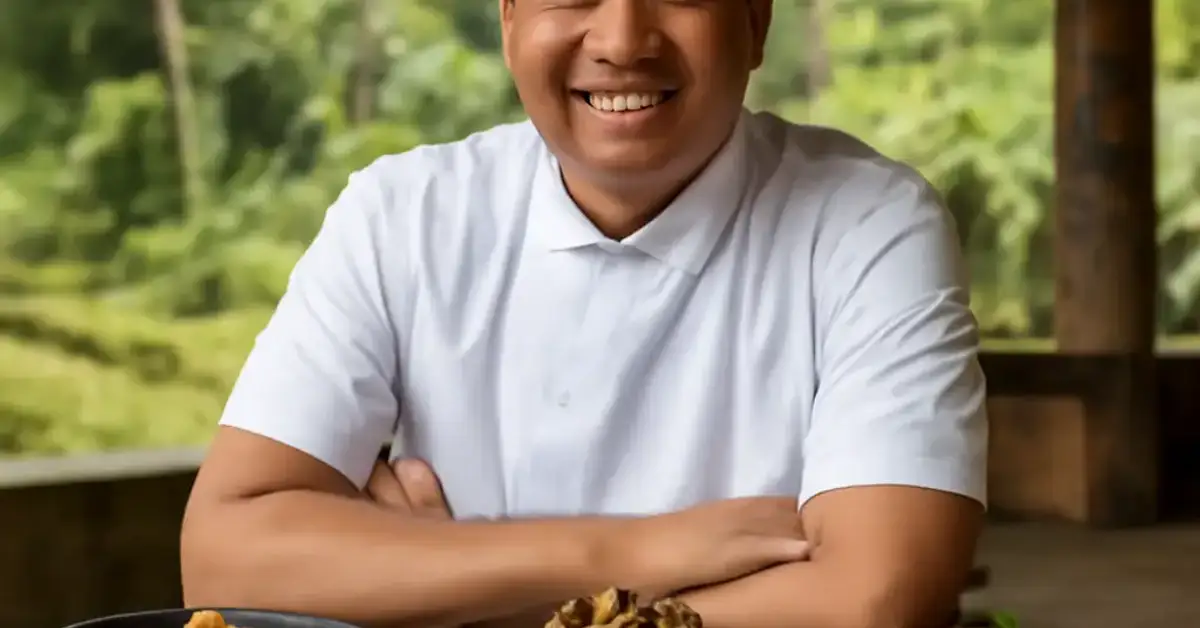
Chef Juan Gadi stands at the crossroads of tradition and innovation. At Kilig Filipino Warung in Ubud, Bali, he crafts dishes that start with a memory—his grandmother’s kitchen, the smell of burning coconut husks, the tang of calamansi picked from the backyard. For Chef Juan, every plate is a love letter to the Philippines. He brings the heart of Filipino hospitality to every guest, whether they are homesick Overseas Filipino Workers or curious travelers. Through his work, food connects Filipinos to their cultural roots by making heritage taste fresh and relevant again.
Filipino Food Culture Identity Begins at the Market
Walk through any palengke in the Philippines, and you will see the foundation of food connects Filipinos to their cultural roots. From purple ube to pungent bagoong, each ingredient carries a story. Chef Juan sources local Balinese produce with the same reverence he would give a market in Pampanga or Iloilo. He believes that the act of choosing ingredients—smelling the ginger, feeling the weight of a young coconut—is the first step in reclaiming cultural identity. For diaspora families, recreating that market experience in a foreign land becomes a ritual that keeps Filipino food culture identity alive.
The Ingredients That Define Home
Key ingredients like patis (fish sauce), siling labuyo, and day-old rice are not just pantry staples. They are cultural anchors. When a Filipino mother in California fries garlic in patis, the scent alone can transport her children to the province they have never visited. Chef Juan uses these same ingredients in his Balinese kitchen to build bridges between two island cultures, demonstrating that food connects Filipinos to their cultural roots no matter where they cook.
Personal Anecdotes: Diaspora Families and the Kitchen
Maria, a nurse in Dubai, learned to make chicken relleno from her grandmother’s handwritten recipe. She prepares it every Christmas, even though the quail eggs are hard to find and the ground pork never tastes exactly the same. “When I serve this dish,” she says, “I am not just feeding my family. I am feeding our history.” Stories like Maria’s are common across the Filipino diaspora. Food connects Filipinos to their cultural roots by turning ordinary meals into ceremonies of remembrance. Chef Juan hears these stories from his guests in Bali, and they inspire him to keep innovating while staying true to the soul of each dish. For a related guide, see 8 Cultural Foods That Keep Every Filipino Root So Alive.
Celebrations and Identity: Feasts That Bind Generations
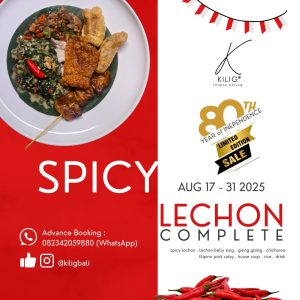
No Filipino celebration is complete without a table groaning under the weight of lechon, pancit, and bibingka. These feasts are not just about abundance—they are about belonging. During a town fiesta or a family reunion, the act of sharing food reaffirms community ties. Chef Juan recreates this spirit in his private villa dinners, where guests gather under the Balinese sky to share a meal that tastes like home. He explains that food connects Filipinos to their cultural roots especially during celebrations, because the rituals around serving and eating mirror the values of hospitality and togetherness that define Filipino culture. For a related guide, see 8 Ways Filipino Cuisine Connects Cultures in Bali.
| Festival or Occasion | Traditional Dish | Cultural Meaning |
|---|---|---|
| Christmas Eve (Noche Buena) | Queso de Bola, hamon, bibingka | Family reunion and gratitude |
| Birthday | Pancit | Long life and prosperity |
| Fiesta | Lechon, kare-kare, lumpia | Community celebration and abundance |
| Holy Week | Biko, suman, salabat | Penance and simplicity |
Modern Influences and the Back-to-Roots Movement
Young Filipino chefs and home cooks are rediscovering heirloom recipes. Social media has fueled a back-to-roots movement where fermented ingredients like burong isda and tapuy (rice wine) are being revived. At the same time, fusion dishes—such as sisig tacos or ube lattes—are introducing Filipino flavors to a global audience. Chef Juan embraces this trend but cautions against losing the story behind the dish. He believes that food connects Filipinos to their cultural roots only when the cook understands the why, not just the how. His kitchen in Ubud is a laboratory where tradition and technique meet, but respect for the original flavor always wins.
How Chef Juan Balances Tradition and Innovation
Instead of using instant mixes, he ferments his own calamansi and makes his own bagoong. He substitutes local Balinese belimbing for kamias when necessary, but he always explains the substitution to his guests. This transparency turns a meal into an education. For Chef Juan Gadi Filipino cuisine is not a static museum piece—it is a living, breathing art form that can adapt without losing its identity.
Chef Juan’s Call to Reconnect Through Cooking
Chef Juan invites every Filipino—whether living in Manila, Madrid, or Manila, Arkansas—to pick up a ladle and cook one traditional dish this week. It does not have to be perfect. It does not have to be authentic by purist standards. What matters is the intention. When you grate coconut by hand, when you boil pork bones for sinigang broth, when you share that meal with someone you love, you are proving that food connects Filipinos to their cultural roots. Chef Juan’s story in Bali is one example among millions. Every kitchen holds the same power.
Useful Resources
To explore more about Filipino food heritage and the role of cuisine in cultural identity, visit these trusted sources:
- Pepper.ph – A comprehensive guide to the history and evolution of Filipino cuisine, from pre-colonial times to modern day
- Rappler – Feature on how Filipino food preserves identity among diaspora communities around the world
Frequently Asked Questions About Food Connects Filipinos to Their Cultural Roots
Why is food so important to Filipino culture?
Food in Filipino culture is a symbol of hospitality, family unity, and community. Sharing a meal strengthens bonds and passes down traditions from one generation to the next.
How does food connect Filipinos to their cultural roots?
Cooking and eating traditional Filipino dishes like adobo, sinigang, and kare-kare evokes memories of home and family, reinforcing cultural identity even when living abroad.
What is Chef Juan Gadi known for?
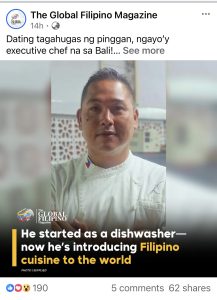
Chef Juan Gadi is an Executive Chef in Ubud, Bali, known for creating intimate, story-driven Filipino dining experiences that blend modern technique with deep respect for tradition.
What is the most iconic Filipino dish?
Adobo is widely considered the national dish, but many Filipinos also claim sinigang, lechon, and pancit as cultural icons.
How does the Filipino diaspora maintain food traditions?
Overseas Filipinos recreate family recipes, seek out Asian grocery stores for key ingredients, and pass down cooking methods to their children to keep traditions alive.
What role does food play in Filipino celebrations?
Food is central to all Filipino celebrations, from Christmas Noche Buena to birthday pancit and fiesta lechon, symbolizing abundance, gratitude, and community.
Is Filipino cuisine becoming popular globally?
Yes, Filipino cuisine is gaining international recognition through chefs like Chef Juan Gadi, food festivals, and the rise of Filipino restaurants in major cities.
What ingredients are essential in Filipino cooking?
Essential ingredients include patis (fish sauce), calamansi, siling labuyo, bagoong, ube, coconut milk, and day-old rice.
How can I start cooking Filipino food at home?
Begin with simple dishes like adobo or sinigang. Watch tutorials from Filipino chefs, visit an Asian grocery store, and don’t be afraid to adjust flavors to your taste.
What is the back-to-roots movement in Filipino cuisine?
This movement involves reviving heirloom recipes, traditional fermentation techniques, and native ingredients that were replaced by processed alternatives.
Why do Filipinos eat with their hands sometimes?
Eating with hands, or kamayan, is a traditional practice that enhances the sensory experience of food and is often used in communal feasts to strengthen bonds.
What is the significance of rice in Filipino meals?
Rice is the staple grain and the foundation of nearly every Filipino meal, representing sustenance, comfort, and land connection.
How does Chef Juan Gadi incorporate Filipino flavors in Bali?
He sources local Balinese ingredients that mirror Filipino ones, ferments his own condiments, and educates guests about the cultural background of each dish.
What are the common misconceptions about Filipino food?
Some people think it is overly salty or heavy, but Filipino cuisine is incredibly diverse, featuring sour, savory, sweet, and bitter flavors in balanced combinations.
Can Filipino food be healthy?
Many traditional Filipino dishes use fresh vegetables, lean proteins, and fermented foods that offer probiotic benefits. Healthier versions involve less oil and more vegetables.
What is a typical Filipino breakfast?
A classic breakfast includes sinangag (garlic fried rice), itlog (egg), and a protein like tocino, longganisa, or tapa, often served with vinegar dipping sauce.
How do Filipino chefs honor their heritage?
They study family recipes, use traditional cooking methods, educate diners about the origins of ingredients, and innovate without losing the core identity of the dish.
What is the best way to learn about Filipino food culture?
The best way is to cook with a Filipino family, visit local markets in the Philippines, and read books or articles by Filipino food historians and chefs.
Are there Filipino food festivals in Bali?
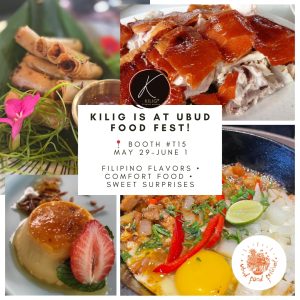
Chef Juan Gadi occasionally hosts pop-up dinners and events at Kilig Filipino Warung in Ubud, bringing Filipino food culture to the international community in Bali.
What does the future hold for Filipino cuisine?
The future is bright, with a growing global appreciation for its bold flavors, deeper research into heirloom ingredients, and passionate chefs leading the way.
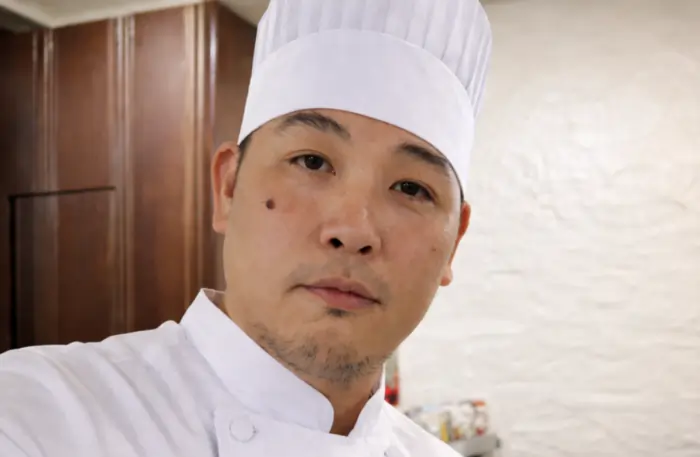
Chef Juan Gadi brings the heart of Filipino hospitality to Ubud, Bali. As an Executive Chef and consultant, he specializes in creating intimate, curated dining experiences that tell a story through every dish. Whether leading the kitchen at Kilig Filipino Warung or hosting a private villa dinner, Chef Juan’s approach is defined by warmth, modern technique, and a commitment to culinary excellence.