
Exploring Bali Through Its Morning Rituals Key Takeaways
When the first light touches the rice terraces of Ubud, the island wakes not with a jolt of caffeine but with a quiet act of devotion.
- Exploring Bali Through Its Morning Rituals reveals how daily offerings and temple visits ground the community in gratitude.
- Authentic engagement with Bali morning rituals transforms a typical holiday into a meaningful cultural immersion.
- Understanding daily life in Bali —from market mornings to family traditions—enriches any visit with depth and respect.
What Makes Bali Morning Rituals a Window Into Balinese Soul
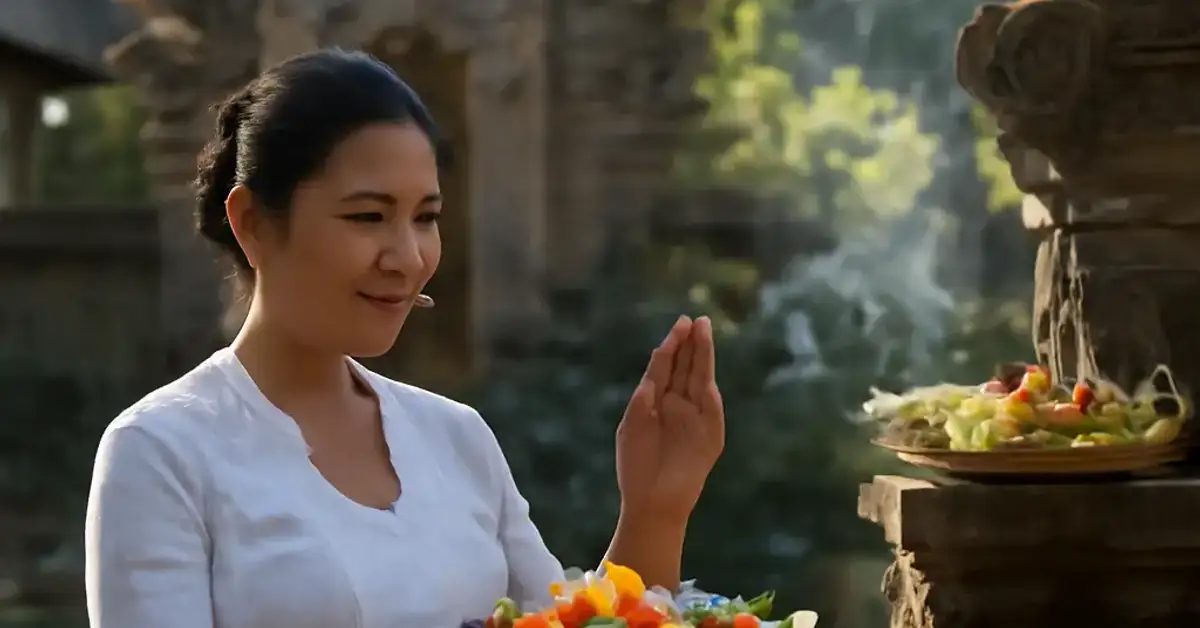
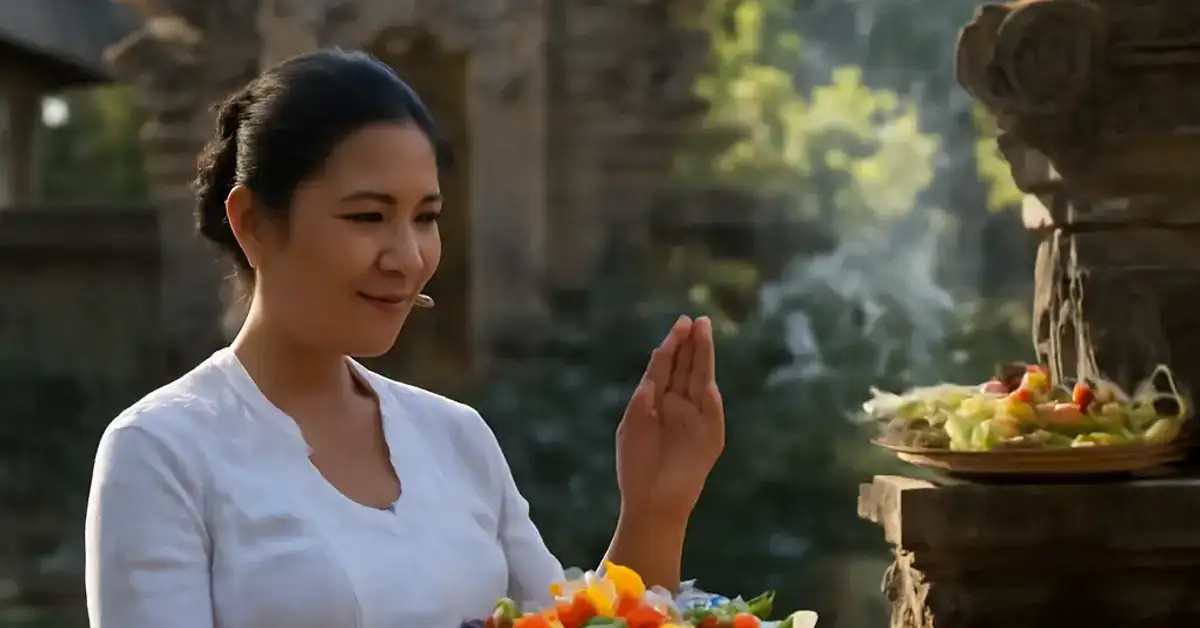
When the first light touches the rice terraces of Ubud, the island wakes not with a jolt of caffeine but with a quiet act of devotion. Balinese offerings, small woven baskets called canang sari, appear on doorsteps, car dashboards, and temple steps. These tiny parcels of flowers, rice, and incense are the first pulse of daily life in Bali. For someone like Chef Juan Gadi, who moved from the Philippines to create a new culinary home in Ubud, these mornings became a daily lesson in Balinese values. For a related guide, see 10 Filipino and Balinese Food Similarities Explained.
As Chef Juan often explains to guests at his Kilig Filipino Warung, the act of making an offering is not about the object itself—it is about the intention. Balinese spirituality weaves through every hour, but the morning holds a special sanctity. The temple visits that follow are not obligatory in a Western sense; they are an organic response to a culture that places harmony—between humans, nature, and the divine—above all else.
The First Light: Morning Ceremonies and the Role of Offerings
Before the rooster crows, Balinese women begin their day with a chore that is also a prayer. They gather at local markets to buy flowers, then sit on their heels weaving palm leaves into containers. This is not a rushed task. Cultural traditions dictate that every color, every flower, every grain of rice carries symbolic meaning. White represents the east, red the south, yellow the west, and blue or green the north. Together, they honor the gods, the ancestors, and the demons—a trinity that coexists in Balinese cosmology.
For travelers seeking authentic Bali experiences, witnessing this process is more memorable than any temple tour. Chef Juan recalls the first time a neighbor in his village life in Ubud invited him to help prepare the offerings. “She didn’t teach me with words,” he says. “She placed my hands over hers and guided the palm leaf. That gesture—patient, warm, wordless—was my first real lesson in Balinese hospitality.”
Why Daily Offerings Are Important in Balinese Culture
To answer the question Why are daily offerings important in Balinese culture?, one must understand the concept of Tri Hita Karana—the three causes of well-being: harmony with God, harmony with people, and harmony with nature. The daily offerings are a physical embodiment of this philosophy. Every morning, Balinese people renew their relationship with the seen and unseen world. This is not a once-a-week event; it is the rhythm of everyday life on the island. For a related guide, see 11 Filipino Dining Habits That Match Bali Living.
These rituals also serve as a social glue. Community gatherings often begin with collective offerings. In traditional Bali lifestyle, no one makes an offering only for themselves. A family might place extra offerings for neighbors who are sick or traveling. The act reinforces interdependence. As Chef Juan likes to say, “In the kitchen, we talk about mise en place—having everything in its place. In Bali, the morning ritual is the mise en place for the day.”
Following the Rhythm of Local Life in Bali: From Market to Temple
Once the offerings are placed, the island begins to stir. The local markets of Ubud, Sukawati, and Badung burst into a hive of activity. Farmers arrive with pyramids of mangoes, dragon fruit, and snake skin fruit. The air smells of clove cigarettes and fresh lemongrass. This is local life in Bali at its most vibrant. For the cultural traveler, the morning market is the best classroom for understanding Balinese customs.
Chef Juan visits the Ubud market before sunrise three times a week. He knows which vendor has the best turmeric, which farmer’s jackfruit is perfectly ripe. But beyond the ingredients, he observes the social choreography. A seller might offer a discount to a regular customer, then spend ten minutes chatting about her son’s exam. Balinese daily routines are woven with family traditions and care. The market is not just a place to buy food—it is a place to reaffirm community life.
Sunrise Activities That Define the Island’s Character
After the market, many Balinese head to a nearby temple visits for a short prayer. They wear a kamen (sarong) and a sash, a simple uniform that signals respect. In smaller villages, you might see a morning ceremonies at the pura desa (village temple), where the priest blesses holy water. Each person takes a sip, then sprinkles some on their head. It is a quick, intimate act—not a grand spectacle. Yet it defines Balinese culture and traditions more than any postcard.
Travelers who join these moments do so by invitation or by quiet observation. Cultural immersion in Bali is not about buying a ticket; it is about showing up early, dressing appropriately, and sitting still. As Chef Juan advises his guests, “Don’t try to photograph everything. Just sit. Let the incense wash over you. Listen to the gamelan rehearsal in the distance. That is the real Bali.”
Community Gatherings and the Spirit of Gotong Royong
In Balinese villages, mornings are also a time for collective work. Community gatherings known as gotong royong bring neighbors together to clean the irrigation canals, repair a temple roof, or prepare a festival. This system of mutual help is a pillar of Balinese daily routines. It cuts across social status and age. The village chief might sweep leaves alongside a teenager. Everyone contributes.
For the traveler, this is often invisible. But those who stay in village life homestays or participate in a traditional Bali lifestyle program will witness it. Chef Juan once helped a neighbor rebuild a collapsed fence. “It wasn’t about the fence,” he recalls. “It was about showing up. In Bali, your presence is your offering. That’s something I try to bring into my kitchen every day.”
How Spiritual Practices in Bali Shape Everyday Actions
It is easy to assume that spiritual practices in Bali are confined to temples. In reality, they permeate every decision. A farmer might offer a prayer before planting rice. A driver might honk three times before crossing a river to ask permission from the river spirit. Even a chef like Chef Juan, who runs a modern Filipino restaurant, finds himself instinctively pausing before lighting the stove to offer a quiet word of thanks.
This integration of the sacred and the mundane is what makes Bali cultural experiences so profound. It is not about being religious in a dogmatic way; it is about living with awareness. Traditional customs remind people that they are part of a larger ecosystem. When a Balinese woman places a small offering on the ground, she is asking permission to walk on the earth. She is, in a small way, healing the separation between human and nature.
What Role Does Spirituality Play in Everyday Life on the Island
To the question What role does spirituality play in everyday life in Bali?, the answer is: it is the air they breathe. Spirituality is not a compartment. It is present in the way a host greets a guest with Om Swastiastu (may peace be with you). It is present in the way a taxi driver stops to leave an offering at a roadside shrine. It is present in the careful, unhurried preparation of a meal. For Chef Juan, this had a direct impact on his cooking. “In the Philippines, we cook with passion. In Bali, I learned to cook with prayer. They are different energies. Both are beautiful.”
How Local Communities Maintain Traditional Practices
Despite modernization, many Balinese villages have maintained their traditional practices through a system called banjar. A banjar is a neighborhood association that handles everything from temple ceremonies to waste management. Every adult Balinese belongs to a banjar, and participation is non-negotiable. This structure ensures that cultural heritage is passed down, not as a museum piece, but as a living, evolving practice.
Young people in Bali grow up weaving offerings alongside their grandmothers. They learn the complex calendar of temple festivals by instinct. Family traditions are reinforced during every full moon and new moon. For travelers, this continuity is humbling. Bali community life is not something that needs to be revived; it is something that never stopped.
What Can Travelers Learn From Bali’s Daily Life
The most common question Chef Juan hears from visitors is, “How can we experience the real Bali?” The answer often surprises them: slow down. Authentic travel in Bali is not about crossing off a checklist of waterfalls and swing sets. It is about waking up early, walking through the village, and noticing the morning traditions in Bali that have been practiced for centuries.
Travelers who take the time to observe—without interfering—learn profound lessons in mindfulness. Balinese daily routines are not efficient by Western standards. They are repetitive, deliberate, and deeply satisfying. The act of Exploring Bali Through Its Morning Rituals becomes a mirror for the traveler’s own pace of life.
How Can Travelers Respectfully Experience Balinese Culture
Respecting Balinese culture begins with simple gestures. Dress modestly when leaving your accommodation. Lower your voice near temples. Never touch the offerings on the ground—they are not litter. Ask before taking photographs. Learn a few words of Balinese or Indonesian. Local interactions are always warmer when you try.
Chef Juan often invites guests of his private villa dinners to join him for a morning market visit. “In the market, I don’t translate everything. I let them smell, taste, and watch. That’s how you learn. No guidebook can replace the feeling of a Balinese farmer handing you a fresh mangosteen and smiling.”
Authentic Bali Experiences Beyond Tourist Attractions
What authentic experiences can visitors enjoy beyond tourist attractions? Participate in a village life cooking class. Attend a temple morning ceremonies during a full moon. Volunteer in a community gatherings clean-up day. Hire a local guide who grew up in the area, not one who learned history from a script. These are the moments that turn a trip into a cultural exchange.
Chef Juan’s own journey from Manila to Ubud was a search for authentic Bali experiences. He found them not in the tourist brochures but in the everyday. “The best thing I ever did was accept an invitation to a neighbor’s home temple ceremony. I didn’t understand a word of the prayers. But I understood the feeling. That is what I want for every traveler who comes to Bali.”
Practical Tips for Witnessing Morning Traditions in Bali
If you want to experience these morning traditions in Bali firsthand, start with your choice of accommodation. Stay in a village life homestay rather than a large resort. Set an alarm for 5:30 AM. Walk outside and find a spot to sit—on a temple step, a rice paddy edge, or a quiet street corner. Watch without expectation. You will see the offerings placed, hear the gamelan start, and feel the temperature shift as the sun rises.
A Table of Common Morning Rituals and Their Meanings
| Ritual | Time | Cultural Significance |
|---|---|---|
| Placing Balinese offerings (canang sari) | 5:30–6:30 AM | Daily gratitude and harmony maintenance |
| Temple visits for holy water blessing | 6:30–7:30 AM | Spiritual purification and community connection |
| Local markets shopping | 6:00–8:00 AM | Social bonding and support for local farmers |
| Community gatherings (gotong royong) | 7:00–9:00 AM | Collective maintenance and mutual aid |
| Morning ceremonies at village temple | Varies by calendar | Renewing relationship with divine forces |
How Do Bali’s Morning Traditions Create a Deeper Travel Experience
When you participate—even as a respectful observer—in Bali’s morning traditions, you stop being a tourist and become a guest. The island opens up. A vendor might give you an extra banana. A priest might nod at you during the blessing. These small acknowledgments are the reward of cultural humility. Exploring Bali Through Its Morning Rituals is not about having an itinerary; it is about having an attitude of openness.
Useful Resources
For travelers who want to deepen their understanding of Balinese culture and traditions, the following resources are excellent starting points.
- Balinese Culture and Traditions: A comprehensive archive of articles on temple ceremonies, daily rituals, and the philosophy of Tri Hita Karana. This site is maintained by cultural scholars based in Denpasar.
- Guide to Balinese Morning Rituals: A practical guide published by Now! Bali, covering the exact steps of making offerings, temple etiquette, and where to observe rituals respectfully as a visitor.
Frequently Asked Questions About Exploring Bali Through Its Morning Rituals
What are the most common morning rituals in Bali?
The most common rituals include preparing and placing Balinese offerings, performing temple visits for holy water, shopping at local markets, and participating in community gatherings like cleaning or temple preparation.
How do Balinese people start their day?
Most Balinese start the day with a short prayer and the placement of canang sari offerings outside their home or business. Women often visit local markets early, while men may tend to village life duties or head to the rice fields.
Why are daily offerings important in Balinese culture?
Daily offerings are a physical expression of Tri Hita Karana, the philosophy of harmony with God, people, and nature. They renew balance and gratitude each day and are central to Balinese culture and traditions.
What can travelers learn from Bali’s daily life?
Travelers can learn the value of presence, community interdependence, and slow intentionality. Observing daily life in Bali teaches that happiness is found in small, repeated acts of care.
How do morning traditions reflect Balinese values?
Morning traditions in Bali reflect values such as gotong royong (mutual help), susila (good conduct), and respect for the unseen world. They are rooted in traditional Bali lifestyle and passed down through generations.
Where can visitors observe authentic Balinese rituals?
Visitors can observe rituals at village life temples like Pura Desa in any traditional banjar, early morning at local markets, and during morning ceremonies that are open to the public. Always ask permission first.
What role does spirituality play in everyday life in Bali?
Spiritual practices in Bali are not separate from daily life. They inform how people eat, work, travel, and interact. Every activity is done with awareness of the divine and the natural world.
How do local communities maintain traditional practices?
Through the banjar system, a neighborhood association that organizes community gatherings, temple ceremonies, and mutual aid. This structure ensures that cultural heritage is passed down to each generation.
What makes Bali’s daily routines unique?
Balinese daily routines are unique because they combine work, family, and spirituality seamlessly. Even a trip to the local markets involves social connection, bargaining with kindness, and an offering to the market spirit.
How can travelers respectfully experience Balinese culture?
Dress modestly, speak softly near temples, never touch offerings, ask before taking photos, and learn a few words of Indonesian or Balinese. Engage in local interactions with humility and openness.
What happens in Balinese villages during the morning?
Villages wake with the placement of offerings, temple visits, the sound of morning ceremonies, and the start of community gatherings for shared labor. It is a quiet but lively start to the day.
Why are cultural rituals an important part of life in Bali?
Cultural traditions provide structure, identity, and a sense of belonging. They connect individuals to their ancestors, their community, and the land. Without them, daily life in Bali would lose its spiritual grounding.
How do family and community influence daily life in Bali ?
Family traditions and community life shape everything from meal times to ceremonies. Balinese people rarely act alone; decisions are made with the banjar or extended family in mind.
What authentic experiences can visitors enjoy beyond tourist attractions?
Join a village life cooking class, attend a morning ceremonies at a local temple, volunteer in a community gatherings clean-up, or take a local interactions walking tour with a resident guide.
How do Bali’s morning traditions create a deeper travel experience?
By aligning your morning with local rhythms—waking early, observing offerings, visiting markets—you shift from sightseeing to cultural immersion in Bali. The experience becomes internal, not just visual.
What is a canang sari offering?
A canang sari is a small woven basket filled with flowers, rice, and sometimes money or snacks. It is the most common Balinese offerings and is placed on the ground or altar as a daily tribute.
Do travelers need to participate in offerings?
No, participation is not required. However, authentic travel experiences often include invitations from locals. If invited, accept respectfully and follow the host’s guidance.
Are there specific times for morning temple visits?
Most temple visits for holy water occur between 6:30 AM and 8:00 AM. Major temple festivals may have earlier or later schedules. Check with your local interactions guide for exact times.
How can solo travelers engage with local culture?
Solo travelers can join a village life homestay, take a cooking class with Chef Juan, attend a public morning ceremonies, or volunteer in community gatherings. Being alone in Bali is an advantage—it makes you approachable.
What should visitors avoid during morning rituals?
Avoid stepping on offerings, wearing revealing clothing near temples, speaking loudly, and photographing people without permission. Respect the traditional customs of modesty and silence during prayer.
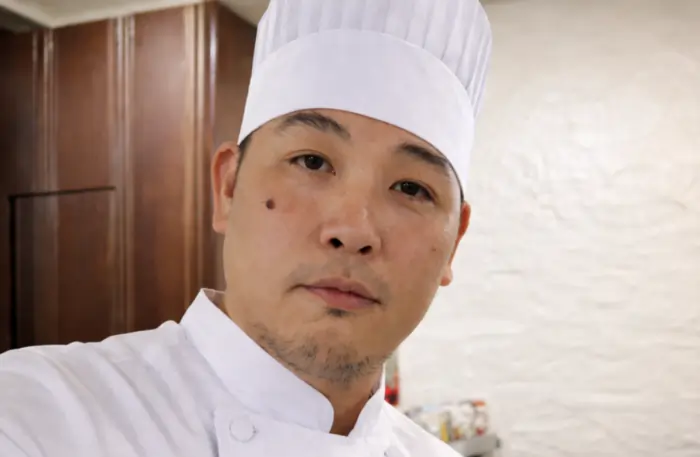
Chef Juan Gadi brings the heart of Filipino hospitality to Ubud, Bali. As an Executive Chef and consultant, he specializes in creating intimate, curated dining experiences that tell a story through every dish. Whether leading the kitchen at Kilig Filipino Warung or hosting a private villa dinner, Chef Juan’s approach is defined by warmth, modern technique, and a commitment to culinary excellence.