
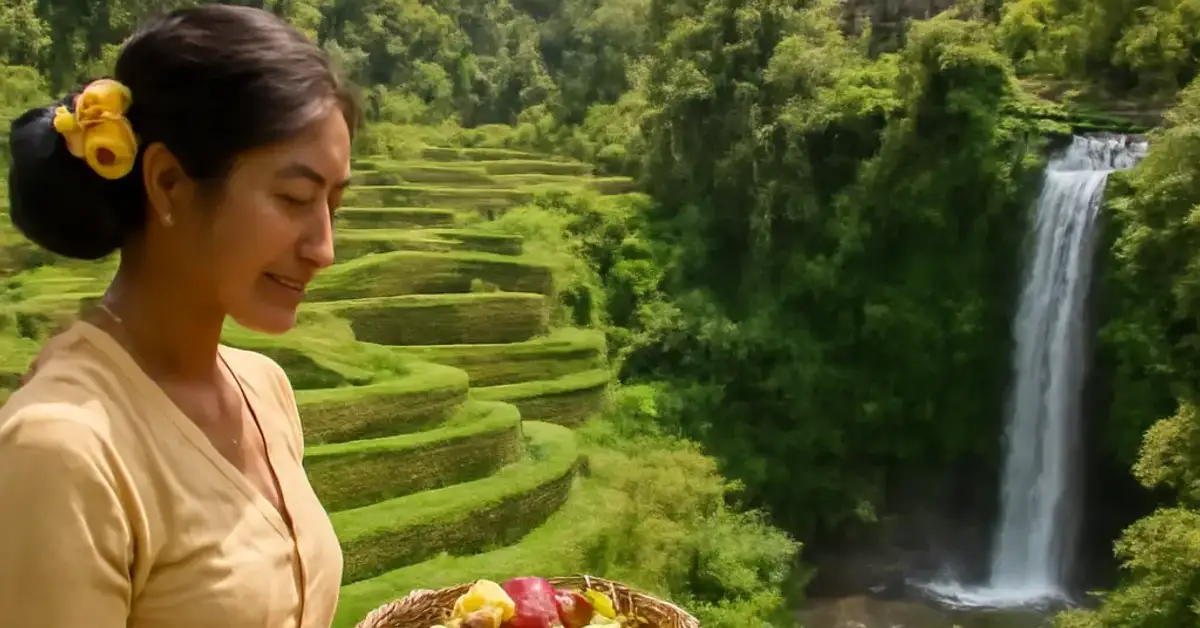
Why Bali Is More Than Just a Beach Destination Key Takeaways
Most first-time visitors picture Bali as an endless stretch of golden sands and turquoise surf.
- Why Bali Is More Than Just a Beach Destination becomes clear the moment you step inland — rice terraces , waterfalls , and local villages reveal a side of the island that postcards rarely show.
- Unique experiences in Bali include sunrise treks up active volcanoes, hands-on art and crafts workshops, and immersive wellness retreats that have made the island a global hub for spiritual tourism .
- Hidden gems in Bali like the northern coast’s black sand beaches and the eastern regency’s untouched nature escapes prove that Bali adventure travel is just as rewarding as its famous sunset bars.
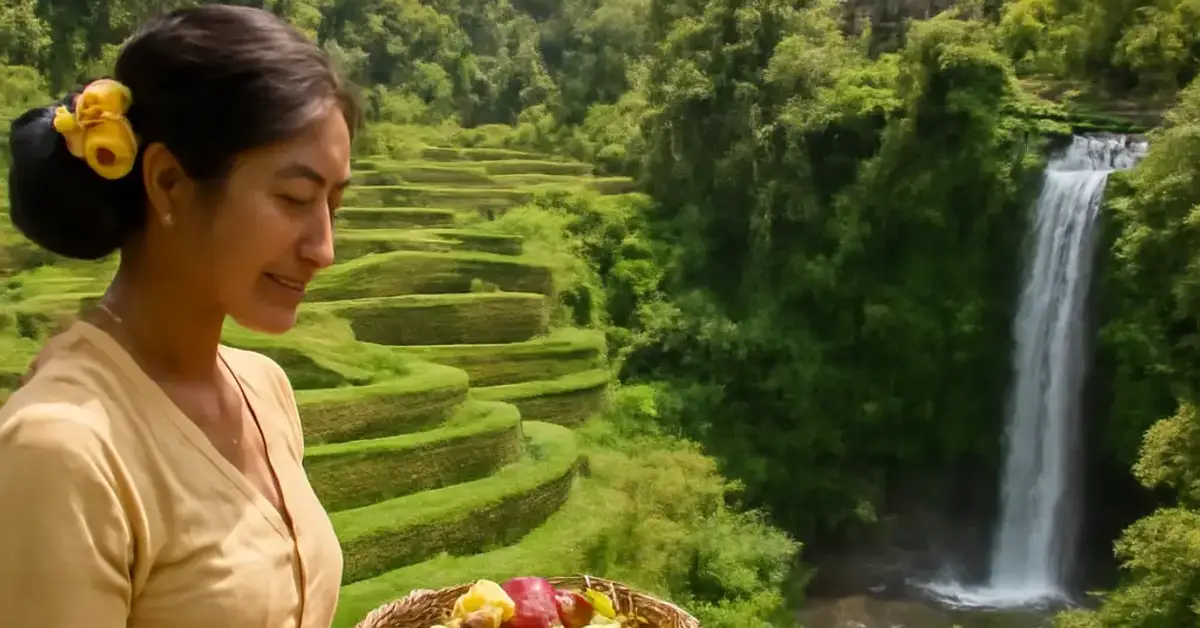
Why Bali Is More Than Just a Beach Destination: A Deeper Look at the Island’s True Character
When you search for travel inspiration online, the algorithm serves you infinity pools overlooking the Indian Ocean and surf breaks at Uluwatu. Those images are real, but they tell only half the story. The authentic Bali experiences that travelers remember for a lifetime happen inland — in the heart of the island where tradition still pulses through daily life. For a related guide, see Exploring Bali Through Its Morning Rituals and Daily Life.
Bali’s nickname, “Island of the Gods,” comes not from its beaches but from its thousand-year-old Balinese traditions. Every morning, the smell of incense and frangipani drifts through family compounds. Cultural immersion here means joining a temple ceremony, not just taking a selfie at the gate. This is the Bali that rewards curiosity.
The reasons to visit Bali extend far beyond swimming and sunbathing. Travelers who venture inland discover a landscape shaped by volcanic eruptions, terraced farming techniques passed down through generations, and a spiritual rhythm that governs everything from architecture to art. Bali travel destinations like the central highlands and the eastern coast offer a completely different experience from the crowded south.
Ubud Culture: The Artistic and Spiritual Heart of the Island
No conversation about Bali beyond the beaches can begin without mentioning Ubud. This town in the central foothills has become synonymous with Ubud culture — a blend of traditional art, yoga, organic food, and temple architecture that draws travelers seeking meaning as much as relaxation.
Walking through Ubud’s narrow streets, you pass galleries selling hand-carved wooden masks, open-air dance performances at the royal palace, and warungs serving nasi campur with ingredients from the surrounding farms. The cultural heritage here is living, not preserved behind glass. Every full moon, the village temples host ceremonies where visitors are welcomed respectfully.
Exploring the Sacred Monkey Forest and Surrounding Temples
The Ubud Monkey Forest is more than a tourist attraction — it is a sacred site where three ancient temples sit within a lush jungle canopy. The monkeys are considered guardians, and the forest itself is a protected area that demonstrates the Balinese philosophy of Tri Hita Karana: harmony between people, nature, and the gods.
Art and Crafts Workshops in Ubud’s Creative Enclaves
Ubud is the epicenter of art and crafts in Bali. Villages like Mas (wood carving), Celuk (silversmithing), and Batubulan (stone carving) offer hands-on workshops where you can spend a morning learning from master artisans. These unique experiences in Bali connect you to the island’s creative heartbeat in a way that no beach resort can replicate.
Rice Terraces and Waterfalls: The Iconic Inland Landscapes
The postcard image of Bali’s rice terraces is not a photoshopped fantasy — it’s a working agricultural system that has shaped the island’s geography for over a millennium. The tegallalang rice terraces near Ubud are the most famous, but the true magic lies in the quieter ones like Jatiluwih, a UNESCO World Heritage site where you can walk for hours without seeing another tourist.
Waterfalls are another signature of Bali nature and culture. Unlike the wide, shallow falls you might expect, many of Bali’s cascades plunge into deep, emerald pools surrounded by jungle. Sekumpul, Gitgit, and Tegenungan each offer a different mood — from crowded swim spots to secluded plunges that require a hike through local villages to reach.
Sustainable Tourism in the Rice Terrace Region
As visitor numbers grow, the Subak irrigation system — a cooperative water management method that dates back to the 9th century — faces pressure from overdevelopment. Sustainable tourism practices are now essential. Choosing a guide from the local community and avoiding drones in sensitive areas helps preserve these nature escapes for future generations.
Temples and Balinese Traditions: Spiritual Sites Beyond the Coast
Bali is often called a “thousand-temple island,” and the count may actually be higher. While Tanah Lot and Uluwatu draw crowds for their oceanfront settings, many of the most profound Bali cultural attractions lie inland. Besakih Temple, known as the “Mother Temple,” sits nearly 1,000 meters up the slopes of Mount Agung. Its nine tiers represent the nine directions of the Hindu cosmos.
Balinese traditions are woven into every visit. Before entering any temple, you must wear a sarong and sash — a small act that signals respect and participation. Attending a temple festival, or odalan, offers a glimpse of the island’s spiritual tourism at its most authentic: gamelan music, offerings piled high, and a sense of communal joy that cuts through any language barrier.
Visiting Less Crowded Temples for Deeper Connection
Temples like Tirta Empul (the holy water temple) can become packed during peak hours, but nearby Pura Mengening offers a similar purification ritual with far fewer visitors. Hidden gems in Bali like this one allow for a more personal experience of the island’s spiritual life.
Mountain Landscapes and Volcanic Scenery: Adventures Above the Clouds
The northern and central regions of Bali are dominated by mountain landscapes that feel a world away from the beach clubs of Seminyak. Mount Batur and Mount Agung are both active volcanoes, and hiking them at sunrise has become one of the most sought-after Bali adventure travel experiences in the world.
The trek up Mount Batur takes about two hours and rewards you with an otherworldly view of the caldera lake below and the silhouette of Mount Agung in the distance. The volcanic scenery is dramatic — black lava fields contrast with the green of the surrounding jungle. For the truly adventurous, a guided hike up Mount Agung requires more stamina but offers an even more remote experience.
Wellness Retreats in the Highlands
After a strenuous hike, the highland region around Munduk and Bedugul offers some of the best wellness retreats on the island. Cooler temperatures, fresh mountain air, and views over the lake make this area a natural fit for yoga and meditation retreats. The Bali lifestyle of mindful living begins here, away from the coastal party scene.
Local Villages and Authentic Bali Experiences: Connecting with the Heart of the Island
The authentic Bali experiences that travelers dream about often happen in the island’s local villages. Places like Sidemen, Tenganan, and Trunyan offer a glimpse of life that has changed little in centuries. In Sidemen, you can walk through rice fields without seeing another tourist, watch women making traditional palm sugar, and sleep in a homestay where your hosts invite you to join their evening prayers.
Cultural immersion in these villages means slowing down. It means eating with your hands at a family table, learning to make offerings from coconut leaves, and understanding that the Balinese concept of time is cyclical, not linear. For solo travelers and travel bloggers seeking travel inspiration that goes deeper than a sunset photo, these villages are the real treasure. For a related guide, see The Growing Appeal of Slow Travel in Bali.
How to Visit Villages Respectfully
Always ask before taking photos, dress modestly, and consider hiring a local guide who can explain the customs. Sustainable tourism in village contexts means contributing to the local economy by buying handicrafts directly and eating at family-run warungs.
Food Experiences: Tasting the Island’s Inland Bounty
Bali’s food scene is often associated with beachside cafes serving avocado toast, but the real food experiences are inland. The volcanic soil of the highlands produces some of the most aromatic rice in Indonesia, along with coffee, cacao, and spices. A cooking class in Ubud or a coffee plantation tour in Kintamani reveals the connection between rice terraces, volcanic scenery, and what ends up on your plate. For a related guide, see Food Connects Filipinos to Cultural Roots: 1 Chef’s Story in Bali.
Don’t miss nasi liwet, babi guling (suckling pig), and lawar — dishes that are deeply tied to temple ceremonies and family gatherings. The best versions are found not in restaurants but in local villages during festive occasions.
Island Exploration: Beyond the Main Roads
Island exploration in Bali does not require a boat. The island’s road network, though narrow and winding, leads to places that feel entirely undiscovered. West Bali National Park, the northeastern coast around Amed, and the remote hills of Pupuan are all accessible by scooter or private driver. Each region has its own microclimate, architecture style, and even dialect.
For digital nomads and luxury travelers looking for a balance between connectivity and solitude, the area around Canggu offers co-working spaces with rice field views, while the northern coast provides a slower pace ideal for nature lovers.
Practical Planning Tips for Diverse Traveler Types
Not every traveler has the same definition of adventure. Here is how why Bali is more than just a beach destination translates for different groups:
| Traveler Type | Best Inland Experiences | Recommended Area |
|---|---|---|
| Cultural travelers | Temple visits, art workshops, dance performances | Ubud, Sidemen, Gianyar |
| Adventure seekers | Volcano treks, white-water rafting, canyoning | Mount Batur, Ayung River, Gitgit |
| Wellness travelers | Yoga retreats, detox programs, meditation | Ubud, Munduk, Canggu |
| Family travelers | Rice terrace walks, waterfall swimming, elephant safaris | Jatiluwih, Bedugul, Taro |
| Solo travelers / backpackers | Village homestays, cooking classes, budget treks | Sidemen, Amed, Lovina |
| Luxury travelers | Private villa stays, helicopter volcano tours, spa temples | Ubud, Munduk, Uluwatu (clifftop) |
| Digital nomads | Co-working with rice views, networking events | Canggu, Ubud, Sanur |
Useful Resources
For official tourism information and deeper cultural context, visit the Bali Tourism Board for event calendars and travel advisories. To explore the island’s diverse attractions in Bali in more detail, the Indonesia Travel official site offers curated itineraries that emphasize authentic Bali experiences.
Frequently Asked Questions About Why Bali Is More Than Just a Beach Destination
Is Bali only about beaches?
No. While Bali has beautiful beaches, the island’s true richness lies in its cultural heritage, mountain landscapes, rice terraces, temples, and local villages. Many travelers find the inland experiences more memorable than the coast.
What are the best non-beach activities in Bali?
Treking active volcanoes, visiting temples, exploring rice terraces, taking art and crafts workshops, attending wellness retreats, and hiking to waterfalls are among the top unique experiences in Bali.
Is Ubud worth visiting if I’m not into yoga?
Absolutely. Ubud offers cultural attractions like the Monkey Forest, art galleries, traditional dance performances, and cooking classes that appeal to all interests.
How many days should I spend inland versus on the beach?
A good balance is 5–7 days inland and 3–4 days on the coast, depending on your interests. Solo travelers and cultural travelers often prefer more time inland.
What is the subak system?
The subak system is a traditional cooperative water management method for the rice terraces, recognized by UNESCO as part of Bali’s cultural heritage.
Are there any hidden gems in Bali that are not crowded?
Yes. Sidemen valley, Tenganan village, Pura Mengening, and the northern coast around Pemuteran are hidden gems in Bali that receive far fewer visitors than the south.
Is it safe to hike Mount Batur?
Yes, with a licensed guide. The trail is well-trodden, but you need proper shoes and warm clothing for the early morning ascent. This is one of the most popular adventure activities in Bali.
Can I visit rice terraces without a tour?
Yes. Jatiluwih and Tegallalang have walking paths and small entrance fees that support sustainable tourism. You can explore independently or hire a local guide at the entrance.
What should I wear when visiting temples?
Cover your shoulders and knees. A sarong and sash are required — most temples provide them free or for a small donation. This practice respects Balinese traditions.
Are there wellness retreats for beginners?
Yes. Many wellness retreats in Ubud and Munduk cater to first-timers, offering gentle yoga, meditation, and plant-based meal plans.
What is the best time of year to explore inland Bali?
April to October offers dry weather, making Bali adventure travel like volcano treks and waterfall hikes safer and more comfortable.
Is Bali suitable for solo travelers who are not beach lovers?
Yes. The cultural immersion opportunities, homestays, and group tours for adventure activities make it easy for solo travelers to connect with like-minded people inland.
Can I find vegan or gluten-free food inland?
Absolutely. Ubud and Canggu have excellent plant-based cafes, and many warungs offer tempeh and tofu dishes, making food experiences inclusive for all diets.
What are the most unique experiences in Bali for families?
Waterfall swimming, elephant sanctuary visits, rice terrace cycling, and cooking classes are safe and fun for children while showcasing Bali nature and culture.
How do I get around inland if I don’t drive a scooter?
Private drivers are affordable (around $35–50/day) and available through hotels or apps like Gojek. For island exploration, this is the most convenient option.
What is spiritual tourism, and why is Bali famous for it?
Spiritual tourism refers to travel focused on inner growth, meditation, and religious practice. Bali’s vibrant temple culture, yoga scene, and healing traditions make it a global hub.
Are there any free attractions in inland Bali?
Many temples, rice terraces, and waterfalls charge small fees (as low as $1–3), but walking through local villages and exploring the countryside is free.
What is the Bali lifestyle that people talk about?
The Bali lifestyle emphasizes mindfulness, community, creativity, and connection to nature — values most visible in the inland regions where cultural heritage remains strong.
Can I combine a beach vacation with cultural exploration?
Definitely. Stay in Seminyak or Sanur for beach access, then take day trips to Ubud or the highlands. This provides a balanced experience of Bali travel destinations.
What are the reasons to visit Bali that most people don’t know?
Beyond beaches, reasons to visit Bali include its ancient temples, waterfalls, volcanic scenery, wellness retreats, artisan art and crafts, and the warmth of local villages — all accessible on island exploration trips.

Chef Juan Gadi brings the heart of Filipino hospitality to Ubud, Bali. As an Executive Chef and consultant, he specializes in creating intimate, curated dining experiences that tell a story through every dish. Whether leading the kitchen at Kilig Filipino Warung or hosting a private villa dinner, Chef Juan’s approach is defined by warmth, modern technique, and a commitment to culinary excellence.