
Why Travelers Often Fall in Love With Places Through Food Key Takeaways
Have you ever bitten into a dish so perfectly balanced that you closed your eyes and felt the place itself?
- Why Travelers Often Fall in Love With Places Through Food begins with the emotional intimacy of shared meals and authentic hospitality, something no temple tour or beach sunset can replicate.
- Balinese cuisine , with its intricate spice blends and farm-to-table traditions, offers travelers a tangible connection to the land and its people.
- Immersive food experiences —like joining a Balinese cooking class or dining at a family-owned warung—create deep travel memories that last long after the trip ends.

How the Emotional Connection to Food Shapes Travel Love
Have you ever bitten into a dish so perfectly balanced that you closed your eyes and felt the place itself? That is the magic of culinary tourism. When you eat a bowl of traditional Balinese dishes like babi guling (suckling pig) or bebek betutu (slow-cooked duck), you are tasting centuries of cultural traditions. Your tongue learns the authentic flavors of volcanic soil, tropical rains, and the island’s fiery spirit. This is not just fuel—it is the story of Bali written in turmeric, galangal, and chilies. Why Travelers Often Fall in Love With Places Through Food is because the sensory experience of eating bypasses the logical brain and speaks directly to the heart. For a related guide, see How Human Connection Shapes the Bali Experience.
Why Local Warungs Offer the Most Authentic Connection to Balinese Cuisine
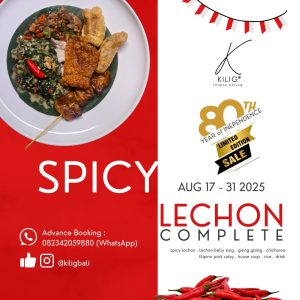
The most unforgettable Bali food experiences rarely happen at a fine-dining resort. They happen at a local warungs—a simple roadside eatery where the chef’s grandmother taught her the recipe. Here, local food culture is not a performance; it is daily life. You pull up a plastic stool, the steam rises from a bubbling pot, and the authentic hospitality of the family makes you feel like an honored guest. Traditional Balinese dishes at family recipes-driven warungs like Kilig Filipino Warung (which I proudly run in Ubud) offer village cuisine that carries the soul of the community. Eating here is food discovery in its purest form. You are not a tourist peering through a glass; you are part of the rhythm of the day.
The Power of Street Food and Night Markets in Food Travel
No culinary adventure in Bali is complete without navigating a night market. The sizzle of seafood specialties over charcoal, the sweet perfume of tropical fruits like mangosteen and snake fruit, and the chatter of locals bargaining for satay sticks create an electric atmosphere. Street food at markets like Gianyar or Ubud’s night market reveals the regional specialties of each village. You will find hidden food gems—a stall selling rujak (spicy fruit salad) that has been perfecting its recipe for forty years. This is gastronomic travel where every bite teaches you about the island’s geography and history. Why Travelers Often Fall in Love With Places Through Food becomes obvious when you taste how the same ingredient—say, a local sardine—is prepared ten different ways across ten markets. For a related guide, see How Bali Experiences Become Cherished Memories.
The Emotional Memory of Shared Meals in Cultural Dining
Eating together is the oldest human ritual. Shared meals around a communal table at a local restaurant or a private villa dinner, such as those I host with my team at Kilig, transform travel memories into something sacred. When you sit cross-legged on a woven mat, passing bowls of lawar (a spiced vegetable and coconut dish) and sate lilit (minced seafood satay), you are participating in cultural immersion. You are not just eating; you are listening, laughing, and learning the names of each spice from the person who grew them. This destination dining experience is the opposite of sightseeing. It is immersive travel where your role shifts from observer to participant. The warmth of the host, the clatter of plates, the chorus of selamat makan (enjoy your meal)—these moments become travel inspiration that changes how you experience the world.
Why Authentic Local Cuisine Matters More Than Sightseeing Alone
You can see a hundred temples, but you will only truly understand a culture when you taste its food. Authentic local cuisine teaches the story of the land—the volcanic soil that grows the coffee beans, the sea that supplies the fish for seafood specialties, the farm to table dining traditions that have fed families for generations. What makes authentic food experiences more meaningful than sightseeing alone is that food requires you to slow down, to trust your senses, and to connect with people who may not speak your language but who offer you the best dish they have. That trust creates meaningful travel. You return home with not just photos, but a new understanding of hospitality.
Balinese Cooking Classes and Food Tours Worth Trying
For those who want to go deeper, Balinese cooking classes and guided food tours are the most rewarding investments you can make. A food tour led by a local chefs will take you past the tourist strip and into the kitchens of villagers who have never been photographed. You will visit local markets where the chaos of fresh produce, spices, and live poultry teaches you how Indonesian cuisine begins. A Balinese cooking class, such as those offered at Ubud’s many sustainable dining initiatives, teaches you to grind your own spice paste with a mortar and pestle, to wrap banana-leaf parcels, and to slow-cook a dish until it becomes tender. Are food tours and cooking classes worth trying in Bali absolutely. They are the difference between simply tasting a dish and owning the knowledge to recreate it at home. Every time you cook that dish, you will be transported back to Bali.
How Shared Meals Help Travelers Connect With Local Communities
How do shared meals help travelers connect with local communities In Bali, food is communal. The concept of meyadha (offering the first portion to the gods) and gotong royong (communal cooperation) means that eating is never just about one person. When you share a meal at a local warungs or at a village festival, you are welcomed into that circle. Stories flow as freely as the tea. You learn why a certain spice is used for ceremonies, how a recipe survived colonization, and what it means to be a guest in Balinese culture. This cultural dining experience builds genuine destination experiences that no guidebook can provide.
Practical Steps to Fall in Love With Bali Through Food
You do not need to be a chef to unlock authentic flavors in Bali. Follow these fifteen practical steps to turn your trip into a meaningful travel journey through the island’s best food experiences.
Step 1: Start With a Market Visit Before Any Meal
Go to Ubud Market or Gianyar Night Market early, before the crowds. Walk through the local markets with your eyes and nose open. Touch the tropical fruits, smell the fresh lemon basil and kaffir lime leaves, and watch how locals shop. This is the first layer of understanding Balinese cuisine.
Step 2: Eat at a Family-Owned Warung on Your First Day
On your first afternoon, find a local warungs with plastic chairs and a handwritten menu. Order a traditional Balinese dishes like nasi campur (mixed rice with small portions of various dishes). The authentic hospitality you receive will set the tone for your entire trip. Why Travelers Often Fall in Love With Places Through Food begins with such simple, genuine welcomes.
Step 3: Attend a Balinese Cooking Class
Book a half-day Balinese cooking class with a local chefs. You will learn to identify spices, grind pastes, and cook a complete meal. The experience is food discovery in action.
Step 4: Try One Street Food Every Day
Commit to tasting at least one street food item each day. Try pisang goreng (fried banana, a seller at a cart, or martabak (stuffed pancake) from a night stall. Each bite teaches you a new regional specialty.
Step 5: Seek Out Village Feasts
Ask your hotel or a local driver about upcoming temple ceremonies or village feasts. Many visitors can attend respectfully. The feast, often cooked for hundreds, showcases village cuisine at its most pure. The shared meals at these events are the highest form of cultural immersion.
Step 6: Dine at a Farm-to-Table Restaurant
Visit a restaurant committed to farm to table dining. Places like Kilig Filipino Warung source ingredients daily from local producers. You taste the freshness of the land in every dish. Sustainable dining is a key part of gastronomic travel that respects the community.
Step 7: Host a Private Villa Dinner
For a truly intimate experience, book a private villa dinner with a chef like myself. A curated tasting menu tells a story through each course. These curated dining experiences become the most treasured travel memories of your trip.
Step 8: Take a Food Photography Tour
Travel photography and culinary storytelling go hand in hand. Attend a workshop on how to capture the beauty of Balinese dishes and the warm faces of the people who cook them. Your photos will preserve the authentic flavors and the stories behind them.
Step 9: Learn One Recipe to Take Home
During your cooking class, choose one dish—like sate lilit or lawar—and master it. Writing down the family recipes ensures that you can relive the destination dining experience at home.
Step 10: Eat With Your Hands
Set aside the fork for one meal. Eat with your right hand, as is traditional. This slows down the process and deepens the sensory connection to the authentic local cuisine. You will taste more.
Step 11: Visit a Coffee Plantation
Bali’s coffee culture is rich with regional specialties. Tour a plantation, try the famed kopi luwak (though ethically choose a farm that treats the civet cats humanely), and enjoy the views of terraced fields. Coffee connects you to the farm to table dining ethos.
Step 12: Explore Hidden Food Gems
Ask locals for their favorite spot. A hidden food gems might be a stall inside a family home selling only one dish, or a warung with no sign but a line of motorbikes out front. Food travel is about discovery, not a checklist.
Step 13: Balance Your Meals
Balance is a core concept in Balinese cuisine. Each meal includes sweet, salty, sour, bitter, and spicy. When you eat with awareness, you appreciate the sophistication of culinary tourism.
Step 14: Join a Night Food Tour
Evening food tours through local night markets offer a safe and guided way to taste street food you might otherwise miss. The guides share culinary storytelling that enriches each bite.
Step 15: Cook for Someone
At the end of your trip, cook a meal for your host, your driver, or a new friend. Cooking what you have learned is the final act of meaningful travel. It turns your travel memories into a gift you can share.
What Traditional Balinese Dishes Should First Time Visitors Try
If you are a first-time visitor, the sheer variety of Indonesian cuisine can be overwhelming. I recommend starting with a traditional Balinese dishes tasting menu that includes these five iconic plates: babi guling (crispy spiced pork), bebek betutu (duck wrapped in banana leaves and slow-cooked), lawar (vegetable and coconut salad with minced meat or egg), sate lilit (minced satay wrapped around lemongrass stalks), and nasi kuning (yellow turmeric rice often served at ceremonies). Each dish reveals a different layer of cultural traditions and regional specialties. You will taste how Balinese cuisine uses a base of base genep (the sacred spice paste) to unify everything. These dishes are not just food—they are edible history.
How Food Shapes the Way People Remember a Destination
How can food shape the way people remember a destination Think back to your most powerful travel memories. Chances are, they involve a meal. The taste of tropical fruits eaten by hand on a mountainside. The warmth of shared meals with new friends. The smell of local food culture wafting through a market. Food triggers memory through the limbic system—the emotional center of the brain. A sip of coconut water can transport you to the beach as vividly as any photo. Why Travelers Often Fall in Love With Places Through Food is because the brain encodes flavor with emotion. When you taste a piece of grilled fish with sambal at a seaside warung, your brain records not just the flavor but the breeze, the laughter, and the sunset. That memory becomes a permanent part of your personal story. For a related guide, see How Shared Meals Create the Most Meaningful Travel Memories.
Why Exploring Local Flavors Makes Travel More Authentic and Unforgettable
Why does exploring local flavors make travel more authentic and unforgettable Because food is the most honest expression of a culture. A tourist-performing dance can be polished and commercialized, but a family recipes passed down through generations cannot be faked. When you eat at a local restaurants that has been feeding the same village for decades, you are tasting a food discovery that is rooted in place. Every regional specialty tells the story of what grows where, what trade routes passed through, and what the people value. This authenticity creates travel inspiration that lasts. You do not just visit Bali—you taste it, and that taste becomes a part of who you are.
Useful Resources
For more on culinary tourism and the Balinese cuisine traditions that make Why Travelers Often Fall in Love With Places Through Food such a compelling experience, explore these trusted sources. The Bali Tourism Board Culinary Heritage Guide provides official information on traditional dishes and cooking classes across the island. Additionally, the Food and Travel Magazine’s Bali Culinary Experiences offers in-depth reviews of warungs, markets, and immersive tours that go beyond the typical tourist path.
Frequently Asked Questions About Why Travelers Often Fall in Love With Places Through Food
Why do travelers fall in love with places through food?
Travelers fall in love with places through food because eating is the most direct way to experience a culture’s heart. A dish like bebek betutu or nasi campur tastes not just of spices, but of the land, the community, and the family that prepared it. That emotional connection creates a bond stronger than sightseeing.
How does local cuisine create emotional travel memories ?
Local cuisine creates emotional travel memories by engaging all your senses at once. The smell of sambal roasting, the warmth of authentic hospitality, the taste of tropical fruits, and the sound of laughter during shared meals are encoded in your brain as powerful emotional memories.
What makes authentic food experiences more meaningful than sightseeing alone?
Authentic food experiences are more meaningful than sightseeing alone because they require participation, not just observation. When you sit at a local warungs or join a Balinese cooking class, you are actively engaging with the culture, building relationships, and creating memories that last.
Why is Balinese cuisine an important part of the travel experience?
Balinese cuisine is an important part of the travel experience because it reflects the island’s philosophy of balance, community, and connection to nature. Each dish, from the spice paste to the farm to table dining ingredients, tells a story of the volcanic soil, the sea, and the cultural traditions that have been preserved for centuries.
How do local restaurants and family owned warungs reflect a destination’s culture?
Local restaurants and family owned warungs reflect a destination’s culture through their menus, cooking methods, and authentic hospitality. A warung serves the same family recipes that have fed generations, using local food culture ingredients and techniques that are unique to the region.
Are food tours and cooking classes worth trying in Bali?
Yes, food tours and cooking classes are absolutely worth trying in Bali. They offer a structured way to explore street food, hidden food gems, and traditional Balinese dishes with the guidance of local chefs. They turn a passive visit into an active food discovery experience.
How do shared meals help travelers connect with local communities?
Shared meals help travelers connect with local communities by creating a space for conversation and trust. When you eat together, you share not only food but stories, laughter, and respect. This breaks down barriers and fosters genuine cultural immersion.
What traditional Balinese dishes should first time visitors try?
First-time visitors should try babi guling (spiced suckling pig), bebek betutu (slow-cooked duck), lawar (spiced coconut salad), sate lilit (minced satay on lemongrass), and nasi kuning (yellow turmeric rice). These dishes showcase the depth of Balinese cuisine and its regional specialties.
How can food shape the way people remember a destination?
Food shapes memory by linking flavor to emotion through the brain’s limbic system. A taste of tropical fruits or a spicy sambal can instantly bring back vivid travel memories of the place, the people, and the moment you first experienced it.
Why does exploring local flavors make travel more authentic and unforgettable?
Exploring local flavors makes travel more authentic and unforgettable because food is the honest expression of a culture’s history, geography, and values. Authentic local cuisine cannot be faked, and each bite is a genuine culinary adventure that deepens your travel inspiration.
What is the best way to find hidden food gems in Bali?
The best way to find hidden food gems is to ask local drivers, market vendors, or staff at your accommodation. Following the scent of grilled fish or the sound of busy clatter in residential areas also leads to authentic local warungs and street food stalls.
How can I experience farm to table dining in Bali?
To experience farm to table dining, look for restaurants that source ingredients from local farmers or that have their own gardens. Many Balinese cooking classes also start with a market visit to buy fresh produce and then cook it on the spot.
What role do traditional spice pastes play in Balinese cuisine ?
The traditional spice paste, base genep, is the foundation of nearly every traditional Balinese dishes. It combines turmeric, ginger, galangal, shallots, garlic, chilies, and other spices, representing the cultural traditions of balance and harmony in Balinese life.
Is it safe to eat street food in Bali?
Yes, street food in Bali is generally safe to eat, especially at busy stalls with high turnover. Look for vendors who cook fresh batches, and observe the hygiene. The vibrant night markets are where locals eat, which is always a good sign.
How can I participate in a village feast as a traveler?
To participate in a village feast, ask your hotel or a local guide about upcoming temple ceremonies. Dressing respectfully, bringing a small offering, and being genuinely interested in the tradition will open doors to experiencing village cuisine and shared meals.
What is the best time of day for food tours in Bali?
The best time for food tours is early morning for market visits and fresh produce, and late afternoon into evening for street food and night markets. Evening tours capture the buzz of night markets where you can find seafood specialties and regional specialties.
How can I cook Balinese food at home after my trip?
To cook Balinese food at home, take a Balinese cooking class during your trip and bring home written family recipes. You can also buy authentic flavors like tamarind paste, coconut oil, and lemongrass at local markets before you leave.
What does authentic hospitality mean in Balinese food culture?
Authentic hospitality in Balinese food culture means serving with generosity, respect, and without expectation. Whether at a local warungs or a private villa dinner, the host ensures you feel like family. This warmth is the heart of meaningful travel.
Can solo travelers enjoy food experiences in Bali?
Absolutely. Solo travelers will find that local warungs, Balinese cooking classes, and food tours are welcoming and easy to join. The communal nature of shared meals makes it simple to meet locals and other travelers, creating travel memories that feel deeply personal.
How do I choose a sustainable dining experience in Bali?
Choose a sustainable dining experience by looking for restaurants that highlight farm to table dining, source locally, reduce waste, and support community livelihoods. Many destination dining venues, including Kilig Filipino Warung, prioritize these values.
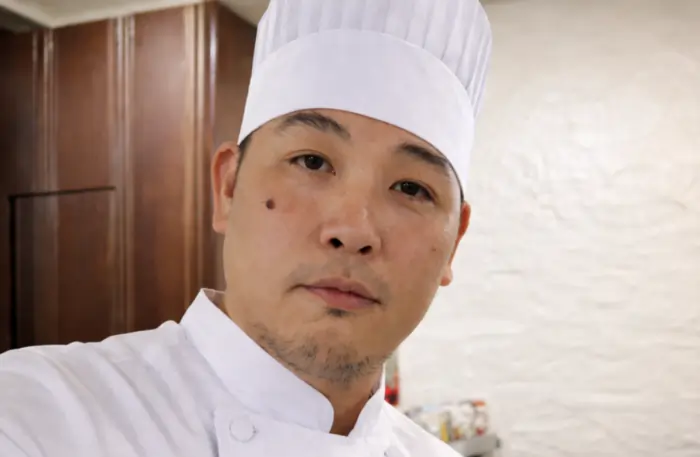
Chef Juan Gadi brings the heart of Filipino hospitality to Ubud, Bali. As an Executive Chef and consultant, he specializes in creating intimate, curated dining experiences that tell a story through every dish. Whether leading the kitchen at Kilig Filipino Warung or hosting a private villa dinner, Chef Juan’s approach is defined by warmth, modern technique, and a commitment to culinary excellence.