Why Certain Meals Stay With You Long After the Journey Ends Key Takeaways
I still remember the steam rising from a bowl of traditional Balinese dishes at a tiny local warung in Ubud.
- Why certain meals stay with you long after the journey ends because they engage all the senses and anchor a story you carry home.
- Authentic local dining — from traditional Balinese dishes at a local warung to a private villa dinner — creates deeper cultural connections than any tourist restaurant.
- Shared meals , cooking classes, and chef’s table experiences transform eating into an immersive ritual that becomes part of your travel identity.
What Makes Memorable Meals So Powerful in Travel
I still remember the steam rising from a bowl of traditional Balinese dishes at a tiny local warung in Ubud. The authentic flavors of turmeric, lemongrass, and regional specialties like lawar and babi guling did more than fill my stomach — they rewired how I understand a culture. That’s the core truth behind why certain meals stay with you long after the journey ends.
Science backs what every traveler knows: taste and smell are wired directly into the brain’s memory centers. A single bite of local food can transport you back to a corner of Bali years later. Food travel isn’t just eating — it’s collecting sensory souvenirs that no photograph can capture. For a related guide, see Why Some Bali Memories Stay With You Forever.
How Does Food Create Lasting Travel Memories?
When you sit down at a local restaurant in a Balinese village, you aren’t just consuming calories. You are participating in a ritual that has been passed down for generations. Culinary travel works because it layers three memory anchors: the taste itself, the environment where you eat, and the people you share it with.
Chef Juan Gadi, who brings the heart of Filipino hospitality to Ubud, explains it this way: “The most memorable meals happen when a guest feels like family. When I cook at Kilig Filipino Warung or host a private villa dinner, I’m not just presenting a dish — I’m telling a story about where these ingredients came from and who taught me the recipe.”
Traditional Balinese Dishes and Family Recipes
Bali’s culinary heritage is rooted in family recipes that have survived centuries. Dishes like bebek betutu (slow-cooked duck) and nasi campur (mixed rice) carry the flavors of village cuisine. When you taste them from a local warung run by a family who has cooked the same recipe for three generations, you are tasting living history. That’s why authentic dining becomes part of your travel stories — it’s a direct line to a culture’s soul.
Local Chefs and the Stories Behind the Plate
Every local chef has a story ingredient. Chef Juan’s Filipino heritage flavors every dish he creates in Bali — sustainable dining isn’t just a buzzword for him; it’s a respect for the land and sea that feed both his homeland and his adopted island. When you eat at a chef’s table experiences event, you get the story behind the seafood specialties and tropical fruits that arrive in each course.
What Makes a Dining Experience Unforgettable in Bali?
Bali food experiences are unlike anywhere else because the island offers such rich variety in such a small place. You can walk through a night market in Denpasar, taste street food skewers of sate lilit, then drive twenty minutes to a farm-to-table restaurant in the rice terraces.
Chef Juan emphasizes that immersive dining in Bali requires letting go of expectations. “The best food adventures begin when you stop looking at a menu and start trusting the cook. Some of my most unforgettable experiences happened because I asked a local ‘What are you eating?’ and they handed me a spoon.”
Local Warungs vs. Destination Dining
There is a difference between eating at a restaurant that serves tourists and destination dining at a place where locals queue. The real hidden food gems are local warungs — small family-run eateries where the menu changes daily based on what the local markets offered that morning. These spots serve regional specialties you won’t find in guidebooks.
| Dining Type | What to Expect | Best For |
|---|---|---|
| Local warung | No printed menu, seasonal authentic flavors, family-run | Cultural immersion and real Balinese taste |
| Chef’s table experiences | Curated tasting menu, storytelling with each course | Deep culinary discovery and special occasions |
| Street food / Night markets | Quick, inexpensive, vibrant atmosphere | Food adventures and spontaneous bites |
| Farm to table dining | Organic ingredients, sustainable dining, village cuisine | Eco-conscious travelers and gastronomic travel |
Why Local Flavors Become Part of Your Travel Stories
Think about the last trip you took. What do you tell your friends about? The flight delay? Or the shared meals where you laughed with strangers over a bowl of soto ayam? Travel memories are almost always flavored with food because eating is the most intimate act we share with a culture. For a related guide, see How Shared Meals Create the Most Meaningful Travel Memories.
Culinary tourism has exploded for a reason. People don’t just want to see landmarks — they want to taste them. Food culture is the most accessible gateway to understanding a place because everyone eats. When you try traditional Balinese dishes prepared with family recipes passed down through generations, you are experiencing the real Bali — not the postcard version.
How Can Authentic Meals Deepen Cultural Connections?
Authentic dining forces you to slow down. Instead of rushing through a meal to get to the next attraction, you sit, you taste, you ask questions. Cultural dining in Bali often involves eating with your hands — a practice that connects you physically to the food and to the people who prepared it.
Chef Juan notes that the most profound cultural immersion happens when guests participate in shared meals. “In Filipino and Balinese culture, food is love. When I host a private dinner, I want guests to feel like they have been adopted into a family. That feeling — being welcomed through food — is what makes a meal unforgettable.”
Are Cooking Classes and Food Tours Worth Trying in Bali?
Absolutely — if you choose wisely. A Balinese cooking class that starts with a visit to the local markets to choose tropical fruits and spices is worth every minute. You learn authentic flavors from local chefs who show you how to balance the sweet, sour, salty, and bitter that define Balinese cuisine.
Food tours guide you through hidden food gems and street food stalls you might walk past otherwise. Good tours focus on cultural immersion — they explain the history behind regional specialties and introduce you to the people who cook them.
What to Look for in a Quality Culinary Tourism Experience
- Local markets visit: A tour that skips the market is skipping the soul of the cuisine.
- Small group size: Immersive dining doesn’t happen in a crowd of twenty.
- Story-driven: The best guides share family recipes and talk about culinary heritage.
- Hands-on: Balinese cooking classes should have you chopping, grinding, and tasting, not just watching.
How Do Shared Meals Enhance the Travel Experience?
Eating alone on the road can be meditative, but shared meals are where travel magic happens. When you sit at a communal table in a local warung or join a food tour group, you break bread — and barriers — with strangers who quickly become part of your story.
Travel experiences become richer when someone across the table tells you why they love a particular dish. Cultural dining is inherently social. In Bali, many traditional Balinese dishes are designed for sharing — nasi campur comes with multiple small portions meant to be passed around.
Chef Juan believes that the future of meaningful travel lies in these shared moments. “When I host a dinner, I watch people’s faces change as they taste something new. Then they turn to the person next to them and start talking. That conversation, born from a shared bite, is the real souvenir.”
Where Can Travelers Find Authentic Local Dining Experiences in Bali?
Authentic dining in Bali isn’t about Michelin stars — it’s about finding local warungs and village cuisine that hasn’t been polished for Instagram. Here are proven ways to find real Bali food experiences:
- Local markets like Ubud Market or Gianyar Night Market offer street food and fresh tropical fruits.
- Ask your driver or homestay host where they eat — hidden food gems are never on the main tourist strip.
- Book a chef’s table experiences dinner at a venue like Kilig Filipino Warung, where the menu tells a story.
- Venture into the villages: village cuisine is often the most authentic flavors you will find anywhere.
- Look for sustainable dining spots that source from local markets and support local chefs.
How Food Helps Visitors Remember a Destination Long After Returning Home
The science is simple: smell and taste bypass the brain’s analytical centers and go straight to the hippocampus — the memory maker. That’s why why certain meals stay with you long after the journey ends can be answered with neurology as much as poetry. A whiff of lemongrass years later can instantly transport you back to a Balinese kitchen.
Food photography has become its own travel ritual for good reason. But the deepest travel memories aren’t in your camera roll — they are in the feeling of a spoon lifted to your mouth, the crunch of a seafood specialties dish served on a banana leaf, the warmth of a host who insists you try “just one more bite.”
Chef Juan sums it up: “When a guest leaves my table, I don’t want them to just remember the taste. I want them to remember how they felt — welcomed, curious, connected. That feeling is why meaningful travel matters.”
Practical Tips for Creating Your Own Unforgettable Food Experiences
Whether you are a solo traveler, a family, a couple, or a digital nomad, these strategies will help you build memorable meals into every trip:
Before You Go
- Research regional specialties of your destination and learn the names of key dishes.
- Book at least one food tour or Balinese cooking class in advance.
- Follow local chefs on social media to discover hidden food gems.
While You Are There
- Eat at local warungs where the menu is handwritten and changes daily.
- Visit night markets and local markets early in the morning.
- Take food photography seriously — but put the camera down for the first bite.
- Say yes to shared meals with strangers. Some of the best travel experiences happen over a communal table.
After You Return
- Recreate a dish from your trip. Culinary discovery continues in your own kitchen.
- Write about your authentic dining experiences — food travel memories grow stronger when you tell them.
- Connect with the chefs or hosts you met — culinary tourism builds relationships that last.
Useful Resources
Ready to plan your own unforgettable Bali food journey? These resources offer deeper dives into the topics we covered:
- Bali Culinary Tours: A Guide to Authentic Food Experiences — Comprehensive directory of food tours and cooking classes across the island.
- World Food Travel Association: Preserving Bali’s Culinary Heritage — Research and case studies on how traditional Balinese dishes and family recipes are being protected for future generations.
Frequently Asked Questions About Why Certain Meals Stay With You Long After the Journey Ends
Why do certain meals stay with you long after the journey ends?
Because a memorable meal engages all five senses and anchors a specific memory — the taste, the setting, the people, and the story behind the dish. Authentic dining experiences connect you emotionally to a place, making the meal unforgettable.
How does food create lasting travel memories ?
Food triggers the brain’s limbic system, which processes emotion and memory. When you eat local food in an immersive dining setting, your brain encodes the experience as significant — and retrieves it vividly when you taste similar flavors later. For a related guide, see Why Certain Flavors Bring Back Beautiful Bali Memories.
What makes a dining experience unforgettable?
An unforgettable dining experience combines authentic flavors, a meaningful story, and genuine hospitality. Chef’s table experiences and shared meals with local chefs or families create emotional resonance that a standard restaurant meal cannot match.
Why do local flavors become part of travel stories?
Because food culture is the most accessible window into a destination’s identity. Traditional Balinese dishes and regional specialties carry history, climate, and tradition — tasting them makes you a participant in that story, which you then share with others.
How can authentic meals deepen cultural connections?
When you eat family recipes prepared by a local chef or home cook, you are invited into a personal cultural space. Cultural dining breaks down barriers and creates empathy — you understand a place through its flavors and traditions.
What role do family recipes and traditional dishes play in travel?
They preserve culinary heritage and offer a direct taste of history. Family recipes passed down through generations tell stories of migration, adaptation, and celebration. Eating them is like reading a living archive of a culture.
Are cooking classes and food tours worth trying in Bali?
Yes, when chosen carefully. A quality Balinese cooking class includes a market visit and hands-on preparation of traditional Balinese dishes. Food tours that focus on cultural immersion and hidden food gems are excellent investments for meaningful culinary travel.
How do shared meals enhance the travel experience?
Shared meals transform eating from a solitary act into a communal ritual. Whether at a local warung or a private dinner, breaking bread with others creates bonds and stories that become the core of your travel memories.
Where can travelers find authentic local dining experiences in Bali?
Look beyond the main tourist strips. Local warungs, night markets, local markets, and village kitchens serve the most authentic flavors. Ask locals where they eat and book chef’s table experiences for curated destination dining.
How can food help visitors remember a destination long after they return home?
Culinary tourism creates multisensory memories. Scent, taste, and texture are processed in the brain’s emotional centers, so a single bite — or even a smell — can instantly transport you back to a specific food travel moment.
What is the best way to find hidden food gems in Bali?
Talk to locals, especially drivers, homestay hosts, and local chefs. Follow local food bloggers, and visit local markets and night markets where the food is made for residents, not tourists.
Are tasting menus worth the price in Bali?
When curated by a talented local chef who tells the story behind each dish, a tasting menu is a deep dive into gastronomic travel. Look for chef’s table experiences that source ingredients from local markets and highlight regional specialties.
What are the must-try traditional Balinese dishes for first-time visitors?
Start with babi guling (suckling pig), bebek betutu (slow-cooked duck), nasi campur (mixed rice), lawar (spiced salad), and sate lilit (minced seafood satay). These dishes showcase the authentic flavors of Balinese cuisine.
How can solo travelers enjoy shared meals in Bali?
Join a food tour, book a Balinese cooking class, or sit at communal tables in local warungs. Many chef’s table experiences are designed for small groups, making it easy to connect with fellow travelers.
What is sustainable dining and why does it matter in Bali?
Sustainable dining means sourcing ingredients responsibly, reducing waste, and supporting local markets and local chefs. In Bali, it protects the island’s culinary heritage and ensures that traditional Balinese dishes continue to be made with integrity.
Can food photography help capture travel memories ?
Yes, but only if you balance the camera with presence. Food photography documents the visual story, but the real travel memories are formed when you pause, taste, and engage with the cultural dining experience.
What is the difference between culinary travel and regular tourism?
Culinary travel prioritizes food adventures as the central thread of the journey. Instead of eating as a necessity, you seek out authentic dining, local food, and cultural dining experiences that define a destination.
Are night markets safe for tourists in Bali?
Generally yes, especially well-known markets like Gianyar Night Market. Choose stalls with high turnover — look for where locals queue. Street food from busy night markets is often the freshest and most authentic flavors you will find.
How can families create unforgettable experiences through food in Bali?
Book a Balinese cooking class designed for all ages, visit a local market together, and dine at local warungs where the atmosphere is warm and welcoming. Shared meals create meaningful travel memories that kids carry into adulthood.
What makes Chef Juan Gadi’s approach to Bali food experiences unique?
Chef Juan brings the heart of Filipino hospitality to every plate he serves in Ubud. Whether at Kilig Filipino Warung or a private villa dinner, his immersive dining experiences combine modern technique with family recipes and a deep commitment to cultural dining.
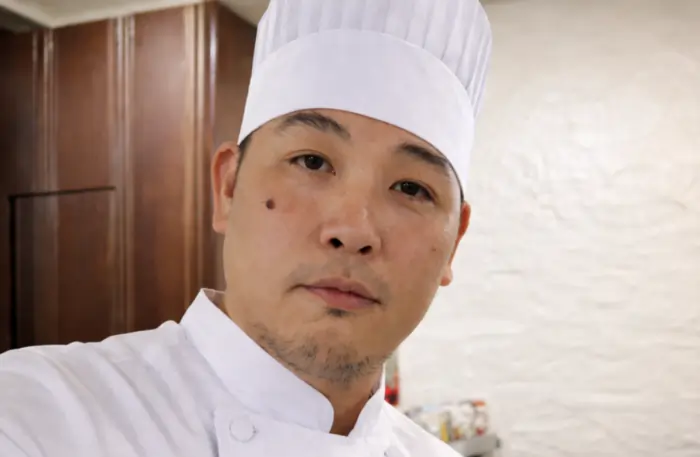
Chef Juan Gadi brings the heart of Filipino hospitality to Ubud, Bali. As an Executive Chef and consultant, he specializes in creating intimate, curated dining experiences that tell a story through every dish. Whether leading the kitchen at Kilig Filipino Warung or hosting a private villa dinner, Chef Juan’s approach is defined by warmth, modern technique, and a commitment to culinary excellence.