Dining Experiences That Celebrate Filipino Hospitality Key Takeaways
Every plate of adobo, every shared bowl of sinigang, every gesture of Filipino hospitality told a story that no guidebook could capture.
- Dining Experiences That Celebrate Filipino Hospitality reveal the soul of the culture through warm service, communal eating, and generational recipes.
- Bali has become a surprising hub for Filipino restaurants Bali food lovers can visit, offering authentic flavors in a familiar tropical setting.
- Travelers seeking Filipino food Bali connections will find that restaurant staff treat guests like family, making every meal a memorable cultural exchange.
Why Dining Experiences That Celebrate Filipino Hospitality Matter for Travelers
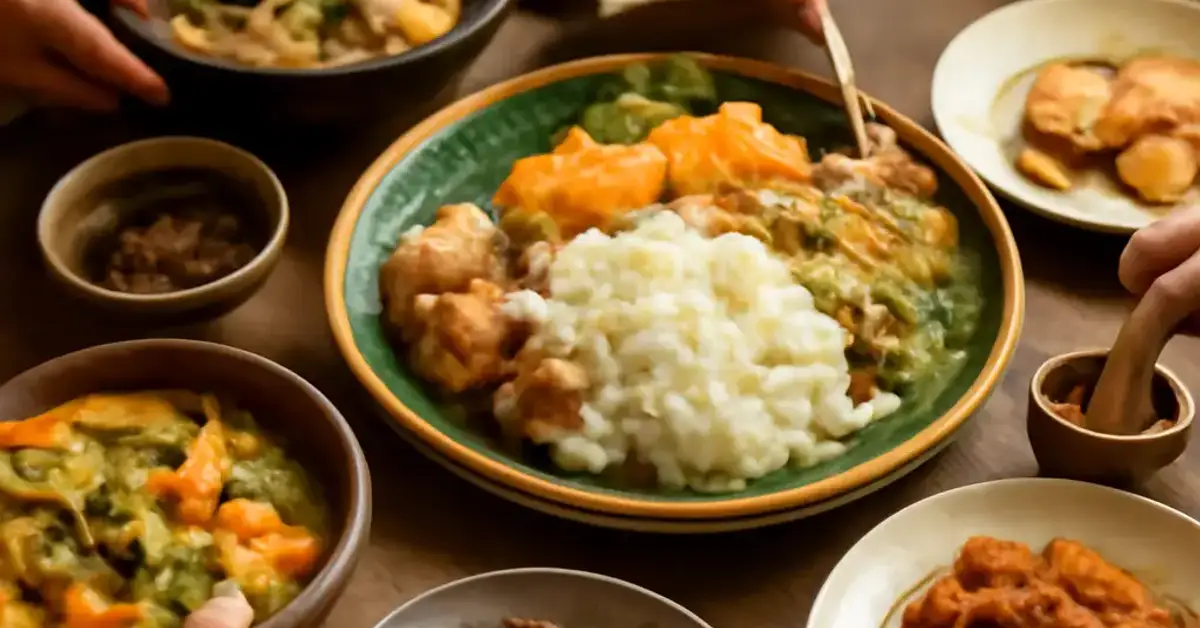
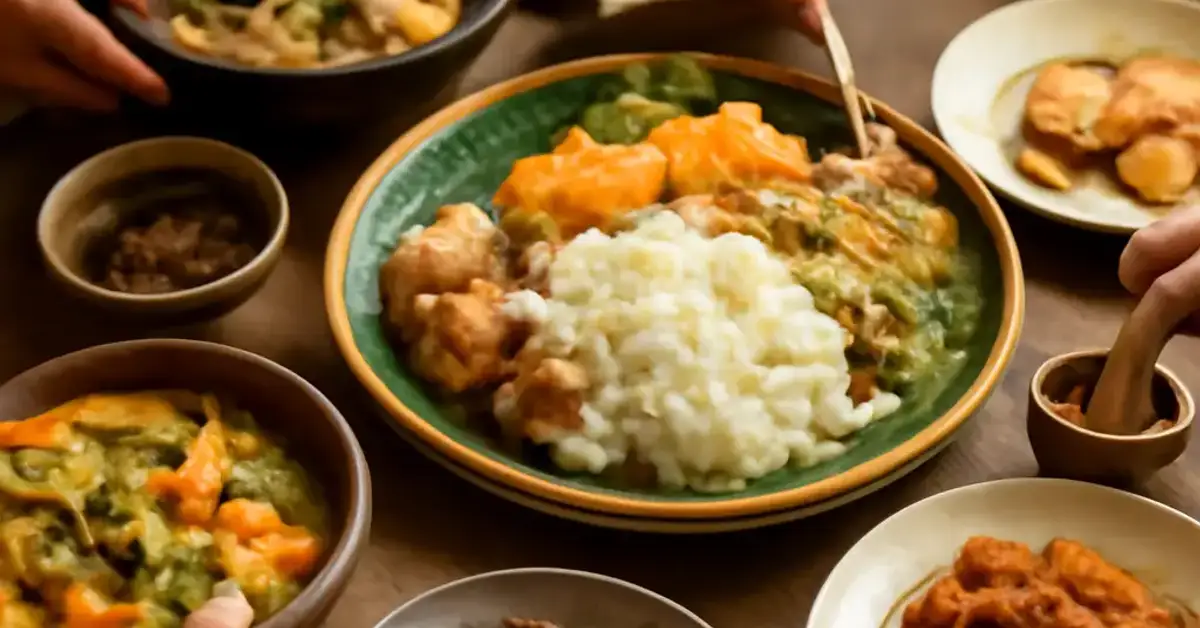
When you sit down at a Filipino table, you aren’t just eating—you are being welcomed home. Filipino hospitality is a deeply ingrained cultural trait rooted in the concept of “pakikisama” (harmonious togetherness) and “utang na loob” (a debt of gratitude). Every dish served becomes an offering of warmth, generosity, and story. Whether you are a first-time visitor to Bali or an overseas Filipino craving a taste of home, these dining experiences go beyond food. They are emotional, cultural, and deeply nourishing.
Where Culture Meets Cuisine in Southeast Asia
Filipino cuisine is a vibrant tapestry of Malay, Spanish, Chinese, and indigenous influences. Yet its strongest ingredient is the hospitality woven into every service. In Bali, the global crossroads of Southeast Asian cuisine, Filipino chefs and restaurateurs have carved out a niche that mirrors the warmth of the Philippines itself. From family style dining to curated tasting menus, these 11 spots master the art of making strangers feel like kin.
11 Must-Try Dining Experiences That Celebrate Filipino Hospitality
1. Kudeta Beach Club — A Fine Dining Kapampangan Tribute
Filipino restaurants Bali don’t come more iconic than Kudeta. Overlooking the Indian Ocean in Seminyak, Kudeta recently hosted a month-long Kapampangan pop-up that honored the culinary heritage of Pampanga. The experience was a masterclass in culinary tourism: diners were greeted with a welcome shot of lambanog (coconut spirit) and a warm “Mabuhay!” from the staff. The tasting menu featured sisig tacos, bringhe (Filipino paella), and turon with tablea chocolate.
Cultural connection: Every server knew the story behind each dish. One waiter shared how his grandmother in Angeles City made the same version of adobo. This is Filipino food culture at its finest—food as a bridge between generations.
2. Ginger Moon — Authentic Filipino Food with a Modern Twist
Located in Canggu, Ginger Moon is a sleek yet inviting spot that balances Filipino traditions with global flair. Their signature “Boodle Fight”—a spread of grilled meats, salted eggs, fresh mango, and fried rice laid out on banana leaves—encourages family style dining among strangers. It is a communal ritual that bonds everyone at the table. The staff not only serves food; they teach you how to eat with your hands, which is considered a sign of trust and intimacy in Filipino dining.
3. Bale Udang (The Shrimp Barn) — A Balinese-Filipino Fusion
Bale Udang in Seminyak reimagines the traditional Filipino boodle within a Balinese bamboo setting. The Filipino food Bali scene owes much to this creative kitchen. Here, shrimp sinigang meets Balinese sambal matah in a single bowl. The staff serves each table with a dedication that feels personal—they check on allergies, dietary restrictions, and even remember repeat customers by name. This level of hospitality in the Philippines and Bali combined makes for an unforgettable dining experience.
4. Locavore — A Tribute to Indigenous Filipino Ingredients
Ubud’s Locavore is renowned for its farm-to-table philosophy. Their Filipino-inspired degustation menu highlights heirloom rice from the Cordilleras, wild honey from Palawan, and langka (jackfruit) from local Balinese farms. The travel experience here is eye-opening: each course is paired with a story of the farmer or fisherman behind the ingredient. This is culinary experiences with a conscience, celebrating Filipino cuisine while respecting the land.
5. Papa Tana — A Home Kitchen in the Heart of Sanur
Papa Tana is not a restaurant as much as an extension of the owner’s home. This small warung in Sanur serves authentic Filipino food like kare-kare, crispy pata, and halo-halo. The host, a Filipina named Lorna, makes it her mission to greet every guest with a smile and a warm inquiry about their day. For many overseas Filipinos, this is the closest thing to their grandmother’s kitchen. For international tourists, it is an intimate introduction to Filipino food culture that feels like discovering a hidden family secret.
6. The Bistro at Uluwatu — Seaside Kamayan Feast
The Bistro at Uluwatu specializes in the kamayan (hand-eating) dining Filipino traditions. The setting alone—cliffside under a thatched roof with the Indian Ocean crashing below—sets the stage for a communal feast. Diners gather around a table covered in banana leaves, sharing grilled seafood, Inihaw na liempo, and pickled papaya. Family style dining transforms strangers into companions. This is the kind of cultural dining that creates lifelong memories for travel bloggers and food lovers alike. For a related guide, see How Family Style Dining Creates More Memorable Gatherings.
7. Sanur Beach Market — Street Food with a Smile
For travelers wanting a casual yet genuine culinary tourism experience, Sanur Beach Market hosts a rotating section of Filipino street carts every weekend. Here, you can taste turon (fried banana spring rolls), fish balls with spicy sauce, and “dirty ice cream.” The vendors often give extra servings as a gesture of goodwill. This small but meaningful act is the essence of hospitality in the Philippines: generosity without expectation.
8. Warung Bintang — A Filipino-Balinese Family Affair
Warung Bintang in Legian is run by a Filipino-Indonesian couple. The menu reflects both cultures, but the service is purely Filipino dining at heart. Guests are treated like family from the moment they step in. The husband performs live acoustic guitar while the wife serves a creamy ginataang kalabasa (squash in coconut milk). For cultural travelers and digital nomads looking to feel grounded, this warung offers a sense of belonging far beyond the plate. For a related guide, see 7 Ways to Experience Bali Through Filipino Cuisine.
9. Floating Feast at Goa Gajah — A Romantic Night of Lutong Bahay
For couples and families, the Floating Feast at Goa Gajah in Ubud presents a unique setting: diners sit on low platforms in a candlelit lily pond while enjoying classic Filipino food Bali interpretations of pinakbet, laing, and lechon kawali. The team here, led by a Cebuano chef, ensures that every guest feels personally cared for. The evening ends with a serenade and a small gift of dried mangoes—a token of Filipino hospitality that guests cherish.
10. Sari Organik — Healthy Pampanga Farm Lunch
Sari Organik in Ubud offers a “Farm-to-Table Filipino” lunch experience. The menu emphasizes organic local produce combined with traditional Kapampangan cooking methods. Guests can meet the farmers, tour the garden, and then share a table with strangers turning friends. The staff often shares their own travel experiences back in the Philippines, creating a beautiful exchange between food bloggers, gastronomic tourists, travel planners, and the Balinese locals who love the cuisine.
11. Tepi Sawah — Boodle Fight in the Rice Fields
Tepi Sawah in Peliatan provides the quintessential Bali-Filipino cultural dining scene: a boodle fight laid out on traditional bamboo mats suspended over a flowing river. Diners sit cross-legged, eating with their hands while the sounds of the forest surround them. The Filipino food culture shines here because the meal is never rushed. Staff present each dish—grilled eggplant salad, vinegar chicken, coconut rice—with brief histories. It is an event designed for food lovers, international tourists, and overseas Filipinos who miss the soul of the Philippines.
Comparing the Top Dining Experiences That Celebrate Filipino Hospitality
To help you choose the perfect experience for your trip, here is a quick comparison of the 11 experiences based on setting, price range, and ideal audience.
| Restaurant / Experience | Location | Setting | Price Range | Ideal For |
|---|---|---|---|---|
| Kudeta Beach Club | Seminyak | Luxury oceanfront | $$$$ | Couples, honeymooners |
| Ginger Moon | Canggu | Modern and trendy | $$$ | Food bloggers, millennials |
| Bale Udang | Seminyak | Bamboo fusion | $$$ | Families, cultural travelers |
| Locavore | Ubud | Farm-to-table fine dining | $$$$ | Gastronomic tourists |
| Papa Tana | Sanur | Home kitchen/warung | $ | OFWs, budget explorers |
| The Bistro at Uluwatu | Uluwatu | Cliffside kamayan | $$$ | Travel bloggers, couples |
| Sanur Beach Market | Sanur | Street food | $ | First-time visitors, backpackers |
| Warung Bintang | Legian | Family-run warung | $ | Digital nomads, solo diners |
| Floating Feast at Goa Gajah | Ubud | Candlelit pond | $$$$ | Couples, romantic dates |
| Sari Organik | Ubud | Organic farm | $$ | Health-conscious diners |
| Tepi Sawah | Peliatan | Rice field boodle | $$ | Families, groups |
Useful Resources
For further reading on Filipino food culture and Filipino hospitality, explore these credible sources:
- Guide to the Philippines: Filipino Cuisine and Dining Traditions — A comprehensive overview of Filipino dishes and the cultural significance of sharing food.
- Bali Tourism Board: Cultural Dining Experiences — Official guide to dining experiences in Bali, including cross-cultural Filipino offerings.
Frequently Asked Questions About Dining Experiences That Celebrate Filipino Hospitality
Frequently Asked Questions About Dining Experiences That Celebrate Filipino Hospitality
What makes Dining Experiences That Celebrate Filipino Hospitality different from regular dining?
These experiences prioritize warm service, communal dining traditions like kamayan, and deep cultural storytelling that makes every meal feel like a family reunion. Filipino hospitality turns dining into an emotional connection.
What is Filipino hospitality ?
Filipino hospitality is the cultural trait of treating guests like family, characterized by generosity, warmth, and the belief that no guest should ever feel unwelcome. It often includes offering the best seat, the best food, and genuine conversation.
Is there authentic Filipino food in Bali?
Yes, Filipino restaurants Bali offer a growing selection of authentic dishes, from adobo and kare-kare to boodle fights and halo-halo. Many are run by Filipino chefs or families dedicated to preserving true Filipino cuisine.
What is the best Filipino dining experience for first-time visitors to Bali?
For first-time visitors, Papa Tana in Sanur provides the most intimate introduction to Filipino food Bali, while The Bistro at Uluwatu offers a stunning kamayan feast that perfectly mixes culture and scenery.
Do I need to eat with my hands at a Filipino restaurant?
Many places offer utensils, but family style dining often encourages eating with your hands, especially during a boodle fight. It deepens the connection to the Filipino food culture and is considered a bonding practice.
What is a boodle fight?
A boodle fight is a military-style communal feast where food is spread on banana leaves on a table, and everyone eats with their hands. It is one of the most joyful dining experiences in Filipino tradition.
Can I find vegetarian options at these restaurants?
Yes, many of the featured Filipino restaurants Bali offer vegetarian variations of pinakbet, laing, and ginataang kalabasa. Always ask the staff, who are known for their accommodating hospitality in the Philippines.
Which dish is a must-try for an authentic Filipino dining experience ?
Adobo is the national dish and a staple of Filipino cuisine, but sisig, sinigang, and lechon kawali are equally iconic. Sampling these is key to culinary tourism in the Philippines and Bali.
How does Filipino food culture compare to other Southeast Asian cuisines?
Filipino cuisine is less spicy than Thai or Indonesian, but more vinegar-based and savory. Its cultural dining emphasis on sharing sets it apart in the Southeast Asian cuisine landscape.
Are these experiences suitable for children?
Absolutely. The family style dining format at Tepi Sawah and Warung Bintang makes them particularly welcoming for families. Children love the interactive element of eating with their hands.
What is the price range for these dining experiences that celebrate Filipino hospitality ?
Prices range from affordable street food at Sanur Beach Market ($5–$10) to premium degustation menus at Locavore ($50–$80 per person). There is something for every budget.
How do I book a kamayan feast in Bali?
Most high-end Filipino restaurants Bali like The Bistro and Tepi Sawah offer kamayan experiences that require advance reservation. Contact them via their websites or Instagram for specific timings.
What is the dress code for these restaurants?
It varies. Locavore and Kudeta require smart casual or formal, while Papa Tana and Sanur Beach Market are casual. Check each venue for their specific dress policy.
Do these restaurants serve halal food?
Some do, especially those with a Balinese-Muslim influence. Warung Bintang and Bale Udang offer halal options upon request. It is best to confirm in advance if culinary experiences require it.
Can I learn to cook Filipino food during my visit?
Yes, Locavore and Sari Organik offer cooking classes that teach you traditional Filipino cuisine techniques. This is a fantastic travel experience for food enthusiasts.
What is the best time of day for these meals?
For ocean views, book sunset slots at Kudeta or The Bistro. For a romantic vibe, the Floating Feast at Goa Gajah is best at dusk. Lunch works well at family-style venues like Ginger Moon.
Are these experiences food culture rich for solo travelers?
Yes. Many solo travelers and digital nomads feel welcomed at Warung Bintang and Papa Tana, where communal seating encourages meeting new people and sharing travel experiences.
Do I need to speak Tagalog or Filipino to enjoy these experiences?
Not at all. The staff at Filipino restaurants Bali are multilingual and speak English, Indonesian, and often basic Tagalog. The warmth of Filipino hospitality transcends language.
How can I find more Filipino food Bali recommendations?
Follow Filipino food bloggers in Bali on Instagram and Facebook. Many share updated lists of pop-ups and new Filipino restaurants Bali that are part of the evolving culinary tourism scene.
What is the one feeling these experiences aim to give visitors?
Above all, they aim to make you feel like family. That is the true meaning of Filipino hospitality: creating a space where strangers become friends over a shared meal.
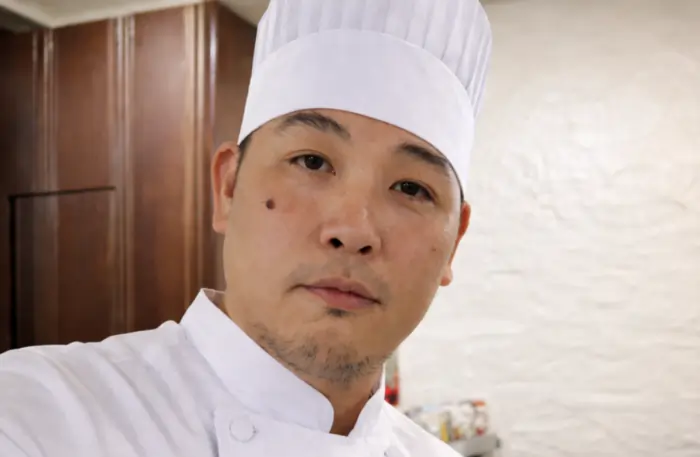
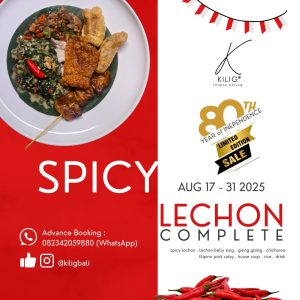
Chef Juan Gadi brings the heart of Filipino hospitality to Ubud, Bali. As an Executive Chef and consultant, he specializes in creating intimate, curated dining experiences that tell a story through every dish. Whether leading the kitchen at Kilig Filipino Warung or hosting a private villa dinner, Chef Juan’s approach is defined by warmth, modern technique, and a commitment to culinary excellence.