
Culinary Experiences Every Food Lover Should Have in Bali Key Takeaways
As Chef Juan Gadi, I have spent years crafting gourmet dining experiences that honor these roots while pushing boundaries.
- Culinary Experiences Every Food Lover Should Have in Bali include cooking with village grandmothers, diving into night markets , and dining at chef-led tables that reimagine traditional Balinese dishes .
- Food lover Bali itineraries should blend street food adventures with authentic restaurants for a complete taste of the island’s culinary heritage .
- Whether you crave fresh seafood on the beach or a multi-course tasting menu in a jungle villa, these experiences offer genuine cultural immersion through every bite.

Why These Culinary Experiences Every Food Lover Should Have in Bali Matter
Bali’s food story is as layered as its rice terraces. The island’s Balinese cuisine is a vibrant tapestry woven from ancient traditions, Indonesian spices, and the warmth of its people. For a food lover Bali, skipping these experiences means missing the soul of the island. Each dish tells a story of community, ritual, and place—from a plate of babi guling slow-roasted for hours to a single bite of lawar that carries the wisdom of generations.
As Chef Juan Gadi, I have spent years crafting gourmet dining experiences that honor these roots while pushing boundaries. Whether you are a first-time visitor or a seasoned travel itinerary planner, this list is your passport to authentic Balinese food. Let’s embark on a journey that goes beyond the tourist trail and into the heart of culinary tourism in Bali. For a related guide, see How Seasonal Ingredients Shape Filipino Menus in Bali.
1. Join a Balinese Cooking Class in a Village Kitchen
The single most transformative Bali food experience is learning to cook with locals. Balinese cooking classes offered in villages like Ubud, Sidemen, or Munduk take you from market to table. You’ll start at a local market, selecting tropical fruits and Indonesian spices while your host explains their role in traditional Balinese dishes.
Back in an open-air kitchen, you’ll grind fresh sambal with a mortar and pestle, wrap banana-leaf parcels, and simmer fragrant coconut milk. This is cultural immersion at its most delicious. I often tell guests that these classes reveal the secret soul of Balinese cuisine—the patience, the balance, the joy of cooking together. For any food lover Bali, this is non-negotiable.
2. Eat at a Family-Run Local Warung
Local warungs are the beating heart of authentic Balinese food. These humble eateries, often run by families for decades, serve dishes like nasi campur (rice with small portions of vegetables, meat, and sambal) and sate lilit (minced seafood on lemongrass skewers). The best hidden food gems are found by walking away from the main road and following the smell of charcoal smoke.
For dining recommendations, look for warungs where plastic chairs are filled with local workers. The price is low, the flavor is high, and the welcome is genuine. This is village cuisine at its purest and one of the top Bali culinary experiences you cannot miss.
3. Explore the Street Food and Night Markets
When the sun sets, Bali’s street food scene ignites. Night markets such as Gianyar Night Market or Sanur Night Market offer an explosion of regional specialties. You’ll find crispy fried duck, grilled corn slathered in butter, and es campur (shaved ice with sweet toppings).
This is food travel in its most exhilarating form. Bring your camera for food photography—the colors and steam make every stall a story. These markets are also perfect for trying traditional Balinese dishes like lawar (spiced minced meat with coconut) and rujak (fruit salad with spicy palm sugar dressing).
4. Dine at a Chef’s Table Experience
For those seeking gourmet dining with a personal touch, chef’s table experiences in Bali are unmatched. Restaurants like Kilig Filipino Warung in Ubud or Locavore (now transformed into a new concept) offer multi-course tasting menus that showcase Indonesian cuisine through a modern lens.
At my own chef experiences, I guide guests through every course, explaining the journey of each ingredient. This is immersive dining—where the story behind the dish is as compelling as the flavor. For a food lover Bali with discerning taste, booking a chef’s table is the ultimate expression of gastronomic travel.
5. Experience a Traditional Balinese Feast at a Local Home
Nothing compares to being invited into a Balinese home for a communal meal. This is cultural dining at its most intimate. Families prepare dishes for ceremonies or festivals, and guests are welcomed to share in the bounty. You’ll taste babi guling (suckling pig), bebek betutu (slow-cooked duck in spices), and lawar prepared with reverence.
These feasts are the pinnacle of cultural immersion. To find such opportunities, connect with food tours that specialize in village cuisine or ask at your villa concierge. This is authentic Balinese food that no restaurant can replicate.
6. Visit a Local Market Early in the Morning
Local markets like Ubud Market, Pasar Badung, or Sukawati Market are sensory overload in the best way. Fresh seafood glistens on ice, tropical fruits like mangosteen and snake fruit pile high, and Indonesian spices perfume the air. This is where local chefs shop every morning.
Walking through these markets is one of the most important Bali food experiences. It reveals the foundation of Balinese cuisine. Take photos, taste a sample, and let the vendors guide you. For any Bali travel guide focused on food, a market visit is essential.
7. Indulge in Fresh Seafood at Jimbaran Bay
Jimbaran Bay is famous for its beachfront fresh seafood dining. You choose your fish, prawns, or lobster from a market-style display, and it’s grilled over coconut husks right there on the sand. The sunset views, toes in the sand, and the smoky aroma create a gourmet dining experience that is both rustic and luxurious.
This is a classic Bali dining experience that every food traveler should enjoy. Food tours often include this stop, but you can also go independently. Pair your meal with a cold Bintang beer and watch the sky turn orange—this is gastronomic travel at its most relaxed. For a related guide, see 11 Filipino Comfort Foods Every Traveler Should Discover.
8. Savor Regional Specialties in Different Parts of Bali
Bali’s regional specialties change from north to south, east to west. In Lovina, try ikan bakar (grilled fish) with local sambal. In Kintamani, sample the highland coffee and babi panggang (grilled pork). In Sidemen, taste the village cuisine of the Agung mountain slopes.
Exploring these authentic restaurants and warungs is a key part of any Bali food guide. Rent a scooter or hire a driver and make a day of it. This is culinary tourism that rewards curiosity with unforgettable flavors. Travel itinerary planners should allocate at least two days for this exploration.
9. Join a Food Tour Focused on Cultural Immersion
Professional food tours offer curated access to hidden food gems and local chefs. Guides take you to family-run warungs, market stalls, and even home kitchens that you might never find alone. These tours often include Balinese cooking classes and storytelling about culinary heritage. For a related guide, see How Food Tours Reveal the Hidden Side of Bali.
For a food lover Bali, investing in a food tour is like having a local friend with expert knowledge. Look for tours that emphasize sustainable dining and support small producers. This is artisan cooking at the community level.
10. Plan a Private Villa Dinner with a Personal Chef
The ultimate immersive dining experience in Bali is a private chef dinner in your villa. This is where my personal expertise shines. As an Executive Chef, I craft bespoke menus that reflect the season, your preferences, and the island’s bounty. From fresh seafood to slow-cooked traditional Balinese dishes, every course is a journey.
These dinners are perfect for couples, families, or groups of gastronomic travel enthusiasts. They combine the intimacy of home dining with the professionalism of a gourmet dining experience. It is the crown jewel of Culinary Experiences Every Food Lover Should Have in Bali.
Useful Resources
Expand your knowledge of Balinese cuisine and culinary tourism with these trusted sources:
- Bali Tourism Board – Culinary Guide – Official information on food festivals, cooking classes, and authentic Balinese food spots across the island.
- Serious Eats – Guide to Balinese Cuisine – A deep dive into Indonesian spices, traditional Balinese dishes, and the culinary heritage that makes Bali unique.
Frequently Asked Questions About Culinary Experiences Every Food Lover Should Have in Bali
What are the best culinary experiences in Bali?
The best culinary tourism activities include Balinese cooking classes, eating at local warungs, exploring night markets, and attending a chef’s table experience.
What are the top food experiences every food lover should try in Bali?
A food lover Bali must try street food at Gianyar Night Market, a home-cooked feast, and a private chef dinner for the ultimate immersive dining.
Which traditional Balinese dishes are must-try?
Traditional Balinese dishes like babi guling, bebek betutu, sate lilit, lawar, and nasi campur are essential for any Bali food guide.
Where can visitors find authentic local food in Bali?
Authentic Balinese food is found in local warungs, night markets, and village homes. Hidden food gems are often off the main roads.
Are Balinese cooking classes worth joining?
Absolutely. Balinese cooking classes provide deep cultural immersion and hands-on learning about Indonesian spices and traditional dishes.
What food tours showcase the best of Bali’s cuisine?
Food tours focusing on village cuisine, local markets, and artisan cooking offer the most comprehensive Bali culinary experiences.
How can travelers experience authentic Balinese culture through food?
Eating at family-run warungs, joining ceremonies, and taking Balinese cooking classes are the best ways to achieve cultural immersion through food.
What restaurants offer unique chef led dining experiences?
Restaurants like Kilig Filipino Warung in Ubud and other authentic restaurants offer chef’s table experiences with tasting menus and personal interaction.
What local markets and street food spots should visitors explore?
Gianyar Night Market, Sanur Night Market, and Ubud Market are top spots for street food and local markets. Fresh seafood is best at Jimbaran Bay.
How can food lovers plan the ultimate culinary itinerary in Bali?
Start with a Bali travel guide that mixes food tours, cooking classes, market visits, and private dinners. Include at least one village cuisine experience.
Is street food safe to eat in Bali?
Yes, especially at busy night markets where turnover is high. Look for stalls with long queues—locals trust them. Food travel hygiene practices like washing hands help.
What is the best time for food trips in Bali?
The dry season from April to October is ideal for culinary tourism, as night markets and outdoor dining are most comfortable.
Can I find vegetarian options in Balinese cuisine ?
Yes. Indonesian cuisine offers many plant-based dishes like gado-gado, tempeh satay, and vegetable lawar. Many local warungs accommodate vegetarians.
What drinks pair well with Balinese food?
Bintang beer, arak (local palm spirit), fresh coconut water, or tropical fruits juices like watermelon or lime complement the spices of Balinese cuisine.
How much does a typical food tour cost in Bali?
Food tours range from $40 to $100 per person, depending on inclusions like Balinese cooking classes or private transport. They are excellent value for gastronomic travel.
Are there cooking classes for advanced cooks?
Yes. Some Balinese cooking classes focus on advanced techniques like spice paste blending or grilling methods. Local chefs often tailor sessions to skill level.
What should I bring for food photography in Bali?
A good phone camera or DSLR with a macro lens is fine. Food photography at markets and restaurants benefits from natural light and colorful backgrounds.
How do I find hidden food gems in Bali?
Ask locals, hire a guide for food tours, or explore alleys near local markets. Authentic restaurants are often unmarked and word-of-mouth.
What is the most unique dining experience in Bali?
Private villa dinners with a personal chef, combining immersive dining, cultural dining, and gourmet dining in a serene setting, are the most unique.
Can I combine food tours with other activities?
Yes. Many travel itinerary planners combine food tours with temple visits, rice terrace walks, or spa treatments for a balanced Bali travel guide experience.
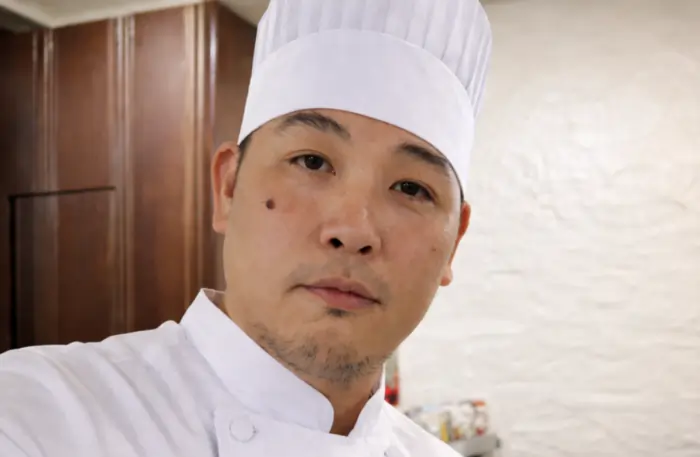
Chef Juan Gadi brings the heart of Filipino hospitality to Ubud, Bali. As an Executive Chef and consultant, he specializes in creating intimate, curated dining experiences that tell a story through every dish. Whether leading the kitchen at Kilig Filipino Warung or hosting a private villa dinner, Chef Juan’s approach is defined by warmth, modern technique, and a commitment to culinary excellence.