asting New Flavors Changes the Way You Travel Key Takeaways
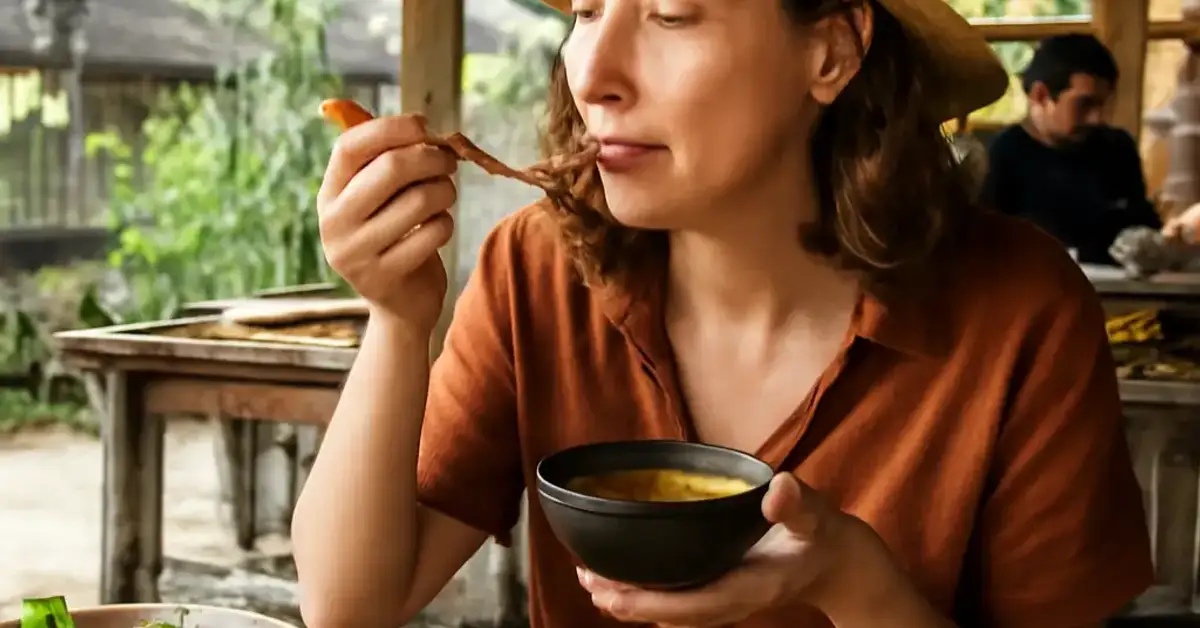
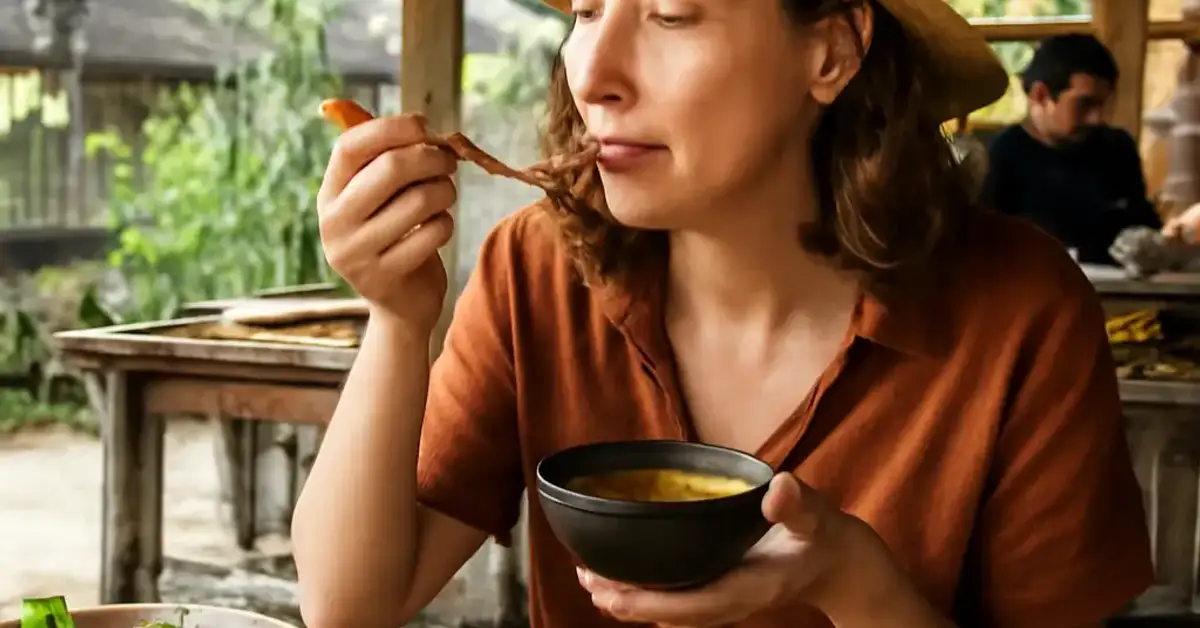
When you open your palate to unfamiliar tastes, travel transforms from a checklist of sights into a living, breathing story.
- How tasting new flavors changes the way you travel by shifting your focus from landmarks to the stories behind every dish.
- Engaging with culinary tourism and food experiences deepens cultural immersion and creates lasting memories.
- Bali offers a rich entry point into gastronomic travel , from warungs and night markets to cooking classes and food tours that reveal the island’s soul.
How Tasting New Flavors Changes the Way You Travel: The Chef’s Perspective
I remember the first time I bit into a sun-ripe mango on a dusty roadside in the Philippines. The sweetness was so intense it rewired my understanding of what a mango could be. That moment reshaped my entire journey. How tasting new flavors changes the way you travel is not just a poetic idea — it is the core of my philosophy as Chef Juan Gadi. Here in Ubud, Bali, I bring the heart of Filipino hospitality into every kitchen I lead, whether at Kilig Filipino Warung or during a private villa dinner. For a related guide, see How Villa Dining Creates a More Personal Travel Experience.
Food is the fastest route into a culture. When you taste something new, your brain releases dopamine — the same chemical that fires when you learn something extraordinary. Suddenly, a street corner in Seminyak or a village kitchen in Ubud becomes a landmark in your memory. The flavors themselves become the postcards you carry home.
For travelers, this shift is profound. Instead of racing from temple to temple, you begin to slow down, ask questions, and feel the rhythm of daily life. You stop eating to fuel sightseeing and start eating to understand where you are.
Why Food Is an Important Part of the Travel Experience
Many people ask me why food should matter so much in travel. The answer is simple: food is the most intimate expression of a place. Why is food an important part of the travel experience? Because every dish contains geography, history, and human hands.
The Senses as a Doorway to Place
Taste, smell, and touch connect us to the present moment. When you sit at a local restaurant and watch a chef pound spices in a mortar, you are not just eating — you are absorbing a rhythm that has existed for generations. This is the essence of culinary travel and why food exploration remains one of the most rewarding ways to explore.
Creating a Sensory Timeline
Every flavor you encounter builds a timeline of your trip. The spice blends of Bali — turmeric, galangal, lemongrass, and candlenut — become markers of place. Later, when you smell those aromas at home, the entire travel experience floods back with an emotional vividness that photographs cannot match.
What Balinese Cuisine Teaches About Bali
Balinese cuisine is a living textbook of the island’s soul. It teaches you about Hindu cosmology, the importance of community, and the sacred relationship between land and sea. What can local cuisine teach travelers about a destination? Everything.
Traditional Balinese Dishes and Their Stories
Traditional Balinese dishes like Babi Guling (suckling pig) and Bebek Betutu (slow-cooked duck) are not just meals — they are ceremonies. The preparation involves hours of marinating with local ingredients, wrapping in banana leaves, and cooking over coals. Each step honors the gods, the ancestors, and the community.
Regional specialties vary from village to village. In the highlands, you find earthier flavors from root vegetables; along the coast, seafood dishes dominate. This diversity mirrors Bali’s terrain and its people.
What Traditional Balinese Dishes Should First Time Visitors Try?
If you are visiting for the first time, start with Nasi Campur — a mixed rice plate that acts as a sampler of the island. Add Lawar (a salad of vegetables, coconut, and minced meat) and Sate Lilit (minced seafood on lemongrass skewers). These dishes contain the full palette of Indonesian cuisine in every bite.
How New Flavors Create Lasting Travel Memories
How do new flavors create lasting travel memories? The neuroscience is compelling: the olfactory bulb sits right next to the hippocampus, the brain’s memory center. A single taste can unlock an entire afternoon.
The Emotional Archive of a Meal
I have seen it in my guests at Kilig Filipino Warung. A traveler tastes a dish I grew up with — sinigang, adobo, or kinilaw — and suddenly they are asking about my grandmother’s kitchen. That emotional bridge turns a meal into a memorable meal that lasts a lifetime.
Everyday Flavors Become Extraordinary
A bowl of street food at a night market in Gianyar may cost a dollar, but it can rewrite your travel story. The sizzle of a grill, the laughter of locals, the unexpected kick of chili — these become the details you recount for years. That is the power of food adventures done right.
Discovering Authentic Local Restaurants and Hidden Gems
How can travelers discover authentic local restaurants? The secret is looking beyond the main roads. Hidden restaurants in Bali are often tucked inside family compounds or down narrow alleys with no sign in English.
Warungs as the Heart of Local Dining
Warungs are the small, family-run eateries where authentic flavors live. Here, you find village cuisine cooked with love and local ingredients from the morning market. Eating at a warung is cultural dining in its purest form.
Night Markets and Street Food Stalls
Bali’s night markets are sensory adventures. The smoke, the chatter, the rows of skewers and fresh fruit — they offer food exploration on a budget. Look for stalls with long lines; locals know where the best street food lives.
Building a Travel Itinerary Around Food
A travel itinerary that prioritizes dining recommendations from local chefs or food tours will always be richer. I tell my guests: plan one temple, one rice terrace, and two meals you have never tried before. That ratio changes everything.
Essential Culinary Experiences for Cultural Immersion
Why are food experiences essential for cultural immersion? Because they force you to slow down and participate. You are not just observing a culture; you are tasting it.
Cooking Classes and Artisan Cooking
Taking a cooking class in Ubud teaches you the alchemy of spice blends and the patience of artisan cooking. You learn why turmeric is added first, how coconut milk balances chili heat, and how every dish reflects balance — the Balinese concept of Tri Hita Karana.
Food Tours as a Connective Thread
Food tours led by local guides open doors you would never find alone. They introduce you to local chefs, market vendors, and families. How do food tours help visitors explore local culture? By turning every stop into a conversation.
Food Photography as a Keepsake
Documenting your meals through food photography is more than a social media trend. It trains your eye to see the artistry in every plate, and it creates a visual diary of your culinary discovery.
Benefits of Culinary Tourism in Bali
What are the benefits of culinary tourism in Bali? The list is long, but here are the most transformative ones.
| Benefit | How It Enhances Your Travel |
|---|---|
| Sustainable tourism | Eating at local restaurants and warungs supports families and reduces your carbon footprint. Local, seasonal ingredients mean less transport and waste. |
| Culinary heritage preservation | Your patronage helps keep traditional Balinese dishes alive. Many village recipes are passed down orally; your interest validates their importance. |
| Deeper cultural experiences | Food creates a natural context for conversation. You learn about religion, agriculture, and family life through the stories behind each dish. |
| Healthier travel | Balinese cooking relies on fresh tropical fruits, vegetables, and lean proteins. Eating like a local often means eating better. |
Why Should Every Traveler Include Local Dining Experiences in Their Itinerary?
Because local dining is the antidote to shallow travel. A restaurant experience in a warung costs a handful of rupiah but delivers insight worth far more. You meet the grandmother who cooked the sambal. You taste the tropical fruits that grow in the backyard. You see Bali not as a postcard, but as a home.
Chef’s Insights: From Kilig Filipino Warung to Your Table
As an Executive Chef and consultant in Ubud, my goal has always been to create spaces where gastronomic travel meets genuine warmth. Whether I am serving Filipino classics at Kilig Filipino Warung or curating a private villa dinner, the principle is the same: food experiences should tell a story.
I encourage every traveler to treat their palate as an explorer. Let the spice blends of Bali surprise you. Let the local ingredients humble you. And never skip a warung just because it looks rough around the edges — those are the kitchens where authentic flavors live.
Bali’s culinary heritage is ancient yet alive. It includes seafood dishes fresh from Jimbaran Bay, tropical fruits like salak and mangosteen, and street food that sizzles after sunset. Each bite connects you to millennia of cultural dining tradition.
Your Food Exploration Checklist for Bali
To make your travel experiences richer, here is a practical checklist built around culinary tourism principles:
- Book a food tour in the first 48 hours of arrival to learn the landscape.
- Eat at three warungs before stepping into any tourist restaurant.
- Visit a local market — Pasar Ubud or Pasar Gianyar — to see local ingredients in their raw form.
- Take a cooking class to understand traditional Balinese dishes from scratch.
- Photograph every meal for food photography practice and memory keeping.
- Ask restaurant owners where they eat on their day off — their dining recommendations are gold.
- Try one new ingredient daily (salam leaf, kencur, or fresh candlenut).
Conclusion: Let Taste Transform Your Journey
How tasting new flavors changes the way you travel is not just a headline — it is an invitation. Every dish you try in Bali is a chance to see the island through its true lens: the generous hands of its people. From the hidden restaurants in Ubud’s backstreets to the night markets of Denpasar, your palate becomes your guide.
I invite you to come hungry — not just for food, but for connection. Let the authentic flavors of Balinese cuisine and the warmth of Filipino hospitality (which I carry with me every day) show you a version of travel that feeds more than your stomach. It feeds your soul.
Useful Resources
For more on the benefits of culinary tourism, visit the World Food Travel Association’s guide to culinary tourism — a trusted resource for understanding how food shapes travel experiences.
For authentic Balinese recipe inspiration and culture, explore Balinese Cuisine’s collection of traditional dishes to deepen your knowledge before you arrive.
Frequently Asked Questions About How Tasting New Flavors Changes the Way You Travel
How does tasting new flavors change the way you travel?
Tasting new flavors shifts your focus from sightseeing to sensory immersion. It slows you down, deepens your connection to the destination, and creates vivid memories that photographs cannot replicate. When you eat like a local, you see the world through their eyes.
Why is food an important part of the travel experience?
Food is the most direct expression of geography, history, and culture. A single dish can tell you about local agriculture, trade routes, religious practices, and family traditions. It grounds your journey in the everyday life of the place you are visiting.
What can local cuisine teach travelers about a destination?
Local cuisine reveals a destination’s climate, resources, and values. In Bali, the balance of sweet, sour, spicy, and savory in every dish mirrors the Balinese philosophy of harmony with nature and community. You learn about the land by tasting it.
How do new flavors create lasting travel memories?
The brain links taste and smell directly to memory centers. A novel flavor — like the first bite of durian or the complexity of a Balinese sambal — becomes a sensory anchor. Years later, one whiff can transport you back to that exact moment.
What traditional Balinese dishes should first time visitors try?
Start with Nasi Campur, a mixed rice plate with small portions of vegetables, meat, and sambal. Follow with Bebek Betutu (slow-cooked duck) and Sate Lilit (minced seafood on lemongrass skewers). Finish with a tropical fruit plate and black rice pudding.
How can travelers discover authentic local restaurants ?
Walk away from the main tourist streets. Look for warungs packed with locals, ask hotel staff where they eat, and join a food tour led by a local chef. Avoid restaurants with aggressive touts and laminated photo menus.
Why are food experiences essential for cultural immersion?
Food experiences require participation — you sit, wait, smell, taste, and share. This slows your pace and creates organic interactions with locals. Cooking and eating together breaks down barriers faster than any guidebook.
What are the benefits of culinary tourism in Bali?
Culinary tourism supports local families, preserves traditional recipes, promotes sustainable sourcing, and enriches your travel with meaningful cultural exchange. It also introduces you to the island’s incredible biodiversity of tropical fruits and spices.
How do food tours help visitors explore local culture?
Food tours connect you to chefs, market vendors, and home cooks who share stories behind the food. They take you to hidden restaurants and night markets you would never find alone, turning a meal into a guided cultural experience.
Why should every traveler include local dining experiences in their itinerary?
Local dining experiences are the most efficient and memorable way to understand a culture. They require no special equipment or language skills — just a willingness to taste. They also create authentic interactions that make travel feel less like tourism and more like connection. For a related guide, see How Dining Experiences Become Lasting Travel Memories.
What is the best way to start tasting new flavors while traveling?
Start with street food at a night market. The low cost and high variety let you sample multiple dishes without commitment. Watch what locals order, and do not be afraid to point at something unfamiliar.
Are food tours suitable for solo travelers?
Absolutely. Food tours are one of the best activities for solo travelers because they create instant community. You share a table, conversation, and curiosity with people from all over the world, while learning from a local guide.
How does Balinese cuisine differ from other Indonesian cuisines?
Balinese cuisine relies heavily on base gede — a paste of shallots, garlic, chili, turmeric, galangal, candlenut, and shrimp paste — giving dishes a warm, aromatic complexity. It also reflects Hindu influences not found in Jakarta or Padang.
What are the key ingredients in Balinese cooking?
The key ingredients include turmeric, galangal, lemongrass, kaffir lime leaves, coconut (milk and oil), candlenuts, shrimp paste (terasi), and chilies. Coconut is used in both savory and sweet dishes.
Can food help reduce travel anxiety?
Yes. Sharing a meal with locals breaks the isolation of travel. The act of sitting together, even without a common language, is inherently calming. Familiar flavors can also provide comfort, while new flavors build confidence.
What is the best time of day to visit a night market in Bali?
Between 6:00 PM and 8:00 PM is ideal. The stalls are fully set up, the crowds are lively but manageable, and food is freshly cooked. Pasar Gianyar and Pasar Kumbasari are excellent choices.
How do I find hidden restaurants in Bali?
Use Google Maps to search “warung” and look for places with few English reviews. Ask local drivers, chefs, or homestay hosts. Walk into alleys and follow the sound of sizzling oil and laughter.
What should I order at a Balinese warung for the first time?
Order Nasi Campur or Mie Goreng (fried noodles). Both are approachable, safe, and delicious. If you feel adventurous, point to whatever looks most popular with the locals.
How can I take better food photos while traveling?
Use natural light (avoid flash), photograph dishes before you start eating, and include hands or utensils to show scale. Focus on the textures and colors of local ingredients. Consistency tells a better story than perfection.
What is the single most important tip for culinary travel in Bali?
Be curious and humble. The best meals often come from the least pretentious places. Trust the recommendations of a local chef, eat what the farmers eat, and let the island teach you one bite at a time.
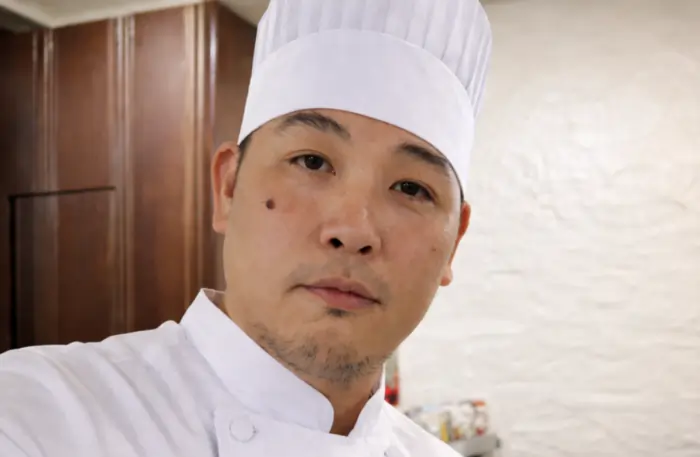
Chef Juan Gadi brings the heart of Filipino hospitality to Ubud, Bali. As an Executive Chef and consultant, he specializes in creating intimate, curated dining experiences that tell a story through every dish. Whether leading the kitchen at Kilig Filipino Warung or hosting a private villa dinner, Chef Juan’s approach is defined by warmth, modern technique, and a commitment to culinary excellence.