Art of Being Present During a Bali Getaway Key Takeaways
The Art of Being Present During a Bali Getaway is about more than seeing temples or lounging by a rice terrace—it is a practice of conscious engagement that transforms a holiday into a journey of self-awareness.
- The Art of Being Present During a Bali Getaway begins with intention, not itinerary. Choosing one meaningful activity per day leaves space for spontaneous joy.
- Bali and #8217;s lush environment and deep spiritual traditions naturally encourage being present while traveling . Visitors who align with the culture often leave feeling emotionally refreshed.
- Practical steps such as a digital detox, nature immersion, and mindful dining create a framework for Bali wellness travel that lasts long after the trip.
What The Art of Being Present During a Bali Getaway Really Means for Modern Travelers
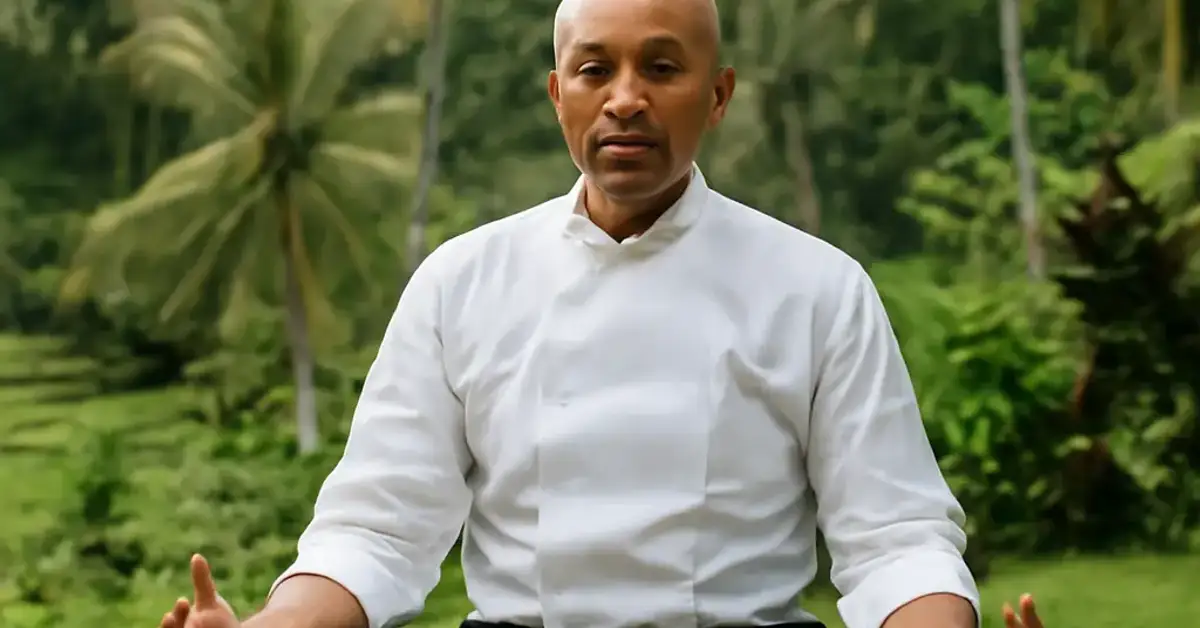
When I first arrived in Ubud, I noticed something that surprised me. Many guests at our villa dinners would arrive looking tired, scrolling through their phones during a sunset that could have been painted by gods. They were in Bali, but their minds were still at work, stuck in traffic, or worrying about emails. I realized then that the Art of Being Present During a Bali Getaway is a skill that must be practiced, not a switch that flips automatically.
In a world that rewards constant productivity, letting go feels unnatural. Yet Bali offers a perfect setting for this practice. The gentle rhythm of Balinese culture, with its daily offerings and temple ceremonies, reminds us that presence is a form of devotion. For wellness travelers, solo travelers, and even digital nomads, learning the art of mindful living here can become the highlight of the trip.
Why Mindfulness in Bali Attracts Wellness Travelers and Yoga Enthusiasts
Bali has earned a reputation as a global hub for wellness tourism, and for good reason. The island’s energy, from the misty rice terraces of Tegallalang to the quiet waves of Canggu, encourages a slower pace. Yoga retreats in Ubud, meditation sessions in ancient temples, and spiritual retreats in Sideman offer structured ways to cultivate present moment awareness. For a related guide, see Exploring Bali Through Its Morning Rituals and Daily Life.
Mindful Bali experiences are not reserved for experts. Even a short morning practice at a studio overlooking the jungle can shift your entire day. I often tell guests that the same mindfulness practices used in a yoga class can be applied to a cooking class or a simple walk through the village. Bali wellness lifestyle is accessible to anyone willing to pause.
How Slow Travel Bali Creates Space for Personal Reflection
One of the greatest gifts of slow travel Bali is the permission to do less. Instead of rushing from one tourist site to another, slow travel invites personal reflection. You might spend a whole afternoon sitting at a warung, watching the clouds move over Mount Agung, or walking through a rice field without a destination. This is not laziness—it is intentional travel.
When guests ask me, How can travelers practice being present during a Bali getaway?, I always suggest starting with one unfilled hour. Put the phone away, leave the camera behind, and simply be where you are. You will notice the sound of the wind in the bamboo, the scent of frangipani, the warmth of the sun on your skin. These small sensory details become the memories that last.
7 Smart Ways to Practice The Art of Being Present During a Bali Getaway
Let me share seven practical steps that combine my experience as a chef and host with the wisdom of Bali’s mindful living traditions. These are not rigid rules but gentle invitations.
1. Commit to a Digital Detox for the First 24 Hours
Digital detox is the single most effective way to reset your attention. I recommend arriving at your accommodation, turning off notifications, and leaving your phone in the room for the first full day. Without the constant pull of social media, your senses open up. You will notice the texture of your bed sheets, the sound of geckos at night, and the genuine warmth of a Balinese smile.
Many guests tell me they struggle with this. I understand. But after one day, most report feeling lighter, less anxious, and more curious. Stress free travel in Bali begins when you release the need to document every moment.
2. Practice Mindful Eating Through Balinese Cuisine
As a chef, I believe food is one of the most direct paths to presence. In my kitchen at Kilig Filipino Warung, I watch guests take their first bite of chicken inasal or sinigang. Their faces soften. They close their eyes. They are no longer thinking about the past or the future—they are tasting the present.
Try eating one meal each day without any distractions. No phone, no book, no conversation. Sit with your plate, appreciate the colors and aromas, and chew slowly. Notice the layers of flavor—the salt, the sour, the spice. This practice deepens your connection to Bali wellness travel and turns a simple meal into a meaningful travel experience.
3. Participate in a Traditional Meditation Session or Temple Blessing
Bali’s temples are not just tourist attractions; they are living centers of Balinese culture. Join a meditation session at a local temple or participate in a purification water blessing at Tirta Empul. The ritual of moving through the pools, offering prayers, and feeling the cool water on your skin forces you to be completely in the moment. For a related guide, see The Cultural Experiences That Define a Bali Journey.
Living in the moment in Bali becomes easier when you surrender to a tradition that has been practiced for centuries. Let the ceremony guide you.
4. Immerse Yourself in Nature Immersion Without a Camera
Nature immersion is one of the most powerful tools for reconnecting during travel. I encourage guests to take a hike through the Ubud Monkey Forest or the Campuhan Ridge Walk without taking a single photo. Leave the phone behind. Instead, focus on the feeling of the earth under your feet, the humidity in the air, the chatter of the monkeys.
When travelers ask, How can nature help visitors stay present and relaxed?, I point to the science: nature lowers cortisol and increases dopamine. But more than that, it invites awe. And awe stops the chatter of the mind.
5. Choose One Yoga Retreat or Wellness Retreat with Intention
There are hundreds of yoga retreats in Bali, but not all are created equal. Instead of booking the cheapest or most popular, choose one that aligns with your current needs. Are you looking for physical release? Emotional healing? Spiritual connection? Read the descriptions carefully. A retreat that includes relaxation techniques, quiet contemplation, and time in nature will serve you better than one packed with activities.
How can yoga and meditation enhance a Bali retreat? They provide a framework. Yoga teaches you to watch your breath. Meditation trains your mind to return to the present. Together, they become tools you can use anywhere, long after you leave the island.
6. Practice Self Discovery Through Creative Expression
Self discovery often happens when we create something with our hands. Take a Balinese cooking class, join a batik workshop, or learn to make a canang sari (offering). The repetitive, focused nature of these tasks quiets the mind and invites personal reflection.
I have seen guests who arrived stressed and distracted leave after a cooking class with a spark of joy. The act of chopping, sautéing, and plating became a meditation. Bali self care journey can be as simple as learning to fold a palm-leaf offering.
7. End Each Day with a Gratitude Practice
Before you sleep, take two minutes to recall three moments from the day that made you smile. It could be the taste of a fresh coconut, the laughter of a child, the kindness of a stranger. This simple mindfulness practice trains your brain to notice beauty and builds a habit of present moment awareness.
Over time, this practice shifted how I experience my own life here in Ubud. I stopped rushing between meetings and started noticing the light through the palm fronds.
Why Bali Relaxation Retreat and Meaningful Travel Experiences Are More Relevant Than Ever
In a post-pandemic world, many travelers are seeking meaningful travel experiences rather than superficial photo ops. The desire for emotional wellness and self awareness has grown. This is why Bali relaxation retreat packages often sell out months in advance.
Why do travelers seek digital detox experiences in Bali? Because they recognize that their addiction to screens is stealing their ability to enjoy real life. Bali offers a safe environment to unplug. The island’s island lifestyle encourages a return to simplicity.
Why is intentional travel becoming more popular? Because people are exhausted. The constant pressure to optimize every vacation has turned travel into another chore. Intentional travel asks a different question: “How do I want to feel?” rather than “What do I want to see?”
Practical Tips for Stress Free Travel in Bali and Bali Wellness Lifestyle
To truly experience the Art of Being Present During a Bali Getaway, integrate these habits into your trip:
- Wake up early to watch the sunrise without checking your email.
- Eat at local warungs where the food is cooked fresh, not in a tourist kitchen.
- Walk instead of taking a taxi when the distance is less than 30 minutes.
- Keep a small journal to jot down moments of personal reflection.
- Say yes to spontaneous invitations—a farmer might ask you to join a ceremony.
How can mindfulness create deeper travel memories? Because the brain encodes experiences with emotion. When you are fully present, the moment becomes richer, and the memory becomes stronger. Years later, you will not remember checking Instagram. You will remember the taste of a ripe mango eaten under a banyan tree.
The Role of Balinese Culture in Supporting a Mindful Living Practice
Bali is not just a pretty backdrop; it is a living classroom for mindful living. The concept of Tri Hita Karana—the balance between humans, nature, and the divine—permeates daily life. When you participate in a temple ceremony or simply smile at a vendor, you are engaging with this philosophy.
What role does Balinese culture play in mindful living? It normalizes presence. In Bali, rushing is considered rude. Slowing down is not a luxury; it is a sign of respect. Visitors who embrace this often feel a shift in their own relationship with time.
Long-Term Benefits: Bali Self Care Journey and Emotional Wellness
Many guests leave Bali feeling not just rested, but transformed. How can a Bali getaway inspire long term wellbeing and self awareness? By offering a template for a slower, more intentional life. Guests often return home and start making changes: meditating in the morning, eating more mindfully, reducing screen time.
Why do many visitors feel emotionally refreshed after visiting Bali? Because the combination of peaceful travel, scenic landscapes, cultural experiences, and spiritual retreats creates a container for healing. The island holds space for you to let go.
I have seen it happen in my own life. When I left a high-pressure kitchen in Manila and moved to Ubud, I thought I was just changing jobs. I soon realized I was learning a new way to be. The Art of Being Present During a Bali Getaway became my daily practice, not just a vacation memory.
Useful Resources
For deeper exploration of wellness tourism and mindful travel in Bali, consider these reputable sources:
- Bali Spirit offers a comprehensive directory of yoga retreats, meditation sessions, and holistic events across the island. Their community calendar lists ceremonies and workshops that encourage mindful living.
- Lonely Planet’s Health and Wellness in Bali provides practical guidance on Bali wellness travel, including recommended spas, retreats, and relaxation techniques. It is a solid resource for first-time wellness travelers.
Frequently Asked Questions About The Art of Being Present During a Bali Getaway
How can travelers practice being present during a Bali getaway?
Travelers can practice presence by committing to a digital detox for the first 24 hours, eating meals without distractions, participating in a temple blessing, going on a nature walk without a camera, and ending each day with a gratitude practice. These actions shift focus from productivity to awareness.
Why is Bali considered an ideal destination for mindfulness?
Bali’s natural beauty, slow pace, and deep spiritual traditions provide a supportive environment for mindfulness. The island’s culture of Tri Hita Karana—harmony with God, people, and nature—gives visitors permission to slow down and be present.
What activities encourage mindful travel experiences in Bali?
Meditation sessions at temples, yoga retreats in Ubud, Balinese cooking classes, batik workshops, rice field walks, and silent morning coffee by a rice terrace all encourage mindful travel. The key is engaging with full attention.
How does slowing down improve a vacation experience?
Slowing down reduces cortisol and allows the brain to fully encode memories. Instead of rushing between attractions, travelers experience deeper joy from fewer, more meaningful moments. Presence amplifies positive emotions.
Why do travelers seek digital detox experiences in Bali?
Because screen addiction steals attention and increases anxiety. Bali offers a safe, beautiful environment to unplug. Many travelers report feeling lighter and more connected after a digital detox here.
How can nature help visitors stay present and relaxed?
Nature lowers stress hormones, increases dopamine, and evokes awe, which quiet’s the mind’s chatter. Walking through rice terraces or listening to the ocean without distractions automatically anchors you in the present.
What role does Balinese culture play in mindful living?
Balinese culture normalizes presence through daily offerings, slow interactions, and community-centered ceremonies. Visitors who participate feel a natural shift toward mindfulness without effort.
How can yoga and meditation enhance a Bali retreat?
Yoga trains you to focus on breath and body, while meditation teaches you to observe thoughts without attachment. Together, they create a portable practice for presence that extends beyond the retreat.
Why is intentional travel becoming more popular?
Because many travelers feel burned out by fast-paced tourism. Intentional travel focuses on how you want to feel rather than what you want to see, leading to more fulfilling experiences.
How can travelers reduce stress and distractions while exploring Bali?
By limiting planned activities to one per day, leaving the phone at the hotel, choosing local warungs over crowded restaurants, and allowing time for spontaneous exploration. Stress free travel comes from simplicity.
What are the benefits of focusing on the present moment during a trip?
Focusing on the present moment reduces anxiety, deepens sensory enjoyment, creates stronger memories, and fosters emotional connection with the destination and people you meet.
How does mindfulness create deeper travel memories?
Mindfulness amplifies sensory input and emotional resonance. The brain encodes moments with strong feelings and focused attention more vividly, making memories feel more real and lasting.
Why do many visitors feel emotionally refreshed after visiting Bali?
The combination of peaceful landscapes, cultural kindness, spiritual practices, and permission to slow down creates a container for emotional release and rejuvenation. Visitors leave with a lighter heart.
What habits support a more meaningful and balanced travel experience?
Waking early, journaling, eating mindfully, limiting screens, saying yes to spontaneous invitations, and practicing gratitude daily. These habits shift travel from consumption to connection.
How can a Bali getaway inspire long term wellbeing and self awareness?
By offering a template for slower living, Bali helps visitors recognize their own burnout patterns. Many return home and adopt morning meditation, mindful eating, and reduced screen time as lasting habits.
Do I need to book a formal retreat to practice mindfulness in Bali ?
No. You can practice mindfulness on your own by choosing slow activities, staying in a peaceful area like Ubud or Sideman, and being intentional with your time. A retreat simply provides structured support.
What is the best area in Bali for a relaxation retreat?
Ubud is most popular for yoga and meditation, but Sideman is quieter and more authentic. Canggu offers a relaxed beach vibe, and Sanur is calm without being remote. Choose based on your energy needs.
How long should I stay in Bali to experience mindful travel?
At least one week allows your nervous system to downshift. The first 2–3 days are often spent unwinding; the remaining days open space for genuine presence and self discovery.
Can I combine a digital detox with exploring Bali and #8217;s culture?
Absolutely. Leave your phone at the hotel during temple visits, cooking classes, and village walks. Use a camera only if it helps you see more deeply, not as a reflex. Mindful cultural immersion enriches both experiences.
What should I pack for a mindful Bali getaway?
Pack light, breathable clothing, a reusable water bottle, a journal, comfortable walking shoes, a sarong for temples, and an open mind. Leave behind excessive gadgets and over planned itineraries.
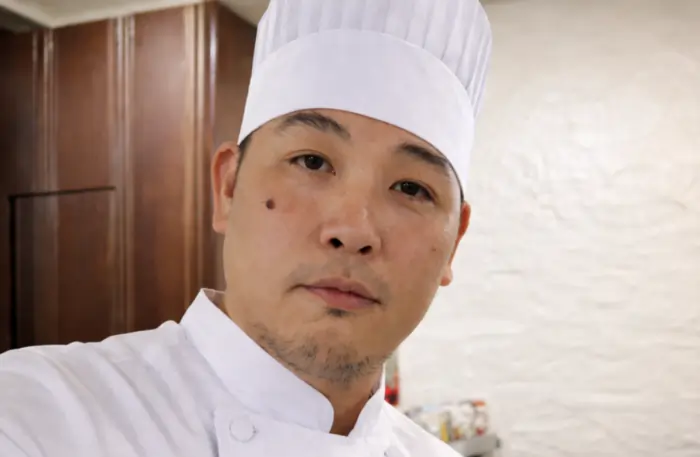
Chef Juan Gadi brings the heart of Filipino hospitality to Ubud, Bali. As an Executive Chef and consultant, he specializes in creating intimate, curated dining experiences that tell a story through every dish. Whether leading the kitchen at Kilig Filipino Warung or hosting a private villa dinner, Chef Juan’s approach is defined by warmth, modern technique, and a commitment to culinary excellence.