
Memorable Travel Experiences Often Begin Around a Table Key Takeaways
Some of the most unforgettable travel moments happen not at monuments or viewpoints, but over a shared meal.
- Memorable travel experiences often begin around a table because food taps into our senses, emotions, and social bonds simultaneously.
- Shared meals act as a gateway to cultural immersion, allowing travelers to taste traditions and build genuine connections.
- Intentional hospitality — from warm greetings to storytelling through dishes — transforms a meal into a lasting emotional anchor for any journey.
What Makes Memorable Travel Experiences Often Begin Around a Table
I have spent years in kitchens around the world, but nothing prepared me for the moment I sat down at a small, worn table in a fisherman’s home on the coast of Cebu. There was no menu, no polished silverware — just fresh grilled fish, a heap of garlic rice, and a bowl of vinegar dipping sauce. The fisherman’s wife smiled and gestured for me to eat. In that simple act, I understood something profound: memorable travel experiences often begin around a table because the table is where we lower our guard, open our hands, and receive not just food, but a piece of someone’s world.
As an executive chef and hospitality consultant in Ubud, Bali, I have watched this truth play out every day. Travelers arrive with itineraries full of temples and waterfalls, yet they leave with stories about the local family who taught them to roll lumpia, or the warung owner who remembered their name and spice preference. These are the moments that stick. They are not accidental; they are the result of a deep, often overlooked connection between food and travel memory formation. For a related guide, see 11 Ways Food Creates Emotional Travel Memories.
Psychologists call this the “reminiscence bump” — the tendency to vividly remember emotional, sensory-rich experiences from our travels. And nothing packs more sensory triggers than a meal. The sizzle of a wok, the aroma of lemongrass, the warmth of a hand-painted bowl — these details become the mental postcards we carry home. That is why memorable travel experiences often begin around a table: the table is a multisensory stage where taste, smell, touch, and emotion converge.
How Shared Meals and Cultural Immersion Unlock Authentic Travel
When I first moved to Bali, I thought I understood Indonesian food. I had read the blogs, watched the YouTube videos. But the real education began the night my neighbor, a grandmother named Ibu Wayan, invited me to her family compound for a shared meal. We sat cross-legged on the floor, our hands dipping into bowls of sambal and lawar. She laughed at my clumsy attempts to eat with my fingers and taught me the proper way to scoop rice. In that hour, I learned more about Balinese culture than I had in weeks of sightseeing.
This is the heart of shared meals and cultural immersion. When you share food with locals, you are not just consuming a dish — you are entering a relationship. You learn the rituals: the way food is arranged on a banana leaf, the order in which dishes are served, the blessings whispered before the first bite. These are invitations into a cultural identity that no guidebook can capture. For a related guide, see 8 Ways Food Creates Lasting Travel Memories.
For travelers, this means choosing experiences that prioritize communal eating and bonding abroad. Instead of always booking the hottest restaurant on TripAdvisor, consider a cooking class in a local home, a family-style street food tour, or a dinner hosted in a private villa where the chef shares the story of each ingredient. These are not just meals; they are portals into the soul of a destination.
Why Hospitality and Emotional Connection in Travel Matter More Than the Dish
I have had incredible food at Michelin-starred restaurants that I barely remember. And I have had a simple bowl of congee at a roadside stall in Manila that I think about weekly. The difference was not the recipe — it was the hospitality and emotional connection in travel.
The woman at the stall remembered that I had come the previous morning. She asked about my family. She added extra ginger because she saw I had a cold. That kind of care is the secret ingredient. It is what turns a transaction into a hospitality travel experience that lingers in your chest long after the meal is over.
In my own work at Kilig Filipino Warung and during private villa dinners in Ubud, I train my team to notice the small things: a guest’s hesitation before a new flavor, the excitement in their eyes when they recognize a spice from their own childhood. This is experiential hospitality psychology in action — using food as a bridge to connect, to comfort, and to celebrate. It is why I believe that the most memorable travel experiences often begin around a table: because the table is a place where hospitality becomes love in action.
The Science Behind Restaurant Experiences and Emotional Memory
Neuroscience backs up what any seasoned traveler already suspects. Our brains are wired to encode memories more deeply when multiple senses are engaged. A dish that tastes good, smells familiar, looks beautiful, and is shared with friendly people activates the hippocampus (memory) and the amygdala (emotion) simultaneously. This is the foundation of restaurant experiences and emotional memory.
Researchers at the University of Oxford have shown that when people eat together, they report higher levels of happiness and trust toward their dining companions. This phenomenon — sometimes called the “communal eating effect” — explains why social connection in travel experiences is so often forged over meals. When strangers break bread, they become friends. When solo travelers join a communal table, they find belonging.
Food Tourism Psychology: Why We Crave Authenticity at the Table
The rise of experiential tourism dining is no accident. Travelers today are less interested in ticking boxes and more interested in transformation. They want to taste the place — literally. Food tourism psychology suggests that eating local dishes satisfies a deeper need for authenticity and belonging. We eat not just to fuel our bodies, but to feel part of a story larger than ourselves.
That is why destination cuisine experiences have become a driving force in how people choose where to travel. A trip to Italy without gelato feels incomplete. A visit to Mexico without street tacos would be a missed opportunity. But the most powerful travel bonding through meals happens when the experience goes beyond the plate — when the chef shares a family story, when the host teaches you a word in their language, when the meal becomes a shared ritual.
Practical Framework for Travelers: How to Create Meaningful Travel Moments Through Dining
Whether you are a digital nomad passing through Ubud, a couple on a honeymoon, or a travel blogger documenting your journey, you can intentionally create meaningful travel moments through dining. Here is a simple framework based on what I have learned from hosting hundreds of travelers at our table:
| Step | Action | Why It Creates Memorable Travel Experiences Often Begin Around a Table |
|---|---|---|
| 1 | Eat where locals eat, not just where influencers go | Authentic settings trigger sensory travel memory triggers like the smell of a family kitchen. |
| 2 | Say yes to shared tables and family-style service | Social dining travel encourages conversation and spontaneity. |
| 3 | Ask the chef or host one question about the dish | Creates a moment of travel food storytelling that deepens memory. |
| 4 | Take a photo, but also write down one sensory detail afterward | Reinforces food memory travel by anchoring the experience in writing. |
| 5 | Choose dining experiences designed for connection | Hospitality-driven travel experiences prioritize guest comfort and story. |
Comparison: Tourist Dining vs. Immersive Cultural Dining
Not all meals are created equal. Here is how typical tourist dining compares to immersive cultural dining:
| Dimension | Tourist Dining | Immersive Cultural Dining |
|---|---|---|
| Connection | Transactional (eat, pay, leave) | Relational (conversation, shared story) |
| Memory trigger | Instagram photo only | Multiple senses + emotional bond |
| Cultural depth | Surface-level (menu translation) | Contextual (ingredient origin, ritual) |
| Hospitality | Efficient but impersonal | Warm, attentive, personalized |
| Lasting impact | Fades quickly | Becomes a food-centered travel memory |
Common Mistakes Travelers Make (and How to Avoid Them)
Even well-intentioned travelers can miss the magic. Here are three pitfalls I see most often:
- Chasing trends over connection. Booking a famous restaurant because it is viral usually yields great photos but shallow memories. Instead, prioritize table dining experiences where interaction is encouraged.
- Eating alone with a phone. When you dine solo, try sitting at the bar or a communal table. Say hello. You will be surprised how many locals or fellow travelers are happy to share a story — and a plate.
- Treating food as fuel. Rushing through meals to fit in more sights robs you of the very moments that make travel unforgettable. Travel lifestyle dining experiences are about slowing down and savoring.
Useful Resources
To dive deeper into the psychology of food and travel memory formation, I recommend these two excellent resources:
- Psychology Today — Memory Basics — A reliable overview of how emotional and sensory experiences are encoded in the brain, supporting why memorable travel experiences often begin around a table.
- ScienceDirect — Food Memory Research — Academic insights into the neural pathways that connect taste, smell, and autobiographical memory formation.
Frequently Asked Questions About Memorable Travel Experiences Often Begin Around a Table
As Chef Juan Gadi, I have seen the table work its magic hundreds of times. Whether I am plating a modern twist on adobo at Kilig Filipino Warung or hosting a private dinner overlooking the rice terraces of Ubud, the result is always the same: people leave not just full, but changed. They carry a story back home. They remember the warmth of the host, the laughter that bubbled up between courses, the way a dish unlocked a new understanding of a culture. That is the power of the table. So the next time you travel, do not just eat — sit down, look up, and let the meal begin. Because the most memorable travel experiences often begin around a table.
Frequently Asked Questions About Memorable Travel Experiences Often Begin Around a Table
Why do memorable travel experiences often begin around a table ?
The table is a natural gathering place where sensory engagement — taste, smell, touch — combines with social bonding. This creates a powerful emotional context that helps encode the experience into long-term memory more deeply than passive sightseeing.
How does food create lasting travel memories?
Food activates multiple brain regions simultaneously — the olfactory bulb for smell, the gustatory cortex for taste, and the hippocampus for memory. When a meal is paired with positive social interaction or a unique setting, those neural connections strengthen, making the memory vivid and durable.
Why are shared meals important in travel experiences?
Shared meals foster trust, reduce social distance, and create a sense of belonging. This is especially powerful when traveling abroad, where communal eating travel can turn strangers into companions and transform a simple dinner into a meaningful cultural exchange.
How does dining influence cultural immersion while traveling?
Dining exposes travelers to local ingredients, cooking techniques, and eating rituals that are often windows into deeper cultural values. Participating in a traditional meal — rather than just observing — is a form of cultural dining experiences that builds empathy and understanding.
What makes food a central part of travel storytelling?
Food is relatable, sensory, and universally understood. When travelers tell stories about what they ate, they can describe flavors, aromas, and the people they shared the meal with. This makes travel food storytelling a powerful tool for connecting audiences to a destination.
How do restaurants shape emotional travel memories ?
Restaurants that prioritize hospitality — remembering a guest’s name, offering a personalized dish, sharing the story behind a recipe — create emotional resonance. These restaurant travel experiences become touchstones that travelers revisit in their minds for years.
Why do travelers remember meals more than places?
Meals are inherently interactive and multisensory, while landmark visits are often visual only. The act of eating together also produces oxytocin, the bonding hormone, which strengthens emotional attachment to the memory. This is why food travel memories often feel more personal than photos of monuments.
How does hospitality enhance travel dining experiences ?
Hospitality creates a sense of safety and welcome that allows travelers to relax and be present. Genuine warmth from a host or chef transforms a meal from a service into a gift, deepening the emotional impact and making the experience unforgettable.
What role does culture play in food tourism ?
Culture defines what people eat, how they prepare it, and the rituals surrounding the meal. Culinary tourism psychology shows that travelers are drawn to food that tells a story about place and people, making culture an essential ingredient in the appeal of global cuisine exploration.
How do communal meals strengthen travel connections?
When strangers share a meal, they engage in reciprocal behaviors like passing dishes, pouring drinks, and exchanging stories. These small acts of cooperation build rapport and trust, which is why group dining travel so often leads to lasting friendships.
What makes dining experiences meaningful during travel?
Meaning arises when a meal connects you to something larger — a culture, a family, a history, or yourself. Experiential tourism dining that includes storytelling, local ingredients, and genuine hospitality elevates a meal from routine to ritual.
What are the best travel dining experiences for solo travelers?
Solo travelers gain the most from communal tables, cooking classes, and chef-hosted dinners. These settings encourage interaction and provide built-in social connection, making the meal as much about relationship as about food.
How can I find authentic cultural dining experiences abroad?
Look beyond restaurant review apps. Ask locals, visit markets, check community boards, and book experiences through platforms that prioritize home dining or chef-hosted events. Immersive dining experiences often happen in private homes or small family-run establishments.
What is food tourism and why is it growing?
Food tourism is travel specifically motivated by the desire to experience a destination’s cuisine. It is growing because modern travelers value authentic, hands-on experiences over passive observation, and food offers an accessible, delicious entry point into culture.
How do sensory travel experiences relate to dining?
Dining is one of the most sensory-rich activities a traveler can engage in. The combination of taste, aroma, texture, sight, and sound creates a multi-layered impression that is more likely to be encoded in memory than a purely visual experience.
What is the table as social and cultural space concept?
The table is more than furniture — it is a cultural microcosm where rules of etiquette, sharing, and conversation are enacted. Understanding the table as a social and cultural space helps travelers read the unspoken codes of a destination and participate more fully.
How can hospitality-driven travel experiences be designed?
Design begins with empathy: anticipate what a guest needs before they ask. Train staff to notice emotional cues, personalize interactions, and share stories. Every detail — from the welcome drink to the farewell gesture — should reinforce warmth and care.
Why is shared dining and storytelling so powerful?
Humans are wired for narrative. When we eat together and share stories — about the food, our lives, our travels — we co-create a memory that belongs to the group. This shared ownership makes the experience more vivid and meaningful.
How do destination cuisine experiences influence trip planning?
Many travelers now prioritize destinations based on food reputation. Destination cuisine experiences serve as anchor points around which entire itineraries are built — from market visits to cooking classes to signature restaurant reservations.
What is the emotional impact of food experiences on travel satisfaction?
Positive food experiences significantly boost overall travel satisfaction. They create high points that travelers recall with fondness and often influence whether they recommend a destination to others. The emotional impact of food experiences can even overshadow negative aspects of a trip.
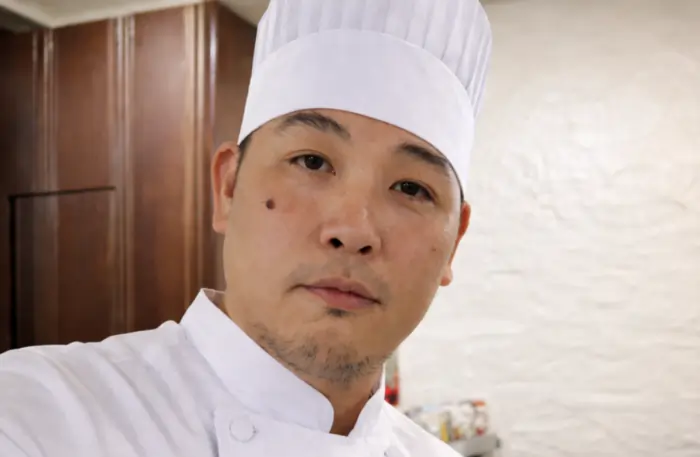
Chef Juan Gadi brings the heart of Filipino hospitality to Ubud, Bali. As an Executive Chef and consultant, he specializes in creating intimate, curated dining experiences that tell a story through every dish. Whether leading the kitchen at Kilig Filipino Warung or hosting a private villa dinner, Chef Juan’s approach is defined by warmth, modern technique, and a commitment to culinary excellence.