
Dining Details That Elevate Every Guest Experience Key Takeaways
Research in hospitality psychology shows that positive micro-interactions trigger dopamine release, creating an emotional connection to the venue.
- Dining details that elevate every guest experience include micro-interactions like a warm greeting, personalized menu notes, and thoughtful pacing.
- Strategic hospitality experience design covers everything from lighting and acoustics to table setup and service rhythm.
- Investing in restaurant service excellence and premium dining experience design directly increases guest retention and revenue per visit.

What Makes Dining Details That Elevate Every Guest Experience So Powerful?
Guests often forget what they ate, but they never forget how you made them feel. This emotional truth lies at the heart of hospitality experience design. Every choice — from the napkin fold to the farewell gesture — communicates care, intention, and respect for the guest’s time and money.
Research in hospitality psychology shows that positive micro-interactions trigger dopamine release, creating an emotional connection to the venue. When these small moments accumulate, they build a powerful restaurant brand experience that guests want to repeat and recommend.
“The difference between a good restaurant and a great one is rarely the food. It is the sum of every small detail that tells the guest they matter.”
1. The Warm Welcome: First Impressions That Last
The host stand sets the tone for the entire meal. A genuine smile, eye contact, and immediate acknowledgment — even if the table isn’t ready — signal that the guest is valued. This first micro-interaction directly influences guest satisfaction strategies for the rest of the evening.
How to Do It Right
- Greet guests within 15 seconds of arrival
- Use their reservation name before they offer it
- Offer a brief, sincere welcome that mentions the occasion if known
Hotels and resorts can extend this by having a dedicated greeter who escorts guests to the table, offering a brief introduction to the restaurant concept along the way.
2. Sensory Atmosphere Design: Beyond Lighting and Music
True ambiance and dining atmosphere design engages all five senses. The right scent (fresh bread, subtle floral), the perfect noise level (buzzy but not loud), and textures (linen napkins, weighted cutlery) all contribute to a cohesive mood.
Consider these sensory dining design elements:
| Sense | Detail | Impact on Guest |
|---|---|---|
| Sound | Curated playlist volume at 60-65 dB | Encourages conversation without strain |
| Smell | Subtle signature scent in entry and restrooms | Triggers positive memory recall |
| Touch | Weighted glassware and quality linens | Signals premium quality and care |
| Sight | Warm color palette and layered lighting | Creates intimacy and visual comfort |
Fine dining establishments often invest in acoustic panels to reduce echoing, ensuring fine dining service details aren’t drowned out by noise.
3. Table Settings That Whisper Luxury
Every item on the table tells a story. Clean, aligned, and intentional placement communicates professionalism. Luxury hospitality touches include:
- Fresh flowers or a single stem in a small vase
- Personalized menu cards for regular guests
- High-quality, non-drip salt and pepper mills
- Properly ironed tablecloth without a single crease
These premium dining experience design elements make guests feel like they are entering a special space, not just another restaurant.
4. The Art of Personalization: Remembering Preferences
Personalized guest service dining is no longer a luxury — it is an expectation. Using a CRM system to track dietary restrictions, favorite tables, and past orders allows staff to anticipate needs before they are spoken.
For example, if a guest orders a specific wine on every visit, having it already decanted upon arrival creates a memorable moment. This level of customer delight strategies in restaurants turns occasional visitors into loyal regulars.
“Personalization is the highest form of respect in hospitality. It says, ‘I see you, I remember you, and I value you.'”
5. Pacing and Timing: The Invisible Art
Nothing disrupts a guest’s flow like rushed service or long waits. Proper restaurant service excellence requires balancing efficiency with relaxation. The goal is to match the guest’s energy: a celebratory dinner moves faster, while a romantic date benefits from lingering pauses.
Staff training programs focused on reading body language and conversational cues improve service quality improvement strategies. A simple “Would you like another course or just dessert?” helps gauge desired pace.
6. The First Bite: Food Presentation and Plating Impact
They eat with their eyes first. Food presentation and plating impact guests’ perception of taste before the fork even touches the mouth. Clean lines, vibrant colors, and edible garnishes that serve a purpose (texture, acidity, freshness) elevate the dish.
Plating Principles for Premium Impact
- Use negative space to focus attention on the main ingredient
- Serve sauces with a brush stroke or spoon drag for elegance
- Garnish with fresh herbs that add aroma, not just decoration
This attention to detail reinforces memorable dining experience creation and makes each plate Instagram-worthy without trying.
7. Beverage Service: More Than a Drink
Water service, wine pairing, and cocktail presentation are opportunities for service innovation in hospitality. Pouring water from the right, suggesting a wine that complements the guest’s chosen dish, and presenting a cocktail with a brief story about its ingredients all deepen the experience.
Luxury venues train staff to offer two water options (still and sparkling) and to describe the source. Such fine dining service details show guests that even the simplest components are curated.
8. Micro-Interactions That Build Connection
Micro-interactions in hospitality are the small, often automatic exchanges that cumulatively define service quality. Examples include:
- A warm “How is everything tasting today?” with eye contact
- Replacing napkins that fall without being asked
- Refilling water glasses before they are half empty
These tiny actions signal that the team is attentive and proactive, directly contributing to guest retention through dining experience.
9. The Restroom as a Reflection of Standards
Many operators overlook this space, but it is a powerful indicator of overall quality. Customer experience optimization in restaurants means treating the restroom as an extension of the dining room. Clean, scented, stocked with premium soap and paper towels, and checked every 20 minutes.
Resorts and luxury hotels often add fresh flowers, a small mirror shelf for touch-ups, and a faint signature scent. This attention reinforces hospitality experience design consistency.
10. The Farewell: Leaving a Lasting Impression
The departure should be as thoughtful as the welcome. A genuine thank-you, a brief inquiry about future plans (“Will we see you for the weekend brunch?”), and a small parting gift — a house-made cookie, a branded matchbox — create emotional hospitality experiences that remain long after the meal ends.
This final restaurant customer journey optimization step is frequently ignored, yet it is one of the most cost-effective loyalty builders available.
11. Training and Consistency: Sustaining the Details
None of the above matters without consistent execution. Hospitality training best practices involve scripting key interactions, conducting pre-service briefings, and using mystery guest audits to maintain standards.
Create a checklist that includes all 11 details and review it weekly with the team. This ensures that every shift delivers the same high-level experiential dining design. When consistency is high, guest satisfaction becomes predictable — and so does revenue growth.
Useful Resources
For deeper guidance on guest satisfaction strategies, explore these external resources:
- Restaurant Hospitality: 10 Habits of Successful Restaurant GMs
- Hospitality Net: The Art of Micro-Interactions in Guest Service
Frequently Asked Questions About Dining Details That Elevate Every Guest Experience
What are the most important dining details that elevate every guest experience ?
The most impactful details include the initial greeting, table setting aesthetics, personalized service, food presentation, and the farewell gesture. Together, these create an emotional arc that guests remember. For a related guide, see 12 Catering Details Guests Always Remember Most.
How does hospitality experience design differ from standard service?
Hospitality experience design focuses on intentional, curated moments at every touchpoint — from the parking lot to the exit — rather than just delivering food and drink efficiently. It is proactive, not reactive.
What is the role of micro-interactions in guest satisfaction?
Micro-interactions — like a genuine compliment on a guest’s choice or a quick menu change check — build rapport and trust. They signal attentiveness and care, which directly boosts satisfaction scores.
Can small independent restaurants compete with luxury hotel dining on experience?
Absolutely. Personalization and warmth are not budget-dependent. A small restaurant that remembers regulars’ names, favorite dishes, and occasions creates loyalty that often surpasses larger operations.
How do I train my team to focus on dining details?
Implement a daily pre-service meeting where one detail is highlighted and role-played. Use a checklist for opening and closing duties, and reward staff who receive guest compliments about the details.
What is sensory dining design ?
Sensory dining design engages sight, sound, smell, touch, and sometimes taste beyond the food itself. It creates a fully immersive atmosphere that heightens the overall experience and emotional connection. For a related guide, see 8 Ways Atmosphere Enhances Every Dining Experience.
How does lighting affect the guest experience?
Warm, dimmable lighting encourages relaxation and intimacy, while harsh or overly bright lighting can make diners feel exposed and rushed. Layered lighting at different heights creates depth and mood.
What are some examples of luxury hospitality touches in dining?
Examples include personalized menus, amuse-bouche with a written note, espresso served with a small handmade cookie, and a warm towel at the end of a meal.
How can I improve guest retention through dining experience ?
Surprise regulars with a complimentary dessert on a milestone visit, send a handwritten thank-you note after a large party, and always follow up on dietary restrictions during the next reservation.
Is experiential dining design only for fine dining?
No. Casual restaurants, fast-casual chains, and even cafes can use experiential design — through music, unique packaging, storytelling about ingredients, or interactive ordering kiosks.
What is the biggest mistake restaurants make with service excellence?
The most common mistake is inconsistency. A great first visit followed by a mediocre second visit undermines trust. Standardizing the 11 details across all shifts solves this.
How do I measure the impact of dining details on guest satisfaction?
Use post-meal surveys that ask specific questions about the greeting, atmosphere, service pace, and departure. Track Net Promoter Score (NPS) monthly and compare reviews to before you implemented changes.
What is the restaurant customer journey optimization framework?
It maps every step from discovery (online presence) to post-visit (follow-up email). Optimizing each stage ensures a seamless experience that reduces friction and maximizes delight.
How can I use hospitality psychology to improve service?
Understand that guests want to feel control and recognition. Offer choices (“Would you prefer still or sparkling water?”) and use their name naturally. These small psychological nudges increase comfort.
What are the best service innovation in hospitality examples recently?
Digital menu QR codes that adapt to time of day, AI-driven wine pairing suggestions, and contactless payment that doesn’t interrupt conversation are current innovations that enhance the flow.
How do I create experiential tourism dining at my resort?
Offer culinary workshops with local chefs, farm-to-table storytelling during the meal, and themed dinners that reflect regional traditions. Tie the dining narrative to the destination’s culture.
What training methods improve restaurant service excellence ?
Role-playing common scenarios, video feedback sessions, and mentorship pairings between experienced and new staff are highly effective. Short weekly refreshers on one specific detail work best.
Can ambiance and dining atmosphere design really increase check averages?
Yes. According to Cornell University studies, softer lighting and appropriate music encourage guests to linger and order additional courses or drinks, raising the average ticket by 12–18%.
What is the role of emotional hospitality experiences in loyalty?
Emotional experiences — being celebrated on a birthday, receiving a surprise dish — create a bond that goes beyond price. Guests return for the feeling, not just the food.
How often should I update my dining details strategy?
Review and refresh your approach quarterly. Gather team feedback, analyze guest comments, and test one new detail each month. Small, consistent improvements sustain excellence.
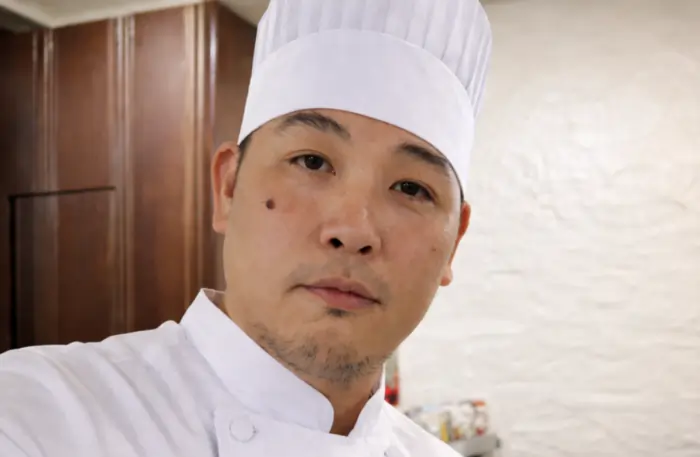
Chef Juan Gadi brings the heart of Filipino hospitality to Ubud, Bali. As an Executive Chef and consultant, he specializes in creating intimate, curated dining experiences that tell a story through every dish. Whether leading the kitchen at Kilig Filipino Warung or hosting a private villa dinner, Chef Juan’s approach is defined by warmth, modern technique, and a commitment to culinary excellence.