
Reasons Travelers Love Intimate Dining Experiences Key Takeaways
Travelers increasingly choose intimate dining experiences over crowded restaurants because these settings offer personalized service, emotional connection, and a deeper sense of place.
- Intimate dining experiences prioritize privacy, customization, and human connection over volume and speed.
- Exclusive settings like villa dining and chef-curated tables allow travelers to engage with local culture in a relaxed environment.
- Small-group meals create stronger social bonds and leave deeper emotional imprints than traditional restaurant outings.

What Makes Intimate Dining Experiences So Appealing to Modern Travelers
Travel has shifted from ticking off landmarks to collecting meaningful moments. Food, as a universal connector, now plays a starring role in that shift. But not just any food — travelers crave meals that feel personal, exclusive, and emotionally resonant. This is where intimate dining experiences come in. They strip away the noise of crowded dining rooms and replace it with focused attention, curated flavors, and genuine interaction. For many, the reasons travelers love intimate dining experiences boil down to one central idea: the meal becomes about more than eating — it becomes a story.
An overview of reasons travelers love intimate dining experiences by exploring how personalized service, exclusive settings, and emotional connection make meals more meaningful during travel reveals a clear pattern. People want to feel seen, not just served. They want to learn the story behind the olive oil, hear the chef’s inspiration for a dish, or share a laugh with a local host in a quiet courtyard. This is not a passing fad but a fundamental redefinition of what dining means on the road. For a related guide, see Why Intimate Dining Creates More Meaningful Memories.
1. Personalized Service That Feels Genuine
The first and perhaps most universal reason is the quality of attention. In a typical restaurant, the server rotates through dozens of tables. In an intimate dining experience, the host, chef, or server focuses entirely on your small group. This allows for real-time adjustments — a dish made less spicy on request, a wine chosen based on your exact palate, or a surprise course celebrating a birthday. This level of personalized dining experience transforms a transaction into an interaction. Travelers remember being asked what they loved about the meal, not just being handed a check.
How Personalized Service Improves Dining Satisfaction
When a chef knows you are celebrating an anniversary and designs a dessert accordingly, the meal becomes a gift. Personalized dining experience is not about extravagance; it is about thoughtfulness. Studies in hospitality show that guests who feel personally attended to rate their satisfaction significantly higher — even if the food itself is simpler. This is why boutique hotels and private villas invest heavily in training staff to read guest preferences.
2. Privacy That Creates Comfort and Freedom
Not every traveler wants to eat in a room full of strangers. Whether you are navigating a language barrier, discussing sensitive business, or simply wanting to be yourself without judgment, private dining experience offers a sanctuary. Exclusive dining travel often means having a table on a secluded beach, a rooftop with no other guests, or a wine cellar just for your party. Privacy allows guests to relax fully, which in turn deepens their enjoyment of the meal.
Why Is Privacy Important in Dining Experiences
Privacy removes performance anxiety. You can ask questions about ingredients, laugh loudly at a bad joke, or take off a jacket without worrying about appearances. For introverts or couples on a romantic trip, this freedom is invaluable. It also enables more honest conversations, which leads to stronger emotional bonds.
3. Emotional Connection Through Curated Ambiance
Ambiance is not just background music and candlelight; it is the emotional tone set by lighting, scent, sound, and layout. Emotional dining experience relies on every sensory detail aligning with the mood of the meal. A dinner under the stars with the sound of waves in the distance creates a different emotional register than a meal in a bustling city square. Travelers seek romantic dining travel precisely because the environment amplifies their feelings. When the ambiance is curated with intention, the meal becomes a memory that surfaces years later with vivid clarity. For a related guide, see Why Guests Remember Exceptional Dining Experiences.
What Role Does Ambiance Play in Intimate Dining Experiences
Ambiance sets the stage for emotional engagement. Soft lighting relaxes the nervous system. A well-chosen playlist can evoke nostalgia or excitement. The scent of herbs from a nearby garden grounds you in the place. In intimate dining experiencesemphasis>, every element is chosen to support connection, not distraction.
4. Chef-Curated Menus That Tell a Story
A menu designed by a chef who understands local ingredients and your preferences is a form of storytelling. Chef curated meals often begin with a conversation: What do you like? Any allergies? Are you adventurous or prefer classics? The resulting courses reflect the season, the region, and the chef’s personal vision. This turns eating into an educational journey about local agriculture, cooking techniques, and cultural traditions. For food tourism experiences, this is the gold standard.
5. Deeper Connection to Local Culture
Intimate dining often takes place in homes, farms, or small family-run venues where travelers interact directly with locals. Cultural dining experiences allow you to learn how to make pasta from a nonna in Tuscany or share tea with a host family in Morocco. These moments cannot be replicated in a chain restaurant. The reasons travelers love intimate dining experiences include the chance to taste authenticity — food made with generational knowledge, served with pride.
How Do Cultural Settings Enhance Intimate Dining
When you eat in a place that holds personal meaning for the host, the food carries context. A kitchen garden, a family recipe, a handmade ceramic plate — all these elements communicate culture without a single word. Travelers leave with not just a full stomach but a richer understanding of the place they visited.
6. Stronger Social Bonding in Small Groups
Shared meals have always been central to human bonding. In small group settings — whether a couple, a family, or a group of friends — conversation flows more freely. Experiential travel food emphasizes participation: passing dishes, toasting to new discoveries, laughing over a shared dessert. This strengthens relationships in ways that a noisy restaurant cannot match.
How Do Shared Meals Strengthen Travel Relationships
When a meal is an experience rather than a logistics stop, it becomes a shared reference point. Couples remember the dinner they cooked together during a villa dining experience. Friends recall the private chef who taught them how to pair wine with local cheese. These stories become part of the group’s identity, reinforcing bonds long after the trip ends.
7. Exclusivity and the Joy of Being “In the Know”
There is a certain thrill in accessing something not everyone can have. Exclusive dining travel includes rooftop dinners in secret gardens, underground supper clubs, or tables at a chef’s counter that seats only six. This sense of exclusivity adds a layer of magic. Travelers feel like insiders, privy to a secret world. For luxury travelers, this is often the deciding factor between a good trip and a great one.
8. Villa Dining Experience: The Ultimate Freedom
Among all formats, villa dining experience stands out for its flexibility and comfort. Renting a private villa with a chef means breakfast whenever you wake, lunch by the pool, and dinner under the stars — all without leaving your temporary home. It blends the convenience of a private kitchen with the luxury of professional cooking. For families with children, honeymooners, or groups of friends, villa dining eliminates the friction of restaurant reservations and travel time.
What Makes Private Chef Experiences Popular Among Tourists
Private chefs bring the restaurant to you. They shop at local markets, adapt to dietary needs, and clean up afterward. Tourists love this because it removes all planning burden while adding a personal touch. It is the ultimate expression of hospitality dining experience — service tailored entirely to the guest.
9. Destination Dining in Unforgettable Locations
Some meals are memorable because of where they happen. Destination dining experiences take travelers to places they would never normally eat: a cave lit by torches, a platform in the middle of a rice field, a boat anchored at sunset. These settings amplify the emotional impact and make the meal a centerpiece of the travel story. Photographs from these dinners often become the most-shared moments on social media, but the real value is the internal memory — the feeling of being completely present in an extraordinary place.
How Do Private Dining Experiences Enhance Travel Memories
Because intimate dining engages multiple senses and occurs in a unique context, it creates stronger memory encoding. The brain links the taste of a dish with the sight of a sunset, the sound of music, and the warmth of the evening air. Years later, a single bite can bring back the entire scene.
10. Memorable Storytelling That Lasts a Lifetime
The final reason is perhaps the most important: stories. Travelers return home with tales — not of the hotel lobby or the airport delay, but of the dinner where they learned to make tagine, the chef who shared his grandmother’s recipe, the surprise course that made the table gasp. Travel dining memories are the souvenirs that never gather dust. They become part of personal identity and are shared with friends, family, and even readers if the traveler is a blogger. In the age of experiential travel, the meal is the story.
Comparison: Large Group Dining vs. Intimate Dining Experiences
| Aspect | Large Group Dining | Intimate Dining |
|---|---|---|
| Service | Standard, rotated waiter | Personalized, one-on-one attention |
| Ambiance | Noisy, general | Curated, quiet, intentional |
| Customization | Limited | High — menu adapted to preferences |
| Social Bonding | Surface-level conversations | Deep connection and shared storytelling |
| Emotional Impact | Moderate | High — often unforgettable |
| Privacy | Low | High |
This comparison shows why the reasons travelers love intimate dining experiences are rooted in human needs: to be seen, to connect, and to feel that a moment matters.
Why Intimate Dining Has Become a Key Trend in Luxury and Experiential Travel
The shift toward luxury travel dining is not about spending more money — it is about spending attention. In a world of mass tourism, intimate dining offers an antidote: quiet, personal, and authentic. Hotels and travel companies now compete not on the size of their buffet but on the uniqueness of their private dinners. The trend reflects a broader desire for connection, authenticity, and memorable storytelling. For travelers, the choice is clear: a meal that feeds the soul as much as the body.
Useful Resources
For further reading on the psychology of dining experiences, visit ScienceDirect’s study on experiential dining and memory. To explore luxury travel trends, see Forbes’ analysis of experiential dining in luxury travel.
Frequently Asked Questions About Reasons Travelers Love Intimate Dining Experiences
Why do travelers love intimate dining experiences ?
Travelers love them because they offer personalized service, emotional connection, privacy, and a deeper engagement with local culture, transforming a meal into a lasting memory.
What makes intimate dining more special than regular restaurants?
Intimate dining provides undivided attention, customized menus, and a curated atmosphere, whereas regular restaurants prioritize volume and speed, often sacrificing personal interaction.
How do private dining experiences enhance travel memories?
They engage multiple senses in a unique setting, creating strong emotional imprints that are easily recalled. The story of the meal often becomes a treasured travel memory.
Why do couples prefer intimate meals while traveling?
Couples value privacy, romance, and unhurried time together. Intimate dining removes distractions and allows them to focus on each other in a beautiful environment.
What role does ambiance play in intimate dining experiences ?
Ambiance sets the emotional tone. Soft lighting, music, scent, and setting all work together to relax guests, heighten emotions, and make the meal more memorable.
How does personalized service improve dining satisfaction?
When service is tailored to individual preferences, guests feel valued and understood, which significantly increases satisfaction and willingness to recommend the experience.
Why do travelers seek exclusive food experiences?
Exclusive food experiences offer a sense of discovery and status. Travelers enjoy access to hidden or limited experiences that feel special and unrepeatable.
How does intimate dining create emotional connections?
By removing distractions and encouraging focused interaction between guests and hosts, intimate dining fosters genuine conversation and shared joy, building emotional bonds.
What makes private chef experiences popular among tourists?
Private chefs offer convenience, customization, and a personal touch. Tourists enjoy watching meals prepared in their own space and learning about local ingredients firsthand.
How do shared meals strengthen travel relationships?
Shared meals in an intimate setting become collective experiences. They create inside jokes, mutual discoveries, and a sense of teamwork, all of which strengthen bonds.
Why is privacy important in dining experiences?
Privacy allows guests to relax, be themselves, and engage in meaningful conversation without feeling observed or rushed. It is essential for deep connection.
How do cultural settings enhance intimate dining?
Cultural settings provide authenticity and context. Eating in a local home, farm, or historical site immerses travelers in traditions and stories that enrich the meal.
What are the benefits of small group dining experiences?
Small groups enjoy more interaction, greater menu flexibility, and a cozier atmosphere. The meal feels personal rather than transactional.
How do luxury travel experiences include intimate dining?
Luxury travel often bundles private chef dinners, villa dining, and exclusive venue rentals as signature experiences that differentiate their offerings from standard packages.
What makes intimate dining unforgettable for travelers?
The combination of personalized attention, extraordinary setting, and emotional resonance creates a strong memory that is often recounted as the highlight of a trip.
Is intimate dining only for couples?
No, intimate dining works for solo travelers, families, friend groups, and business travelers alike. The key is the small, personalized nature, not the romantic component.
How can I find intimate dining experiences while traveling?
Search for private chef platforms, boutique hotels with dining experiences, or local supper clubs. Travel blogs and luxury travel agencies also offer curated recommendations.
Are intimate dining experiences expensive?
They can be, but options exist at various price points. A home-cooked meal with a local family costs less than a Michelin-starred private dinner, yet both offer intimacy.
Do intimate dining experiences accommodate dietary restrictions?
Yes, they are often more flexible than large restaurants because the chef can adapt the menu to individual needs when given advance notice.
What is the best time of day for an intimate dining experience?
Sunset dinners and late lunches tend to be most popular because the light, temperature, and mood are ideal. However, breakfast and brunch can also be intimate if the setting is right.
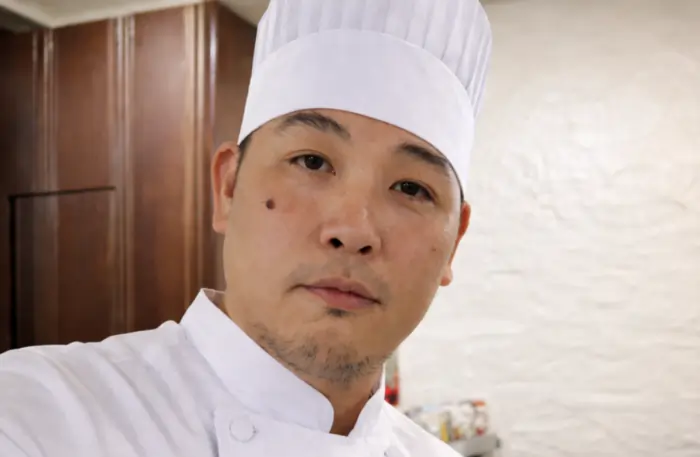
Chef Juan Gadi brings the heart of Filipino hospitality to Ubud, Bali. As an Executive Chef and consultant, he specializes in creating intimate, curated dining experiences that tell a story through every dish. Whether leading the kitchen at Kilig Filipino Warung or hosting a private villa dinner, Chef Juan’s approach is defined by warmth, modern technique, and a commitment to culinary excellence.