
Role of Hospitality in Creating Lasting Memories Key Takeaways
The role of hospitality in creating lasting memories goes far beyond serving food or providing a bed for the night.
- The role of hospitality in creating lasting memories hinges on emotional resonance, not just functional service.
- Key drivers include personalized service and guest satisfaction , micro-moments in hospitality experiences , and sensory hospitality experiences .
- Actionable insights from hospitality psychology and emotional memory help professionals design deeper guest engagement.

What Is the True Role of Hospitality in Creating Lasting Memories?
When a guest steps into your property—whether a warung in Ubud or a luxury resort in Bali—they are not just buying a meal or a room. They are buying a memory. The role of hospitality in creating lasting memories is to transform every transaction into a meaningful exchange. This depth comes from hospitality-driven emotional connection, where every interaction affirms the guest’s worth and story. For a related guide, see 10 Travel Moments That Feel More Meaningful Around Food (+ Chef Insights).
At Kilig Filipino Warung, I recall a couple celebrating their 25th anniversary. They expected a nice dinner. Instead, they received a hand-written note from our team, a small dessert inscribed with their wedding date, and a story shared between courses. That evening became a cornerstone of their Bali memories—not because of the decor, but because of the warmth. That is the emotional impact of service excellence in action.
How Does Guest Experience Design in Hospitality Shape Memory?
Guest experience design in hospitality is the deliberate orchestration of every touchpoint a guest has with your brand. From the moment they search online to the farewell gift, each step is a chance to deepen hospitality and memory formation.
Mapping the Customer Journey in Hospitality
Understanding the customer journey in hospitality helps you identify where memories are made. Pre-arrival, arrival, stay, dining, departure, and post-stay are all critical. For example, a welcome drink isn’t just a drink—it’s a sensory signal that says, “You are safe, you are valued.” Use guest engagement strategies at every point to create coherence.
Designing for Micro-Moments in Hospitality Experiences
Some of the most powerful memories come from micro-moments in hospitality experiences. A chef remembering a guest’s allergy from a previous visit. A front desk clerk learning a guest’s name before they check in. These moments, though brief, are emotionally dense. They form the core of meaningful guest interactions.
Emotional Impact of Service Excellence: Why It Matters
The emotional impact of service excellence is not abstract—it is measurable. Studies in hospitality psychology and emotional memory show that emotionally charged events are encoded more deeply in the brain. When a guest feels genuinely cared for, their brain releases oxytocin and dopamine, chemicals tied to bonding and pleasure.
In my private villa dinners in Ubud, I often prepare a dish that connects to the guest’s own heritage. For a traveler from Japan, I might incorporate dashi into a Filipino dish. The moment of recognition—the taste of home in a foreign land—creates a hospitality-driven emotional connection that lasts a lifetime.
Personalized Service and Guest Satisfaction: The Bedrock of Loyalty
Personalized service and guest satisfaction are inseparable. Generic service meets expectations; personalized service exceeds them. Service quality and guest loyalty increase dramatically when guests feel the service was tailored just for them.
Techniques for Personalization
- Preference memory: Logging dietary restrictions, room temperature preferences, or favorite drinks.
- Surprise gestures: A dessert sent to the room on a special date known from the booking form.
- Cultural curiosity: Asking about the guest’s background and weaving that into the experiential hospitality design.
These practices elevate customer experience in tourism and hotels from satisfactory to unforgettable.
Storytelling Through Guest Services: A Filipino Approach
Storytelling through guest services is at the heart of my culinary philosophy. Every dish at Kilig Filipino Warung carries a narrative—the story of the farmer who grew the lemongrass, the tradition of the dish’s origin, the reason we serve it a certain way. Guests don’t just eat; they participate in a story.
This aligns with luxury hospitality and emotional branding. Luxury is not about gold leaf—it’s about exclusivity and meaning. When a guest feels they are part of a story, they become emotionally invested. This creates memorable travel experiences through service that no gimmick can replicate.
Cultural Hospitality Practices: The Soul of Service
Cultural hospitality practices define how welcome feels in different places. In the Philippines, pakikisama (harmony and togetherness) and utang na loob (debt of gratitude) shape service. In Bali, Tri Hita Karana (three causes of well-being) emphasizes harmony between people, nature, and spirit. Marrying these traditions creates a unique hospitality brand experience building.
For tourism hospitality, understanding and respecting local customs is not optional—it is the foundation of service excellence in tourism industry. Guests can tell when service is authentic versus when it is scripted.
Luxury Hospitality and Emotional Branding
Luxury hospitality and emotional branding are about making guests feel exceptional. But true luxury is not about the thread count of sheets—it’s about anticipation. It’s the staff member who notices you are tired and offers a foot bath without you asking. Service excellence in this context is invisible yet profound.
Hospitality innovation and design now focuses on sensory hospitality experiences. Scent, sound, and touch all play a role. At one of my events, I piped the scent of pandan through the dining space before the first course, priming guests for a taste they would remember.
Service Quality and Guest Loyalty: The Long Game
Service quality and guest loyalty are not built by one perfect stay—they are built by consistency. Every hotel service quality metric, from response time to cleanliness, feeds into the overall guest experience.
Tourism Experience Enhancement
Tourism experience enhancement requires looking at the entire ecosystem: transportation, accommodation, dining, and activities. As a hospitality management professional, you must coordinate these elements. A guest who has a bad airport transfer but a great meal will still remember the frustration more than the food. Fix the whole journey.
Experiential Tourism Psychology: Why Guests Remember More Than Facilities
Experiential tourism psychology explains why guests remember service more than facilities. Our brains encode emotions and stories more strongly than sensory details like the color of a wall. This is why the role of hospitality in creating lasting memories cannot be outsourced to a renovation crew or a new pool. It must be baked into the culture of the team.
At my consulting practice, I work with resorts to design meaningful guest interactions that don’t require big budgets. A handwritten menu, a chef’s greeting at the table, a staff member’s personal story—these cost nothing but yield tremendous emotional dividends.
How Hospitality Businesses Can Improve Customer Loyalty
Improving customer loyalty starts with understanding the customer experience in tourism and hotels from the guest’s perspective. Use guest engagement strategies that focus on reciprocity. When guests feel you gave them something genuine—not transactional—they want to return and tell others.
- Create a loyalty program based on memories, not just points.
- Train staff to identify and act on micro-moments in hospitality experiences.
- Use follow-up communication that references specific memories from their stay.
This approach strengthens hospitality brand experience building and turns guests into advocates.
Experiential Hospitality Design in Action
Experiential hospitality design is a framework. It requires you to ask: What will the guest feel at each point? What emotion do we want them to carry away? For a recent private dinner at a villa overlooking the Ayung River, I designed a four-course menu that followed the Balinese concept of Rwa Bhineda (duality). Each dish had a contrasting flavor and story, inviting guests into a philosophical conversation. That dinner was not just a meal; it was an immersion into culture. That is the power of experiential hospitality design.
Useful Resources
For deeper insights into hospitality psychology and emotional memory, explore the work of Dr. Joseph LeDoux on emotional memory formation at his NYU faculty page. For practical frameworks on guest experience design in hospitality, the Cornell School of Hotel Administration offers world-class research and case studies.
Frequently Asked Questions About Role of Hospitality in Creating Lasting Memories
What is the role of hospitality in creating lasting memories ?
The role of hospitality in creating lasting memories is to design emotionally resonant, personalized experiences that guests encode in their long-term memory, often through surprise, warmth, and cultural connection. For a related guide, see 9 Bali Moments That Feel Even Better With Great Food.
How does service quality impact guest experience?
Service quality directly determines the emotional tone of a guest’s stay. High-quality, empathetic service activates positive memory encoding, while poor service triggers negative recall regardless of physical amenities.
Why is hospitality important in tourism?
Hospitality is important in tourism because it transforms a destination visit into a human connection. Without hospitality, tourism is just logistics. With it, every trip becomes a story worth sharing.
How do hotels create memorable guest experiences?
Hotels create memorable guest experiences by focusing on design details, staff training in emotional intelligence, and sequencing surprise moments that feel personal and unrepeatable.
What makes hospitality emotionally impactful?
Hospitality becomes emotionally impactful when it demonstrates genuine care, unexpected generosity, and cultural authenticity—ingredients that trigger the brain’s reward centers.
How does personalized service improve guest satisfaction?
Personalized service improves guest satisfaction by signaling to the guest that they are seen as an individual, not a booking number. This builds trust and fondness for the brand.
What are examples of excellent hospitality moments?
Examples include a chef remembering a returning guest’s favorite dish, a front desk upgrading a couple to the honeymoon suite without request, or a staff member taking time to teach a guest a local craft.
How does hospitality influence travel memories?
Hospitality influences travel memories by forming the emotional context around a place. Even the most beautiful location can feel empty without warm service, making hospitality the emotional anchor of the trip.
Why do guests remember service more than facilities?
Guests remember service more than facilities because human interaction triggers emotional and social memory pathways, whereas physical surroundings fade into background sensory data.
How can hospitality businesses improve customer loyalty?
Hospitality businesses can improve customer loyalty by creating repeatable emotional touchpoints, using memory-based loyalty programs, and training teams to recognize micro-moments for surprise and delight.
What role does emotion play in guest experience design?
Emotion plays the central role in guest experience design; every element should be chosen to evoke a specific feeling—comfort, wonder, belonging—at the right moment in the guest journey.
What is the difference between customer service and hospitality?
Customer service is the mechanics of fulfilling requests; hospitality is the art of making guests feel welcomed. The first is a transaction, the second is a human exchange.
How does cultural context affect hospitality?
Cultural context affects hospitality by defining what “warmth” looks like—whether it is formal respect or informal familiarity. Authentic cultural practices create deeper connection than generic service scripts.
How do luxury hotels use emotional branding?
Luxury hotels use emotional branding through narrative, exclusivity, and anticipation. They ensure that every interaction reinforces the guest’s sense of being special, from pre-arrival to post-departure.
What are micro-moments in hospitality?
Micro-moments in hospitality are brief, often unplanned interactions—like a warm smile, an unexpected upgrade, or a personalized note—that have outsized emotional impact and are disproportionately remembered.
How can small hotels compete with large chains on hospitality?
Small hotels can compete by excelling at personalization and authenticity—two things large chains often struggle with. A small team can remember names, preferences, and create intimate experiences that feel one-of-a-kind.
What is sensory hospitality design?
Sensory hospitality design deliberately engages all five senses—scent, sound, touch, taste, sight—to create a multi-layered experience that deepens memory formation and emotional resonance.
How does hospitality staff training affect guest memory?
Hospitality staff training affects guest memory by equipping employees with the skills to notice, adapt, and act on emotional cues. Trained staff create more moments of genuine connection that guests remember.
How can you measure emotional hospitality?
Emotional hospitality can be measured through guest reviews that use emotional language, repeat booking rates, and social sharing behavior. Sentiment analysis of feedback provides quantitative insight into emotional impact.
What is the future of hospitality and memory?
The future of hospitality and memory lies in hyper-personalization through data, combined with deeply human, warm service. Technology will handle logistics; humans will handle emotion, making the role of hospitality in creating lasting memories more strategic than ever.
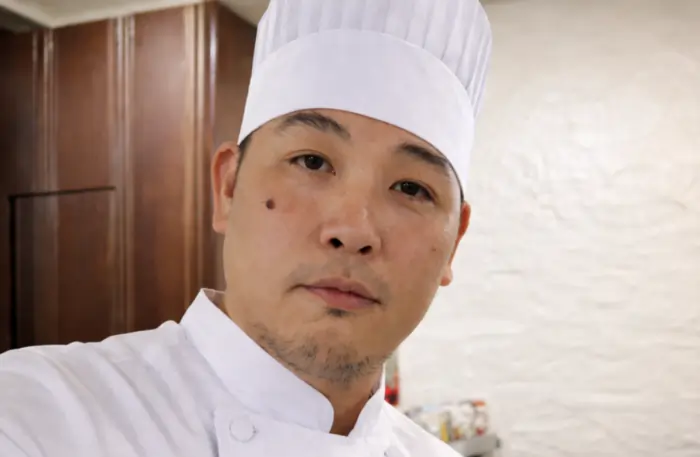
Chef Juan Gadi brings the heart of Filipino hospitality to Ubud, Bali. As an Executive Chef and consultant, he specializes in creating intimate, curated dining experiences that tell a story through every dish. Whether leading the kitchen at Kilig Filipino Warung or hosting a private villa dinner, Chef Juan’s approach is defined by warmth, modern technique, and a commitment to culinary excellence.