

Why Travelers Remember Experiences More Than Destinations Key Takeaways
I still remember the scent of calamansi and burnt sugar swirling through the warm Ubud air.
- Travel experiences that trigger emotion and sensory engagement form stronger, more detailed memories than passive sightseeing.
- Hospitality and storytelling shape memorable travel moments by creating a narrative guests want to relive and share.
- The rise of experiential tourism reflects a fundamental shift from collecting places to collecting feelings and human connection.

The Moment That Changed How I Understand Why Travelers Remember Experiences More Than Destinations
I still remember the scent of calamansi and burnt sugar swirling through the warm Ubud air. It was my first week as Executive Chef at Kilig Filipino Warung, and a guest had booked a private dinner to celebrate her mother’s 70th birthday. She told me her mother had grown up in Manila but hadn’t returned in decades. I remember thinking: I can’t give her back Manila. But I can give her back the feeling of Sunday lunch at her grandmother’s table.
That night, I served a slow-braised adobo with a side of garlic-fried rice and a story about the family who taught me the recipe. The mother wept—not because the dish was perfect (though it was), but because the experience reconnected her to a buried part of herself. The next morning, she wrote a five-paragraph review. She didn’t mention the view, the lighting, or even the location. She wrote about the laughter, the taste of home, and the warmth she felt when the chef himself came out to speak with her.
That is why travelers remember experiences more than destinations. Because destinations are static. Experiences are alive.
The Psychology of Travel Memory: How Your Brain Decides What to Keep
Neuroscientists call it the “emotional memory” effect. When an event triggers strong emotion—joy, surprise, nostalgia, even mild discomfort—the amygdala signals the hippocampus to encode that event more deeply. This is the core of travel psychology. A beautiful view may be photographed and forgotten. But a moment of genuine connection, a shared laugh with a stranger, or the taste of a dish that unlocks a forgotten memory—those are encoded with vivid sensory detail.
Why Places Fade but Feelings Stay
Research in tourism memory shows that recall of a trip is rarely tied to specific landmarks. Instead, travelers remember how they felt during a particular interaction or activity. The brain uses emotional triggers—smells, sounds, textures—as retrieval cues. That’s why a whiff of coconut oil can instantly transport you back to a beach in Thailand, even if you can’t name the resort you stayed at.
Destination vs Memory: What Travelers Actually Recall
Study participants who kept travel diaries were asked six months later what they remembered most. Overwhelmingly, they recalled moments of shared travel experiences (laughing with friends, meeting locals) and novel sensory encounters (trying a strange fruit, walking through a spice market). They rarely recalled the name of the hotel chain or the exact route of a tour. This confirms the experience vs destination distinction: a destination is a backdrop; an experience is the story.
How Experiential Tourism Is Reshaping the Travel Industry
The numbers speak for themselves. According to the 2023 Skift Travel Research report, 72% of travelers now prioritize experiences over material souvenirs. This shift toward experiential tourism has transformed everything from hotel programming to airline marketing. Travelers want to cook with a local grandmother, learn a traditional craft, or join a community festival—not just visit a landmark and take a selfie.
Experiential tourism trends You Need to Know in 2025
The most significant experiential tourism trends include slow travel (staying longer in fewer places), participatory tourism (hands-on workshops), and food-based experiences. Culinary travel, in particular, has exploded because food engages all five senses at once—making it the ultimate sensory travel experience. At Kilig, we saw this firsthand: guests remembered the taste of our sinigang (tamarind soup) more clearly than the restaurant’s décor or the street address. For a related guide, see Why Memorable Travel Experiences Often Begin Around a Table.
Tourism experience design: A New Discipline
Hotels and DMOs now hire tourism experience design specialists whose job is to choreograph every touchpoint—from booking confirmation to post-stay follow-up—to maximize emotional engagement. This isn’t about adding gimmicks; it’s about intentionally designing moments of surprise, delight, and personal meaning.
Emotional Travel Experiences and the Science of Memory Encoding
Why do some emotional travel experiences stick while others evaporate? The answer lies in how the brain encodes “self-relevant” events. When an experience connects to your identity—your culture, your family history, your personal values—the memory is tagged as important. That’s why cultural immersion travel produces such powerful memories. It doesn’t just inform; it relates. For a related guide, see 10 Travel Moments That Feel More Meaningful Around Food (+ Chef Insights).
Emotional memory travel and the Role of Novelty
Emotional memory travel also thrives on novelty. The brain pays extra attention to unexpected events. A chance encounter with a local artist, an impromptu invitation to a family meal, a street festival you stumbled upon—these create “flashbulb memories” that are recalled with exceptional clarity. Travel marketers who understand this don’t just sell a hotel room; they sell the promise of unexpected, meaningful encounters.
When Travel Emotions Override Location
I’ve seen guests in Ubud completely forget that they were supposed to visit a famous temple because they got lost in conversation with a farmer who offered them fresh coconut water. The travel emotions of gratitude, curiosity, and warmth overpowered the original itinerary. This is a reminder to experience designers: the best-laid plans should leave room for magic.
The Power of Travel Storytelling in Making Memories Eternal
Humans are narrative creatures. We remember stories far better than we remember facts. That’s why travel storytelling is not just a marketing tactic; it’s a memory tool. When a guide shares a family legend behind a temple carving, or when a chef tells you why she uses a specific technique, you’re not just receiving information—you’re entering a story. And once you’re inside a story, you’re far more likely to remember it.
Storytelling and travel psychology in Hospitality
Storytelling and travel psychology intersect when a hospitality experience gives guests something to tell. At a villa dinner I hosted, I framed each course as a chapter in a Filipino love story. Guests left not just full, but with a story they could recount to friends. Weeks later, they messaged me with details about the narrative—long after they’d forgotten the price of the meal.
How Travel Storytelling Builds Destination Branding vs Experience Branding
Traditional destination branding focuses on iconic imagery: the Eiffel Tower, the Grand Canyon, a pristine beach. But experience branding focuses on the feeling a traveler will carry home. “Feel the warmth of a Balinese welcome” beats “Visit Bali” every time. Experience branding answers the question: How will this journey change me?
Why Hospitality Experience Determines Whether a Trip Is Remembered or Forgotten
In a world where hotels all have similar amenities (clean rooms, decent pillows, fast Wi-Fi), the hospitality experience becomes the differentiator. A warm greeting, a personalized recommendation, a surprise treat on a bad day—these are the moments that turn a stay into a memory. As someone who has spent years in kitchens and dining rooms, I can tell you that the smallest gestures (remembering a guest’s dietary preference without being reminded) have the biggest impact on travel satisfaction.
The Experiential Hospitality Model
Experiential hospitality means treating each guest as a protagonist in their own story. It’s not about scripted niceties; it’s about listening and responding. At Kilig, we keep a “guest memory book” where staff note personal details: a favorite dessert, a mentioned anniversary, a dislike of cilantro. When we reference those notes mid-visit, guests light up. That spark becomes a memorable travel moment.
How Hospitality and Guest Experience Impact on Memory Works
Research in hospitality and guest experience impact on memory shows that peak-end rule applies: travelers judge an experience largely by its most intense moment and how it ends. A spectacular dinner followed by a cold checkout destroys the memory. A simple dinner followed by a warm farewell improves it. This is why I insist on personally thanking every guest before they leave—no matter how hectic the service.
Sensory Travel Experiences: Taste, Smell, Touch, and Why They Linger
Sensory travel experiences are the most powerful memory anchors because they bypass rational thought and go straight to emotion. Smell is especially potent: the olfactory bulb has direct connections to the amygdala and hippocampus. That’s why food and travel memory connection is so strong. When I serve a dish of kinilaw (Filipino ceviche) with fresh mango and chili, I’m not just feeding someone—I’m giving them a scent and a taste that will resurface whenever they encounter coconut, vinegar, or lime. For a related guide, see 8 Ways Food Creates Lasting Travel Memories.
Food and Travel Memory Connection in Practice
At a private villa dinner, a guest from New York told me she had never liked fish. I prepared a dish that used a light coconut broth and locally caught snapper. She finished the bowl and later wrote that the meal “changed her relationship with seafood.” That’s the food and travel memory connection—it’s not just about the dish, but about the transformation the dish enabled.
Why Immersive Tourism Requires Multi-Sensory Design
Immersive tourism experiences—like cooking classes, farm visits, or artisan workshops—work because they engage sight, sound, touch, smell, and taste simultaneously. This multi-sensory stimulation produces richer memory encoding. A wine tasting may be pleasant, but making the wine with your own hands (feeling the grapes, smelling the fermentation) creates a deeper, more personal memory.
Cultural Immersion Travel: The Deepest Path to Travel Satisfaction
Cultural immersion travel—meaningful interactions with local people, traditions, and daily life—consistently ranks as the top driver of travel satisfaction. Why? Because it fulfills a deep human need for belonging and understanding. When a traveler learns to make batik in Indonesia, or participates in a traditional Filipino kamayan (eating with hands), they don’t just visit a culture; they become part of it, even briefly.
How Cultural Immersion Travel Creates Memorable Travel Moments
These memorable travel moments are often the ones where the traveler feels vulnerable, curious, and welcomed. I’ve watched guests hesitate before joining a Balinese dance workshop, only to leave beaming because the local teacher made them feel capable. That feeling of being accepted by a community different from your own is deeply human and deeply memorable.
The Role of Travel Lifestyle in Choosing Experiences
For travel lifestyle publishers and bloggers, this is a key insight: your audience doesn’t just want to know where to go. They want to know how to belong. Content that focuses on meaningful travel moments psychology—how to connect, how to learn, how to feel—drives more engagement than simple listicles of “10 Beaches to Visit.”
Shared Travel Experiences Magnify Memory: Why We Remember Together
Shared travel experiences are remembered more vividly and for longer than solo experiences. This is partly because social bonding releases oxytocin, a hormone that enhances memory consolidation. But it’s also because narratives are strengthened when they’re co-created. A funny mishap that you and a companion recall years later becomes a shared artifact—a memory that reinforces your bond.
Social Bonding During Travel and Travel Engagement
Social bonding during travel happens naturally, but marketers can design for it. Group cooking classes, guided hikes, shared dining tables—these setups encourage interaction. Travel engagement increases when guests feel connected to each other and to the hosts. At my private dinners, I often introduce guests from different tables, creating a small community for the evening. Those guests often exchange contact information and remember the evening as “the night we met so-and-so.”
Why Shared Experiences in Tourism Matter More Than Ever
In a post-pandemic world, shared experiences in tourism have taken on new meaning. Travelers crave human connection after long periods of isolation. Experiential tourism providers who facilitate genuine interaction—not just parallel co-existence—will win loyalty and word-of-mouth referrals.
Experiential Marketing Tourism: How to Sell Memories, Not Destinations
Experiential marketing tourism shifts the focus from “what you’ll see” to “how you’ll feel.” Instead of photos of a pool, show a video of a guest laughing with a local chef. Instead of listing hotel amenities, describe a morning that begins with the smell of fresh bread and the sound of birds. This approach aligns perfectly with tourism psychology, which tells us that emotional anticipation is a major driver of booking behavior.
Strategies for Experiential Marketing Tourism
Use user-generated content that highlights travel emotions—not just Instagrammable backdrops. Partner with travel storytelling influencers who can weave your location into a narrative. Create “memory menus” (like the ones I design) where each course is tied to a local story, and let guests know they’ll be part of that story. Finally, follow up after the trip with a personalized postcard or a recipe from the meal—a small gesture that reactivates the memory.
Common Mistakes in Tourism Experience Design
Even well-intentioned tourism experience design can fail to create lasting memories. Here are the pitfalls I see most often, based on conversations with fellow hospitality professionals and data from travel behavior studies:
- Over-standardization: Scripting every interaction removes spontaneity. The best memories come from unexpected, authentic moments. Leave room for improvisation.
- Ignoring sensory details: Focusing only on visual beauty (a stunning view) while ignoring sound, smell, and texture creates a flat experience. Use ambient music, local incense, or tactile materials.
- Forgetting the “peak-end” rule: A mundane ending (confusing checkout, cold farewell) can undo a great experience. Design a memorable closing moment—a small gift, a sincere thank-you, a photo.
- Neglecting post-trip follow-up: Memory is reinforced when it’s revisited. A simple “how was your trip” email with a relevant suggestion (e.g., a recipe, a playlist) keeps the experience alive.
Useful Resources
To deepen your understanding of travel psychology and experiential tourism design, these resources offer research-backed insights and practical case studies:
- ScienceDirect – Travel Psychology Research – A curated collection of academic papers on how travel experiences shape cognition and emotion.
- Skift – Experiential Travel Reports – Industry-leading reports on experiential tourism trends, consumer behavior, and destination marketing strategies.
Frequently Asked Questions About Why Travelers Remember Experiences More Than Destinations
Why do travelers remember experiences more than destinations?
Travelers remember experiences more than destinations because experiences involve emotions, sensory input, and personal connection, which the brain encodes as strong, long-term memories. A destination is a place; an experience is a story the mind wants to keep.
How do emotions affect travel memories ?
Emotions activate the amygdala, which signals the hippocampus to store the event more deeply. Strong feelings—joy, surprise, nostalgia, even awe—make travel memories more vivid and easier to retrieve.
What makes travel experiences more memorable than places?
Places are static backdrops, while experiences are dynamic, multisensory, and emotionally charged. The brain prioritizes events that involve personal interaction, novelty, and sensory richness over passive observation.
Why is experiential tourism growing?
Experiential tourism is growing because modern travelers seek meaning, connection, and personal transformation rather than just sightseeing. Social media amplifies shareable experiences, and younger generations prioritize experiences over material goods.
How does hospitality shape travel memory?
Hospitality creates the emotional context of a trip. Personalized service, warm interactions, and thoughtful surprises form the “peaks” of the travel memory, often overriding the quality of the physical environment.
How do sensory experiences impact travel recollection?
Sensory experiences—taste, smell, touch, sound, sight—create multiple retrieval cues for the brain. Smell in particular has a direct connection to memory centers, making sensory-rich travel moments especially unforgettable.
What role does storytelling play in travel memory?
Storytelling organizes events into a narrative structure that the brain naturally remembers. When a travel experience is framed as a story (with characters, conflict, and resolution), it becomes easier to recall and retell.
Why do shared experiences matter in tourism?
Shared experiences release oxytocin, strengthen social bonds, and create co-created narratives that are remembered more vividly. Traveling with others also adds emotional layers like humor, support, and collective discovery.
How does culture influence travel satisfaction ?
Cultural immersion satisfies a deep need for belonging and understanding. When travelers actively participate in local traditions (cooking, dancing, crafting), they feel a sense of acceptance that greatly enhances satisfaction and memory.
What is the difference between destination and experience memory in travel?
Destination memory is factual and static (e.g., “I visited Paris”). Experience memory is emotional and dynamic (e.g., “I laughed with a baker while learning to make croissants”). The latter lasts longer because it’s tied to self-identity and emotion.
How can travel bloggers use this psychology to improve content?
Travel bloggers can focus on feelings and narratives rather than just describing places. Including sensory details, personal anecdotes, and emotional takeaways makes content more memorable and shareable.
What are the best strategies for experience branding in tourism?
Best strategies include using sensory language in marketing, designing multi-touchpoint guest journeys, encouraging user-generated content, and creating “peak” moments that surprise and delight guests.
How does the peak-end rule apply to travel?
The peak-end rule states that people judge an experience by its most intense moment and its ending. Travel professionals should design a strong emotional peak and a warm, memorable conclusion to ensure positive recall.
Can a bad destination have a memorable experience?
Yes. A memorable experience can redeem a poor destination if it involves strong positive emotions, human connection, or personal transformation. The experience overrides the location’s shortcomings in long-term memory.
What is tourism experience design ?
Tourism experience design is the intentional structuring of all touchpoints—pre-trip, in-trip, post-trip—to create an emotionally resonant, memorable journey. It draws from psychology, hospitality, and design thinking.
How can a restaurant or chef create memorable travel experiences ?
Chefs can create memorable experiences by embedding stories into dishes, engaging diners with personal anecdotes, using local ingredients, and offering interactive elements like table-side finishing or tasting explanations.
Why do food memories last so long?
Food memories last long because taste and smell are directly wired to the brain’s emotional and memory centers. A dish can instantly transport someone back to a specific time and place with remarkable clarity.
What role does novelty play in travel memory?
Novelty captures attention and signals the brain to encode the event as significant. Unexpected encounters, unique activities, and unfamiliar sensory experiences create “flashbulb memories” that are recalled with high detail.
How can social media influence travel memory?
Sharing travel moments on social media reinforces memory through repetition and social validation. However, over-documenting can distract from the live experience, so balance is key.
What is the future of experiential tourism ?
The future of experiential tourism lies in hyper-personalization, sustainability, and deeper cultural immersion. Technology like VR may enhance pre-trip anticipation, but in-person emotional connection will remain central to memory creation.
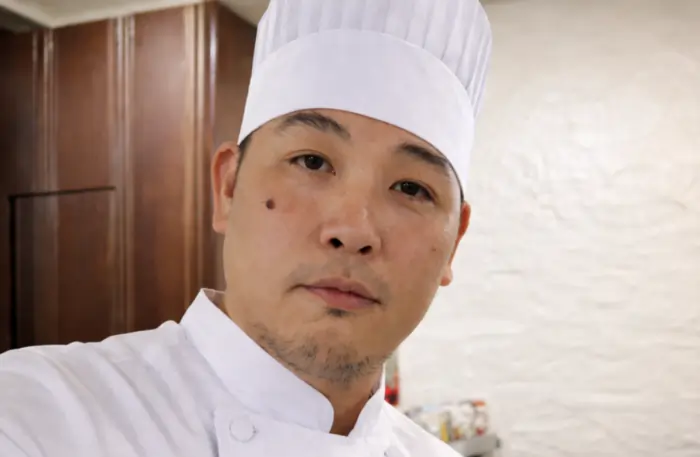
Chef Juan Gadi brings the heart of Filipino hospitality to Ubud, Bali. As an Executive Chef and consultant, he specializes in creating intimate, curated dining experiences that tell a story through every dish. Whether leading the kitchen at Kilig Filipino Warung or hosting a private villa dinner, Chef Juan’s approach is defined by warmth, modern technique, and a commitment to culinary excellence.