
Growing Appeal of Experience Led Dining in Bali Key Takeaways
The rise of experience led dining in Bali marks a global shift from eating out to living through a meal.
- Experience led dining in Bali goes beyond the plate, weaving cultural storytelling, local ingredients , and stunning settings into every meal.
- Travelers are increasingly seeking out unique, memorable dining experiences over traditional restaurant visits, driving a boom in farm-to-table tables, chef tasting menus , and sunset beachfront dinners.
- Balinese hospitality and the island’s diverse landscapes create a perfect environment for experiential dining trends that are shaping the future of food tourism worldwide.

What Makes Experience Led Dining in Bali So Irresistible
Bali has always been a place of the senses. The scent of frangipani, the sound of waves, the feel of warm volcanic sand. Now, a new wave of Bali culinary experiences is tapping into that sensory richness, turning every meal into a journey. But what exactly is driving this surge in popularity?
For many travelers, a vacation is about collecting moments, not just souvenirs. Experience led dining in Bali delivers exactly that: a chance to sit down at a table carved from driftwood, watch a chef prepare a dish using techniques passed down for generations, and taste the ocean in a freshly caught snapper grilled over coconut husks. It is no longer enough to serve a plate of food; the entire setting, the story behind each ingredient, and the warmth of the service become part of the dish itself. For a related guide, see Personalized Service Transforms a Dining Experience: 5 Proven Ways Chef Juan Gadi Elevates Hospitality in Ubud.
As an executive chef who has worked from the Philippines to the heart of Ubud, I see this daily. Guests arrive curious, leave changed. They want to know where the turmeric was grown, why a certain spice is used in a ritual, and how a dish reflects the island’s history. That is the essence of Bali food tourism today.
Why Is Experience Led Dining Becoming Popular in Bali
Several global and local forces have converged to make Bali a laboratory for experiential dining trends. First, the island’s natural beauty provides an unbeatable backdrop. From terraced rice paddies in Ubud to dramatic cliffs in Uluwatu, every location is a potential dining room.
Second, there is a growing dissatisfaction with cookie-cutter restaurant experiences. Travelers, especially those from food travel in Bali circles, crave authenticity. They want to eat where the locals eat, learn about cultural cuisine, and understand the story behind a plate of nasi campur.
Finally, the pandemic reshaped how people value experiences. After months of isolation, diners are willing to invest in meals that feel significant. A simple dinner has been replaced by a desire for immersive dining Bali events—multi-course tasting menus paired with sunset views, live music, or even a traditional kecak dance performance.
What Makes Dining Experiences in Bali Different from Traditional Restaurant Visits
The difference lies in intention. A traditional restaurant focuses on efficiency and volume. An experience-led dining venue focuses on connection and presence. When you book a unique dining experience Bali, you are not just reserving a table; you are entering a narrative.
At Kilig Filipino Warung, for example, I designed the menu to reflect my grandmother’s kitchen. Every dish includes a story—why we use calamansi instead of lemon, how adobo evolved through centuries of trade, what each spice represents in Filipino culture. This culinary storytelling turns eating into an education.
Other operators take this further, offering interactive dining where guests help pound spices in a mortar or pick their own vegetables from a garden. The line between diner and participant blurs, creating memorable dining experiences that last long after the bill is paid. For a related guide, see 9 Dining Experiences Perfect for Milestone Celebrations.
How Bali Combines Food with Culture and Storytelling
Bali’s food culture is inseparable from its spirituality. Offerings of small woven baskets filled with rice, flowers, and crackers line every temple and shop. Meals often begin with a prayer. This deep cultural context is a goldmine for cultural dining experiences.
Chefs across the island are tapping into this heritage. Many now collaborate with local farmers, artisans, and historians to source local ingredients and revive ancient recipes. A dish of lawar is not just a mix of vegetables and coconut; it is a connection to a village tradition. Authentic flavors come alive when you understand their origin.
I often tell guests that every meal in Bali is a form of culinary storytelling. The spice blend in a sambal might trace back to the Spice Route. The technique for making satay can be linked to street vendors in the 19th century. By presenting these details, we elevate a simple skewer into a gourmet experience.
How Do Chefs Use Storytelling to Elevate the Dining Experience
Storytelling in a restaurant setting is more than a menu description. It is a performance. Many chefs now personally walk through the dining room to introduce courses. At a chef tasting menu event, I often begin by telling guests about the morning I spent at a local market, selecting the catch of the day, or about the farmer who grew the heirloom tomatoes we are serving.
This personal connection creates trust and delight. Diners leave not just full but enriched. They feel part of something larger than a meal—a moment of shared culture and creativity.
What Role Does Ambiance Play in Experience Led Dining
Ambiance is the stage on which every dish performs. Dining ambiance in Bali can be as diverse as the island itself. A bamboo pavilion overlooking the Ayung River offers a soundtrack of rushing water and rustling leaves. A table set on the black sands of Pasut Beach glows under torches with the Indian Ocean stretching to the horizon.
Sunset dining is particularly transformative. That golden hour light softens every edge, making colors more vivid, conversation more intimate. When the meal is paired with the changing sky, the entire experience becomes sensory dining at its best.
Lighting, music, scent, and even the texture of the tablecloth are curated. The goal is to transport the guest to a different state of mind. This is why destination dining Bali commands a premium—it offers a complete sensory escape.
Why Do Travelers Seek Immersive Culinary Experiences in Bali
The answer lies in the human desire for novelty and connection. Immersive dining Bali satisfies both. Travelers today, particularly luxury dining Bali enthusiasts, value experiences that cannot be replicated. A sunset dinner at a beachfront restaurant in Jimbaran Bay, with your feet in the sand and grilled seafood fresh from the boat, is unique to that time, that place, that company.
There is also a growing trend toward sustainable dining. Visitors want to support restaurants that treat the land and community with respect. Farm to table dining in Bali is not just a buzzword; it is a necessity for many chefs who rely on local farms for local ingredients. Eating sustainably feels good, and that feeling enhances the entire meal.
Finally, there is the allure of discovery. Bali still has corners unknown to mass tourism. Finding a hidden warung in a village or a garden restaurant in Sidemen feels like unlocking a secret. This sense of adventure is a key driver of culinary adventures in Bali.
How Do Local Ingredients Enhance Dining Experiences Across the Island
Bali is blessed with extraordinary local ingredients. The volcanic soil produces incredibly flavorful vegetables. The surrounding seas teem with tuna, snapper, and clams. Coconuts, vanilla, cacao, and local spices like kencur (aromatic ginger) offer a palette of flavors rare elsewhere.
Chefs who embrace these ingredients produce dishes that feel authentically Balinese. A simple salad becomes extraordinary with the addition of young jackfruit and a dressing made with makrut lime. A dessert transforms with palm sugar caramel and shredded coconut.
In my kitchen, every dish starts with a visit to the morning market or a direct conversation with a farmer. Farm to table dining ensures that the produce is at its peak and that the money stays within the community. This approach resonates deeply with guests who value sustainable dining.
What Are the Benefits of Farm to Table Dining in Bali
Beyond freshness, farm to table dining offers traceability. Guests can ask, “Where did this avocado come from?” and receive a specific answer: “From my neighbor’s grove in Bedugul.” This transparency builds trust and allows diners to connect with the land.
It also supports the local economy. When a restaurant sources directly from small farmers, it helps preserve traditional agriculture and protects biodiversity. For the guest, the benefit is intangible but real: knowing the story behind the food makes it taste better.
How Does Experiential Dining Create Lasting Travel Memories
Memory is built on emotion and novelty. Memorable dining experiences tap into both. A meal that surprises, delights, or teaches something new becomes a reference point. Months later, travelers recall not just the flavor of the dish but the laughter of the host, the color of the sky, the texture of the woven table mat.
I have had guests tell me that the dinner they shared at a villa in Ubud—with a menu of Filipino classics reinterpreted with local Balinese ingredients—was the highlight of their entire trip. That is the power of experience led dining in Bali. It creates a story worth telling.
Moreover, these experiences often involve social interaction. Shared interactive dining activities—like cooking together or sitting at a communal table—forge bonds between strangers and strengthen connections among couples and families. The meal becomes a shared adventure.
Why Is Bali Considered a Leading Destination for Food Tourism
Bali has evolved from a backpacker haven into a world-class travel destination. Bali food tourism now draws visitors specifically for the cuisine. The island offers a breadth of options unmatched in Southeast Asia: street-side warungs, high-end gourmet experiences, cooking schools, market tours, and immersive plantation visits.
International recognition has played a role. Several Balinese restaurants have earned spots on Asia’s 50 Best Restaurants lists. Destination restaurants like Locavore and Room4Dessert have put Bali on the culinary map. Yet the charm remains in the small, family-run places that serve cultural cuisine passed down through generations.
The combination of luxury dining Bali options with accessible local eats makes the island appealing to a wide range of travelers—from luxury travelers to digital nomads on a budget.
What Types of Experience Led Dining Options Are Available in Bali
Diversity defines the scene. Options include:
- Chef tasting menus that take diners on a curated journey through multiple courses, often paired with wines or local beverages.
- Farm to table dining in organic gardens where guests can tour the farm before the meal.
- Beachfront restaurants offering seafood barbecues or sunset champagne dinners.
- Cultural cuisine experiences in traditional Balinese compounds with temple offerings and gamelan music.
- Interactive dining like cooking classes, spice market walks, and hands-on making of satay or lawar.
- Sunset dining on clifftop venues or rice terrace platforms.
- Private villa dinners with personal chefs—a specialty of mine at Kilig Filipino Warung, where I design bespoke menus for couples or small groups.
Each type caters to a different mood, but all share a commitment to Bali restaurant experiences that feel personal and intentional.
How Does Balinese Hospitality Contribute to Memorable Meals
Balinese hospitality is legendary. It is characterized by genuine warmth, attentiveness without intrusiveness, and a deep sense of service rooted in the Hindu philosophy of “Tri Hita Karana”—harmony with God, people, and nature. This translates to dining experiences where guests feel welcomed as family.
Staff often remember returning visitors by name and dietary preference. Small surprises—a welcome drink of fresh coconut water, a complimentary dessert to celebrate an anniversary—are standard. The smile you receive is not manufactured; it is part of the culture.
This hospitality elevates Bali hospitality experiences to a level that is hard to replicate elsewhere. It turns a good meal into a heartwarming memory.
Why Are Travelers Willing to Pay More for Unique Dining Experiences
Value is subjective. For many travelers, the premium paid for a unique dining experience Bali is not a cost but an investment in a memory. When a meal includes sweeping views, personal storytelling, artisan ingredients, and impeccable service, the price tag reflects the effort behind it.
There is also a social currency in sharing such experiences. A photo of a candlelit dinner on a clifftop or a fine dining dish atop a carved wooden plate generates engagement on social media. But beyond the “Instagrammable” factor, the genuine joy of the experience justifies the expense.
Chefs who offer gourmet experiences with limited seating and bespoke menus create a sense of exclusivity. Diners are paying for scarcity and personalization—two drivers of premium pricing.
How Is Experience Led Dining Shaping the Future of Bali’s Culinary Scene
The future is bright, and it is experiential. We are seeing a shift toward even deeper integration of technology and tradition. For example, restaurants now use QR codes to share the story of each dish. Some are experimenting with virtual reality to transport diners to the spice markets of Java while they eat.
At the same time, the core remains authentic. More chefs are collaborating directly with farmers and fishermen, establishing supply chains that prioritize quality and sustainability. Sustainable dining will become not just a trend but a baseline expectation.
I believe we will also see more cross-cultural pollination. Filipino-Balinese fusion, Indian-Balinese menus, and other creative hybrids are emerging. My own work at Kilig is an example: marrying Filipino techniques with Balinese ingredients is a form of culinary diplomacy that excites guests and honors both cultures.
The experience led dining in Bali movement is still in its early stages. As more travelers seek travel experiences that feed their souls as well as their stomachs, Bali is perfectly positioned to lead the global conversation.
Useful Resources
For more on Bali culinary experiences and trends, consider exploring these resources:
- Bali Dining Guide: Experience-Led Restaurants – A curated overview of top immersive dining spots across the island.
- Bali.com – Food and Drink Section – Official tourism resource with details on cooking classes, market tours, and unique dining venues.
Frequently Asked Questions About Growing Appeal of Experience Led Dining in Bali
What is experience led dining in Bali ?
It is a style of dining where the focus goes beyond the food to include storytelling, ambiance, cultural rituals, and interactive elements, creating a memorable and immersive meal.
Why is experience led dining becoming popular in Bali?
Travelers seek authentic, memorable moments over standard meals. Bali’s natural beauty, rich culture, and warm hospitality create the perfect environment for these immersive experiences.
What types of immersive dining exist in Bali?
Options include chef tasting menus, farm-to-table dinners, beachfront feasts, cooking classes, sunset dining on clifftops, and private villa meals.
How is Balinese hospitality unique?
Balinese hospitality is rooted in the philosophy of Tri Hita Karana, emphasizing harmony with God, people, and nature, resulting in warm, attentive service that makes guests feel like family.
Are experience led dining options expensive in Bali?
Prices vary widely. While some luxury venues can be costly, there are also affordable options like market tours and small warung meals that offer deep cultural immersion.
Do I need to book in advance for experiential dining?
Highly recommended. Many immersive dining venues have limited seating, especially for sunset or private events. Booking a few days ahead ensures availability.
Can I find vegan or vegetarian options in experience led dining?
Yes, many chefs accommodate dietary preferences. Farm-to-table restaurants often highlight seasonal vegetables and can create plant-based tasting menus.
What is a chef tasting menu?
A curated multi-course meal designed by the chef to showcase signature dishes and local ingredients, often paired with wines or local drinks.
How does farm to table work in Bali?
Chefs source ingredients directly from local farmers and fishermen, ensuring freshness, supporting the local economy, and reducing environmental impact.
Is sunset dining safe for families with children?
Most sunset dining venues are family-friendly, with child menus and safe environments. Check with the restaurant about specific age policies.
What should I wear to an experience led dinner?
Smart casual is generally appropriate. For sunset or beachfront dining, bring a light jacket or sarong as the evening breeze can be cool.
Can I request a private dinner for two?
Absolutely. Many chefs, including myself at Kilig Filipino Warung, offer private villa dinners or secluded table setups for couples seeking intimacy.
Are cooking classes considered experience led dining?
Yes, they are a hands-on form of interactive dining where participants learn about ingredients, techniques, and cultural context while preparing a meal.
What role does culture play in Balinese dining experiences?
Culture is central. Many experiences incorporate traditional offerings, music, dance, and rituals that connect the meal to Balinese heritage.
Is sustainable dining common in Bali?
More restaurants are adopting eco-friendly practices, such as reducing plastic waste, composting, and sourcing locally. It is a fast-growing segment of the food scene.
How do chefs tell stories through food in Bali?
They share personal anecdotes, historical context, and details about ingredient origins during the meal, often visiting tables personally to explain each course.
Can I combine food experiences with other activities?
Yes, many tours offer market visits, temple tours, and rice terrace walks paired with cooking classes or lunch, creating a full-day food travel experience.
Are there halal options in experience led dining?
Yes, several restaurants offer halal-certified menus. It is best to confirm with the venue in advance to ensure compliance with dietary requirements.
What makes a dining experience memorable?
A combination of exceptional food, a beautiful setting, personal storytelling, warm service, and a sense of novelty or connection to the culture.
How do I choose the best experience led dining in Bali ?
Consider your interests: food, ambiance, culture, or activity level. Read reviews, check for chef credentials, and book through trusted tour operators or direct restaurant contact.
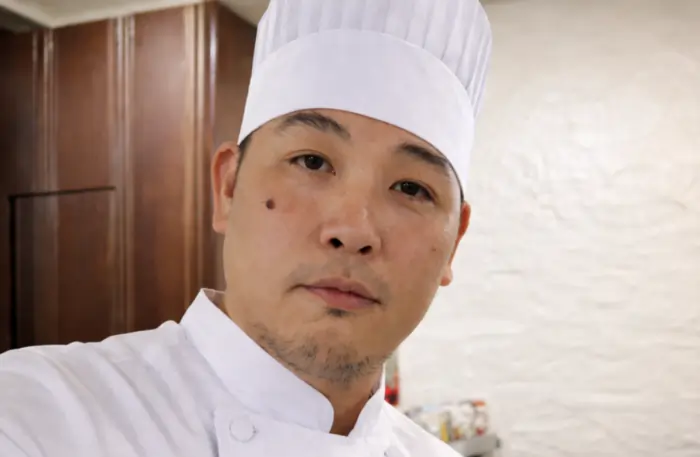
Chef Juan Gadi brings the heart of Filipino hospitality to Ubud, Bali. As an Executive Chef and consultant, he specializes in creating intimate, curated dining experiences that tell a story through every dish. Whether leading the kitchen at Kilig Filipino Warung or hosting a private villa dinner, Chef Juan’s approach is defined by warmth, modern technique, and a commitment to culinary excellence.